
Florida, often called the Sunshine State, is a beacon for travelers seeking pristine beaches, vibrant cities, and unparalleled theme park adventures. From the magical realms of Walt Disney World Resort in Orlando to the historic charm of St. Augustine and the breathtaking natural beauty of the Florida Keys, the state offers a kaleidoscope of experiences. However, like any tropical paradise, Florida exists within a natural cycle that includes hurricane season. For anyone planning a visit, considering a long-term stay, or even contemplating a move, understanding the timing and implications of hurricane season is paramount for safety and a smooth experience.
The question “When does hurricane season start for Florida?” is a critical one, particularly for those whose travel plans or lifestyle choices intersect with the state’s peak weather patterns. While the thought of a hurricane might seem daunting, with proper knowledge, preparation, and the right approach to travel planning, Florida remains an incredibly rewarding destination year-round. This comprehensive guide will delve into the official dates, peak activity periods, essential planning tips for accommodation and travel, and how to enjoy the best of Florida while staying informed and secure.
Understanding Florida’s Hurricane Season: Official Dates and Peak Activity
The official Atlantic Hurricane Season for regions including Florida, the Caribbean Sea, and the Gulf of Mexico runs from June 1st to November 30th each year. This six-month window is when conditions in the Atlantic Ocean are most conducive to the formation of tropical depressions, tropical storms, and hurricanes. While tropical systems can technically form outside these dates, it is rare.
The Official Window: June 1st to November 30th
This designated period is based on decades of meteorological data, identifying the time when sea surface temperatures are warmest, and atmospheric conditions are most favorable for tropical cyclone development. For visitors planning their Florida getaways, it’s crucial to acknowledge that any trip within these months falls within hurricane season. However, this doesn’t mean every day is fraught with danger. The season encompasses a wide range of activity, and the reality is that many weeks, even months, within this window are completely free of significant weather events.
Peak Months to Watch
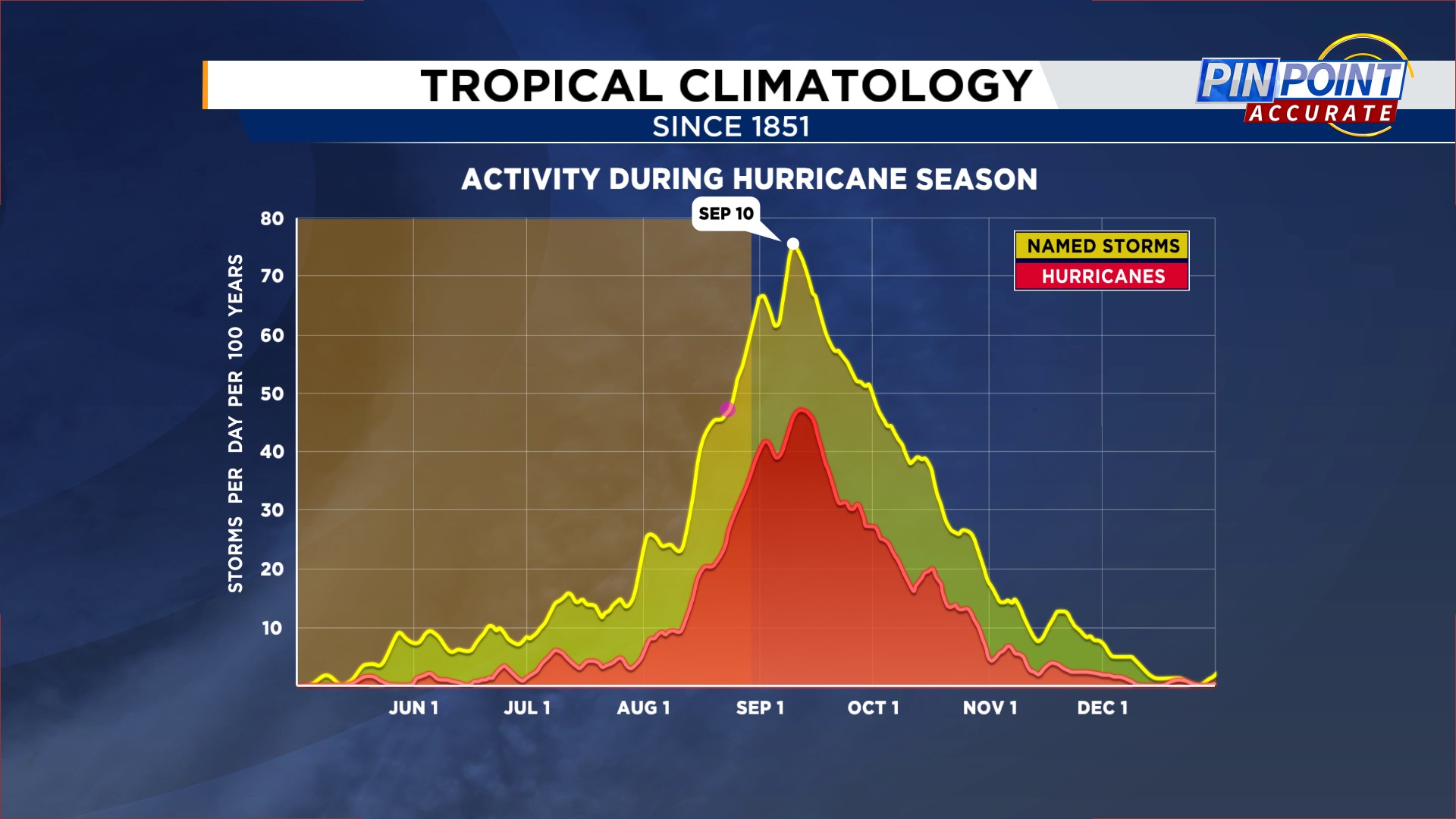
While the season spans six months, not all periods are created equal in terms of storm activity. Historically, the peak of the Atlantic Hurricane Season occurs from mid-August through October. This three-month stretch is when the majority of powerful storms tend to form and track through the region.
- August: Often marks an increase in activity, with storms frequently developing near the Cape Verde Islands off the coast of Africa and traversing the Atlantic.
- September: Statistically the most active month for hurricane formation and intensity. This is the period when large, powerful hurricanes are most likely to develop.
- October: Activity begins to wane but can still be significant, particularly in the Caribbean and Gulf of Mexico, affecting South Florida and the Florida Panhandle.
- November: The season typically winds down, though late-season storms can still emerge.
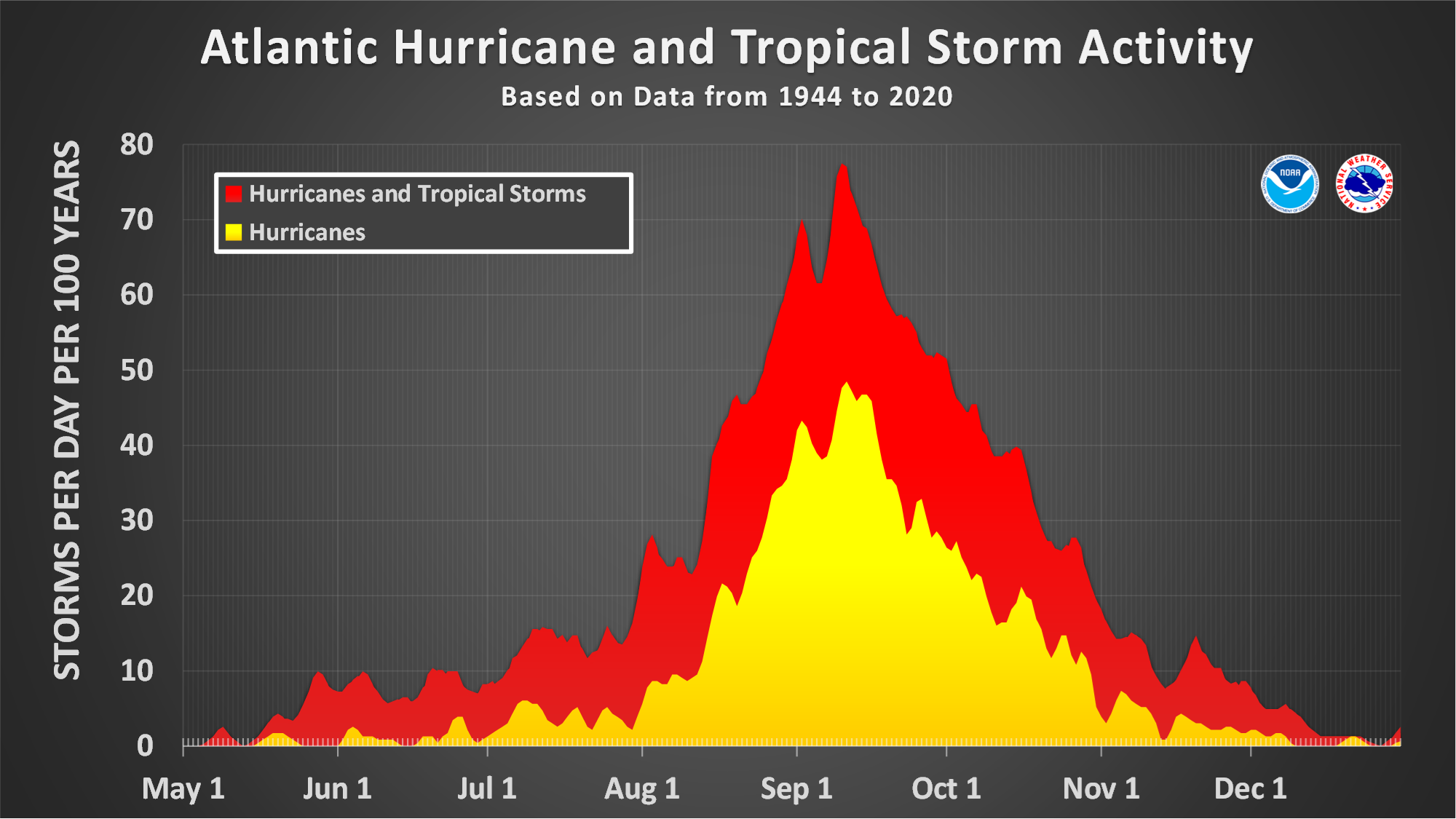
For travelers, this means that while early June and late November might present lower risks, the months of August, September, and October demand the most vigilant planning and monitoring. However, it’s equally important to remember that a single, devastating hurricane can occur at any point within the official season, and conversely, an entire peak season can pass with minimal impact on Florida.
Navigating Travel to Florida During Hurricane Season: Planning for Peace of Mind
Traveling to Florida during hurricane season doesn’t have to be a deterrent, especially for those seeking better deals on accommodation and fewer crowds at popular attractions. However, it does necessitate a proactive and informed approach to travel planning, prioritizing safety, flexibility, and peace of mind.
The Role of Travel Insurance
Perhaps the single most important consideration for anyone traveling to Florida during hurricane season is comprehensive travel insurance. A robust policy can protect your financial investment in case your trip is disrupted or canceled due to a hurricane threat or impact.
- Trip Cancellation/Interruption: This covers non-refundable expenses like flights, hotel bookings, and pre-paid tours if a storm forces you to cancel or cut short your trip.
- Medical Coverage: Important for unexpected medical emergencies, especially if local services are strained during a weather event.
- Emergency Evacuation: Essential for covering the costs of getting you to a safe location if an evacuation is ordered.
- Baggage Delay/Loss: Useful if travel delays impact your luggage.
It’s crucial to read policy details carefully. Many policies have “named storm” clauses, meaning coverage might not apply if a storm is already named or its path predicted before you purchase the insurance. Always buy travel insurance well in advance of your trip.
Accommodation Policies and Flexibility
When booking hotels, resorts, apartments, or villas in Florida during hurricane season, pay close attention to their cancellation and refund policies. Many establishments, particularly larger resorts and hotel chains, offer “hurricane guarantees” or flexible rebooking options if a named storm threatens the area.
- Ask about specific hurricane policies: Don’t assume; inquire directly about their procedures in case of a storm.
- Look for flexible booking options: Prioritize accommodation that allows for free cancellation or date changes up to a few days before arrival.
- Consider properties with amenities: Some hotels and resorts are equipped with generators or have designated safe areas, which can be valuable if a storm hits.
For those considering long-term stays, understanding lease agreements regarding natural disasters is equally vital. Ensure clear terms for early termination or alternative housing in case of significant damage.
Monitoring Weather Updates and Local Resources
Staying informed is your best defense. The National Hurricane Center (NHC), part of NOAA (National Oceanic and Atmospheric Administration), is the authoritative source for hurricane forecasts and advisories in the United States.
- Check NHC regularly: Visit nhc.noaa.gov for the latest storm tracks, intensity predictions, and official warnings.
- Follow local news and emergency services: Once in Florida, pay attention to local weather channels, radio, and emergency management social media accounts for region-specific instructions.
- Sign up for alerts: Many Florida counties offer opt-in text or email alerts for emergencies.
Having a plan, knowing your evacuation routes, and staying calm are key. Remember, Florida has extensive experience with hurricanes and robust emergency response systems in place.
Essential Preparation: Safety Tips for Visitors and Residents
Whether you’re visiting for a short vacation or residing in Florida, being prepared for hurricane season is a crucial aspect of responsible travel and lifestyle. Early preparation can significantly reduce stress and enhance safety should a storm threaten.
Building an Emergency Kit and Plan
Even as a visitor, having a small, portable emergency kit can be beneficial. For residents, this is non-negotiable.
- Water and Non-Perishable Food: Enough for at least three days per person.
- First Aid Kit: Basic medical supplies, prescription medications.
- Flashlight and Batteries: Essential for power outages.
- Battery-Powered Radio: For receiving updates if power and cell service are out.
- Chargers and Power Banks: Keep your devices charged.
- Important Documents: Copies of ID, insurance policies, booking confirmations.
- Cash: ATMs may not work during power outages.
- Comfort Items: Any personal items that provide comfort or entertainment during a wait.
Beyond the kit, develop a personal or family plan:
- Communication Plan: How will you contact loved ones if cell service is unreliable?
- Evacuation Plan: Know your route, shelters, and potential safe havens inland. For visitors, this might mean having a rental car booked or understanding public transportation options if an evacuation is ordered.
- Pet Plan: If traveling with pets, know pet-friendly shelters or accommodation options.
Staying Informed and Following Local Directives
The most critical aspect of hurricane preparedness is to heed official warnings and instructions from local authorities.
- Monitor official sources: As mentioned, the NHC and local emergency management agencies are your primary sources.
- Understand advisories:
- Tropical Storm Watch/Hurricane Watch: Conditions are possible within 48 hours. This is the time to finalize preparations or consider changing travel plans.
- Tropical Storm Warning/Hurricane Warning: Conditions are expected within 36 hours. This means immediate action is required, including securing property or evacuating if ordered.
- Evacuate when told: If an evacuation order is issued for your area, leave immediately. Do not delay, as roads can become congested and conditions dangerous. Florida has well-established evacuation routes clearly marked.
Responsible tourism also means respecting local efforts to prepare. If you’re visiting and a storm is approaching, understand that businesses may close, and services might be limited as residents prepare.
Exploring Florida Outside Peak Season: Ideal Times to Visit
While hurricane season demands careful consideration, Florida offers spectacular experiences outside the June-November window, often with the added benefits of pleasant weather and fewer crowds. These periods are generally considered the best times to visit for a worry-free tropical escape.
The Charm of Spring and Fall
The shoulder seasons of spring and fall typically present the most idyllic conditions for enjoying Florida’s diverse attractions.
- Spring (March to May): This is arguably the most pleasant time to visit Florida. Temperatures are warm but not excessively hot, humidity is lower, and rainfall is minimal. It’s perfect for beach days, exploring Everglades National Park, or enjoying outdoor attractions like Busch Gardens Tampa Bay. Be aware of Spring Break crowds in March and early April, especially in popular coastal cities like Miami, Fort Lauderdale, and Panama City Beach.
- Fall (Late November to February): Once hurricane season officially ends, Florida transitions into its glorious dry season. From late November through February, the weather is consistently mild, sunny, and comfortable across the state, making it ideal for everything from exploring St. Petersburg’s art scene to enjoying the Key West lifestyle. While this period avoids hurricane risks, it does coincide with peak tourist season for many snowbirds and holiday travelers, particularly around Thanksgiving, Christmas, and New Year’s, leading to higher prices and larger crowds.
Winter Escapes: December to February
Florida’s winter months offer a welcome respite from colder climates elsewhere, drawing millions seeking sunshine and warmth.
- Ideal Temperatures: Average temperatures range from the mid-60s to high 70s Fahrenheit (18-26°C), perfect for outdoor activities.
- Dry Season: Low humidity and minimal rainfall enhance comfort.
- Popular Destinations: Cities like Miami, Naples, and Sarasota become particularly vibrant with events and festivals. The theme parks in Orlando are still bustling but offer a delightful escape from winter weather. Even North Florida cities like Jacksonville and Pensacola maintain mild, enjoyable conditions.
These months, while busier and potentially more expensive for accommodation and flights, offer the highest probability of perfect weather and no hurricane concerns, ensuring an uninterrupted travel experience.
In conclusion, understanding when hurricane season starts for Florida is fundamental for any traveler or prospective resident. The official dates—June 1st to November 30th—and particularly the peak months of August through October, highlight periods requiring increased awareness and preparation. By investing in travel insurance, scrutinizing accommodation policies, staying updated with official weather advisories, and having a personal safety plan, you can confidently navigate a trip during these months. Alternatively, opting for a visit during the beautiful spring or dry winter seasons can offer a virtually worry-free Florida experience, albeit potentially with more crowds and higher costs. No matter when you choose to explore the wonders of the Sunshine State, being informed is always your best travel companion.
LifeOutOfTheBox is a participant in the Amazon Services LLC Associates Program, an affiliate advertising program designed to provide a means for sites to earn advertising fees by advertising and linking to Amazon.com. Amazon, the Amazon logo, AmazonSupply, and the AmazonSupply logo are trademarks of Amazon.com, Inc. or its affiliates. As an Amazon Associate we earn affiliate commissions from qualifying purchases.