
When planning a trip to the Sunshine State, understanding the tax implications is crucial for budgeting and avoiding any unwelcome surprises. While Florida might be renowned for its pristine beaches, world-class theme parks, and vibrant cities, it also has a unique tax structure that affects visitors and residents alike. This comprehensive guide will delve into what the state tax in Florida entails, focusing on how it impacts your travel experiences, accommodation choices, and overall lifestyle within this popular tourist destination.
The primary tax that most visitors will encounter in Florida is the state sales tax. However, Florida also levies discretionary sales surtaxes, which can significantly alter the final price of goods and services, particularly within the realm of tourism and accommodation. Understanding these layered taxes will empower you to make informed decisions, whether you’re booking a stay at a luxurious Miami resort, purchasing souvenirs in Orlando, or dining at a charming local eatery in St. Augustine.
Understanding Florida’s Sales and Discretionary Surtaxes
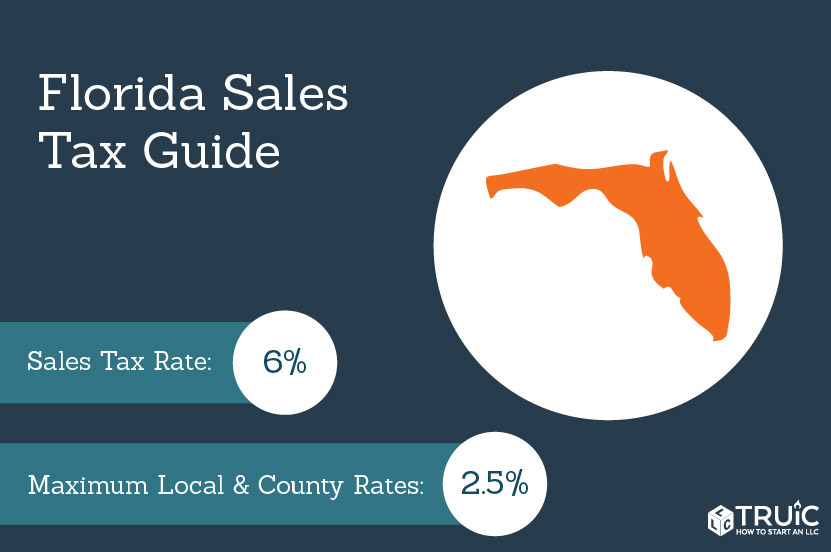
At its core, Florida does not impose a state income tax on individuals. This is a significant draw for many who choose to relocate or establish businesses in the state. However, this absence of income tax is compensated by a robust reliance on sales and use taxes. The state’s general sales tax rate is 6%, but this is just the beginning of the story.
The Base State Sales Tax
The Florida Department of Revenue sets the standard state sales tax rate at 6%. This tax applies to the retail sale of tangible personal property, such as clothing, electronics, and souvenirs, as well as taxable services. Common taxable services include the repair of tangible personal property, residential utility services, and admission to places of amusement, entertainment, and athletic events. For instance, when you purchase tickets to Walt Disney World or a show at the Adrienne Arsht Center for the Performing Arts, the 6% state sales tax will be applied.
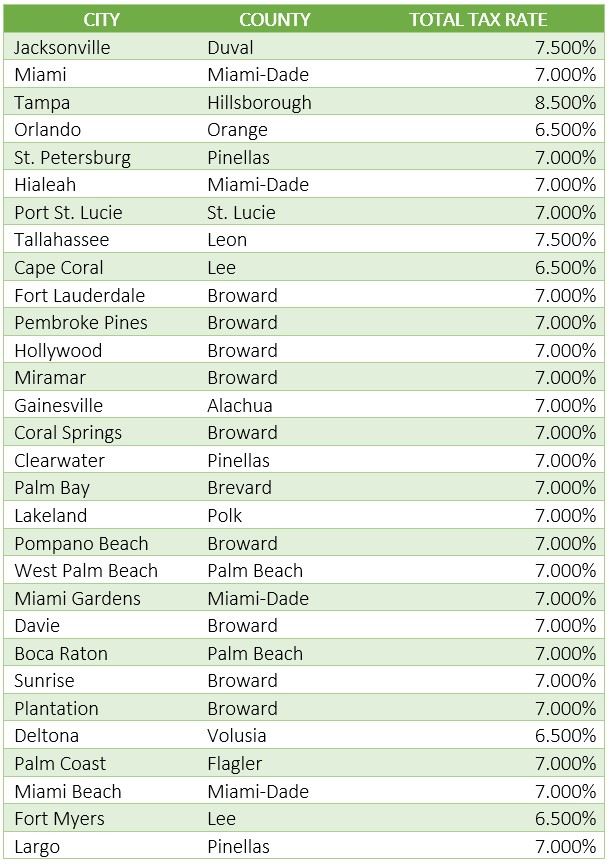
However, the 6% is merely the foundation. Florida allows counties and municipalities to levy additional discretionary sales surtaxes. These surtaxes are often referred to as local option sales taxes. The rates of these surtaxes vary significantly from one county to another, and sometimes even within different municipalities within the same county. This means that the total sales tax you pay can fluctuate considerably depending on your specific location within Florida.
Discretionary Sales Surtaxes: A Layered Approach
The discretionary sales surtax in Florida is where the tax landscape becomes more intricate. These surtaxes are added on top of the state’s 6% sales tax. The rates for these local surtaxes range from 0.5% to 2.5%, depending on the county. Some counties have even higher rates for specific purposes, such as funding transportation projects or public education.
For example, if you are in Miami-Dade County, you will encounter a total sales tax that includes the 6% state rate plus a local discretionary surtax. This combined rate can bring the total to 7% or even higher, depending on the specific provisions within the county. Similarly, Orange County, home to many of Florida‘s famous theme parks, also has its own discretionary surtax, impacting the cost of your purchases and attractions.
It is essential for travelers to be aware that the sales tax rate is not uniform across the entire state. A purchase made in Tampa might have a different total sales tax than the exact same purchase made in Jacksonville. This variability underscores the importance of checking local tax rates when planning your itinerary and budget.
Impact on Accommodation
The impact of these taxes is particularly noticeable when it comes to accommodation. Hotels, resorts, apartment rentals, and even vacation villas are subject to both the state sales tax and any applicable discretionary surtaxes. This means that the advertised nightly rate for a room at the Fontainebleau Miami Beach or a suite at the Grand Hyatt Hotel in Orlando will likely be increased by the combined sales tax rate of the county in which it is located.
For longer stays, such as those booked through services offering apartments or villas for extended periods, these taxes can add up. While Florida does offer some exemptions for certain long-term rentals, the general rule is that occupancy of less than six months is subject to sales tax. This is a critical consideration for those planning a winter escape or a temporary relocation to the Sunshine State.
Impact on Tourism and Activities
Beyond accommodation, the discretionary sales surtaxes also influence the cost of various tourism-related activities and purchases. Admission to theme parks like Universal Studios Florida, boat tours along the coast, admission to museums like The Dali Museum in St. Petersburg, and even dining at restaurants are all subject to these combined tax rates.
For instance, when you decide to indulge in some world-class dining in Palm Beach or enjoy a guided nature tour in the Everglades, the final bill will reflect the applicable state and local sales taxes. While these taxes are often a small percentage of the total cost, they can accumulate, especially on larger purchases or when engaging in multiple paid activities. This is why understanding the tax rates in your specific destination within Florida is so valuable.
Exemptions and Special Cases
While the general rule is that sales and discretionary surtaxes apply, there are certain exemptions and special cases to be aware of. For instance, essential goods such as most groceries and prescription medications are typically exempt from sales tax. This is a common feature of sales tax systems designed to ease the burden on consumers for necessities.
Furthermore, certain industries or specific types of transactions might have unique tax treatments. For example, some digital goods or services might be taxed differently, and specific manufacturing or agricultural equipment may be exempt to encourage economic development. However, for the vast majority of tourists and everyday consumers, the primary focus should remain on the state sales tax and the various discretionary surtaxes levied by local governments.
It’s also worth noting that Florida has a specific tax on certain luxury items. While not part of the general sales tax, this tax can impact high-end purchases. However, this is less likely to be a concern for most travelers unless they are engaging in significant luxury shopping.
Navigating Tourist and Visitor Taxes
As a visitor to Florida, you’re not only subject to the general sales tax but also to taxes that are specifically designed to fund tourism-related infrastructure and services. These taxes, while often embedded within the prices of accommodations and attractions, play a vital role in maintaining the state’s appeal as a premier travel destination.

Tourist Development Taxes (TDTs)
Many Florida counties and municipalities levy a Tourist Development Tax, often referred to as a “bed tax.” This tax is specifically charged on the rental of living quarters or sleeping accommodations rented for less than six months. The rates for Tourist Development Taxes vary by county and can range from 1% to 5% or even higher, depending on the local ordinances.
These taxes are typically collected by the entity providing the accommodation, such as hotels, motels, and vacation rental agencies. The revenue generated from TDTs is generally earmarked for tourism promotion, development, and maintenance of public facilities that benefit tourists, such as convention centers, sports stadiums, and beaches. So, when you book a room at a Key West boutique hotel or a villa on Sanibel Island, a portion of your payment will likely contribute to these tourism initiatives.
The TDT is added to the state sales tax and any discretionary surtaxes, meaning the total tax burden on accommodation can become substantial. For example, a hotel room in Orlando might be subject to the 6% state sales tax, a local discretionary surtax, and a TDT. This is why it’s always advisable to ask for a detailed breakdown of all charges when booking, especially for longer stays.
Impact on Travel Planning and Budgeting
Understanding these various taxes is fundamental for effective travel planning and budgeting in Florida. While Florida‘s appeal lies in its accessibility and array of attractions, the cumulative effect of taxes can impact the overall cost of your vacation.
When comparing prices for hotels or vacation rentals, always look beyond the base rate. Factor in the potential for sales tax, discretionary surtaxes, and Tourist Development Taxes. Online booking platforms often provide an estimate of these taxes, but it’s prudent to verify them directly with the accommodation provider or by checking the Florida Department of Revenue’s website for county-specific rates.
Similarly, when budgeting for activities and dining, remember that the advertised prices usually do not include the sales tax. For a family trip to Busch Gardens Tampa Bay or a romantic getaway to Naples, accounting for an additional 7% to 9% (or more) on top of your planned expenses can help prevent overspending.
Strategies for Savvy Travelers
Savvy travelers can employ several strategies to navigate Florida‘s tax landscape.
- Research Local Rates: Before booking accommodation or planning specific purchases, research the sales tax and TDT rates for the counties you’ll be visiting. Websites like the Florida Department of Revenue offer searchable databases of these rates.
- Consider Off-Season Travel: While not directly related to tax rates, traveling during the off-season can sometimes lead to lower accommodation prices, which can offset some of the tax burden.
- Look for Tax-Exempt Deals: Occasionally, hotels or attractions may offer promotions that include or waive certain taxes. Keep an eye out for such deals, especially during promotional periods.
- Budget Accordingly: The most straightforward approach is to add an estimated percentage to your anticipated expenses to account for taxes. This buffer will prevent any surprises.
Florida’s Lifestyle and Tax Considerations
The absence of a state income tax is a significant factor that influences Florida‘s lifestyle and makes it an attractive place for many to live and visit. However, this benefit is offset by the state’s reliance on sales taxes, which directly impacts the cost of goods, services, and daily living for both residents and tourists.
The Appeal of No State Income Tax
Florida stands out among many U.S. states for not levying a personal income tax. This means that individuals do not have to pay a portion of their earnings to the state government. This policy has been a magnet for retirees, high-net-worth individuals, and businesses seeking to maximize their take-home pay or profits. For those who relocate to Florida, this can translate into significant annual savings compared to living in states with substantial income tax rates.
This no-income-tax environment also contributes to Florida‘s dynamic lifestyle. With more disposable income, residents and visitors alike can often afford to spend more on leisure activities, dining, and travel within the state. This fuels the robust tourism industry that Florida is so famous for, from the bustling theme parks of Orlando to the upscale boutiques of Bal Harbour Shops and the serene beaches of Clearwater.
The Flip Side: Sales Tax Reliance
The flip side of no income tax is Florida‘s heavy reliance on sales tax revenue. This means that the state generates a substantial portion of its funding from taxes on consumption. As we’ve discussed, this includes the base state sales tax and the various discretionary surtaxes imposed by counties and municipalities.
For tourists, this translates into a higher overall cost for many aspects of their vacation. The price of a souvenir t-shirt, a meal at a Key West conch house, or entry into attractions like SeaWorld Orlando will all include these sales taxes. While the convenience of purchasing these items is undeniable, the tax adds to the final price.
For residents, the impact is felt on everyday purchases, from groceries (though certain staples are exempt) to dining out and home furnishings. The cumulative effect of these sales taxes can be substantial over time. This is why understanding how sales taxes work in Florida is not just for tourists but also for those considering long-term stays or relocation.
Factors Influencing Lifestyle Spending
The combination of no income tax and a significant sales tax creates a unique financial dynamic in Florida.
- Affordability for High Earners: Individuals with high incomes may find Florida to be more financially attractive due to the absence of income tax, allowing them to allocate more funds towards discretionary spending on luxury travel, fine dining, and high-end accommodations like those found at The Breakers Palm Beach.
- Impact on Budget Travelers: Conversely, budget-conscious travelers and residents might feel the pinch of sales taxes more acutely, as a larger proportion of their spending goes towards taxes on everyday items and services. This can make cost-effective travel and shopping more challenging.
- Tourism-Driven Economy: Florida‘s economy is heavily reliant on tourism. The taxes collected from visitors, including the state sales tax, discretionary surtaxes, and Tourist Development Taxes, are crucial for funding the infrastructure and services that make Florida a desirable destination. This creates a symbiotic relationship where tourist spending, including taxes, directly supports the continued development and promotion of the state’s attractions.
- Regional Variations: It’s also important to remember that lifestyle spending can vary significantly across Florida. A city like Miami might offer more high-end luxury options, while a smaller town might focus on more budget-friendly experiences. The tax rates in these different areas will also contribute to the overall cost of living and experiencing the local lifestyle.
In conclusion, while Florida‘s lack of state income tax is a significant draw, its reliance on sales taxes, including the intricate system of discretionary surtaxes and Tourist Development Taxes, plays a crucial role in its financial structure and the overall cost of living and visiting. Understanding these tax implications is essential for anyone planning a trip or considering a longer stay in the Sunshine State, ensuring a more informed and enjoyable experience. Whether you’re staying at a luxurious resort, exploring theme parks, or enjoying the natural beauty of Florida, a clear grasp of these taxes will enhance your visit.
LifeOutOfTheBox is a participant in the Amazon Services LLC Associates Program, an affiliate advertising program designed to provide a means for sites to earn advertising fees by advertising and linking to Amazon.com. Amazon, the Amazon logo, AmazonSupply, and the AmazonSupply logo are trademarks of Amazon.com, Inc. or its affiliates. As an Amazon Associate we earn affiliate commissions from qualifying purchases.