
Florida, the “Sunshine State,” is a premier travel destination renowned for its consistently warm weather, making it an attractive escape for millions seeking sun-drenched holidays. From the vibrant beaches of the Atlantic Coast to the serene Everglades, the state offers a diverse range of experiences shaped by its unique climate. Understanding the temperature in Florida is crucial for planning the perfect trip, whether you’re dreaming of theme park adventures in Orlando, exploring the historic charm of St. Augustine, or relaxing on the pristine shores of Siesta Key.
The Sunshine State’s climate is predominantly subtropical, characterized by hot, humid summers and mild winters. However, Florida is a large state, and its temperatures can vary significantly from north to south, and even between its coastal regions and inland areas. This climatic diversity influences everything from the types of flora and fauna you’ll encounter to the best times to visit specific attractions and engage in outdoor activities. For travelers, this means a little research into regional temperature variations can go a long way in ensuring comfort and maximizing enjoyment throughout their stay.
This guide delves into the nuances of Florida’s temperatures, offering insights into seasonal patterns, regional differences, and practical advice for packing and planning. We’ll explore how the weather impacts various aspects of a Florida vacation, from choosing the ideal resort to knowing when to best experience the local culture and activities. Whether you’re a seasoned traveler or planning your first family trip, understanding “What Is The Temperature Florida?” will empower you to make informed decisions and create unforgettable memories.
Florida’s Seasonal Temperature Patterns
Florida’s weather is largely dictated by its position in the southeastern United States, bordering the Gulf of Mexico and the Atlantic Ocean. These bodies of water exert a significant moderating influence, preventing the extreme temperature fluctuations seen in more continental climates. The state generally experiences two main seasons: a hot and humid summer, and a mild and drier winter. However, spring and autumn offer transitional periods with pleasant conditions, often considered the most ideal times for travel.
Summer: The Heat and Humidity Embrace
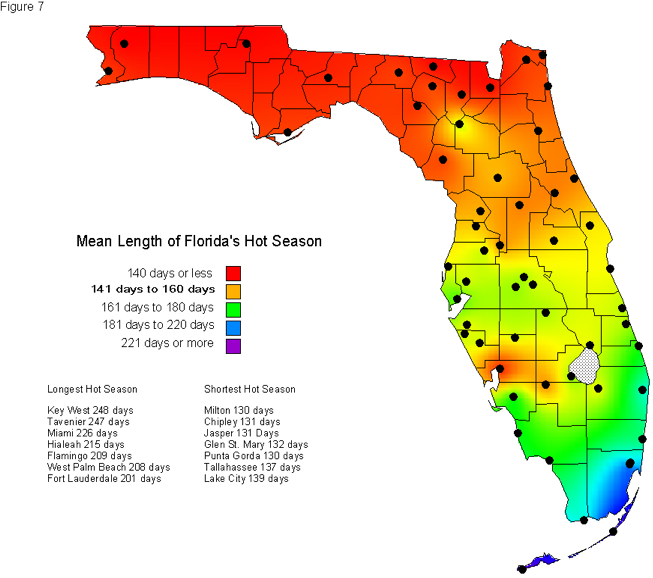
The summer months in Florida, typically from June through September, are defined by high temperatures and substantial humidity. Daytime highs frequently reach the high 80s and low 90s Fahrenheit (around 31-33°C), but the oppressive humidity can make it feel even hotter, often pushing the “feels like” temperature into the triple digits. This is also the wet season, with afternoon thunderstorms being a daily occurrence in many parts of the state. These storms are usually brief but intense, bringing heavy rain and lightning, and can offer temporary relief from the heat.
For those visiting during the summer, it’s essential to stay hydrated, seek air-conditioned environments during the hottest parts of the day, and plan outdoor activities for the cooler early mornings or late afternoons. Popular attractions like Walt Disney World Resort or Universal Orlando Resort often have indoor sections and attractions that provide respite from the heat. Despite the heat, summer is a popular time for families, especially those with school-aged children, as it coincides with summer breaks.
Winter: A Mild and Pleasant Retreat
Florida’s winter, from December through February, offers a stark contrast to the summer. Temperatures are significantly milder, with average highs ranging from the 60s to the 70s Fahrenheit (15-25°C) across most of the state. Northern Florida can experience occasional cooler days, with temperatures dipping into the 50s (10-15°C), and rarely, frost can occur. Southern Florida, including the Florida Keys and Miami, enjoys even warmer winters, with average highs in the 70s and 80s Fahrenheit (20-30°C).
This mild winter weather makes Florida a prime destination for snowbirds from colder climates looking to escape the winter chill. It’s an excellent time for outdoor activities such as exploring national parks like Everglades National Park, visiting beaches without the intense summer heat, and enjoying the numerous outdoor festivals and events. The lower humidity levels also contribute to a more comfortable experience for exploring cities like Tampa or Jacksonville.
Spring and Autumn: The Sweet Spot
Spring (March-May) and Autumn (October-November) are often considered the “shoulder seasons” in Florida, offering some of the most pleasant weather. Temperatures are warm but generally less humid than in the summer.
Spring’s Gentle Warmth
In spring, temperatures gradually warm up, with averages in the 70s and 80s Fahrenheit (20-30°C). The humidity is moderate, and rainfall is less frequent than in the summer. This period is ideal for exploring the state’s many attractions without the discomfort of extreme heat or the interruption of daily thunderstorms. It’s a fantastic time for visiting theme parks, enjoying water sports, or embarking on a road trip along the coast. Spring Break crowds can be significant in certain popular destinations, so booking accommodations and tickets in advance is recommended.
Autumn’s Refreshing Breeze
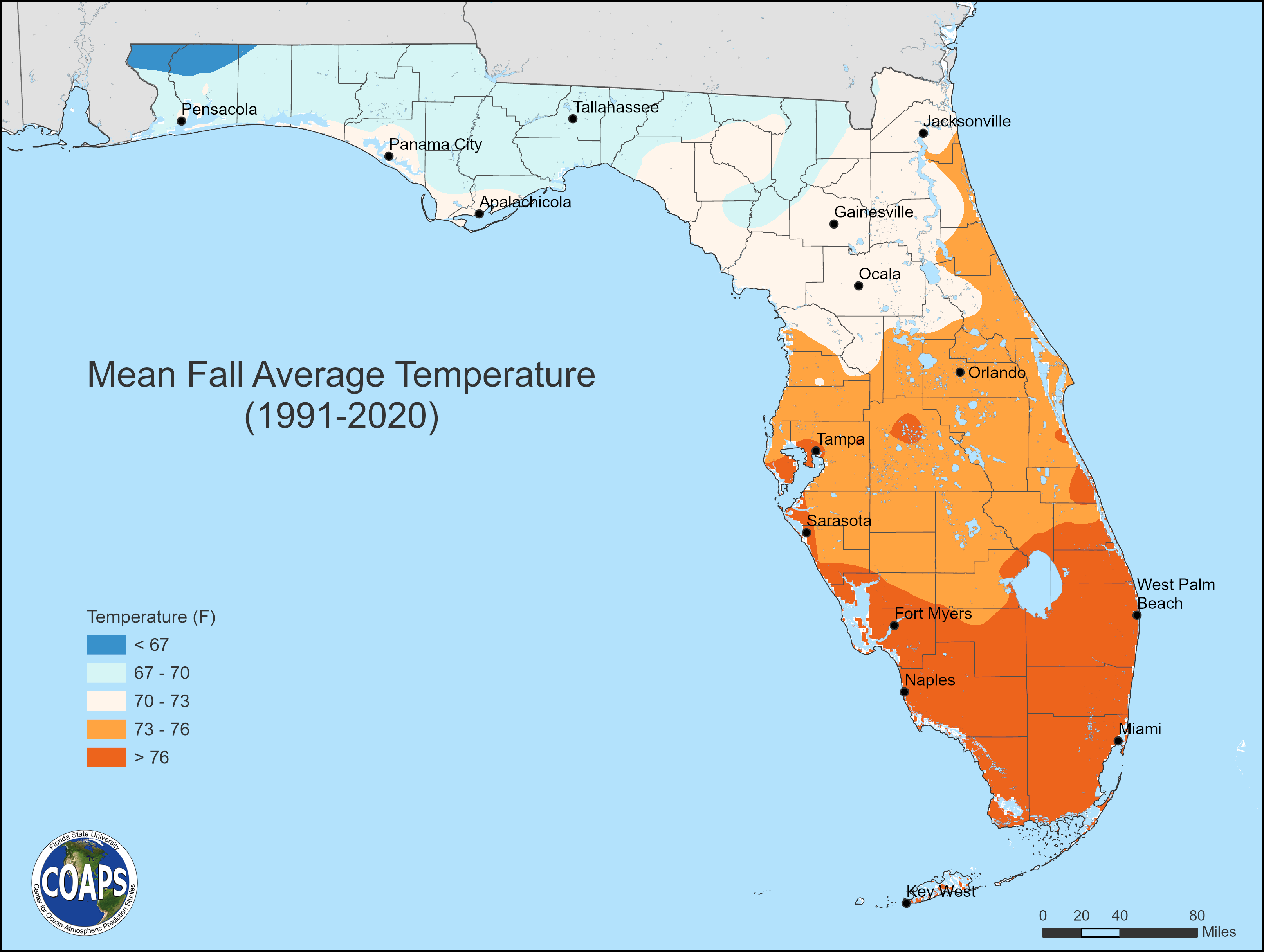
Autumn brings a welcome respite from the summer heat. Temperatures begin to cool down, especially in October and November, with averages still comfortably in the 70s and 80s Fahrenheit (20-30°C) in many areas. The humidity decreases, and the skies are often clear and sunny. This season is perfect for enjoying the outdoors, visiting landmarks, and experiencing local food and experiences. The risk of hurricanes also diminishes significantly by late autumn, making it a relatively safe and enjoyable time to travel.
Regional Temperature Variations Across Florida
Florida’s considerable north-south span means that temperatures can vary quite a bit from one end of the state to the other. While the entire state enjoys a warm climate, the differences are noticeable enough to influence travel plans and expectations.
North Florida: A Touch of Four Seasons
North Florida, encompassing cities like Tallahassee, Gainesville, and Pensacola, experiences the most distinct seasonal temperature variations. Winters here are cooler, with average daytime temperatures in the 60s Fahrenheit (15-20°C), and nighttime lows can dip into the 40s (4-10°C). Frost is not uncommon during winter nights. Summers are hot and humid, similar to the rest of the state, with highs in the high 80s and low 90s Fahrenheit (31-33°C). Spring and autumn offer pleasant transitions with mild temperatures, making them excellent times to visit. This region offers a different pace than the bustling southern cities, with a focus on natural beauty, historical sites, and a more relaxed lifestyle.
Central Florida: The Theme Park Hub
Central Florida, home to the world-famous theme parks in Orlando and the surrounding areas, generally enjoys warm temperatures year-round. Summers are very hot and humid, with temperatures consistently in the low to mid-90s Fahrenheit (32-35°C). The afternoon thunderstorms are a hallmark of the summer months. Winters are mild and very pleasant, with average highs in the 70s Fahrenheit (20-25°C). This makes it a prime time for park visits. Spring and fall offer ideal conditions, with comfortable temperatures and lower humidity, perfect for long days exploring attractions like SeaWorld Orlando or ICON Park.
South Florida: Tropical Paradise
South Florida, including the Miami metropolitan area, the Everglades, and the Florida Keys, is the most tropical part of the state. Summers are intensely hot and humid, with temperatures often in the low 90s Fahrenheit (32-35°C), feeling even hotter due to the high humidity. The rainy season extends from May through October. Winters are exceptionally mild and pleasant, often referred to as the “dry season.” Daytime temperatures typically range from the mid-70s to low 80s Fahrenheit (24-28°C), making it an ideal escape from colder climates. This region is known for its vibrant nightlife, beautiful beaches, and unique nature, offering a distinct flavor of Floridian culture.
Coastal vs. Inland Temperatures
Coastal areas in Florida generally experience slightly more moderate temperatures than inland regions. The proximity to the ocean helps to temper the extremes of heat and cold. Coastal breezes can provide a cooling effect during the hot summer months, while the ocean’s warmth can moderate the chill during winter. Inland areas, particularly in Central and North Florida, can experience hotter summer days and cooler winter nights due to a lack of oceanic influence. This difference is subtle but can be noticeable, especially for those sensitive to heat or cold.
Planning Your Trip Based on Florida’s Temperature
Understanding Florida’s temperature patterns is fundamental to planning a successful and enjoyable trip. Whether you’re looking for budget travel options or seeking luxury travel experiences, the weather will play a significant role.
Choosing the Best Time to Visit
The “best” time to visit Florida is subjective and depends on your priorities.
- For pleasant weather and fewer crowds: Late autumn (October-November) and late spring (April-May) are often ideal. You’ll experience comfortable temperatures, lower humidity, and fewer of the peak season crowds, though Easter can be busy.
- For warm winters and escaping the cold: December through March is perfect, especially for those coming from northern states. The southern part of the state remains particularly balmy.
- For theme park enthusiasts and families on summer break: Summer (June-August) is popular despite the heat and humidity, as it aligns with school holidays. Be prepared for the heat with proper hydration and indoor breaks.
- For budget travelers: The “off-season,” which can include parts of late summer and early autumn (outside of major holidays), often offers lower prices on hotels and flights. However, this is also the peak of hurricane season.
Packing Essentials for Florida’s Climate
Your packing list should be heavily influenced by Florida’s warm and often humid climate.
- Lightweight Clothing: Pack plenty of breathable fabrics like cotton and linen. T-shirts, shorts, sundresses, and lightweight pants are essential.
- Swimwear: With its extensive coastline and numerous pools, swimwear is a must-have.
- Sun Protection: A wide-brimmed hat, sunglasses, and high SPF sunscreen are crucial year-round.
- Rain Gear: A light, packable rain jacket or poncho is advisable, especially if traveling during the summer or hurricane season.
- Comfortable Walking Shoes: You’ll likely be doing a lot of walking, whether exploring theme parks, historical districts like Ybor City, or nature trails.
- Insect Repellent: Especially important for evenings or visits to natural areas like the Everglades during warmer months.
- A Light Sweater or Jacket: While generally warm, evenings can sometimes be cooler, particularly in North Florida during winter, or in heavily air-conditioned spaces.
Considering Activities and Accommodation
The temperature directly impacts the types of activities you can comfortably enjoy and the kind of accommodation you might prefer.
- Outdoor Activities: Beach days, swimming, boating, kayaking, and exploring parks are best enjoyed during the milder months (spring, autumn, and winter). During hot summers, these activities are still popular but require careful planning to avoid heatstroke.
- Indoor Attractions: Theme parks, museums in cities like St. Petersburg, shopping malls, and aquariums like SeaWorld Orlando are excellent options for escaping the heat or rain, regardless of the season.
- Accommodation Choices: Many resorts and hotels in Florida feature excellent amenities like large swimming pools, lazy rivers, and air-conditioned rooms, which become particularly valuable during the hot summer months. Consider villas with private pools for more control over your environment. For those seeking a long-term stay, understanding the seasonal weather is crucial for both comfort and cost. Apartments and extended-stay hotels can offer a comfortable base year-round.
By carefully considering Florida’s diverse temperatures and planning your trip accordingly, you can ensure a memorable and enjoyable experience in this captivating Sunshine State.
LifeOutOfTheBox is a participant in the Amazon Services LLC Associates Program, an affiliate advertising program designed to provide a means for sites to earn advertising fees by advertising and linking to Amazon.com. Amazon, the Amazon logo, AmazonSupply, and the AmazonSupply logo are trademarks of Amazon.com, Inc. or its affiliates. As an Amazon Associate we earn affiliate commissions from qualifying purchases.