
The allure of Fort Myers, Florida is undeniable, a sun-drenched gem nestled along the Gulf Coast. For travelers planning a visit, understanding the prevailing temperature is a cornerstone of a successful and enjoyable experience. Whether you’re dreaming of languid beach days, exploring vibrant local culture, or indulging in the luxury of a world-class resort, the climate of Fort Myers plays a pivotal role in shaping your itinerary and packing list. This guide delves into the nuances of Fort Myers weather, offering insights to help you tailor your trip to its diverse seasons.
The Sunshine State lives up to its name, and Fort Myers is no exception. Its subtropical climate is characterized by warm, humid summers and mild, pleasant winters, making it a year-round destination for many. However, “pleasant” can mean different things to different people, and the subtle shifts throughout the year are worth exploring to make the most of your Florida adventure. From the balmy embrace of summer to the gentle breezes of spring and fall, and the cooler, drier air of winter, each season offers a distinct flavor of the Fort Myers experience.
Understanding Fort Myers’ Seasonal Climate
Fort Myers experiences two primary seasons, punctuated by transitions that bring subtle yet significant changes to the weather patterns. These seasons are defined by temperature, humidity, and rainfall, all of which influence the types of activities best suited for each period.
Summer: The Peak of Heat and Humidity
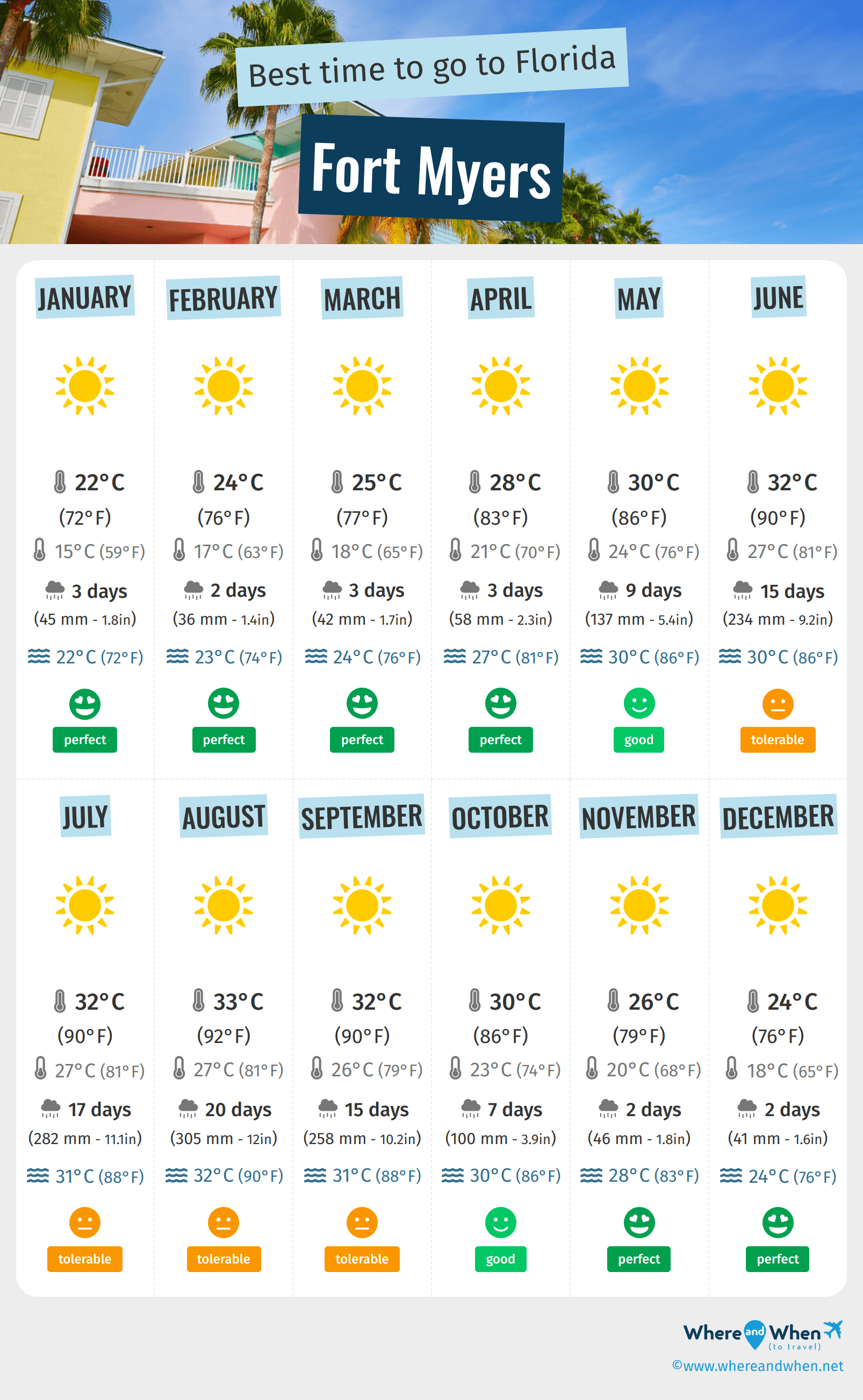
The summer months in Fort Myers, Florida, typically spanning from June through August, are characterized by high temperatures and significant humidity. Average daytime temperatures frequently reach the high 80s and low 90s Fahrenheit (around 31-33 Celsius), often feeling hotter due to the persistent humidity. Evenings offer little respite, with temperatures remaining in the 70s Fahrenheit (around 21-26 Celsius).
This season is also the wettest, with afternoon thunderstorms being a common occurrence. These storms are usually brief but intense, providing a temporary cooling effect before the heat and humidity return. While the heat can be a deterrent for some, it’s also the prime time for those who thrive in warm weather and enjoy activities like swimming, boating, and enjoying the vibrant nightlife that Fort Myers has to offer.
Activities During Summer
Despite the heat, summer is a fantastic time to explore the many attractions of Fort Myers. The abundant sunshine is perfect for days spent at the beach, such as Fort Myers Beach or Lovers Key State Park. Water sports are in full swing, with opportunities for kayaking, paddleboarding, and deep-sea fishing. The evening temperatures are ideal for outdoor dining at waterfront restaurants or enjoying live music.
For those seeking indoor diversions, Fort Myers offers a wealth of options. The Edison and Ford Winter Estates provide a fascinating glimpse into history and innovation, offering air-conditioned tours. The IMAG History & Science Center is another excellent choice for families, with interactive exhibits that are both educational and entertaining. Shopping at Bell Tower Shops or exploring the art galleries in the downtown area also provide welcome breaks from the sun.
Packing for Summer
When packing for a summer trip to Fort Myers, prioritize light, breathable clothing. Cotton and linen are excellent choices. Pack shorts, t-shirts, sundresses, and swimwear. A wide-brimmed hat and sunglasses are essential for sun protection. Don’t forget a light rain jacket or poncho for those afternoon showers. Comfortable walking shoes are a must for exploring, and flip-flops or sandals are perfect for the beach. For evenings, a light sweater or cardigan might be useful, though often not necessary.
Fall and Spring: The Shoulder Seasons of Comfort
The shoulder seasons – autumn (September through November) and spring (March through May) – are often considered the sweet spots for visiting Fort Myers, Florida. During these months, the temperatures are more moderate, and the humidity significantly decreases, making outdoor exploration and activities incredibly pleasant.
In the fall, temperatures gradually cool from the summer highs. September can still be quite warm and humid, but by October and November, daytime highs average in the mid-70s to low 80s Fahrenheit (around 24-28 Celsius), with evenings dropping into the comfortable 60s Fahrenheit (around 16-20 Celsius). Rainfall also diminishes, leading to sunnier days.
Spring mirrors this pleasant transition. March can still hold some of the cooler winter air, but by April and May, daytime temperatures climb back into the high 70s and low 80s Fahrenheit (around 26-28 Celsius). Humidity is generally lower than in the summer, and the skies are often clear.
Outdoor Adventures in Spring and Fall
These transitional seasons are perfect for experiencing the natural beauty and outdoor attractions of Fort Myers. Everglades National Park, a short drive away, is ideal for airboat tours and wildlife spotting during these milder months. Kayaking through the mangrove tunnels or exploring the barrier islands like Sanibel Island and Captiva Island are particularly enjoyable when the weather is not overwhelmingly hot.
The historic downtown area of Fort Myers, with its charming shops, restaurants, and the iconic River District, is best explored on foot during these temperate periods. You can stroll along the Caloosahatchee River and enjoy the vibrant atmosphere without feeling the oppressive heat of summer. Many local festivals and events also take place during the spring and fall, offering a chance to immerse yourself in the local culture.
Accommodation Choices During Shoulder Seasons
The popularity of Fort Myers during the spring and fall means that booking accommodation in advance is highly recommended. Travelers can choose from a wide array of options, catering to every budget and preference. Luxury resorts like the Hyatt Regency Coconut Point Resort and Spa offer extensive amenities, while charming boutique hotels and vacation rentals provide a more intimate experience. For families, the availability of spacious villas and apartments can be a significant advantage.
The mild weather also makes it an ideal time for longer stays, allowing visitors to truly settle in and explore the region at a leisurely pace. Many accommodations offer packages and amenities that cater to extended visits, making Fort Myers a viable option for a seasonal retreat or a working holiday.
Winter: The Dry and Mild Season
Winter in Fort Myers, Florida, generally from December through February, is a welcome contrast to the sweltering heat of summer. This is the driest period of the year, with significantly lower humidity and cooler, though still mild, temperatures. Daytime highs typically range from the mid-60s to low 70s Fahrenheit (around 18-23 Celsius), while nighttime lows can dip into the 50s Fahrenheit (around 10-15 Celsius).
This season is characterized by clear skies and abundant sunshine, making it a haven for “snowbirds” – visitors from colder climates seeking refuge from the winter chill. The comfortable temperatures are perfect for a wide range of outdoor activities without the need for heavy winter clothing.
Winter Activities and Attractions
The mild winter weather makes Fort Myers an excellent destination for outdoor enthusiasts. Golfing is particularly popular, with numerous championship courses offering stunning fairways and greens. Birdwatching is also a major draw, as the region’s diverse habitats attract a variety of avian species. Visiting the Ding Darling National Wildlife Refuge on Sanibel Island is a must for nature lovers.
Exploring the historical sites, such as the previously mentioned Edison and Ford Winter Estates, is more comfortable during the winter months. The beaches remain inviting for leisurely walks and collecting seashells, even if swimming might feel a bit cool for some. Many local events and farmers’ markets thrive during this season, offering a chance to experience the local lifestyle.
Planning a Winter Stay
Winter is peak season in Fort Myers, meaning accommodation prices can be higher, and booking well in advance is crucial, especially for popular resorts and beachfront properties. Visitors looking for budget-friendly options might consider staying slightly inland or looking at apartment rentals. The lifestyle in Fort Myers during winter leans towards relaxed exploration, enjoying the outdoors, and soaking in the sunshine.
Average Monthly Temperatures in Fort Myers
To provide a more granular understanding, here’s a general overview of the average temperatures you can expect in Fort Myers, Florida throughout the year. These are averages, and actual temperatures can fluctuate.
- January: Highs in the low 70s°F (around 22°C), lows in the low 50s°F (around 11°C).
- February: Highs in the mid-70s°F (around 24°C), lows in the mid-50s°F (around 13°C).
- March: Highs in the mid-70s°F (around 24°C), lows in the low 60s°F (around 16°C).
- April: Highs in the low 80s°F (around 28°C), lows in the mid-60s°F (around 18°C).
- May: Highs in the high 80s°F (around 31°C), lows in the low 70s°F (around 22°C).
- June: Highs in the low 90s°F (around 33°C), lows in the mid-70s°F (around 24°C).
- July: Highs in the low 90s°F (around 33°C), lows in the mid-70s°F (around 24°C).
- August: Highs in the low 90s°F (around 33°C), lows in the mid-70s°F (around 24°C).
- September: Highs in the high 80s°F (around 31°C), lows in the mid-70s°F (around 24°C).
- October: Highs in the mid-80s°F (around 29°C), lows in the low 70s°F (around 22°C).
- November: Highs in the mid-70s°F (around 24°C), lows in the 60s°F (around 16°C).
- December: Highs in the low 70s°F (around 22°C), lows in the low 50s°F (around 11°C).
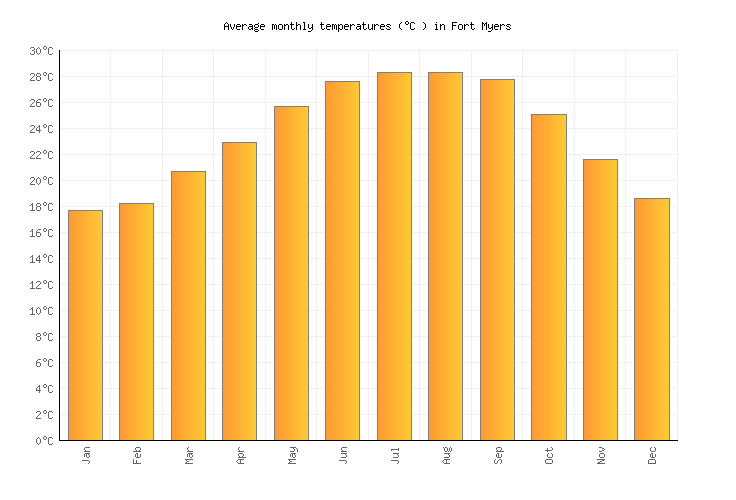
This data provides a clear picture of the gradual warming from winter to summer and the subsequent cooling in the fall. It highlights how the shoulder seasons offer a delightful climate for exploring the diverse attractions and experiences that Fort Myers and its surrounding areas have to offer.
Planning Your Fort Myers Getaway Based on Temperature
The temperature in Fort Myers, Florida is a critical factor in planning any visit, influencing not only what you pack but also the types of activities you can most enjoyably pursue. Whether you’re seeking the vibrant energy of a summer beach vacation, the serene beauty of a spring wildflower bloom, the colorful foliage of autumn, or the tranquil warmth of a winter escape, Fort Myers has something to offer year-round.
Optimizing Your Travel Style
- For the Sun Worshipper & Water Enthusiast: Summer is your prime time. Embrace the heat and humidity for the warmest ocean waters and the most bustling beach scene. Just remember your sunscreen and stay hydrated.
- For the Nature Explorer & Sightseer: Spring and Fall offer the most comfortable temperatures for extensive outdoor exploration. Hiking in Four Mile Cove Ecological Preserve, cycling along the coast, or visiting historical landmarks becomes a true pleasure.
- For the Relaxation Seeker & Wildlife Observer: Winter provides a mild, dry climate perfect for leisurely strolls, birdwatching, and enjoying the serene beauty of the region without the intensity of summer heat.

Choosing Your Accommodation
The time of year you visit can also impact your accommodation choices and budget. Peak season, typically winter and spring break, often sees higher prices for hotels and vacation rentals. Traveling during the summer or fall shoulder seasons might offer more competitive rates, allowing for a longer stay or an upgrade to a more luxurious suite or villa. Considering the temperature and your planned activities will help you select the perfect lodging, whether it’s a beachfront resort, a cozy apartment, or a secluded villa.
Ultimately, understanding the temperature in Fort Myers, Florida is the first step to crafting a memorable trip. With its appealing subtropical climate, Fort Myers invites visitors to experience its rich blend of natural beauty, historical significance, and vibrant lifestyle throughout the year.
LifeOutOfTheBox is a participant in the Amazon Services LLC Associates Program, an affiliate advertising program designed to provide a means for sites to earn advertising fees by advertising and linking to Amazon.com. Amazon, the Amazon logo, AmazonSupply, and the AmazonSupply logo are trademarks of Amazon.com, Inc. or its affiliates. As an Amazon Associate we earn affiliate commissions from qualifying purchases.