
For anyone living in, traveling through, or considering a longer stay in the vibrant Sunshine State of Florida, understanding the local electoral process, particularly early voting, can be surprisingly relevant. Whether you’re a snowbird enjoying an extended winter, a family planning a magical vacation to Walt Disney World Resort in Orlando, or a business traveler on a temporary assignment, the flexibility offered by early voting can significantly impact your schedule and ensure your voice is heard. Florida, a state renowned for its diverse landscapes, from the bustling urban hubs of Miami and Tampa to the serene beaches of Sarasota and Naples, attracts millions annually. This constant influx of people, coupled with a significant population of seasonal residents, makes the state’s approach to voting particularly important for those managing dynamic lifestyles and travel itineraries.
Early voting is a cornerstone of accessibility in Florida, designed to accommodate the varied schedules of its residents and those who call it a temporary home. It provides an extended window beyond just Election Day, allowing individuals to cast their ballots at designated polling places over several days or even weeks. This option is especially beneficial for tourists who might be visiting during an election, long-term visitors who have established residency, or anyone whose travel plans, work commitments, or family obligations make voting on a single specific day challenging. Integrating civic responsibility with the pursuit of leisure or business in the Sunshine State requires a clear understanding of these provisions. This guide will delve into the specifics of early voting in Florida, outlining key dates, eligibility, and how this process intertwines with the unique lifestyle and travel experiences the state offers.
Navigating Florida’s Early Voting Landscape for Travelers and Residents Alike
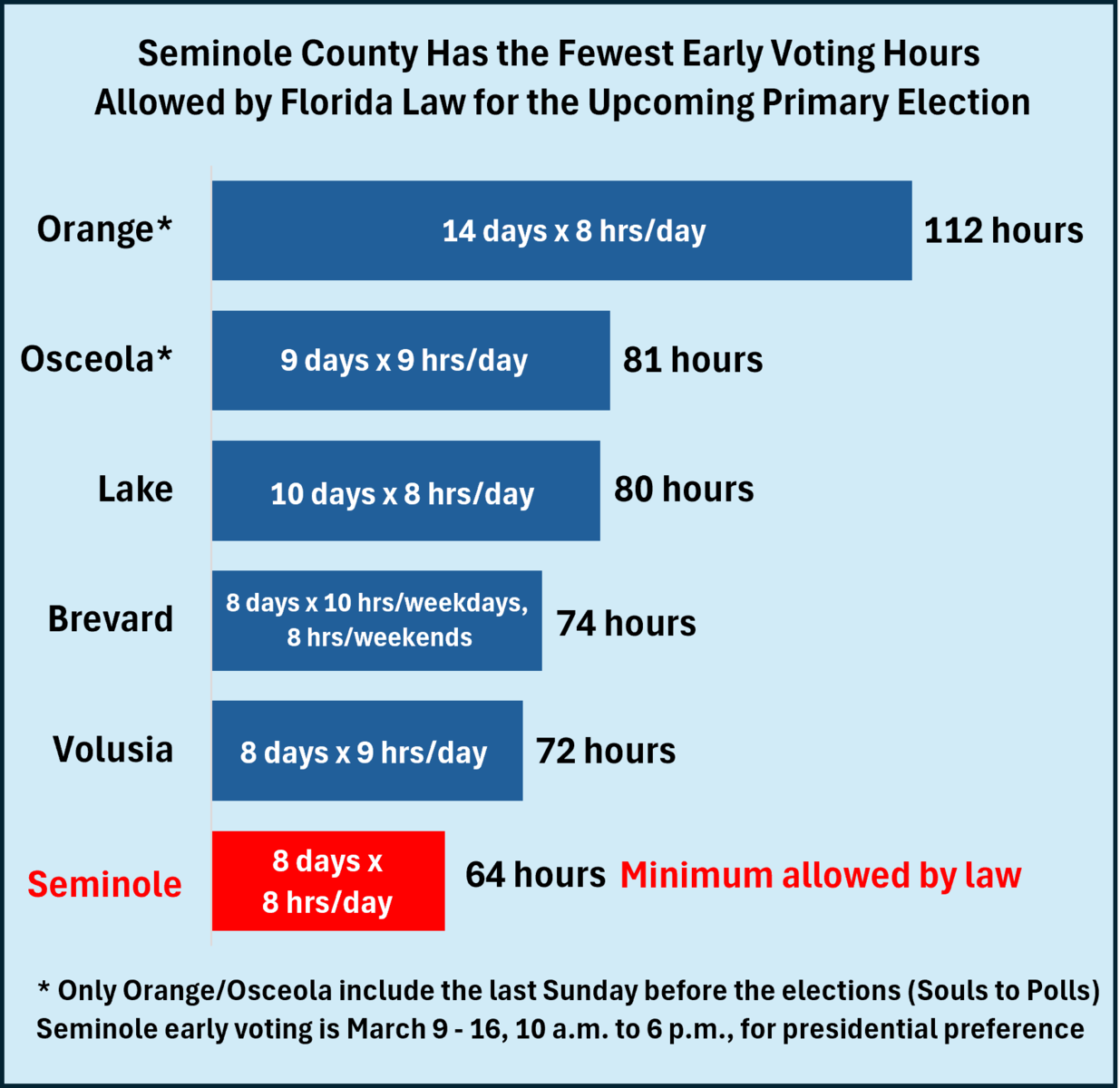
Understanding the precise timeframe for early voting is the first step for any eligible voter in Florida. Unlike the single Election Day, early voting periods are established to provide convenience and alleviate congestion at polling places. However, these dates are not static; they can vary based on the type of election (e.g., primary, general, special) and, crucially, by individual county. This localized variation means that while the state sets general guidelines, the exact start and end dates, as well as the hours of operation for early voting sites, are determined and announced by each county’s Supervisor of Elections. For someone planning a trip to a specific destination like Fort Lauderdale or considering a longer stay in a resort in Southwest Florida, checking the county-specific information is paramount.
For general elections in Florida, the early voting period typically commences 10 days before Election Day and concludes on the third day before Election Day. This often translates to a window of about eight days. For primary elections, the timeframe is usually shorter, often beginning 8 days before Election Day and ending on the third day before. Special elections, which are called for specific purposes like filling an unexpected vacancy, may have their own unique early voting schedules. This flexibility is a huge advantage for those with unpredictable schedules, such as business travelers frequently moving between cities like Jacksonville and Miami, or families whose itineraries for theme parks like Universal Studios Florida leave little room for an Election Day visit to a precinct. Being aware of these windows allows for strategic planning, ensuring that civic duty doesn’t interrupt meticulously planned travel or relaxation.
Key Dates and Deadlines: Planning Your Florida Stay Around Elections
The first and most critical piece of information for any voter in Florida is the specific early voting calendar for their registered county. While the state mandates a minimum number of early voting days, counties have the discretion to offer additional days, which can extend the window even further. This means that a voter in Palm Beach County might have a slightly different schedule than someone in St. Petersburg or Key West. Therefore, the golden rule for anyone keen on voting early is to consult the official website of their county’s Supervisor of Elections well in advance of an election. These websites provide precise dates, times, and a comprehensive list of early voting locations. For travelers or those staying in temporary accommodations like villas or apartments, this advance knowledge can be integrated into their itinerary planning. For instance, if you’re visiting Central Florida for a week-long vacation, knowing the early voting window allows you to allocate a specific time slot, perhaps between a morning at Busch Gardens Tampa Bay and an evening exploring local cuisine, to cast your ballot. This proactive approach ensures that the convenience of early voting is fully utilized, harmonizing electoral participation with the vibrant Florida lifestyle.
Options for Casting Your Ballot: In-Person Early Voting vs. Vote-by-Mail
Florida offers two primary methods for early voting: in-person at designated early voting sites and vote-by-mail (formerly known as absentee voting). Both options are designed to provide flexibility, catering to different preferences and logistical needs.
In-Person Early Voting: This method allows registered voters to cast their ballot at specific early voting sites, which are typically centrally located and easily accessible within the county. These sites are often found in public buildings, libraries, community centers, or even temporary structures, and operate with extended hours compared to Election Day precincts. The benefit here is the ability to resolve any potential issues with your ballot on the spot with the assistance of trained poll workers. For tourists, snowbirds, or those enjoying long-term stays in various Florida destinations, finding an early voting site near their hotel, resort, or accommodation is usually straightforward. For example, if you’re staying at a Hyatt Regency Orlando or JW Marriott Orlando, Grande Lakes, you can easily locate a nearby early voting site to complete your civic duty before heading to Walt Disney World or Universal Orlando Resort. Remember to bring a valid photo and signature identification (e.g., Florida driver’s license, passport) as required.
Vote-by-Mail: This option provides the utmost flexibility, allowing registered voters to receive their ballot by mail and return it via mail or by dropping it off at designated secure drop boxes, often located at early voting sites or the Supervisor of Elections’ office. This method is particularly advantageous for those who travel frequently, spend extended periods out of their home county, or prefer the convenience of voting from their hotel suite, villa, or seasonal apartment. To vote by mail, you must request a ballot from your county’s Supervisor of Elections. This request can typically be made online, by phone, or in writing. Ballots are usually mailed out several weeks before the election, providing ample time to receive, complete, and return them. It’s crucial to ensure your ballot is received by the Supervisor of Elections no later than 7 p.m. on Election Day. For individuals whose lifestyle involves significant travel, perhaps bouncing between a Hilton Orlando Bonnet Creek and a vacation rental on Amelia Island, vote-by-mail offers a seamless way to participate without disrupting their plans.
Who Can Vote Early in Florida? Eligibility for Snowbirds, Tourists, and Newcomers
Eligibility for voting in Florida, including early voting, is fundamentally tied to voter registration. To be eligible, an individual must be a citizen of the United States, at least 18 years old, and a legal resident of Florida. Additionally, they must not have been adjudicated mentally incapacitated with respect to voting, and not have been convicted of a felony without their voting rights having been restored. These are standard requirements, but for the diverse population Florida attracts—ranging from seasonal residents to extended-stay tourists and new permanent residents—the concept of “legal resident of Florida” often requires closer examination. This is particularly pertinent for individuals who maintain homes in multiple states or who spend a significant portion of the year in the Sunshine State for leisure or business.
The key distinction for many is establishing their primary residence. While one can own property in Florida and spend several months there, to vote in Florida elections, it must be legally recognized as your primary domicile. This means you generally cannot vote in Florida if you are also registered to vote and cast ballots in another state. The state’s election laws are designed to prevent dual voting and ensure that each eligible citizen votes in the jurisdiction where they legally reside. Therefore, whether you’re a long-term guest at The Breakers Palm Beach or renting a villa in St. Augustine for several months, understanding how your residency status impacts your voting rights is crucial. The convenience of early voting is there for those who meet the criteria, providing an inclusive system for all eligible participants, regardless of their lifestyle or temporary dwelling.
Establishing Residency: What You Need to Know
For snowbirds, retirees, and others who split their time between Florida and another state, establishing legal residency for voting purposes in Florida requires a conscious decision and often a few administrative steps. It’s not enough to simply own property or spend winter months in a Florida condominium. To be a “legal resident” for voting, Florida must be your primary home, the place where you intend to return whenever you are away. Indicators of establishing Florida as your legal residence can include obtaining a Florida driver’s license or state identification card, registering your vehicle in Florida, declaring Florida as your permanent residency for tax purposes, and updating your mailing address for financial and legal documents. It’s also critical to cancel your voter registration in any other state once you’ve decided to make Florida your primary voting domicile.
Once you’ve established your legal residency, you can register to vote in Florida through the Supervisor of Elections office, online, or at various government agencies. The deadline to register is typically 29 days before any election. For someone settling into a seasonal accommodation at The Ritz-Carlton, Amelia Island or a long-term apartment in South Florida, understanding these requirements in advance is essential. The process is designed to be straightforward for legitimate residents, ensuring that the state’s vibrant seasonal population can fully participate in local and statewide elections if Florida is indeed their intended primary home.
Special Considerations for Temporary Stays and Long-Term Visitors
For individuals on truly temporary stays, such as short-term tourists visiting Everglades National Park or business travelers on assignments lasting a few weeks, the rules are clearer: if Florida is not your legal primary residence, you cannot vote in Florida elections. Your voting rights remain tied to your primary state of residence. However, this doesn’t mean your civic duty is ignored. If you are a registered voter elsewhere and find yourself in Florida during an election, you might still be able to cast an absentee ballot for your home state’s election, depending on their specific rules. Many states offer mechanisms for out-of-state voting, and it’s always best to check with your home state’s election officials.
For those planning long-term visits, perhaps staying at the Fontainebleau Miami Beach for several months or a vacation rental in the Panhandle, the line between “temporary” and “resident” can blur. If your intention is to establish Florida as your new permanent home, even if you still maintain connections elsewhere, the steps outlined above for establishing residency are crucial. The overarching principle is one person, one vote, in one primary jurisdiction. Florida’s early voting system is a welcoming feature for those who genuinely call the state home, whether permanently or as their primary seasonal residence, allowing them to integrate their civic responsibilities with their chosen lifestyle in this dynamic state.
Making the Most of Your Florida Visit During Election Season
Visiting Florida during an election season doesn’t have to mean putting your travel plans on hold to fulfill your civic duty. On the contrary, Florida’s robust early voting system is designed to seamlessly integrate electoral participation with the varied experiences the state offers. For many, a trip to the Sunshine State is about relaxation, adventure, or cultural immersion. By understanding and utilizing the early voting options, eligible residents—including snowbirds and those on extended stays—can effectively combine their civic responsibility with exploring Florida’s renowned attractions and hidden gems. Imagine spending a morning at the Kennedy Space Center Visitor Complex, then stopping at a nearby early voting site on your way to enjoy the beaches of the Space Coast. This blend of practical duties and enriching experiences is entirely feasible thanks to the flexibility of early voting.
The goal is to ensure that your commitment to democracy doesn’t detract from your enjoyment of Florida’s unique charm. Whether you’re indulging in luxury travel, sticking to a budget travel plan, or organizing a family trip, early voting can be factored into your itinerary with minimal disruption. It’s an aspect of local culture and life that, when understood, can enhance your overall experience by connecting you more deeply with the community you’re temporarily (or permanently) calling home. By planning ahead and leveraging the available resources, voters can ensure their voice is heard while still savoring every moment of their Florida adventure, from theme park thrills to tranquil beach sunsets.
Combining Civic Duty with Sunshine State Exploration
The beauty of early voting in Florida lies in its ability to offer convenience that complements a travel-rich lifestyle. Instead of rushing to a specific precinct on a single Tuesday, you have a multi-day window to cast your ballot at various accessible locations. This flexibility is a boon for those who have carefully crafted their travel guides and itineraries. For instance, if you’re on a road trip exploring the historic streets of St. Augustine and its Castillo de San Marcos, you can easily find an early voting site in the area. A quick stop can be incorporated into a day of sightseeing, allowing you to seamlessly transition from fulfilling your civic duty to enjoying the local culture and attractions.
Similarly, families on vacation in Orlando might find early voting locations conveniently situated near their resort or even on their way to major attractions. Imagine a morning enjoying the magic of Walt Disney World, followed by a brief, efficient stop at an early voting site, and then an afternoon relaxing by the pool at your hotel like Loews Portofino Bay Hotel. This approach allows visitors to maximize their travel experiences without the stress of adhering to strict Election Day schedules. It’s about leveraging the practicalities of Florida’s electoral system to enhance, rather than detract from, your leisure or business stay, making the most of every moment in this dynamic state.
Finding Early Voting Locations Near Top Destinations
Finding an early voting location close to your hotel, resort, or current base of operations in Florida is typically straightforward. County Supervisors of Elections offices are meticulous about publishing comprehensive lists of early voting sites, complete with addresses and hours of operation, on their official websites. These sites are often strategically placed in public buildings, community centers, and libraries, making them readily accessible from popular tourist destinations and residential areas alike.
For example, if you’re enjoying the vibrant nightlife and beaches of Miami, a quick search on the Miami-Dade County Supervisor of Elections website will show early voting locations scattered throughout the city, from downtown areas to coastal communities. Visitors staying in South Florida could find a site near a famous beach or cultural landmark. Similarly, for those exploring the natural beauty of Siesta Key Beach in Sarasota, local voting sites would be listed by the Sarasota County Supervisor of Elections. Many of these locations are near major transportation routes, making them easy to reach whether you’re driving your rental car or using ride-sharing services. This integration of civic infrastructure with the geographic layout of Florida’s most popular areas underscores the state’s commitment to voter accessibility, even for those whose primary focus is on experiencing the best of Florida travel and tourism. By familiarizing yourself with these resources, you can efficiently fulfill your voting obligations and then return to enjoying your Florida adventures, from theme parks to pristine natural attractions.
The Broader Impact: Why Early Voting Matters for Florida’s Diverse Population
Early voting in Florida is more than just a matter of convenience; it represents a fundamental commitment to accessibility and robust democratic participation for one of the most diverse and dynamic states in the United States. With its melting pot of cultures, a significant population of retirees and snowbirds, bustling tourist destinations, and a constantly evolving business landscape, Florida presents unique challenges and opportunities for electoral engagement. The provision of multiple days and locations for casting ballots helps mitigate common barriers to voting, such as work schedules, childcare responsibilities, transportation issues, and the complexities of managing life across different seasons or locations. For a state where a substantial portion of the population might be on vacation in Orlando, conducting business in Tampa, or enjoying a long-term stay in the Panhandle, early voting ensures that geographic or temporal constraints are less likely to disenfranchise eligible voters.
This system reinforces the idea that participation in democracy should be as inclusive as possible, reflecting the varied lifestyles and commitments of Florida’s residents. From young professionals juggling demanding careers to senior citizens who value ease of access, and from families balancing school and extracurricular activities to seasonal residents managing two households, early voting offers a practical solution. It underscores Florida’s understanding of its unique demographic makeup and its proactive approach to fostering civic engagement across all segments of its population, regardless of their daily routines or travel patterns.
Enhancing Accessibility for All Lifestyles
The early voting framework significantly enhances accessibility across a spectrum of lifestyles. For busy professionals and individuals with unpredictable work hours, the extended window means they don’t have to choose between their job and their right to vote. They can visit a polling place during off-peak hours or on a weekend, integrating voting into their schedule rather than disrupting it. This is particularly valuable in a state with major economic hubs like Miami and Orlando, where the pace of life can be very fast.
Similarly, for families, early voting simplifies the logistics of bringing children to the polls or arranging childcare on a specific day. It provides the flexibility to choose a time that works best, making the voting experience less stressful. For Florida’s large population of retirees and snowbirds, who may have mobility challenges or prefer to avoid crowds, early voting offers a more relaxed and accommodating environment. They can visit polling sites during quieter periods, often benefiting from shorter lines and more personalized assistance. For those managing long-term stays in various accommodations across the state, from a quiet villa in Naples to a bustling apartment in Fort Lauderdale, early voting removes the geographical pressure of being tied to a specific Election Day precinct. This universal enhancement of accessibility demonstrates Florida’s commitment to ensuring that every eligible voice, irrespective of their unique lifestyle, can be heard.
Ensuring a Smooth Experience for Every Voter
Beyond mere accessibility, early voting contributes significantly to a smoother, more efficient electoral process overall. By spreading out the voting load over several days, it reduces the pressure on Election Day precincts, leading to shorter lines and less waiting time for all voters. This efficiency is a critical factor in ensuring a positive voting experience, which in turn encourages greater participation. For travelers or those on temporary assignments who may be less familiar with local precinct locations or procedures, the dedicated early voting sites often have highly visible signage and trained staff specifically focused on the early voting process, making it less intimidating.
Moreover, early voting provides an opportunity for voters to address any registration issues or questions they might have before Election Day, minimizing potential problems. If a voter’s information is incorrect or they are unsure of their eligibility, visiting an early voting site allows them to clarify and potentially resolve these issues with election officials, thereby preventing last-minute surprises. This proactive problem-solving capability is invaluable for anyone, particularly those whose residency status or travel plans might add a layer of complexity. Ultimately, Florida’s early voting system is a testament to its commitment to an inclusive democracy, designed to cater to the diverse needs and dynamic lifestyles of its residents and those who make the Sunshine State their temporary home, ensuring that their civic duty can be fulfilled with convenience and confidence.
LifeOutOfTheBox is a participant in the Amazon Services LLC Associates Program, an affiliate advertising program designed to provide a means for sites to earn advertising fees by advertising and linking to Amazon.com. Amazon, the Amazon logo, AmazonSupply, and the AmazonSupply logo are trademarks of Amazon.com, Inc. or its affiliates. As an Amazon Associate we earn affiliate commissions from qualifying purchases.