
Florida, often dubbed the “Sunshine State,” lives up to its name with a climate that draws millions of visitors year-round. From the sprawling metropolises of Miami and Orlando to the tranquil beaches of the Florida Keys and the natural wonders of the Everglades, the weather plays a pivotal role in shaping the experience of any traveler. Understanding Florida’s diverse climate patterns is crucial for planning the perfect vacation, whether you’re seeking thrilling theme park adventures, relaxing resort getaways, or immersive cultural explorations.
The state’s geography, stretching over 400 miles north to south, contributes to subtle regional variations in temperature and precipitation. While generally warm and humid, the northern parts of Florida experience more distinct seasons than the southern tip. This climatic mosaic influences everything from the types of activities available to the best times for booking accommodations and experiencing local attractions. For those considering a trip, grasping the nuances of Florida’s weather can unlock a more enjoyable and memorable journey.

Understanding Florida’s Climate Zones and Seasons
Florida’s climate is predominantly subtropical, with a distinct wet season and dry season. However, the state’s considerable north-south stretch means there’s a gradient from a humid subtropical climate in the north to a tropical monsoon climate in the south. This distinction is important for understanding seasonal variations, particularly concerning temperature extremes and the likelihood of tropical weather events.
The Subtropical North: A Hint of Four Seasons
In Northern Florida, including cities like Jacksonville and the Florida Panhandle, residents and visitors can experience a more pronounced sense of four seasons. Winters are generally mild, with average temperatures ranging from the low 40s to the low 60s Fahrenheit (around 5-17°C). While frost is possible, snow is exceptionally rare. This cooler period is ideal for outdoor activities like hiking in state parks or exploring historic sites without the intense heat of summer. Spring arrives with blooming flora and pleasant temperatures, perfect for exploring attractions like St. Augustine.
Summers in Northern Florida are hot and humid, with temperatures frequently reaching the upper 80s and 90s Fahrenheit (around 31-37°C). Afternoon thunderstorms are a common occurrence, providing brief but intense bursts of rain that can cool things down temporarily. Autumn offers a welcome respite from the summer heat, with crisp air and comfortable temperatures, making it a prime time for enjoying the vibrant foliage in areas like the Ocala National Forest or attending local festivals.
The Tropical South: A Year-Round Warmth
South Florida, encompassing areas like Miami, Fort Lauderdale, and Naples, boasts a truly tropical climate. Winters are exceptionally mild, with average temperatures hovering between the mid-60s and mid-70s Fahrenheit (around 18-24°C). Freezing temperatures are virtually nonexistent, making this region a popular winter escape for those seeking warmth and sunshine. The dry season, typically from November to April, offers sunny days and lower humidity, creating ideal conditions for beach-going, exploring the Vizcaya Museum and Gardens, or enjoying outdoor dining.
The wet season in South Florida runs from May to October. During these months, temperatures consistently range from the mid-70s to the mid-80s Fahrenheit (around 24-29°C), accompanied by high humidity. As in the north, daily afternoon thunderstorms are a characteristic feature, often occurring as brief, intense downpours followed by sunshine. While this period can bring heat and humidity, it’s also the time when lush vegetation is at its most vibrant, and the ocean waters are warmest, perfect for diving and snorkeling in places like Key West.
Navigating Florida’s Seasons for Travel and Activities
The weather in Florida significantly dictates the optimal times for various travel experiences, influencing everything from theme park crowds to the availability of certain outdoor activities. Understanding these seasonal patterns can help travelers make informed decisions about when to book their accommodations and plan their itineraries.
Peak Season (December – April): The Dry Season Delight
The period from December to April is widely considered Florida’s peak tourist season, largely due to the pleasant, dry weather. The northern parts of the state enjoy mild, cool-to-warm days, while South Florida experiences its most comfortable temperatures with low humidity. This makes it an ideal time for visiting popular attractions like Walt Disney World Resort in Orlando, exploring the theme parks, enjoying the beaches, or embarking on cruises from ports like Port Canaveral. The mild weather also supports numerous festivals and outdoor events across the state.
However, this popularity comes with higher prices for flights and accommodations, as well as larger crowds at major attractions. Booking hotels and theme park tickets well in advance is highly recommended. For those seeking a more relaxed experience, consider visiting during the shoulder months of late April or early May, or late November.
Shoulder Seasons (May and November): Sweet Spots for Value and Comfort
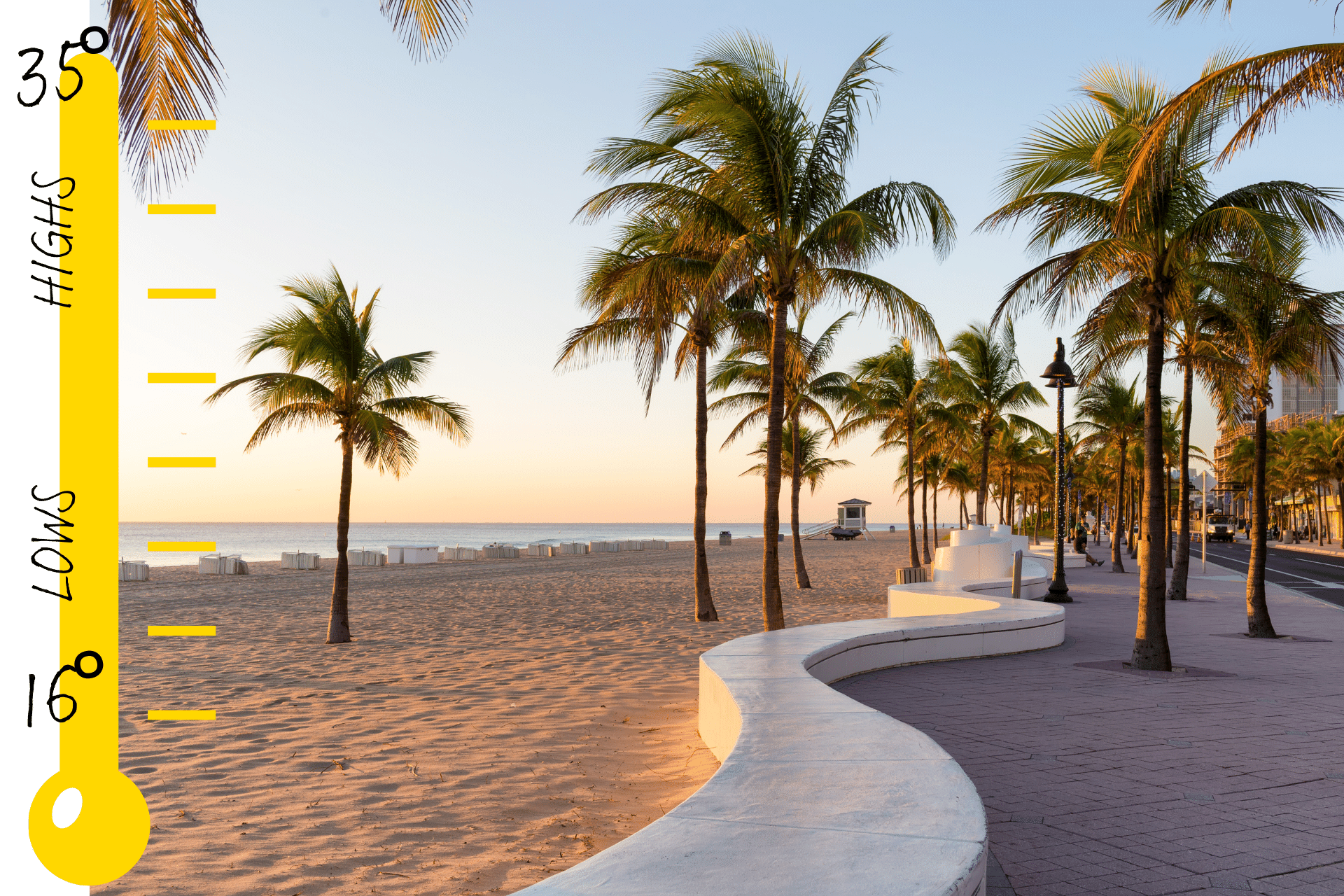
The shoulder seasons, typically May and November, offer a compelling balance of favorable weather and fewer crowds. In May, the transition into the wet season begins, bringing warmer temperatures and the start of those characteristic afternoon showers. This can be a great time to enjoy the beaches and outdoor activities before the peak of summer heat and humidity sets in.
November marks the beginning of the dry season, offering pleasant temperatures and lower humidity across much of the state. The holiday season is just around the corner, but the crowds haven’t quite reached their peak. These months can provide a more relaxed atmosphere for exploring cities, visiting natural attractions, and enjoying the local cuisine without the intense heat or the throngs of holiday travelers. It’s a strategic time for budget-conscious travelers or those who prefer a more laid-back vacation pace.
Off-Peak Season (June – October): Embracing the Heat and Tropical Rains
The period from June through October represents Florida’s off-peak season, primarily characterized by hot temperatures, high humidity, and the daily afternoon thunderstorms of the wet season. July and August can be particularly hot, with temperatures often exceeding the low 90s Fahrenheit (around 32°C), coupled with humidity that makes it feel even warmer.
This season also coincides with hurricane season, which officially runs from June 1st to November 30th, with the highest activity typically occurring from August through October. While the risk of a major storm is relatively low on any given day, travelers should remain aware of weather forecasts and have flexible travel plans.
Despite the heat and potential for rain, the off-peak season offers significant advantages for budget travelers. Accommodation and flight prices are often at their lowest, and attractions are less crowded. The warm ocean temperatures are perfect for swimming and water sports. For those who don’t mind the humidity and can plan around potential rain showers, this period can offer excellent value and a more authentic, less commercialized experience, especially in areas like the Florida Keys or for exploring the unique ecosystem of the Everglades. Many resorts, such as the Ritz-Carlton, Naples, offer discounted rates during these months.
Planning Your Florida Adventure: Weather-Wise Tips
To make the most of your Florida experience, regardless of the season, a little weather-wise planning goes a long way. From packing essentials to choosing accommodations and activities, aligning your plans with the expected climate can significantly enhance your trip.
Packing for the Sunshine State
Florida’s climate demands a wardrobe focused on light, breathable fabrics. For most of the year, especially during the warmer months, packing shorts, t-shirts, sundresses, and comfortable walking shoes is essential. Don’t forget swimwear, sunscreen with a high SPF, sunglasses, and a wide-brimmed hat to protect yourself from the strong sun.
Even during the cooler winter months in North Florida, a light jacket or sweater is usually sufficient. For the summer and wet season, a lightweight, waterproof jacket or a poncho is a wise addition to fend off those sudden downpours. If you plan on visiting theme parks like Universal Orlando Resort, comfortable shoes are paramount for extensive walking. For those venturing into the Everglades, insect repellent is a must.
Accommodation and Activity Considerations
When booking your accommodation, consider the time of year and the type of experience you desire. During the peak season, resorts in popular destinations like Clearwater Beach or Palm Beach can fill up quickly. Booking in advance, especially for luxury hotels or private villas, is crucial. Many hotels offer pools and indoor amenities that can be enjoyed even on days with inclement weather.
For activities, be flexible. If you’re visiting during the wet season, schedule outdoor excursions for the morning and plan for indoor attractions like museums, aquariums (such as the Florida Aquarium in Tampa), or shopping malls for the afternoon. Theme parks often have indoor shows and attractions that can be a good escape from the heat or rain. If a hurricane watch or warning is issued, always prioritize safety and follow the guidance of local authorities and your accommodation provider. Many travel insurance policies offer coverage for weather-related disruptions.

Embracing the Local Lifestyle
Florida’s lifestyle is deeply intertwined with its weather. During the cooler, drier months, outdoor dining, beach activities, and exploring charming towns like Mount Dora are at their peak. In the heat of summer, many Floridians embrace indoor activities or take advantage of the late afternoon rains to cool off. The beach culture is strong year-round, with locals and tourists alike enjoying the vast coastline.
Experiencing local food, whether it’s fresh seafood in Key West or Cuban cuisine in Miami, is often best enjoyed when the weather is conducive to leisurely strolls and outdoor seating. Understanding the rhythm of the seasons will allow you to immerse yourself more fully in the authentic Florida lifestyle, from lively spring break celebrations to the tranquil beauty of a sunset over the Gulf of Mexico. Whether you’re planning a family trip to the theme parks, a romantic getaway to a beachfront resort like the Don CeSar, or an adventure into the unique natural landscapes, the weather in Florida is an ever-present, yet manageable, element of the Sunshine State experience.
LifeOutOfTheBox is a participant in the Amazon Services LLC Associates Program, an affiliate advertising program designed to provide a means for sites to earn advertising fees by advertising and linking to Amazon.com. Amazon, the Amazon logo, AmazonSupply, and the AmazonSupply logo are trademarks of Amazon.com, Inc. or its affiliates. As an Amazon Associate we earn affiliate commissions from qualifying purchases.