
Florida, the Sunshine State, beckons millions of travelers each year with its sun-drenched beaches, vibrant theme parks, and a lively nightlife that often includes enjoying a refreshing beverage. Whether you’re planning a relaxing getaway to the Florida Keys, an action-packed family adventure in Orlando, or a sophisticated urban escape to Miami, understanding local regulations, such as alcohol sales hours, is crucial for a smooth and enjoyable experience. This guide delves into the nuances of when alcohol sales cease across the Sunshine State, helping you plan your evenings without any unwelcome surprises.

Understanding Florida’s alcohol sales laws is not as straightforward as a single statewide mandate. Much like the diverse experiences offered by its many cities and counties, the rules governing when businesses can sell alcohol vary. This means that a late-night cocktail in South Beach might be readily available, while the same desire in a more rural part of the state could be met with an earlier cutoff. This regional variation stems from Florida’s system of local option laws, which empower individual counties and municipalities to determine their own regulations regarding the sale of alcoholic beverages.
The primary factor determining these hours is usually the classification of the sale: whether it’s from a package store (for off-premise consumption) or a bar and restaurant (for on-premise consumption). Generally, the hours for package liquor stores tend to be more restrictive than those for establishments where alcohol is consumed on-site. This distinction is important for travelers who might be looking to purchase a bottle of wine to enjoy at their resort or in their vacation rental.
Understanding Florida’s Alcohol Sales Framework
Florida’s approach to alcohol sales hours is characterized by a tiered system that balances public interest with the operational needs of businesses. At the state level, there are general guidelines, but the real flexibility lies at the local level. This allows for a dynamic and adaptable regulatory environment that can cater to the specific character and needs of different communities.
State-Level Guidelines and Local Control
The Florida Division of Alcoholic Beverages and Tobacco (ABT) oversees the state’s alcohol regulations. While the state sets some foundational rules, it largely delegates the authority to set specific sales hours to local governments. This means that the time you can purchase alcohol can differ significantly from one city to another, and even between different counties. For instance, a vibrant city like Tampa might have different hours than a quieter town in Northwest Florida.
Generally, the state permits alcohol sales from 7 a.m. until midnight on weekdays and Saturdays, and from 11 a.m. to midnight on Sundays. However, this is the maximum permissible hours. Local ordinances can, and often do, impose earlier closing times. Some counties or municipalities may opt for an outright ban on Sunday alcohol sales, while others might permit it without restriction. This is a critical point for travelers to remember – if you’re planning to stock up for a Sunday brunch or evening by the pool, it’s always best to check the local regulations.
The concept of “local option” is central to understanding Florida’s alcohol laws. It allows counties and cities to vote on whether to permit the sale of alcohol and, if so, under what conditions. This can lead to a patchwork of regulations across the state. For example, you might find that alcohol sales in a beach town like Clearwater are permitted later into the evening than in a more inland community. This local control extends to various aspects, including the types of alcohol sold (e.g., beer and wine vs. full spirits), days of sale, and, most pertinent to our discussion, the specific hours of operation.
Package Stores vs. On-Premise Consumption
A key distinction in Florida’s alcohol sales laws lies between establishments selling alcohol for consumption off-premise (package stores, liquor stores, grocery stores selling wine and beer) and those selling for consumption on-premise (bars, restaurants, resorts, hotels).
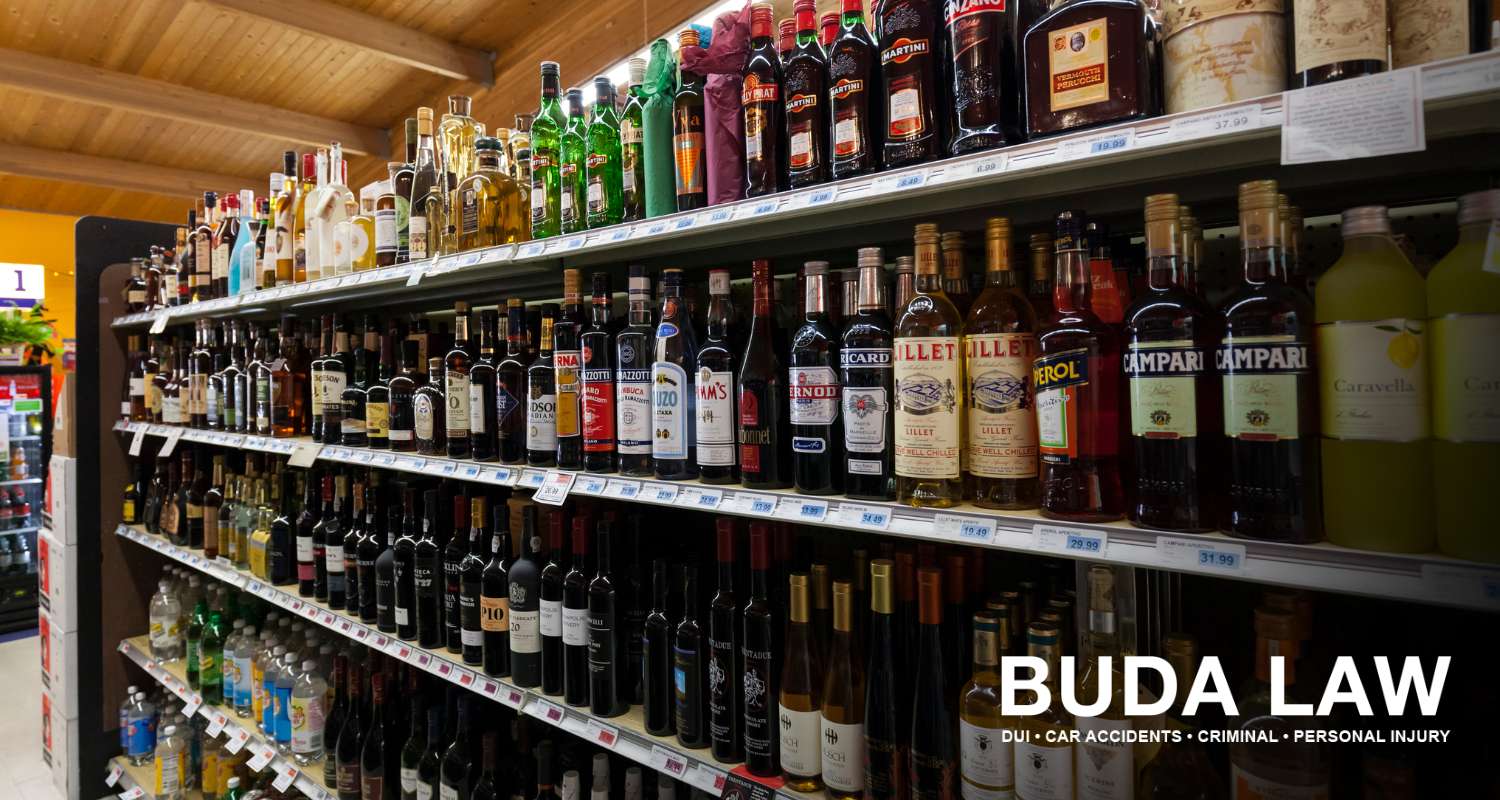
Package Stores: These establishments, which sell unopened bottles of wine, spirits, or beer to be taken home, typically have more restrictive hours. Many counties and cities in Florida mandate that package liquor stores close by 10 p.m. or 11 p.m. on all days, including weekends. This is to discourage late-night purchases for home consumption, which might be associated with increased public intoxication or noise disturbances. If you are staying in a vacation rental and wish to buy a bottle of wine to pair with dinner, it’s wise to make your purchase earlier in the evening.
On-Premise Consumption: Bars, restaurants, and establishments with liquor licenses that allow for on-premise consumption generally enjoy longer sales hours. These businesses are often permitted to sell alcohol until midnight or even later, depending on their specific license and local ordinances. In some tourist-heavy areas, particularly in major cities like Miami or entertainment districts, you might find establishments that are allowed to serve alcohol around the clock, especially during special events or holidays. However, even in these areas, there can be exceptions, and it’s always advisable to confirm with the specific venue.
The reasoning behind this difference is rooted in the belief that on-premise sales, which occur in a controlled environment with trained staff, are less likely to lead to the same issues as off-premise sales. Restaurants and bars are expected to monitor consumption and prevent over-serving, making them a potentially safer avenue for late-night enjoyment.
Navigating Alcohol Sales in Popular Florida Destinations
Florida boasts a diverse range of popular destinations, each with its unique vibe and, consequently, potentially different alcohol sales hours. From the bustling nightlife of South Florida to the family-friendly attractions of Central Florida, knowing the local rules can enhance your travel experience.
South Florida: Miami, Fort Lauderdale, and the Keys
The vibrant southern tip of Florida, including Miami, Fort Lauderdale, and the Florida Keys, is known for its lively atmosphere and extended nightlife. In many of these areas, particularly in the entertainment districts of Miami Beach and Fort Lauderdale, bars and restaurants often have licenses that permit alcohol sales until 2 a.m. or even 4 a.m. on weekends. However, it’s important to note that even within these famously liberal regions, specific establishments might adhere to earlier closing times, and exceptions can apply on certain holidays or during special events.
For package liquor stores in South Florida, hours are generally more restricted than for bars and restaurants. While some may stay open until 10 p.m. or 11 p.m., it’s less common to find them open significantly later. If you’re in Miami and looking to pick up a bottle of wine after dinner, you’ll likely need to do so before 10 p.m.
The Florida Keys, with their laid-back island charm, also offer a relatively relaxed approach to alcohol sales. Many of the iconic bars and restaurants along U.S. Route 1 continue to serve alcohol well into the night, often until midnight or later. However, as you move further down the Keys and away from the more densely populated areas, hours might become more conservative. The unique character of the Keys means that local businesses often have a strong say in their operating hours.
Central Florida: Orlando and Tampa Bay Area
Central Florida, a mecca for theme park enthusiasts and families, has a slightly different dynamic when it comes to alcohol sales. Orlando, home to world-renowned theme parks like Walt Disney World Resort and Universal Orlando Resort, has specific regulations that affect alcohol availability within the parks and surrounding areas. While many restaurants and bars within the theme parks and in the International Drive area serve alcohol until late hours, package sales in the immediate vicinity might be more restricted to manage the family-oriented atmosphere.
Within Walt Disney World Resort, for instance, alcohol is served in many of its dining establishments and lounges, typically until the parks or restaurants close, which can be quite late. However, for purchasing alcohol to consume outside of these licensed venues, you’ll typically find that grocery stores and package stores in the greater Orlando area generally stop selling alcohol between 10 p.m. and midnight.
The Tampa Bay Area, including Tampa and St. Petersburg, offers a good balance between tourist attractions and local life. In the vibrant nightlife districts of Ybor City in Tampa, bars and clubs are known to stay open late, often until 2 a.m. or 3 a.m. on weekends. Restaurants throughout the Tampa Bay Area generally follow the state’s permitted hours, with most closing their bars around midnight. Package liquor stores in Tampa and St. Petersburg typically cease sales by 10 p.m. or 11 p.m.
North Florida and the Panhandle
North Florida and the Florida Panhandle tend to have more conservative alcohol sales laws compared to their southern counterparts. While major cities like Jacksonville might have some establishments with extended hours, particularly in downtown or entertainment districts, many smaller towns and rural areas observe earlier closing times for both on-premise and off-premise sales.
In many counties across North Florida, package liquor stores often close by 9 p.m. or 10 p.m. Restaurants and bars are usually permitted to serve alcohol until midnight, but exceptions are less common than in South Florida. The Florida Panhandle, with its popular beach destinations, can see extended hours during peak tourist seasons, but off-season and in less tourist-centric areas, expect earlier curfews. For example, during spring break or summer holidays, you might find more flexibility, but it’s always wise to verify the specific local ordinances.
Planning Your Evenings: Tips for Travelers
To ensure you can enjoy a drink at your leisure without running into any legal roadblocks, here are a few practical tips for travelers:
- Check Local Ordinances: The most reliable way to know the exact closing times is to research the specific city or county you are visiting. Many local government websites provide information on alcohol sales regulations. You can also often find this information by doing a quick online search for “[City Name] alcohol sales hours” or “[County Name] liquor laws.”
- Utilize Hotel Concierge Services: If you’re staying at a hotel or resort, the concierge or front desk staff are excellent resources for local information. They can quickly provide details on nearby establishments and their operating hours for alcohol sales.
- Look for On-Premise Establishments: If you find yourself wanting a drink after typical package store hours, seek out restaurants, bars, or hotel lounges. These establishments generally have later operating licenses.
- Be Aware of Sunday Regulations: Sunday alcohol sales hours can sometimes differ from weekdays. While most of Florida allows Sunday sales, some localities might have restrictions on when they can begin or end.
- Factor in Holidays and Special Events: During major holidays like New Year’s Eve, Independence Day, or during significant sporting events, local authorities may grant temporary extensions to alcohol sales hours. Conversely, some areas might impose stricter limitations.
By staying informed about these regulations, you can fully immerse yourself in the Florida lifestyle, whether that involves a sunset cocktail on a Florida beach, a celebratory drink after a day at a theme park, or a quiet glass of wine with dinner at a charming local restaurant. Understanding the timing of alcohol sales allows for better planning, ensuring your travel experiences in the Sunshine State are as seamless and enjoyable as possible.
LifeOutOfTheBox is a participant in the Amazon Services LLC Associates Program, an affiliate advertising program designed to provide a means for sites to earn advertising fees by advertising and linking to Amazon.com. Amazon, the Amazon logo, AmazonSupply, and the AmazonSupply logo are trademarks of Amazon.com, Inc. or its affiliates. As an Amazon Associate we earn affiliate commissions from qualifying purchases.