
Florida, the Sunshine State, is a perennial favorite for travelers seeking pristine beaches, thrilling theme parks, and vibrant cultural experiences. From the bustling streets of Miami to the historic charm of St. Augustine, and the family-friendly fun of Orlando, there’s an allure for every kind of visitor. However, when planning your dream vacation to this popular destination, understanding the nuances of its climate is paramount, especially when it comes to hurricane season. This comprehensive guide will delve into the specifics of Florida’s hurricane season, offering insights crucial for planning your travels, choosing accommodations, and making the most of your experiences, all while ensuring a safe and enjoyable trip.
Understanding Florida’s Hurricane Season
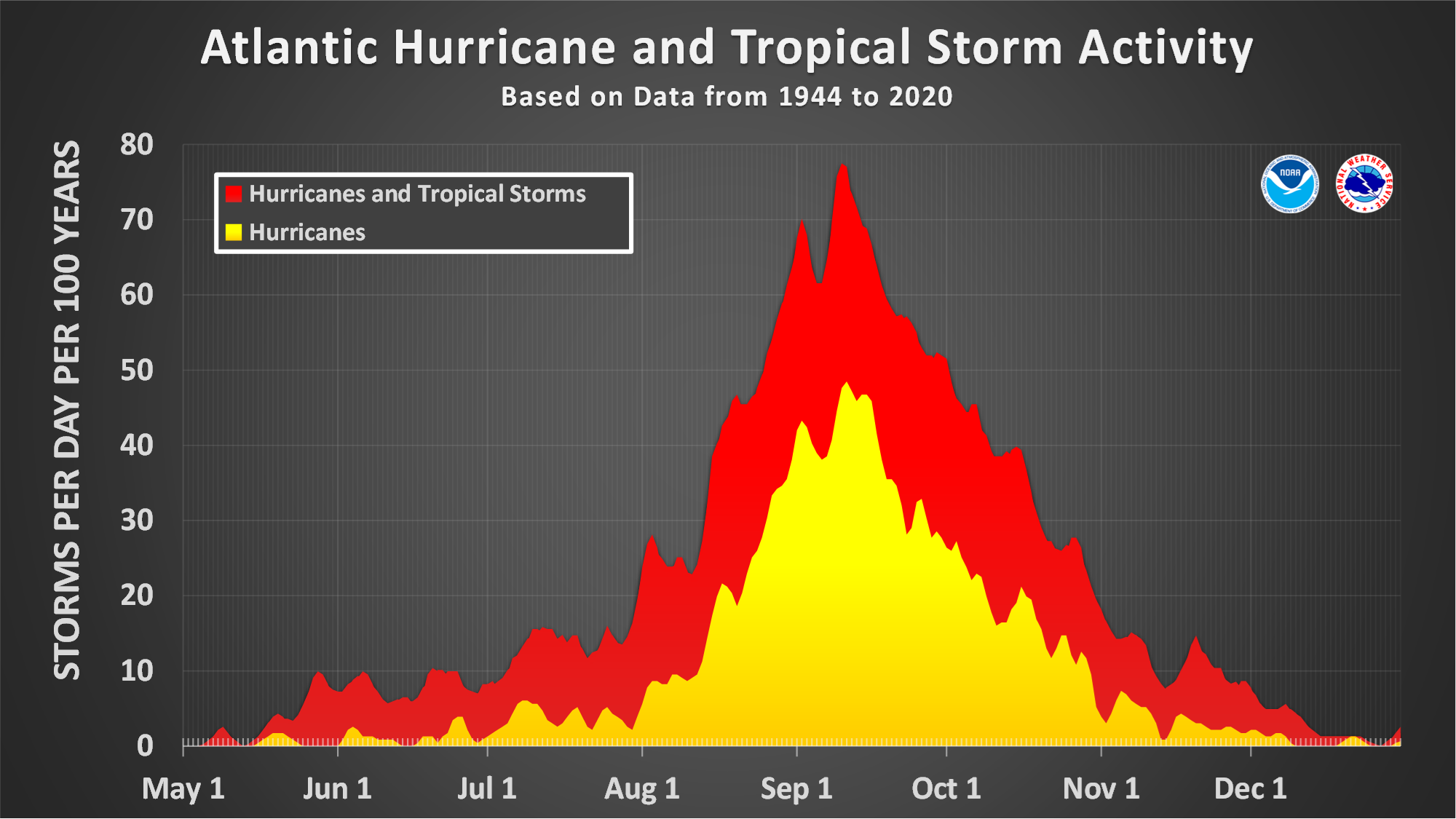
The Atlantic hurricane season officially runs from June 1st to November 30th each year. While these six months encompass the entire period, the intensity and likelihood of tropical activity in Florida are not uniform throughout. Meteorologists and residents alike pay close attention to the peak months, when conditions are most favorable for storm development and potential landfalls.
The Official Hurricane Season Timeline
The designated hurricane season is a broad timeframe established by the National Hurricane Center (NHC) to cover the period when tropical cyclones are most likely to form in the Atlantic basin. This includes the waters off the coast of Florida, the Gulf of Mexico, and the Caribbean Sea. While storms can technically occur outside of this window, they are rare.
Peak Months of Activity
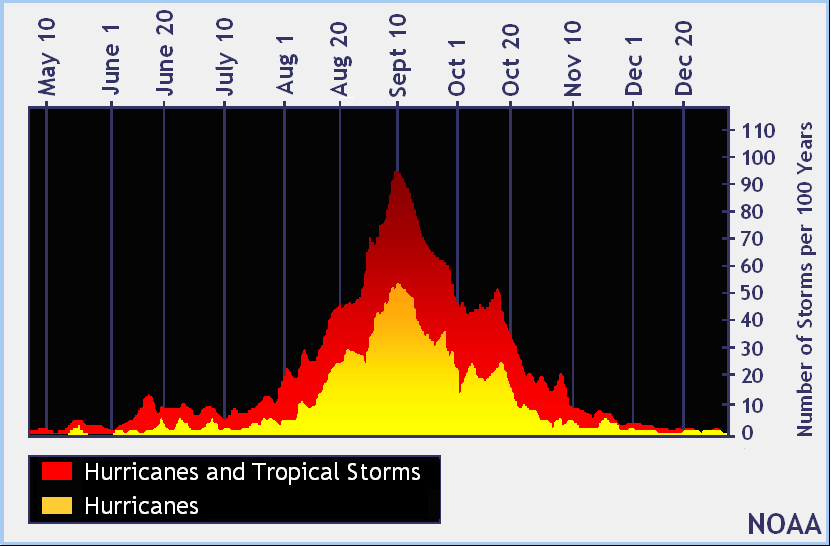
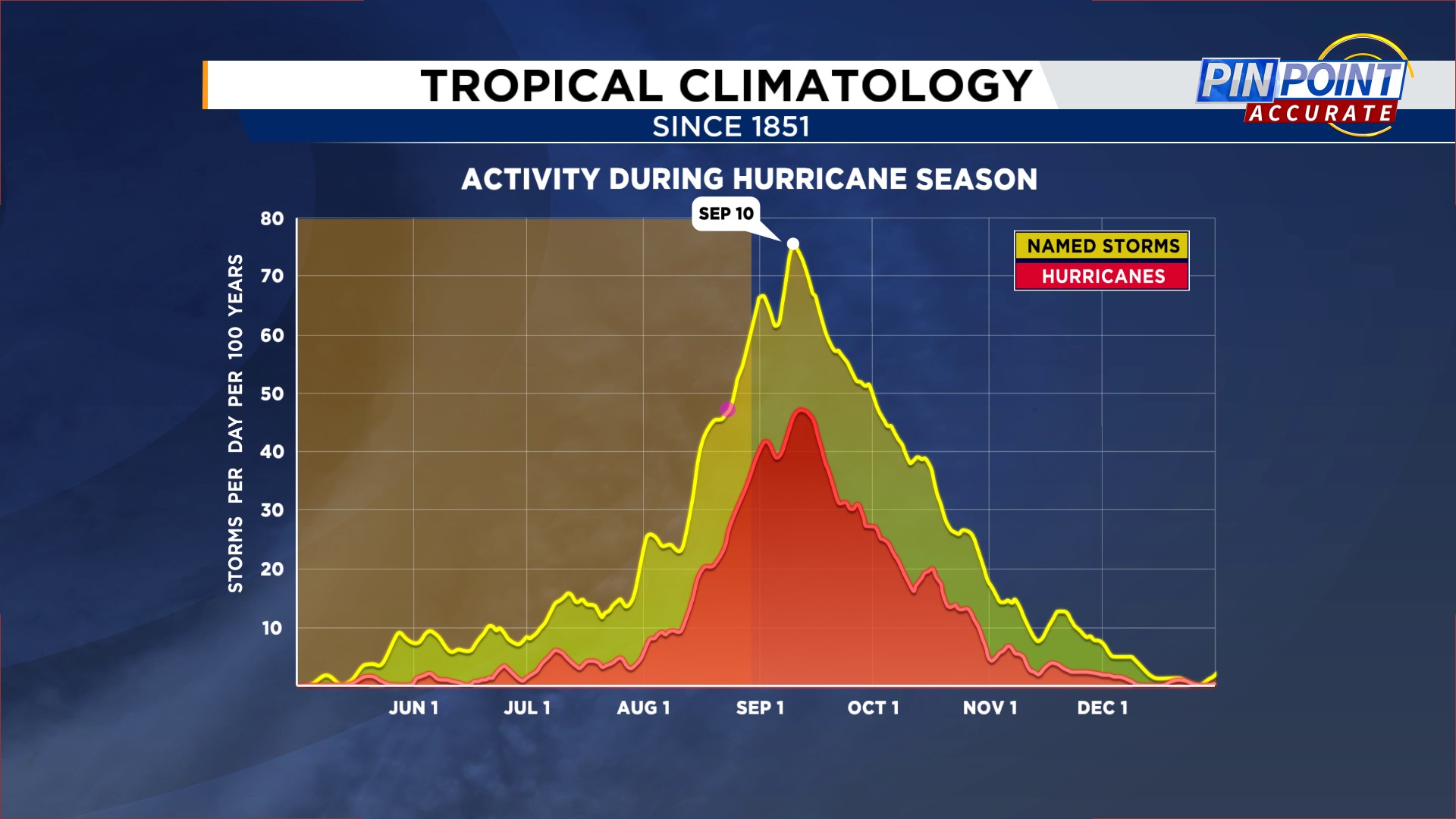
Within the official season, the most active period for hurricanes and tropical storms in Florida typically falls between August 1st and October 31st. This is when the ocean waters are at their warmest, providing the fuel for these powerful weather systems. September is statistically the most active month for hurricanes in the Atlantic basin, and consequently, for Florida. This heightened activity means that travelers planning trips during these months should be particularly vigilant and prepared for potential weather disruptions.
Early and Late Season Storms
While the peak months are the most concerning, it’s important to acknowledge that storms can and do occur at the beginning and end of the season. Tropical systems can form in June and July, often developing in the Gulf of Mexico or the western Atlantic. Similarly, late-season storms can manifest in late October and November, sometimes bringing significant rainfall and wind to the state. Therefore, even if your travel dates fall outside the statistically busiest period, staying informed about weather forecasts remains crucial.
Planning Your Florida Getaway During Hurricane Season
Navigating Florida’s hurricane season requires a proactive approach to travel planning. Understanding the risks and implementing smart strategies can significantly mitigate potential disruptions and ensure a smooth and enjoyable experience, whether you’re seeking a luxury resort getaway or a budget-friendly family adventure.
Travel Insurance and Flexible Booking
One of the most critical steps when traveling to Florida during hurricane season is to invest in comprehensive travel insurance. This policy should specifically cover weather-related cancellations, delays, and interruptions. Many travel insurance plans offer provisions for mandatory evacuations or if your destination becomes inaccessible due to a named storm.
Furthermore, when booking flights and accommodations, prioritize flexibility. Look for airlines and hotels that offer flexible booking policies, allowing you to change your travel dates or cancel your reservation with minimal penalties in the event of a hurricane warning. Many resorts and hotels understand the unique challenges of planning during this season and have adjusted their policies accordingly. Always read the fine print of any booking to understand their hurricane-related cancellation and rebooking procedures. For instance, a stay at the Ritz-Carlton Amelia Island might come with specific hurricane policies that are worth understanding in advance.
Monitoring Weather Forecasts and Advisories
Staying informed is your most powerful tool. As your travel date approaches, and especially once you are in Florida, make it a habit to monitor weather forecasts from reliable sources. The National Hurricane Center (NHC) is the official source for hurricane advisories, watches, and warnings in the United States. Local news channels and weather apps are also excellent resources for real-time updates and localized impacts.
- Watches vs. Warnings: It’s important to understand the difference. A Hurricane Watch means that hurricane conditions are possible within the specified area, typically within 48 hours. A Hurricane Warning means that hurricane conditions are expected within the specified area, typically within 36 hours. If a warning is issued for your location, it’s time to take immediate action.
Choosing Your Destination Wisely
Florida is a large state with diverse geographical features, and some areas are historically more prone to hurricane impacts than others. While no part of the state is entirely immune, understanding the general patterns can inform your decision.
- Coastal Areas: Florida’s extensive coastline, encompassing the Atlantic Ocean and the Gulf of Mexico, is particularly vulnerable to storm surges and direct hurricane impacts. Cities like Fort Lauderdale and Tampa are coastal and thus need to be considered with hurricane preparedness in mind.
- Inland Areas: While inland locations are less susceptible to storm surge, they can still experience significant rainfall, flooding, and high winds from hurricanes that have made landfall.
- Keys and Panhandle: The Florida Keys are exceptionally vulnerable to storm surge due to their low elevation. The Florida Panhandle, particularly areas that have experienced direct hits in the past, also requires careful consideration.
While the allure of beachfront villas in Naples or a lively resort experience in Key West is undeniable, consider the potential risks during the peak months. Opting for an inland destination or a hotel with robust hurricane preparedness might offer greater peace of mind.
Accommodations and Activities: Adapting to the Season
Your choice of accommodation and the activities you plan can significantly influence your experience during Florida’s hurricane season. Making informed decisions in these areas can ensure comfort, safety, and continued enjoyment of your trip.
Selecting Hurricane-Resilient Accommodations
When booking your stay, especially during hurricane season, prioritize accommodations that demonstrate a commitment to guest safety and preparedness.
- Resorts and Hotels with Evacuation Plans: Larger resorts and hotels, such as the Disney’s Grand Floridian Resort & Spa, often have well-defined emergency plans. They are equipped to handle guest needs during inclement weather, including providing safe shelter and clear evacuation procedures. Inquire about their specific hurricane policies and emergency preparedness measures.
- Inland Locations: As mentioned, staying further inland can reduce exposure to storm surge. However, even inland hotels can be impacted by severe weather.
- Property Type: While charming villas and apartments can be appealing, consider their resilience to severe weather. Sturdy construction and reliable power and water systems are crucial. Look for reviews that might mention experiences during past weather events, if available.
Adapting Your Itinerary
Florida offers an abundance of attractions and activities. When traveling during hurricane season, flexibility in your itinerary is key.
- Indoor Attractions: Theme parks like Walt Disney World and Universal Orlando Resort, museums, aquariums, and shopping malls offer excellent options for entertainment that are largely unaffected by rain or wind. These can serve as wonderful alternatives if outdoor activities are not feasible.
- Flexibility with Outdoor Plans: If you have planned outdoor excursions like visiting Everglades National Park or exploring the beaches of Clearwater Beach, have backup plans. Be prepared to postpone or cancel these activities if weather advisories are in place.
- Local Culture and Culinary Experiences: Embrace the opportunity to delve into Florida’s rich local culture. Explore art galleries, enjoy renowned restaurants, and immerse yourself in the vibrant food scene in cities like New Orleans (though not in Florida, it represents a similar cultural exploration opportunity accessible from parts of the panhandle) or Key West. These activities are often weather-proof and provide a deeper understanding of the destination.
Emergency Preparedness Kit
Regardless of where you stay, it’s prudent to have a basic emergency preparedness kit. This should include essentials such as:
- Non-perishable food and water for at least 72 hours.
- A flashlight with extra batteries.
- A first-aid kit.
- Medications (prescription and over-the-counter).
- A multi-tool.
- Copies of important documents (identification, insurance, etc.).
- A portable phone charger.
The Broader Impact: Lifestyle and Travel Considerations
Hurricane season in Florida extends beyond just travel planning; it influences the overall lifestyle and economic landscape of the state, impacting everything from local businesses to the types of travel experiences available.
Hurricane Preparedness as a Lifestyle
For residents of Florida, hurricane preparedness is not just a travel consideration but a way of life. This preparedness extends to infrastructure, emergency services, and community resilience. As a visitor, understanding this ingrained sense of readiness can offer reassurance. Local authorities and businesses are experienced in managing potential storm events, which contributes to a more organized response when needed.
Budget Travel vs. Luxury Travel During Hurricane Season
The hurricane season can present unique opportunities for both budget and luxury travelers.
- Budget Travelers: Prices for flights and accommodations often decrease during the shoulder months of hurricane season (June, July, early August, and late October, November) as demand softens. This can make a trip to Florida more affordable. However, the risk of storms remains, so flexible booking and travel insurance are still non-negotiable.
- Luxury Travelers: High-end resorts and luxury accommodations often maintain their services and amenities, even during inclement weather. They may offer special packages or enhanced services to ensure guest comfort and safety during the season. A luxurious stay at a property like the Four Seasons Resort Orlando at Walt Disney World Resort might provide a secure and pampered experience, even if outdoor activities are limited.
Family Trips and Business Stays
Planning a family trip to see the iconic landmarks like the Kennedy Space Center Visitor Complex or to enjoy the beaches requires careful timing and backup plans during hurricane season. Similarly, business travelers need to be aware of potential travel disruptions that could affect meetings or conferences. The key for both is to prioritize safety, stay informed, and remain flexible. Many businesses in Florida have robust contingency plans for their operations and for supporting employees and visitors during severe weather events.
In conclusion, while hurricane season in Florida runs from June 1st to November 30th, with the peak typically from August through October, a well-planned trip can still be an unforgettable experience. By understanding the risks, prioritizing flexible bookings and travel insurance, staying informed about weather forecasts, and choosing accommodations and activities wisely, travelers can confidently navigate the Sunshine State and enjoy its many wonders, even during its most dynamic weather period.
LifeOutOfTheBox is a participant in the Amazon Services LLC Associates Program, an affiliate advertising program designed to provide a means for sites to earn advertising fees by advertising and linking to Amazon.com. Amazon, the Amazon logo, AmazonSupply, and the AmazonSupply logo are trademarks of Amazon.com, Inc. or its affiliates. As an Amazon Associate we earn affiliate commissions from qualifying purchases.