
Florida, the Sunshine State, is a perennial favorite for travelers seeking warmth and sunshine year-round. From the vibrant nightlife of Miami to the family-friendly theme parks of Orlando, and the tranquil beaches of the Florida Keys, the state offers a diverse range of experiences. However, even in this tropical paradise, there are times when the mercury dips, and a touch of cool weather graces the peninsula. For those planning a visit or even residents curious about the seasonal shifts, understanding when “cold” arrives in Florida is key to optimizing their experience.

While Florida might not experience the harsh winters of northern states, its cooler months offer a welcome respite from the intense summer heat and humidity. This period often coincides with the peak tourist season, as many visitors flock to enjoy comfortable temperatures for outdoor activities, theme park exploration, and beach lounging without the sweat. So, when can you expect those crisp mornings and cooler evenings in the Sunshine State? The answer is nuanced, depending on your specific location within Florida and what you define as “cold.”
Understanding Florida’s Climate Seasons
Florida’s climate is broadly divided into two main seasons: the wet season and the dry season. The wet season, typically from June to September, is characterized by high temperatures, oppressive humidity, and frequent afternoon thunderstorms. This is undeniably the hot and humid period. The dry season, which runs from October to May, is when the weather becomes more pleasant, and the “cooler” temperatures begin to appear. It’s within this dry season that Floridians and visitors alike start to feel a noticeable change in the air.
The Transition from Summer to Fall
The first hints of cooler weather usually begin in October. As the summer’s relentless heat starts to wane, humidity levels drop, and the average temperatures begin a gradual descent. While not “cold” by most standards, this is when Florida starts to feel a significant difference. Daytime highs in many parts of the state, particularly in the northern and central regions, can start to hover in the pleasant low to mid-80s Fahrenheit (around 27-29°C). Evenings become refreshingly mild, sometimes dropping into the 60s Fahrenheit (15-20°C), perfect for enjoying outdoor dining or a stroll along the beach without the oppressive stickiness of summer.
By November, this cooling trend becomes more pronounced. You can expect average daytime temperatures to be in the 70s Fahrenheit (21-26°C) across much of the state. Nights can dip into the 50s Fahrenheit (10-15°C) in central and northern Florida, eliciting the first real “cool” feeling of the year. This is a prime time for many Floridians to break out light jackets and sweaters, especially for early morning or late evening activities. For tourists, this month often offers ideal conditions for exploring attractions like Walt Disney World Resort or Universal Orlando Resort without overheating. Many consider this the start of the true “fall” weather in Florida.
The Heart of the “Cold” Season: December to February
December marks the official beginning of winter in Florida, though it’s a far cry from the snow and ice experienced elsewhere. Temperatures continue to drop, with average daytime highs in the 60s and 70s Fahrenheit (15-26°C), depending on the region. Northern Florida, including cities like Jacksonville and the Florida Panhandle, will experience the chilliest conditions, with average lows sometimes dipping into the 40s Fahrenheit (4-9°C). Southern Florida, including Miami and the Everglades, remains considerably warmer, with average highs in the upper 70s Fahrenheit (25-26°C) and lows rarely falling below the 60s Fahrenheit (15-20°C).
January is typically the coldest month of the year in Florida. Average daily temperatures across the state are at their lowest. You can expect cool mornings and evenings, with daytime highs in the 60s Fahrenheit (15-20°C) in many areas. Frost is possible, though rare, in the northern parts of the state. This is when Floridians truly embrace warmer clothing. However, for many visiting from colder climates, even this “cold” is quite mild and enjoyable, making it an excellent time for visiting attractions like ** Busch Gardens Tampa Bay** or exploring the historic streets of St. Augustine. The cooler weather also means fewer crowds in some popular destinations, offering a more relaxed experience.
February continues the trend of cool to mild weather. While still part of the dry season, temperatures begin to gradually creep back up as the month progresses. You’ll still experience cool mornings and evenings, but the daytime highs start to feel increasingly spring-like. Average temperatures are similar to January, with northern Florida being the coolest and South Florida remaining mild. This transitional period is often overlooked but offers a sweet spot for many travelers, combining comfortable temperatures with fewer seasonal crowds than later in the spring.
Factors Influencing Florida’s Cool Spells
Several factors contribute to the arrival and intensity of cooler weather in Florida. Understanding these nuances can help you better anticipate when to pack those lighter layers.
Geographic Location Within Florida
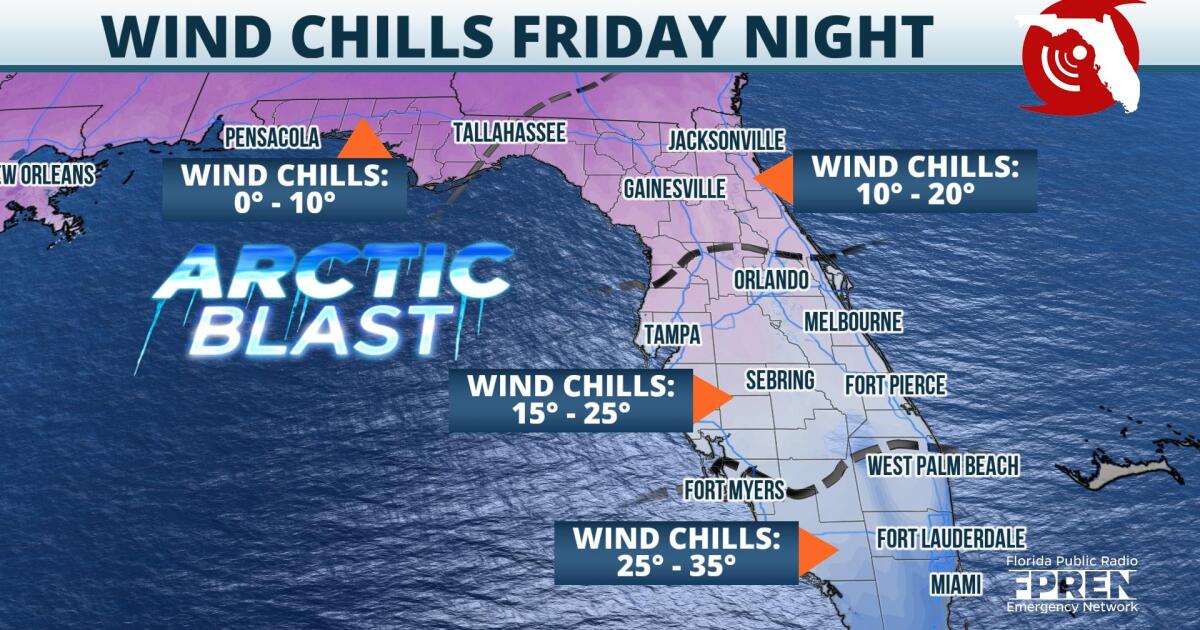
As mentioned, Florida’s geography plays a significant role. The state stretches over 500 miles from north to south, resulting in distinct climatic zones.
- Northern Florida (including the Panhandle): This region experiences the most significant temperature fluctuations and the “coldest” weather. Cities like Tallahassee and Pensacola can see frost and even occasional freezing temperatures during the winter months.
- Central Florida (including Orlando and Tampa): This area enjoys milder winters than the north but still experiences noticeable cool spells. It’s a popular destination for families visiting SeaWorld Orlando due to the comfortable climate.
- Southern Florida (including Miami, Fort Lauderdale, and the Keys): This is Florida’s tropical paradise, where “cold” is a relative term. While the humidity of summer is gone, temperatures remain warm year-round. Daytime highs in South Florida during winter often feel like spring or early fall in more northern states. Freezing temperatures are extremely rare.
Weather Patterns and Cold Fronts
Florida’s cooler weather is largely driven by the passage of cold fronts originating from the north. These fronts are boundaries between cooler, drier air and warmer, more humid air. When a strong cold front sweeps across the state, it brings a noticeable drop in temperature, lower humidity, and often clearer skies.
These fronts are most frequent and intense from late fall through early spring (October to April). The passage of a cold front can bring a temperature drop of 10-20°F (5-11°C) within a few hours. Sometimes, these fronts can be accompanied by brisk winds, making it feel even cooler. While these events are typically short-lived, lasting a few days, they are responsible for the distinct “cool spells” that Floridians associate with their version of winter.
Humidity Levels
A significant factor in how “cold” the weather feels is the humidity. During the summer months, high humidity makes even hot temperatures feel oppressive and sticky. As the dry season approaches, humidity levels drop dramatically. This reduction in moisture in the air makes even moderately cool temperatures feel more comfortable and refreshing. A 70°F (21°C) day with low humidity in December can feel far more pleasant than a 70°F day with high humidity in April. This drier air also contributes to the crispness that many people associate with cooler weather, even if the actual temperature isn’t drastically low.
Embracing Florida’s Cooler Seasons
While the Sunshine State is synonymous with warmth, its cooler months offer a unique and often more enjoyable travel experience for many.
Optimal Travel Times and Activities
The period from October to April is generally considered the most pleasant time to visit Florida.
- Outdoor Activities: With lower temperatures and humidity, this is the perfect time for exploring attractions like Everglades National Park, visiting historical sites in St. Augustine, or enjoying outdoor adventures such as kayaking or paddleboarding in Crystal River.
- Theme Park Visits: Orlando’s famous theme parks, including Walt Disney World and Universal Orlando Resort, are less crowded and more comfortable to navigate during the cooler months. The possibility of cooler evenings also adds to the ambiance of holiday decorations and evening entertainment.
- Beach Relaxation: While the water might be cooler, beach days are still a staple. The absence of intense heat makes sunbathing, long walks on the beach, and enjoying the ocean breeze much more appealing. Cities like Clearwater and Sarasota are popular destinations during this time.
- Sports and Events: Florida hosts numerous sporting events and festivals during its cooler season, from college football bowl games to spring training for Major League Baseball.
Accommodation and Lifestyle Considerations
The influx of visitors during the cooler, drier months means that accommodation prices, especially in popular tourist hubs and luxury resorts like the Ritz-Carlton, Naples, can increase. Booking in advance is highly recommended.
For those considering a longer-term stay or even a seasonal move, the cooler months offer a different lifestyle. It’s a time for enjoying patio living, exploring farmers’ markets, and participating in outdoor community events without the discomfort of extreme heat. Many residents of northern states choose to “snowbird” in Florida during these months, seeking refuge from harsh winter conditions. While you won’t find snow, you will find a significantly more pleasant climate.
Ultimately, when it “gets cold” in Florida is a matter of perspective and location. While it may never reach freezing temperatures in the southern parts of the state, the arrival of cooler, drier air from October through April provides a welcome change of pace, making it an ideal time to experience all that the Sunshine State has to offer. From the northern reaches experiencing genuine chill to the southern tip enjoying perpetual spring-like warmth, Florida’s cooler seasons offer a delightful climate for every kind of traveler.
LifeOutOfTheBox is a participant in the Amazon Services LLC Associates Program, an affiliate advertising program designed to provide a means for sites to earn advertising fees by advertising and linking to Amazon.com. Amazon, the Amazon logo, AmazonSupply, and the AmazonSupply logo are trademarks of Amazon.com, Inc. or its affiliates. As an Amazon Associate we earn affiliate commissions from qualifying purchases.