
Florida, the Sunshine State, is renowned for its beautiful beaches, vibrant theme parks, and a lifestyle that beckons millions each year. However, its idyllic coastal setting also places it in the path of tropical storms, making hurricane season a significant consideration for residents and visitors alike. Understanding the timing and impact of past hurricanes is crucial for planning travel, securing accommodations, and appreciating the resilience of this beloved destination.
The question “When Was the Last Hurricane in Florida?” is not just a matter of historical curiosity; it’s a practical concern that influences everything from booking a Miami beach getaway to understanding the local infrastructure in Orlando or assessing the potential impact on the Florida Keys. While the specific answer to “the last hurricane” changes with time, the patterns of hurricane activity and the preparedness measures taken by the state offer valuable insights.

This article delves into the recent history of hurricanes impacting Florida, offering context for travelers and anyone interested in the dynamic nature of this popular tourist hub. We’ll explore what constitutes a hurricane, the typical hurricane season, and how past storm events have shaped the state’s approach to safety and tourism.
Understanding Hurricane Season and Florida’s Vulnerability
To answer “When Was the Last Hurricane in Florida?”, it’s essential to first understand the framework of hurricane activity. The Atlantic hurricane season officially runs from June 1st to November 30th. During these months, the warm waters of the Atlantic Ocean and the Gulf of Mexico provide the necessary fuel for tropical storm development. Florida, with its extensive coastline bordering both the Atlantic and the Gulf, is particularly susceptible to these powerful weather systems.
What is a Hurricane?
A hurricane is a type of tropical cyclone characterized by a sustained wind speed of 74 miles per hour (119 kilometers per hour) or higher. These immense storms are classified on the Saffir-Simpson Hurricane Wind Scale, which categorizes them from Category 1 (74-95 mph winds) to Category 5 (157 mph or higher winds), with each category representing increasing levels of potential damage. The sheer force of these storms can bring devastating winds, torrential rainfall, and dangerous storm surges, which are the abnormal rise of water generated by a storm, over and above the predicted astronomical tide.
Florida’s Climate and Hurricane History
Florida’s subtropical to tropical climate makes it a prime location for experiencing hurricanes. The state’s geographic position in the southeastern United States, coupled with the warming ocean temperatures, creates an environment conducive to storm formation and intensification. Over the years, Florida has faced numerous hurricanes, some of which have been among the most powerful and destructive in recorded history.
The impact of a hurricane extends far beyond the immediate wind and rain. It can disrupt travel plans for those hoping to visit attractions like Walt Disney World or Universal Orlando Resort, affect hotel availability and pricing across cities like Tampa and Fort Lauderdale, and influence the overall tourism landscape. Local culture, too, is shaped by the necessity of preparedness and the community’s ability to recover and rebuild.
Recent Hurricane Activity in Florida
While pinpointing the absolute last hurricane requires real-time data updates, we can examine recent significant hurricane seasons that have directly impacted Florida to provide a comprehensive understanding. The narrative of hurricanes in Florida is a continuous one, with each season bringing its own set of challenges and lessons learned.
The 2023 Hurricane Season: A Look Back
The 2023 Atlantic hurricane season was notably active, and while not every storm made landfall in Florida, its proximity and the state’s preparedness were significant factors. The season officially concluded on November 30, 2023. Throughout this period, forecasters warned of a potentially busy season due to several meteorological factors, including warmer-than-average Atlantic Ocean temperatures and the development of an El Niño event.
Throughout the 2023 season, several tropical systems formed. While some passed offshore or weakened before reaching land, the potential for impact kept residents and emergency management agencies on high alert. The state of Florida continuously monitors these systems, issuing advisories and preparing for possible evacuations and storm responses. The focus remains on protecting lives and property, ensuring that the infrastructure supporting tourism, such as airports and major roadways, can resume operations as quickly and safely as possible.
The 2022 Hurricane Season: A Significant Year for the Gulf Coast

The 2022 hurricane season was particularly impactful for Florida’s Gulf Coast. This season stands out for the landfall of powerful storms that brought significant wind damage, flooding, and widespread power outages.
One of the most notable storms of 2022 was Hurricane Ian. This powerful Category 4 hurricane made landfall on Florida’s southwest coast in late September. Ian brought catastrophic storm surge, destructive winds, and intense rainfall, causing widespread devastation to coastal communities, including areas like Fort Myers and Naples. The recovery efforts in the aftermath of Ian were extensive, impacting local businesses, tourist attractions, and the daily lives of residents. The storm’s path highlighted the vulnerability of the region to storm surge, a critical factor for anyone considering a stay in a beachfront resort or villa.
Following Ian, other systems continued to form and threaten the region. Understanding the progression of these storms, their intensity, and their landfall locations is vital for appreciating the challenges Florida faces annually. The tourism industry, heavily reliant on clear weather and safe travel conditions, is particularly sensitive to these events. Businesses often have robust contingency plans, and travelers are advised to stay informed about weather forecasts and advisories when planning trips during the hurricane season, especially if their itinerary includes destinations like the Florida Panhandle or coastal cities.
Beyond 2022: A Broader Perspective
While focusing on recent seasons provides immediate context for “When Was the Last Hurricane in Florida?”, it’s important to remember that Florida has a long history of experiencing powerful hurricanes. Iconic storms like Hurricane Andrew in 1992, Hurricane Michael in 2018, and Hurricane Irma in 2017, all left indelible marks on the state. These events underscore the persistent threat and the ongoing need for preparedness and resilience.
Each hurricane season offers unique challenges and impacts. For travelers, understanding these patterns can inform travel decisions. For instance, booking accommodations for a summer trip to the Keys might involve reviewing cancellation policies and staying informed about potential weather disruptions. Similarly, planning a visit to a landmark like the Everglades National Park necessitates awareness of how weather events can impact accessibility and the natural environment. The lifestyle associated with Florida, whether it’s luxury travel in Palm Beach or budget-friendly family trips to Clearwater Beach, is intrinsically linked to its climate and the need to navigate hurricane season.
Preparing for and Responding to Hurricanes in Florida
The question of “When Was the Last Hurricane in Florida?” is intrinsically linked to the state’s comprehensive approach to hurricane preparedness and response. Florida has developed robust systems and protocols to mitigate the impact of these powerful storms and to aid in recovery efforts.
State and Local Preparedness Measures
Florida’s government agencies, including the Florida Division of Emergency Management, work year-round to prepare for hurricane season. This involves:
- Early Warning Systems: Utilizing advanced meteorological forecasting to provide timely and accurate storm tracking.
- Evacuation Planning: Developing detailed evacuation routes and plans for coastal and vulnerable inland areas.
- Resource Management: Stockpiling essential supplies, coordinating with utility companies for power restoration, and establishing shelters.
- Public Education: Disseminating information on hurricane preparedness through various media channels, encouraging residents and visitors to have emergency kits and plans.
For tourists, being aware of these measures is crucial. This includes familiarizing yourself with evacuation zones for your chosen destination, understanding where to find official information during a storm, and having a plan for communication with family or travel companions. When booking accommodations, especially in areas prone to storm surge, inquiring about the hotel’s hurricane preparedness and evacuation policies can provide peace of mind.
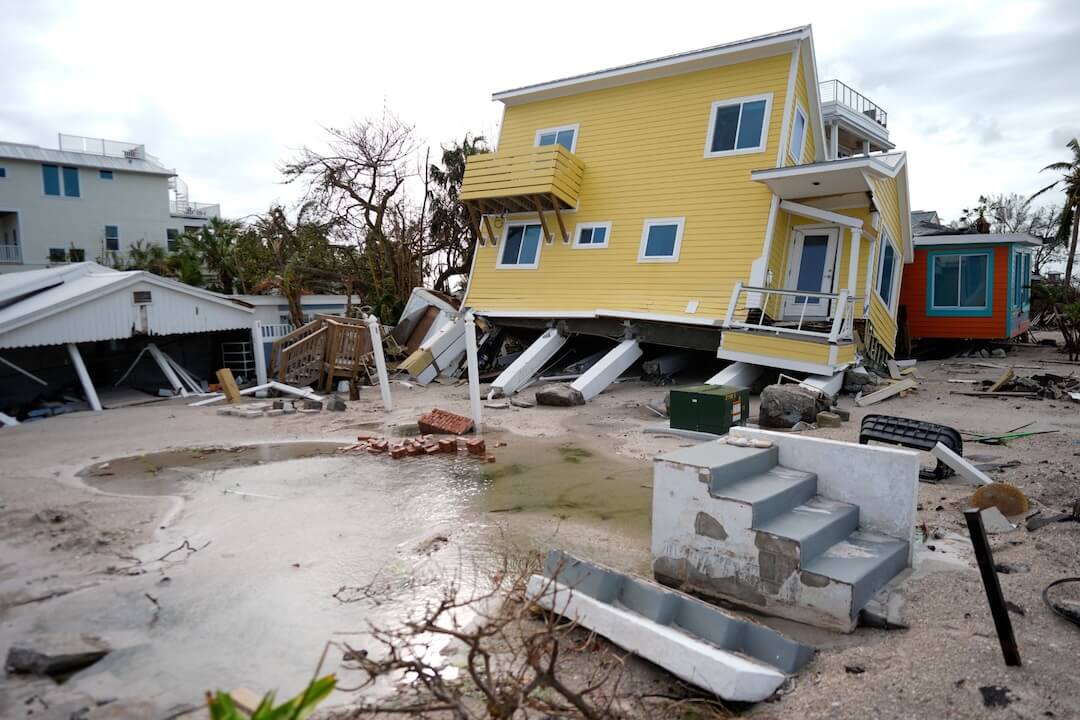
Tourism and Hurricane Impact
The tourism industry in Florida, a cornerstone of the state’s economy, is significantly affected by hurricane activity. Storms can lead to:
- Travel Disruptions: Flight cancellations, road closures, and delays at airports like Miami International Airport or Orlando International Airport.
- Damage to Attractions: Theme parks, beaches, and landmarks may temporarily close for safety assessments and repairs.
- Accommodation Closures: Hotels, resorts, and rental properties may sustain damage, leading to temporary or prolonged closures.
- Economic Impact: Reduced visitor numbers during and immediately after a storm can affect local businesses and the broader economy.
Despite these challenges, Florida’s tourism sector has shown remarkable resilience. Many businesses have invested in hurricane-resistant construction and updated their emergency protocols. Post-storm recovery efforts often focus on restoring infrastructure and attractions swiftly to welcome visitors back, showcasing the state’s commitment to maintaining its appeal as a premier travel destination.
For those planning a trip, checking travel advisories from airlines, hotels, and official tourism websites is recommended, especially when traveling during hurricane season. Flexibility in travel plans and travel insurance can be valuable assets. Ultimately, understanding the history and patterns of hurricanes in Florida allows for informed decision-making, ensuring a safer and more enjoyable experience in the Sunshine State.
LifeOutOfTheBox is a participant in the Amazon Services LLC Associates Program, an affiliate advertising program designed to provide a means for sites to earn advertising fees by advertising and linking to Amazon.com. Amazon, the Amazon logo, AmazonSupply, and the AmazonSupply logo are trademarks of Amazon.com, Inc. or its affiliates. As an Amazon Associate we earn affiliate commissions from qualifying purchases.