
The allure of Miami, Florida is undeniable. From its sun-drenched beaches and vibrant nightlife to its rich cultural tapestry and burgeoning culinary scene, the Magic City consistently draws millions of visitors each year. But beyond the glittering skyline and the rhythmic beats of Latin music, there’s a fascinating history that shaped this iconic destination. To truly appreciate Miami, understanding its origins is key. When exactly was this tropical paradise officially founded, and what pivotal events led to its establishment?
The story of Miami is not a simple tale of a single founding date, but rather a gradual unfolding of settlement, development, and eventual incorporation. While the region has been inhabited for thousands of years, the “founding” as we understand it today, referring to its establishment as a modern city, is a more recent chapter. The official incorporation date, often cited as the benchmark for a city’s birth, is July 28, 1896. However, this date represents the culmination of a period of significant growth and strategic foresight, rather than the very first human footsteps on its shores.
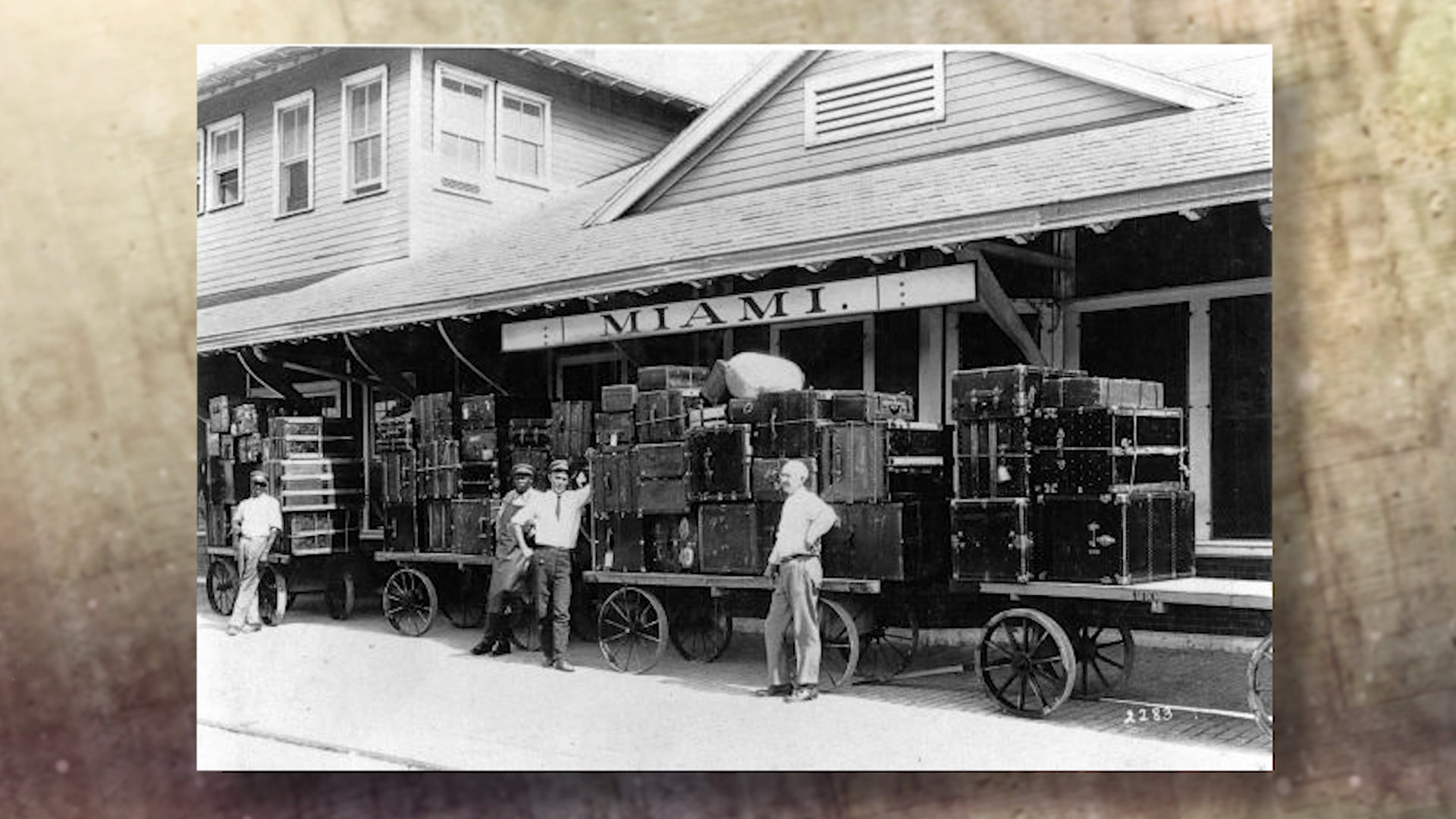
The Seeds of Settlement: Early Inhabitants and the Dawn of Modern Miami
Long before the advent of skyscrapers and bustling avenues, the land that is now Miami was home to indigenous peoples. The Tequesta tribe were the earliest known inhabitants, thriving in this fertile coastal environment for centuries. They established villages along the Miami River, utilizing its resources for fishing, hunting, and agriculture. Their presence speaks to the enduring appeal of this region, recognized for its abundance and strategic location even in pre-colonial times.
The arrival of Europeans marked a significant turning point. Spanish explorers, including Juan Ponce de León, are believed to have visited the area in the early 16th century. However, sustained European settlement was slow to materialize. The harsh climate, the presence of indigenous populations, and the perceived remoteness of the region contributed to a limited colonial presence for many years.
The 19th century saw a renewed interest in South Florida. Following the Seminole Wars, the United States acquired Florida from Spain in 1819, and efforts to develop the territory began to gain momentum. Fort Dallas, established by the U.S. Army in 1836, served as an early military outpost and a nucleus for civilian settlement. Despite its strategic importance, the area remained largely undeveloped and sparsely populated for decades. It was a frontier land, challenging and untamed.
The Visionaries of a Tropical Metropolis
The true catalyst for modern Miami’s creation can be attributed to the vision and determination of a few key figures, most notably Julia Tuttle and Henry Flagler. Julia Tuttle, often referred to as the “Mother of Miami,” was a formidable businesswoman and landowner who recognized the immense potential of the Biscayne Bay area. She owned a vast tract of land and passionately advocated for the development of the region, believing it could become a thriving center.
Her persistence paid off when she managed to convince Henry Flagler, a wealthy industrialist and railroad magnate, to extend his Florida East Coast Railway southward to Biscayne Bay. Flagler, who had already transformed much of Florida with his railway and luxury hotels, was initially hesitant. However, Tuttle’s persuasive arguments, coupled with a particularly mild winter that year, convinced him that citrus could thrive in the region, a crucial factor for potential economic viability. Legend has it that Tuttle sent Flagler a bouquet of fresh orange blossoms as a testament to the area’s agricultural promise, a gesture that proved instrumental.
The Turning Point: The Arrival of the Railroad and the Birth of a City

The arrival of the Florida East Coast Railway in 1896 was the transformative event that propelled Miami from a nascent settlement into a burgeoning city. Flagler’s decision to extend his railroad was not merely an act of expansion; it was a deliberate investment in the future of the region. The railroad brought with it not only easier access for settlers and supplies but also the promise of commerce and tourism.
With the railroad in place, the area began to develop rapidly. Land was cleared, streets were laid out, and businesses started to flourish. Julia Tuttle’s vision was coming to fruition. The community, initially referred to by various informal names, officially adopted the name Miami and began the process of formal incorporation.
Incorporation and Early Growth
On July 28, 1896, the city of Miami was officially incorporated. This marked a significant milestone, establishing a municipal government and laying the groundwork for structured development. The initial population was relatively small, but the influx of new residents, drawn by opportunities and the promise of a better life in a subtropical climate, quickly began to increase.
The early years of Miami were characterized by rapid growth and development. Flagler played a crucial role in this expansion, investing in infrastructure and amenities. He built the iconic Royal Palm Hotel, which quickly became a magnet for wealthy tourists, establishing Miami as a desirable winter destination. This influx of visitors not only boosted the local economy but also contributed to the city’s growing reputation.
The early 20th century witnessed further expansion. The development of Miami Beach as a resort destination, spearheaded by figures like Carl Fisher, further cemented Miami’s status as a premier tourist locale. The city’s unique blend of natural beauty, vibrant culture, and economic opportunity continued to attract people from across the nation and beyond.
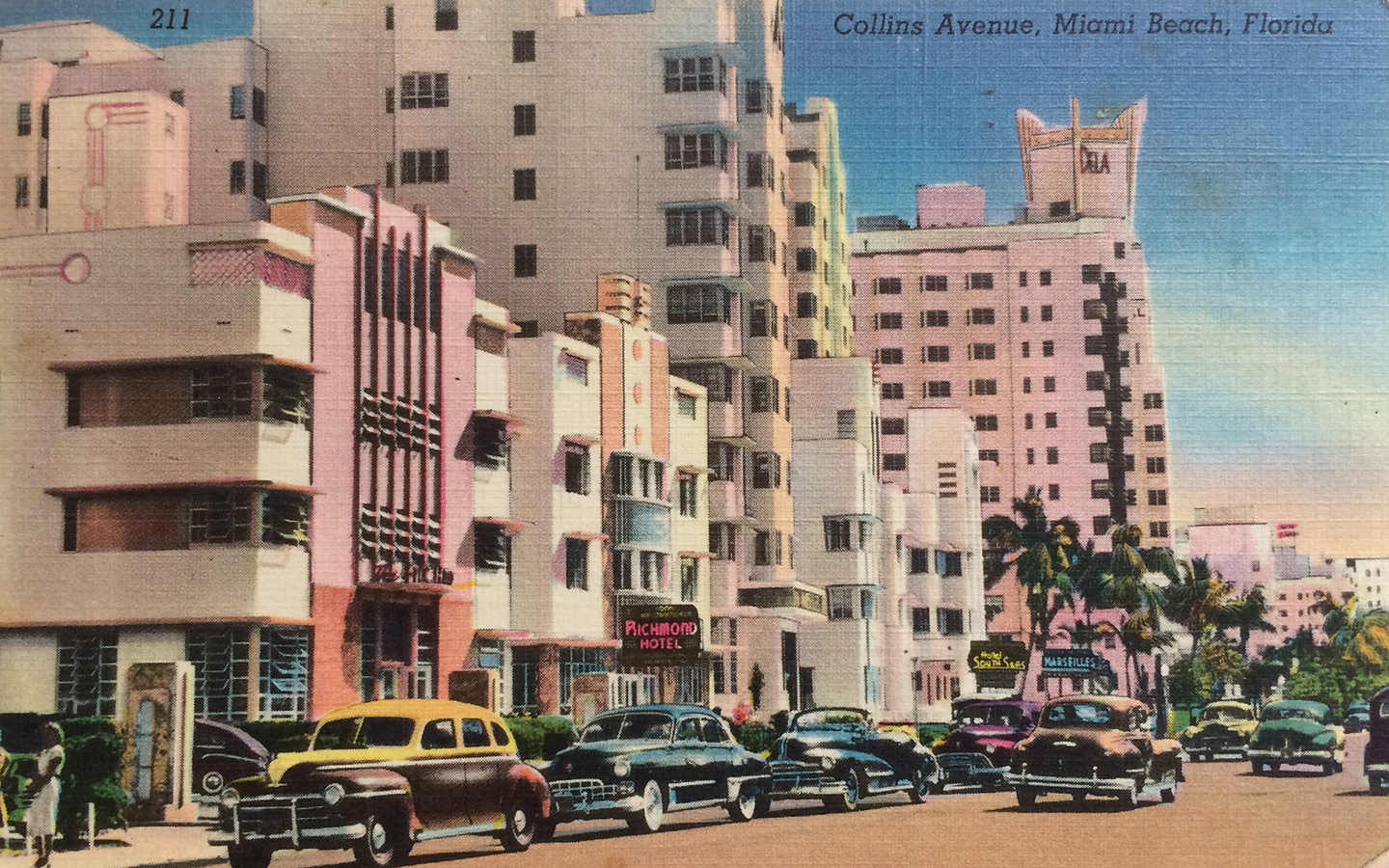
Miami Today: A Legacy of Growth and Transformation
From its humble beginnings as a frontier settlement, Miami has transformed into a global metropolis. The principles of vision, innovation, and resilience that characterized its founding continue to shape its trajectory. Today, Miami is a melting pot of cultures, a hub for international business, and a world-renowned destination for travel, luxury, and entertainment.
The city’s rich history is preserved in its landmarks and its vibrant local culture. Visitors can explore the historic Art Deco Historic District in Miami Beach, a testament to the architectural styles that defined the city’s early resort era. The vibrant neighborhoods, from the Cuban influences of Little Havana to the artistic enclaves of Wynwood, offer a rich tapestry of experiences.
The tourism sector continues to be a cornerstone of Miami’s economy. The city offers a diverse range of attractions, from the pristine beaches and crystal-clear waters to world-class museums and dynamic entertainment venues. Whether you’re seeking a luxurious resort experience, an adventurous exploration of nature, or a deep dive into local cuisine, Miami delivers.
The evolution of Miami from a sparsely populated area to a global icon is a testament to its enduring appeal and the spirit of its founders. While July 28, 1896, marks the official founding date, the true story of Miami is woven into the narratives of indigenous peoples, pioneering entrepreneurs, and the countless individuals who have contributed to its vibrant present and promising future. It’s a city built on dreams, sustained by innovation, and forever defined by its unique blend of natural beauty and human ambition.
LifeOutOfTheBox is a participant in the Amazon Services LLC Associates Program, an affiliate advertising program designed to provide a means for sites to earn advertising fees by advertising and linking to Amazon.com. Amazon, the Amazon logo, AmazonSupply, and the AmazonSupply logo are trademarks of Amazon.com, Inc. or its affiliates. As an Amazon Associate we earn affiliate commissions from qualifying purchases.