
Florida, the Sunshine State, is renowned for its year-round warmth, pristine beaches, and vibrant tourist attractions. For many, the allure of a Florida vacation lies in escaping colder climates and basking in the subtropical sun. However, even in this tropical paradise, there are periods when temperatures dip, and a refreshing coolness permeates the air. So, when exactly does it get cold in Florida, and what can travelers expect during these cooler months? Understanding Florida’s climate nuances is key to planning the perfect trip, whether you’re seeking sun-drenched adventures or a more temperate exploration of its diverse landscapes and cultural offerings.

The question of “when will it get cold in Florida?” often prompts images of frost on palm trees, a concept that might seem paradoxical to those accustomed to the state’s iconic image of perpetual summer. Yet, Florida experiences distinct seasons, and while “cold” might be a relative term here compared to more northerly destinations, there’s a noticeable shift in temperature that impacts everything from beach activities to the types of festivals and events you might encounter. This article delves into the seasonal patterns of Florida’s climate, providing insights that will help you plan your visit, book the ideal accommodation, and make the most of your travel experience, regardless of the weather.
Understanding Florida’s Climate: Beyond the Sunshine Myth
While Florida is indeed a land of sunshine, its climate is more complex than a simple, unchanging warmth. It’s a state that spans a significant north-south distance, leading to regional variations in temperature. The further north you travel in Florida, the more pronounced the seasonal temperature swings become. Conversely, South Florida, with its proximity to the tropics, enjoys a more consistently warm climate throughout the year.
The Arrival of Autumn: A Gentle Transition
Autumn, or fall, in Florida is a beautiful and often welcome transition from the sweltering heat of summer. Typically, this cooling trend begins to take hold in late September and becomes more noticeable throughout October and November. The oppressive humidity of the summer months starts to recede, replaced by more comfortable, drier air. This makes it an ideal time for outdoor activities, exploring the many landmarks and parks, or enjoying the vibrant local culture without the discomfort of extreme heat.
October and November: These months are often considered the sweet spot for many visitors. The average daily temperatures in many parts of Florida begin to fall into the comfortable 70s and low 80s Fahrenheit (around 21-28 degrees Celsius). While you won’t need heavy winter coats, packing light jackets or sweaters for evenings and cooler mornings is advisable. This is also when many outdoor festivals and events, from the Mardi Gras celebrations in New Orleans (though not in Florida, it influences regional timing) to harvest festivals across the state, begin to flourish.
Winter: The Coolest Season in the Sunshine State
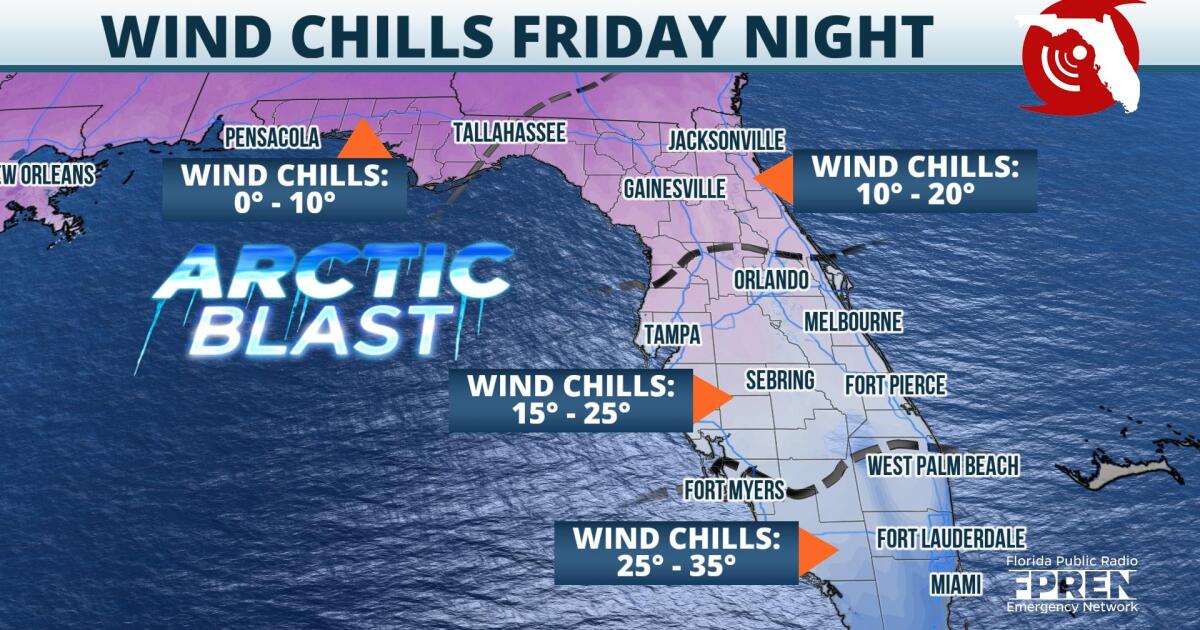
Florida’s winter is undeniably its coolest season, but for most of the state, it’s a far cry from what many consider true cold. This period, generally from December through February, offers a pleasant respite from the harsh winters experienced in other parts of the United States. However, there are variations, and pockets of real chill can occur.
Northern Florida’s Embrace of Cooler Temperatures
Northern Florida, including cities like Jacksonville, Tallahassee, and the Panhandle region, experiences the most significant temperature drop. Here, average daytime temperatures in winter can hover in the 50s and 60s Fahrenheit (around 10-18 degrees Celsius), with nighttime lows occasionally dipping into the 30s and 40s Fahrenheit (around 4-9 degrees Celsius). Frost is not uncommon in these areas during the coldest snaps, and you might even see ice on puddles. This is the time when Floridians might consider it “cold enough” to wear heavier jackets and enjoy seasonal activities like sipping hot chocolate or attending holiday events. For tourists from colder climates, this weather might still feel quite mild, allowing for sightseeing and exploration without the summer crowds.
Central and South Florida: Mild Winters with Occasional Chills
Central Florida, home to the popular theme parks in Orlando, still enjoys relatively mild winters. Daytime temperatures typically range from the 60s to the 70s Fahrenheit (around 15-24 degrees Celsius). Evenings can get cool, dropping into the 50s Fahrenheit (around 10-15 degrees Celsius), making a light jacket or sweater essential. This is a prime time for visiting attractions like Walt Disney World and Universal Orlando Resort as the weather is perfect for walking around and enjoying outdoor shows.
South Florida, including areas like Miami, Fort Lauderdale, and the Florida Keys, experiences the mildest winters in the state. Daytime temperatures usually stay in the 70s and low 80s Fahrenheit (around 21-28 degrees Celsius). While cold fronts can occasionally bring brief periods of cooler weather, with temperatures dropping into the 60s Fahrenheit (around 15-20 degrees Celsius), true “cold” is rare. The Florida Keys are particularly warm, with the water temperature often remaining pleasant for swimming or water sports year-round. This makes South Florida a popular destination for snowbirds seeking to escape the northern winter.

Factors Influencing Florida’s “Cold”
Several factors contribute to the perception and reality of cold weather in Florida:
- Cold Fronts: The most significant driver of temperature drops in Florida is the passage of cold fronts originating from the north. These fronts can sweep through the state, bringing lower temperatures, drier air, and sometimes even a crisp, cool wind. The intensity and duration of these fronts vary.
- Ocean Currents: The surrounding warm waters of the Atlantic Ocean and the Gulf of Mexico have a moderating effect on Florida’s temperature, preventing extreme lows. However, during winter, cooler ocean currents can contribute to a more noticeable chill, especially along the coast.
- Latitude: As previously mentioned, the north-south expanse of Florida plays a crucial role. The Panhandle, for instance, is much closer to the continental climate of the United States and experiences more significant temperature fluctuations than the tropical climate of the Keys.
Planning Your Florida Trip Around Cooler Weather
Understanding when Florida experiences its cooler periods can significantly enhance your travel planning, allowing you to tailor your itinerary to your preferences and desired lifestyle.
The Best Time for Outdoor Adventures and Sightseeing
For many, the cooler months of autumn and winter offer the ideal climate for exploring Florida’s numerous attractions. The lower humidity and more moderate temperatures make it perfect for:
- Theme Park Visits: Places like Walt Disney World and Universal Orlando Resort are less crowded and more comfortable to navigate during the fall and winter. Booking hotels in advance is still recommended, especially around holidays.
- Exploring Natural Wonders: From the unique ecosystems of the Everglades National Park to the springs and forests of central and northern Florida, the cooler weather makes hiking, kayaking, and wildlife viewing more enjoyable.
- City Exploration: Strolling through historic districts in cities like St. Augustine or exploring the art scene in Miami is far more pleasant when you’re not battling intense heat and humidity.
Beach and Water Activities: A Different Kind of Enjoyment
While Florida is synonymous with beach vacations, the “cold” season does alter the beach experience.
- Sunbathing and Swimming: In North Florida, winter temperatures might be too cool for prolonged sunbathing or swimming for many. However, in Central and South Florida, especially along the Gulf Coast, the waters can still be inviting, particularly for those accustomed to cooler ocean temperatures. The beaches are often less crowded, offering a more serene experience.
- Water Sports: Activities like surfing or paddleboarding might still be enjoyed, though wetsuits might be necessary for longer sessions in the northern parts of the state. The calmer seas in winter can also be ideal for boat tours and fishing.
- Enjoying the Coastline: Even if the water is a bit cool, the beauty of Florida’s coastlines, from the white sands of the Gulf Coast to the bustling shores of the Atlantic, can still be appreciated. Coastal walks, exploring lighthouses, and enjoying seafood at waterfront restaurants are perfect cooler-weather activities.
Accommodation and Travel Tips for Cooler Months
When planning your trip during Florida’s cooler seasons, consider these tips for accommodation and general travel:
- Booking in Advance: Winter is peak season for many parts of Florida, particularly South Florida, as people flock there to escape the cold. It is crucial to book hotels, resorts, and rental properties well in advance, especially if you’re traveling during the holiday season or looking for specific amenities.
- Packing Appropriately: While you won’t need a full winter wardrobe, packing layers is key. Include a light jacket, a sweater or two, long pants, and comfortable walking shoes. Don’t forget sunscreen, as the sun can still be strong even on cooler days.
- Embrace the Local Flavors: Cooler weather in Florida can bring about a change in culinary offerings. Look for seasonal menus featuring heartier dishes or enjoy the abundance of fresh citrus fruits that are in season during the winter months.
- Consider Different Regions: If you’re specifically looking for warmth, focus your travel plans on South Florida and the Florida Keys. If you enjoy a slightly cooler climate and fewer crowds, Northern or Central Florida can be delightful.
In conclusion, while Florida may not experience the harsh winters of many other destinations, it does have a distinct cooler season. “Cold” in Florida is a relative term, with the northern parts of the state experiencing noticeable drops in temperature, while the south remains largely mild. By understanding these seasonal shifts, travelers can better plan their trips, choose the ideal destinations, and enjoy all that the Sunshine State has to offer, at any time of year. Whether you’re seeking the warmth of the southern shores or a temperate exploration of its diverse landscapes, Florida welcomes you with open arms, and a gentle, cool breeze during its “coldest” months.
LifeOutOfTheBox is a participant in the Amazon Services LLC Associates Program, an affiliate advertising program designed to provide a means for sites to earn advertising fees by advertising and linking to Amazon.com. Amazon, the Amazon logo, AmazonSupply, and the AmazonSupply logo are trademarks of Amazon.com, Inc. or its affiliates. As an Amazon Associate we earn affiliate commissions from qualifying purchases.