
The Sunshine State, known for its dazzling beaches, vibrant theme parks, and warm weather, has long been a top destination for travelers from across the globe. From the bustling energy of Miami to the family fun of Orlando and the historic charm of St. Augustine, Florida offers a diverse range of experiences. Tourists flock to its iconic landmarks, indulge in its rich local culture, and seek out comfortable accommodations, from luxurious resorts to cozy villas. However, a growing conversation is circulating among both residents and visitors, one that could significantly impact the Florida travel landscape: the legalization of recreational marijuana.

While Florida has already legalized medical marijuana, the question of full recreational legalization remains a hot topic. Understanding the current status and potential future of cannabis in the state is crucial for anyone planning a trip or considering a longer stay in this popular tourist haven. This exploration delves into the legislative journey, the potential implications for the tourism industry, and what travelers can expect as this issue continues to evolve.
The Evolving Landscape of Cannabis in Florida
The journey towards cannabis legalization in Florida has been a complex and often protracted one. For years, the state has navigated the delicate balance between federal prohibition and a growing public acceptance of marijuana for both medicinal and, increasingly, recreational use.
A Look Back: Medical Marijuana’s Path
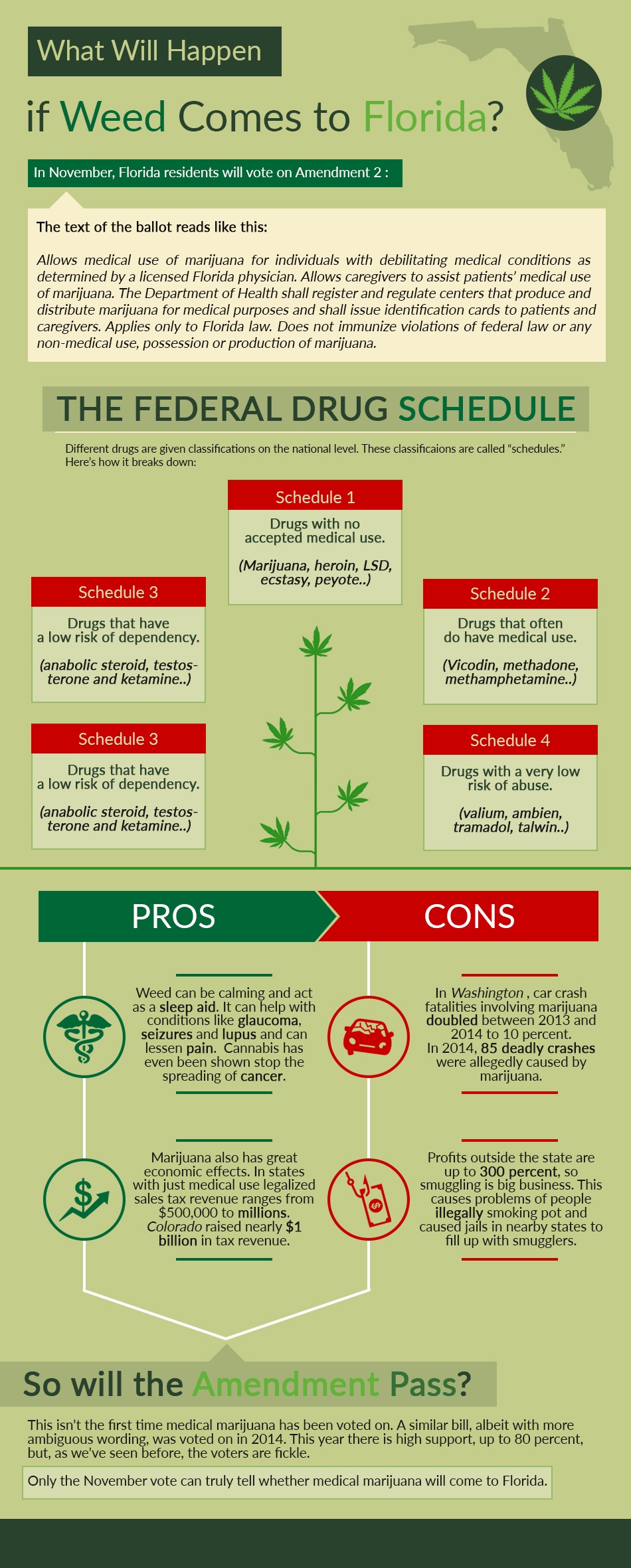
The first significant step towards cannabis reform in Florida came with the passage of Amendment 2 in 2016. This landmark amendment paved the way for a robust medical marijuana program, allowing patients with qualifying conditions to access cannabis for therapeutic purposes. Since then, the number of registered patients has surged, and numerous dispensaries have opened their doors across the state, from the sprawling metropolitan areas to more rural communities. This expansion has undoubtedly influenced the state’s lifestyle, offering new avenues for wellness and treatment for many Floridians.
The implementation of the medical marijuana program has been a learning process, with ongoing debates and adjustments to regulations. However, its existence has normalized the presence of cannabis in Florida, making the conversation about recreational legalization feel more immediate and plausible to many. The infrastructure for dispensing and regulating cannabis, albeit for medical use, is already in place, potentially easing the transition should recreational sales be approved.
The Push for Recreational Legalization
The momentum for recreational marijuana legalization in Florida has been building for some time. Activist groups, legislative efforts, and public opinion polls all point towards a growing desire for change. Several proposed ballot initiatives have aimed to bring recreational marijuana to the forefront of state politics, each facing its own set of challenges and hurdles.
The process for getting an initiative on the Florida ballot is notoriously difficult, requiring a significant number of signatures and judicial review. Despite these obstacles, proponents have continued to push forward, believing that full legalization is not only a matter of personal liberty but also a potential economic boon for the state. The success of recreational marijuana markets in other states, such as Colorado and California, has served as a compelling case study, highlighting potential tax revenues and job creation.
Key legislative figures and political organizations have also begun to engage more directly with the issue. While the political landscape in Florida can be varied, there is a noticeable shift in the conversation, with more lawmakers open to exploring the possibilities of a regulated recreational market. This evolving political will is a critical factor in determining when, or if, Florida will join the growing list of states with legalized recreational cannabis.
Potential Impact on Florida’s Thriving Tourism Industry
The legalization of recreational marijuana in Florida could have a profound and multifaceted impact on its world-renowned tourism sector. As a state that heavily relies on visitor spending for its economic vitality, any significant policy shift like cannabis legalization warrants careful consideration of its implications.
A New Demographic of Travelers?
One of the most discussed potential impacts is the attraction of a new demographic of travelers. States that have legalized recreational marijuana have often seen an uptick in tourism from those seeking a cannabis-friendly experience. This could translate to increased visitor numbers for Florida, potentially benefiting hotels, restaurants, and attractions.
Imagine travelers planning their Florida vacations with the added benefit of easily accessible and legal cannabis. This could influence accommodation choices, with tourists perhaps seeking out hotels or vacation rentals in areas with a higher concentration of dispensaries or those that are more explicitly cannabis-welcoming. The focus on lifestyle and luxury travel within Florida might also see new niche markets emerge, catering to cannabis enthusiasts.
However, it’s important to acknowledge that not all travelers are interested in cannabis. Therefore, the Florida tourism industry will need to strike a careful balance, ensuring that the experience remains enjoyable and accessible for everyone, regardless of their stance on marijuana. The key will be responsible integration, ensuring that public spaces remain family-friendly and that the availability of cannabis does not detract from the state’s existing appeal.
Economic Opportunities and Challenges
The economic implications of legalization are significant. Legalizing and taxing recreational marijuana could generate substantial new revenue streams for the state, which could then be allocated to various public services, including education, infrastructure, and tourism promotion. This influx of revenue could further bolster Florida’s already booming economy.
The creation of a legal cannabis industry would also lead to job growth. From cultivation and processing to retail and distribution, a new sector would emerge, offering employment opportunities across the state. This could be particularly beneficial in areas looking to diversify their economies beyond traditional tourism.
On the other hand, there are potential challenges. The establishment of a legal market will require careful regulation to ensure product safety, prevent underage use, and combat the illicit market. The transition from an underground or medical-only system to a fully recreational one is complex and requires robust oversight. Furthermore, the impact on existing businesses, particularly those in the hospitality sector, will need to be managed. Hotels, for instance, will need to develop clear policies regarding cannabis consumption on their properties, balancing the desires of potential cannabis-using guests with the comfort of all patrons.
Navigating the Legal and Logistical Hurdles
For travelers, the most pressing question will be: what are the rules? Understanding where and how cannabis can be purchased and consumed will be paramount. Unlike some states where on-site consumption is more broadly permitted, Florida might opt for a more restrictive approach, similar to how alcohol is regulated. This means that while purchasing cannabis might become legal, finding places to consume it could be limited to private residences or designated lounges, if such establishments are permitted.
The transportation of cannabis across state lines remains illegal under federal law, a crucial point for air travelers. Even with Florida legalizing marijuana, transporting it into or out of the state could lead to federal charges. This will necessitate clear communication and public awareness campaigns to ensure tourists and residents alike are informed about the legal ramifications.
The current legal framework for medical marijuana in Florida already provides a foundation for understanding some of these regulations. However, the expansion to recreational use will undoubtedly bring new layers of complexity. The development of licensing procedures for dispensaries, regulations for product testing and labeling, and guidelines for marketing and advertising will all be part of the legislative process.
Looking Ahead: What to Expect in Florida
The question of “when” remains the most elusive piece of the puzzle. The timeline for recreational marijuana legalization in Florida is contingent upon a confluence of political will, successful ballot initiatives, and legislative action.
The Ballot Box and Legislative Pathways
The most direct route to legalization often lies with the voters through a ballot initiative. Should proponents successfully gather enough signatures and navigate the legal challenges, recreational marijuana could appear on a future Florida ballot. Voter approval would then necessitate legislative action to establish the framework for a regulated market.
Alternatively, legislative efforts could pave the way. If enough lawmakers champion the cause and find common ground, a bill could be introduced and passed through both chambers of the state legislature. This pathway often involves more negotiation and compromise, potentially leading to a phased approach to legalization or specific restrictions.
The upcoming elections will undoubtedly play a significant role. The composition of the Florida legislature and the gubernatorial office can greatly influence the pace and direction of policy changes, including those related to cannabis. Public opinion will continue to be a driving force, and candidates who align with the growing sentiment for legalization may gain traction.
What Travelers Should Keep in Mind
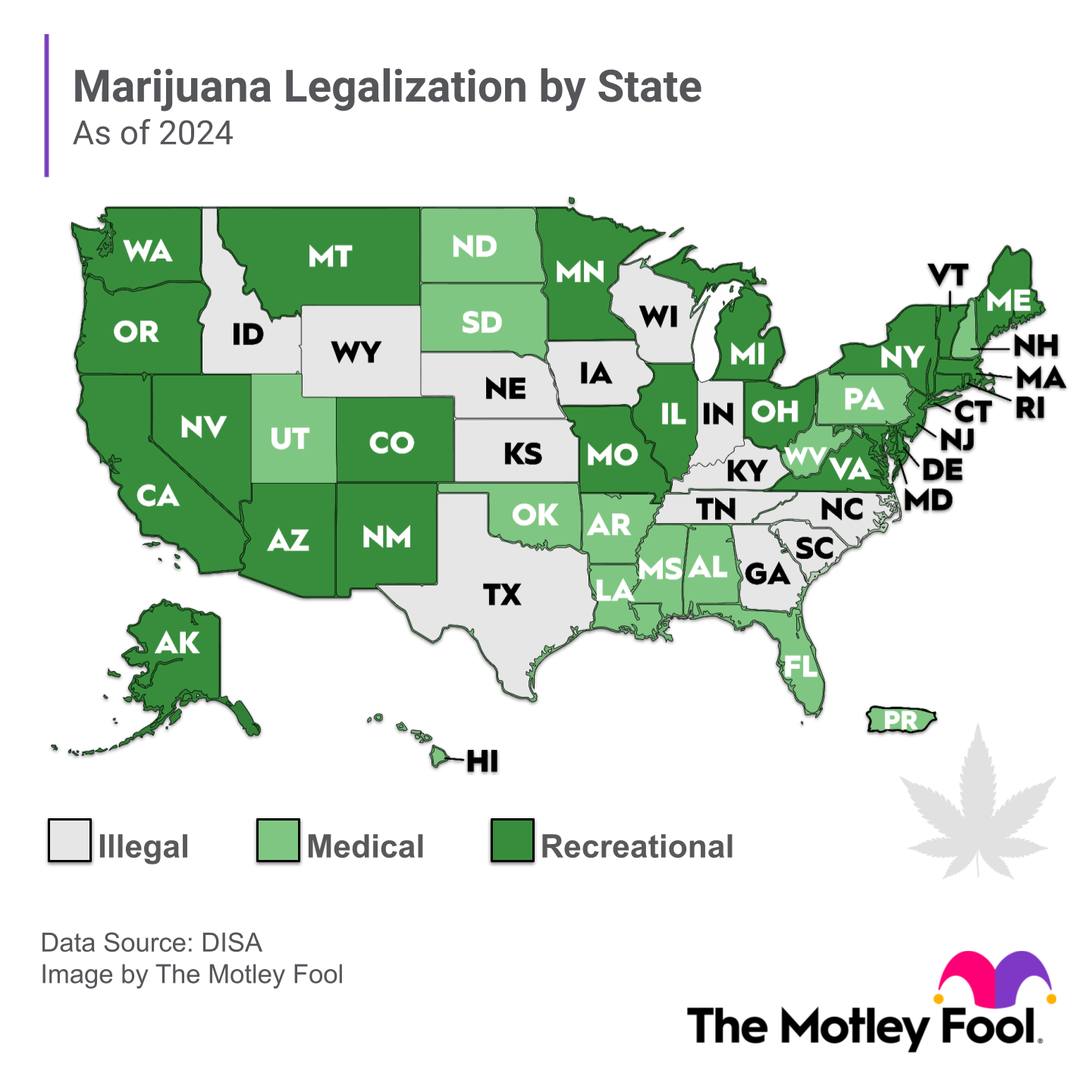
For travelers planning a visit to Florida, staying informed about the evolving legal landscape is essential. While medical marijuana is currently legal for qualified patients, recreational use is not yet permitted. This means that bringing cannabis into the state or attempting to purchase it outside of the medical program is against the law.
Should Florida move towards recreational legalization, travelers can expect a period of adjustment. Initial regulations might be restrictive, and it will be crucial to understand the specific laws regarding possession limits, purchasing locations, and consumption rules. The state’s tourism agencies and official websites will likely provide updated information as changes occur, ensuring that visitors can enjoy their stay responsibly and legally.
The narrative of Florida is constantly being written, and the potential legalization of recreational marijuana is a significant chapter in its ongoing story. As the state continues to welcome millions of visitors to its shores, this evolving policy will undoubtedly shape the experiences of many, adding another dimension to the vibrant tapestry of Florida travel, accommodation, and lifestyle. Whether it’s exploring the theme parks of Orlando, soaking up the sun on the beaches of Clearwater, or enjoying the unique culture of Key West, the future of cannabis in the Sunshine State promises to be a topic of continued interest and debate.
LifeOutOfTheBox is a participant in the Amazon Services LLC Associates Program, an affiliate advertising program designed to provide a means for sites to earn advertising fees by advertising and linking to Amazon.com. Amazon, the Amazon logo, AmazonSupply, and the AmazonSupply logo are trademarks of Amazon.com, Inc. or its affiliates. As an Amazon Associate we earn affiliate commissions from qualifying purchases.