
The elusive Florida panther ( Puma concolor coryi ) is one of the most iconic and endangered mammals in North America. These magnificent big cats, a subspecies of the cougar, are found exclusively in the Sunshine State, a fact that underscores their vulnerability and the critical importance of their conservation. Their very existence is intrinsically tied to the unique ecosystems of southern Florida, making their habitat a vital subject for anyone interested in nature, wildlife, and the preservation of biodiversity. Understanding where Florida panthers live is the first step in appreciating the challenges they face and the efforts being made to ensure their survival.

The primary range of the Florida panther is concentrated in the southwestern region of Florida. Historically, their territory spanned across the entire southeastern United States, from Texas to the Atlantic Coast. However, due to habitat loss, human encroachment, and hunting, their numbers dwindled dramatically, confining them to a much smaller, fragmented area. Today, their stronghold is primarily within the vast, wild landscapes south of Lake Okeechobee, encompassing areas of dense forest, saw palmetto scrub, and the unique Everglades ecosystem. This geographical limitation means that any threat to these specific habitats directly impacts the entire Florida panther population.
The Essential Ecosystems of Florida Panther Habitat
The survival of the Florida panther hinges on the availability of specific types of natural landscapes that provide the essential elements for their life cycle: food, water, shelter, and breeding grounds. These felines are apex predators, and their presence is an indicator of a healthy ecosystem. The habitats they occupy are as unique as the animal itself, characterized by a mix of subtropical flora and a complex network of waterways.
South Florida’s Wild Heart: Everglades National Park and Surrounding Areas
The heart of Florida panther territory lies within and around Everglades National Park. This vast, protected wilderness is a crucial sanctuary for the species. The park’s diverse habitats, including pinelands, hardwood hammocks, cypress swamps, and coastal marshes, offer a rich and varied environment for the panthers. The sawgrass prairies, a defining feature of the Everglades, are home to an abundance of prey species like white-tailed deer and raccoons, which form the cornerstone of the panther’s diet.
Within Everglades National Park, specific areas are known to be critical for panther denning and hunting. These include the relatively undisturbed interior marshes and the hammocks, which provide dense cover for raising kittens and ambushing prey. The park’s commitment to preserving these natural areas is paramount to the Florida panther‘s continued existence.
Beyond the park boundaries, the ecological corridor extends into surrounding public and private lands. Areas like Big Cypress National Preserve, Fakahatchee Strand Preserve State Park, and the Collier Seminole State Park are also vital components of the panther’s habitat. These interconnected natural spaces allow panthers to roam, hunt, and find mates, preventing genetic isolation. The preservation of these contiguous landscapes is a primary focus of conservation efforts, as fragmentation poses a significant threat.
The Significance of Hardwood Hammocks and Pine Flatwoods
Two particular habitat types are especially important for Florida panthers: hardwood hammocks and pine flatwoods.
-
Hardwood Hammocks: These are islands of dense, broad-leaved trees that rise slightly above the surrounding landscape. They are often characterized by oaks, palms, and other tropical trees. Hammocks provide excellent cover for panthers, offering shade, protection from the elements, and ideal ambush sites for hunting. They are also crucial for denning, with hollow logs, dense thickets, and root masses providing safe havens for mothers and their young. The nutrient-rich soils of hammocks support a higher density of prey species, making them prime hunting grounds.
-
Pine Flatwoods: These are open forests dominated by slash pines and saw palmettos. The understory is often thick with saw palmettos, gallberries, and other shrubs, providing cover for both panthers and their prey. Pine flatwoods are extensive ecosystems in southern Florida and are vital for panthers as they provide broad hunting territories and movement corridors. The open nature of these areas allows panthers to cover large distances efficiently while still having opportunities to stalk prey.
The interplay between these habitat types is essential. Panthers often move between hammocks and flatwoods, utilizing the strengths of each. For instance, they might hunt in the open flatwoods and retreat to the cover of a hammock to rest or den. This mosaic of ecosystems is fundamental to their ecological niche.
Expanding Horizons: Panther Movement and Habitat Corridors
While the core habitat of the Florida panther is in southwestern Florida, their need for extensive territories and the pressures of habitat loss have led to observations of panthers venturing into new and previously occupied areas. Understanding these movements is crucial for effective conservation planning and for ensuring that development does not impede their dispersal.
Northward Expansion and the Role of Urban Sprawl
In recent decades, there have been promising signs of Florida panthers moving northward, crossing the Caloosahatchee River. This northward expansion is a critical development for the species, as it offers the potential to re-establish populations in areas where they were once prevalent and to increase genetic diversity. However, this expansion is fraught with challenges, primarily due to increasing human populations and urban development in central Florida.
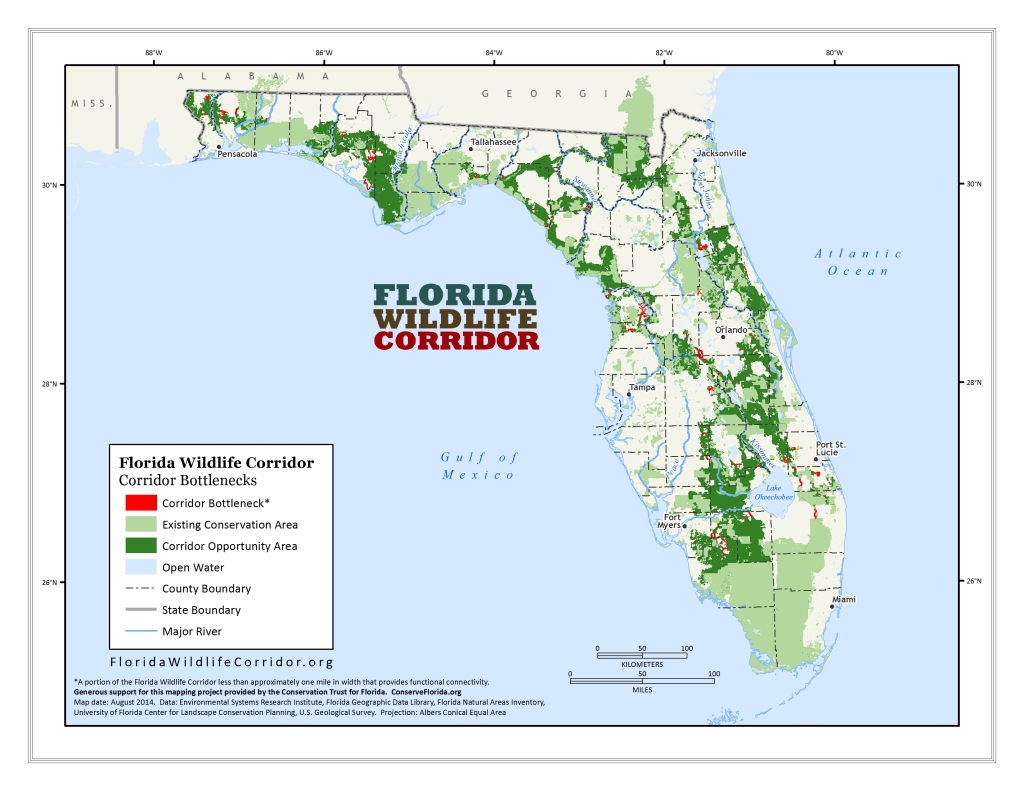
The growth of cities like Fort Myers, Naples, and the continued development along the I-75 corridor pose significant barriers to panther movement. Roads, highways, and agricultural lands fragment their habitat, increasing the risk of vehicle collisions, a leading cause of panther mortality. Establishing and protecting habitat corridors is paramount to facilitating this northward dispersal. These corridors act as natural bridges, allowing panthers to move safely between fragmented patches of habitat, access new hunting grounds, and find mates from different populations.

The Importance of Rural Lands and Private Landowner Collaboration
The future of the Florida panther is not solely dependent on protected public lands. Rural agricultural lands, ranches, and even some undeveloped private properties play a vital role in providing the necessary space and resources for these animals. Many of these private holdings fall within or adjacent to established panther territories and serve as crucial foraging areas or travel routes.
The success of Florida panther conservation relies heavily on the cooperation of private landowners. Many ranchers and farmers in the panther’s range are actively involved in conservation efforts, implementing land management practices that support panther habitat and prey populations. Programs that offer incentives and technical assistance to landowners for habitat restoration and protection are invaluable. By working collaboratively, conservationists, government agencies, and private citizens can create a network of interconnected habitats that allows the Florida panther to thrive across a broader landscape. This inclusive approach recognizes that the survival of this magnificent predator depends on a shared commitment to preserving the wild spaces of Florida.
The habitat of the Florida panther is a dynamic and complex landscape, a testament to the unique biodiversity of Florida. From the depths of the Everglades to the rolling landscapes of rural ranches, these endangered cats rely on a delicate balance of ecosystems. Their future is a powerful reminder of our responsibility to protect not only the species itself but also the natural world that sustains it.
LifeOutOfTheBox is a participant in the Amazon Services LLC Associates Program, an affiliate advertising program designed to provide a means for sites to earn advertising fees by advertising and linking to Amazon.com. Amazon, the Amazon logo, AmazonSupply, and the AmazonSupply logo are trademarks of Amazon.com, Inc. or its affiliates. As an Amazon Associate we earn affiliate commissions from qualifying purchases.