
Nestled along the vibrant Gulf Coast of Southwest Florida, Cape Coral emerges as a unique and expansive city, renowned for its extensive canal system and its appeal to both residents and visitors. When asking “Where is Cape Coral, Florida located?”, the answer points to a specific, strategically positioned hub within the Sunshine State, offering a distinctive blend of coastal charm, urban amenities, and recreational opportunities. Understanding its geographical context is the first step to appreciating what makes this city a compelling destination for travel, leisure, and lifestyle.
The city’s location places it in a prime spot for experiencing the best of what Florida has to offer, from pristine beaches to thriving cultural scenes. It’s a place that has grown significantly, transforming from a master-planned community into a dynamic city with a growing population and a robust economy. For those planning a trip, exploring potential residences, or simply curious about this prominent Florida locale, pinpointing its exact whereabouts is crucial for setting expectations and planning adventures.

Geographical Positioning and Regional Context
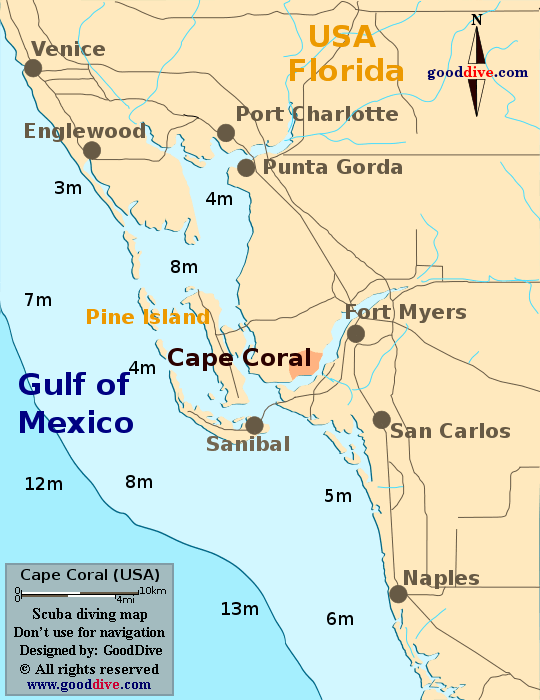
To precisely answer “Where is Cape Coral, Florida located?”, we must delve into its regional placement within the United States and its immediate surroundings. Cape Coral is situated in Lee County, in the southwestern part of Florida. This places it on the mainland, directly across the Caloosahatchee River from the city of Fort Myers. Its proximity to major waterways and the Gulf of Mexico is a defining characteristic of its geography and influences its lifestyle and economy.
The Heart of Southwest Florida
Cape Coral is a significant component of the broader Southwest Florida region, an area celebrated for its warm climate, abundant sunshine, and diverse natural landscapes. This region is a popular destination for tourists seeking sun-drenched vacations, water-based activities, and a relaxed pace of life. Cape Coral contributes significantly to this regional appeal, offering a unique urban environment interwoven with aquatic pathways.
Its position within Southwest Florida means it’s a gateway to many of the area’s attractions. To the west, the Gulf of Mexico beckons with its sandy shores and clear waters. To the east, the Caloosahatchee River serves as a vital artery, connecting the city to the interior of Florida and the Lake Okeechobee watershed. This strategic location makes it easily accessible and a convenient base for exploring the surrounding counties and their respective offerings.
The city is part of a larger metropolitan area, often referred to as the Cape Coral-Fort Myers Metropolitan Statistical Area, which highlights its economic and social interconnectedness with neighboring communities. This close relationship with Fort Myers, the county seat of Lee County, provides residents and visitors with access to a wider range of services, entertainment, and transportation options.
Proximity to Key Destinations
The answer to “Where is Cape Coral, Florida located?” also becomes more tangible when considering its proximity to other well-known Florida destinations. It is approximately:
- 110 miles (177 kilometers) south of Tampa and St. Petersburg.
- 145 miles (233 kilometers) west of Orlando, the home of many theme parks.
- 165 miles (266 kilometers) southwest of Miami, Florida’s most populous city.
- A short drive to popular barrier islands and coastal towns such as Fort Myers Beach, Sanibel Island, and Captiva Island, renowned for their shelling and pristine beaches.
This proximity makes Cape Coral an excellent choice for those who wish to experience the quieter side of Florida living while remaining within easy reach of major tourist hubs and natural attractions. The ease of access to international airports, such as Southwest Florida International Airport (RSW) near Fort Myers, further enhances its appeal for travelers.
The Unique Urban Landscape of Cape Coral
Beyond its geographical coordinates, understanding “Where is Cape Coral, Florida located?” also involves appreciating its distinctive urban design and the features that set it apart. The city is not defined by a traditional downtown core but rather by its sprawling residential areas, commercial centers, and, most importantly, its vast network of man-made canals.
The Canal City of the United States
Perhaps the most defining characteristic of Cape Coral is its extensive system of over 400 miles of navigable waterways. This makes it one of the largest cities in the world, and certainly in the United States, in terms of canal mileage. These canals are not merely aesthetic features; they are integral to the city’s identity and lifestyle, providing direct access to the Caloosahatchee River and, subsequently, the Gulf of Mexico.
This intricate network of canals influences the way residents live, with many homes featuring private docks and waterfront access. Boating, fishing, and other water-based recreational activities are central to the Cape Coral lifestyle. For visitors, this unique feature offers opportunities for scenic boat tours, kayaking, and experiencing the city from a different perspective. It’s a testament to urban planning that has created a marine-oriented environment within a large city.
Master-Planned Origins

Cape Coral began its existence as a master-planned community, conceived by the Genter brothers in the late 1950s. The vision was to create a vibrant, waterfront city that would attract retirees and families alike. This origin story is important to understanding its layout, which features wide, tree-lined streets, numerous parks, and residential neighborhoods designed around the canal system. While it has since evolved into a fully incorporated city with diverse neighborhoods and commercial zones, the foundational principles of its design are still evident.
The city’s growth has been remarkable, and it is now the largest city in Lee County by population and the eighth-largest in Florida. This expansion has led to the development of various shopping centers, dining establishments, and entertainment venues, ensuring that residents and visitors have access to all the amenities they might need.
Parks, Recreation, and Nature
When exploring “Where is Cape Coral, Florida located?”, one should also consider its commitment to green spaces and natural beauty. Despite its urban development, Cape Coral boasts an impressive array of parks and natural areas. The city offers over 30 community parks, many of which are waterfront, providing spaces for picnicking, sports, and relaxation.
Notable among these is Four Freedoms Park, offering stunning views of the Caloosahatchee River. Rotary Park is a haven for birdwatchers, featuring a boardwalk through mangroves and a butterfly garden. For those seeking a more immersive natural experience, the nearby Four Mile Cove Ecological Preserve provides hiking trails and opportunities to observe native wildlife.
The presence of these natural havens, coupled with the extensive canal system, creates a unique environment where urban living seamlessly integrates with the natural world. This balance contributes to the high quality of life that draws many to Cape Coral.
Experiencing Cape Coral: Travel, Tourism, and Lifestyle
The answer to “Where is Cape Coral, Florida located?” ultimately leads to an exploration of the experiences it offers. Its strategic location, unique environment, and growing infrastructure make it a compelling destination for various types of travelers and residents.
A Hub for Water-Based Activities and Exploration
For anyone interested in travel and tourism, Cape Coral presents a wealth of opportunities centered around its aquatic environment. Boating enthusiasts will find paradise here, with easy access to the Gulf of Mexico for deep-sea fishing, dolphin watching, and exploring the nearby islands. The city is home to numerous marinas and boat rental facilities, catering to all levels of experience.
- Fishing: From the inshore waters of the Gulf to the deeper offshore areas, Cape Coral is a prime spot for anglers. Popular catches include snook, redfish, tarpon, and various species of grouper and snapper.
- Boating: Navigating the city’s canals offers a unique perspective, allowing you to see the diverse waterfront homes and enjoy the gentle pace of canal life. Day trips to the barrier islands are a popular pastime.
- Kayaking and Paddleboarding: The calmer waters of the canals and mangrove areas are ideal for kayaking and paddleboarding, providing an intimate way to experience the local ecosystem and spot wildlife.
The city’s positioning also makes it an excellent starting point for exploring the wider Southwest Florida coastline. A short boat ride or drive can take you to world-famous destinations like Sanibel Island and Captiva Island, known for their exceptional shelling and tranquil beaches. Fort Myers Beach offers a more lively beach scene with a vibrant atmosphere.
Accommodation and Lifestyle Choices
When considering “Where is Cape Coral, Florida located?” from a lifestyle and accommodation perspective, the options are diverse. The city caters to a range of preferences, from luxury stays to more budget-friendly options, and appeals to various demographics, including families, retirees, and business travelers.
- Hotels and Resorts: While Cape Coral itself is primarily residential, it offers a selection of hotels and inns, particularly along the main commercial corridors. For more extensive resort experiences, visitors often look to nearby Fort Myers or the coastal towns, with options ranging from boutique hotels to larger chains.
- Vacation Rentals: Given its appeal to boaters and families, vacation rentals, including apartments and villas, are abundant in Cape Coral. Many of these properties are directly on the canals, offering unparalleled waterfront living and private dockage. This type of accommodation is ideal for longer stays or for those seeking a more independent and immersive experience.
- Long-Term Stays: Cape Coral is a popular destination for individuals and families considering a longer-term relocation or extended visits. The availability of apartments, houses, and condos makes it a practical choice for those seeking to experience the Florida lifestyle year-round or for a significant period.
The lifestyle in Cape Coral is often characterized by its relaxed, sun-drenched atmosphere, with a strong emphasis on outdoor activities and community engagement. It attracts those who appreciate the water, enjoy boating, and seek a more laid-back pace of life, yet still desire access to urban conveniences and a thriving local culture.
Landmarks and Cultural Experiences
While not defined by ancient ruins or grand historical monuments in the traditional sense, Cape Coral and its surroundings are rich with natural landmarks and offer unique cultural experiences.
- The Caloosahatchee River: This vital waterway is a landmark in itself, shaping the city’s geography and providing a crucial link to the Gulf. It’s a focal point for recreation and offers scenic beauty.
- Sunsplash Family Waterpark: For families, this is a major attraction offering a fun-filled day with water slides and pools.
- Local Arts and Culture: Cape Coral has a growing arts scene, with galleries and local theaters. The proximity to Fort Myers also provides access to larger cultural institutions, museums, and historical sites, such as the Edison and Ford Winter Estates.
In conclusion, the question “Where is Cape Coral, Florida located?” opens a door to understanding a city that is uniquely defined by its aquatic landscape, its strategic position in Southwest Florida, and its appeal as a destination for leisure, lifestyle, and adventure. Whether you’re planning a vacation, seeking a new place to live, or simply curious about this distinctive Florida city, its location offers a rich tapestry of experiences waiting to be discovered.
LifeOutOfTheBox is a participant in the Amazon Services LLC Associates Program, an affiliate advertising program designed to provide a means for sites to earn advertising fees by advertising and linking to Amazon.com. Amazon, the Amazon logo, AmazonSupply, and the AmazonSupply logo are trademarks of Amazon.com, Inc. or its affiliates. As an Amazon Associate we earn affiliate commissions from qualifying purchases.