
Nestled along the northeastern coast of the Sunshine State, Flagler County, Florida, beckons travelers with its pristine beaches, rich history, and a unique blend of coastal charm and natural beauty. For those planning a visit or simply curious about this captivating region, understanding its geographical placement is the first step to unlocking its many treasures. This guide will delve into the precise location of Flagler County, explore its distinct geographical features, and highlight how its positioning influences its vibrant tourism and lifestyle offerings.
A Coastal Gem: Unpacking Flagler County’s Geographic Identity
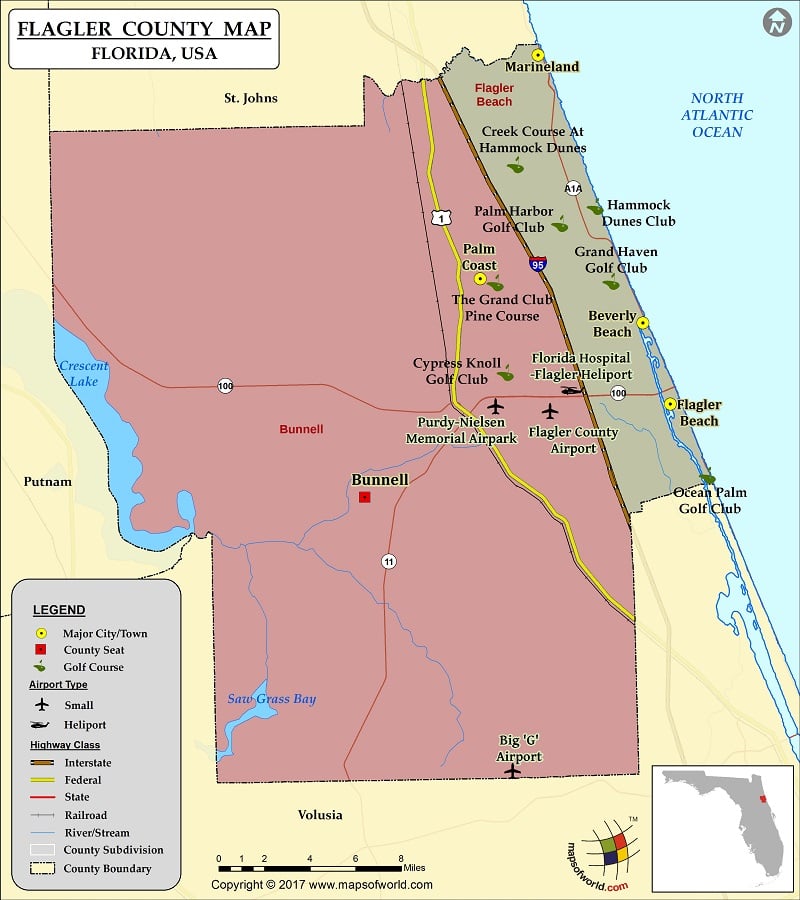
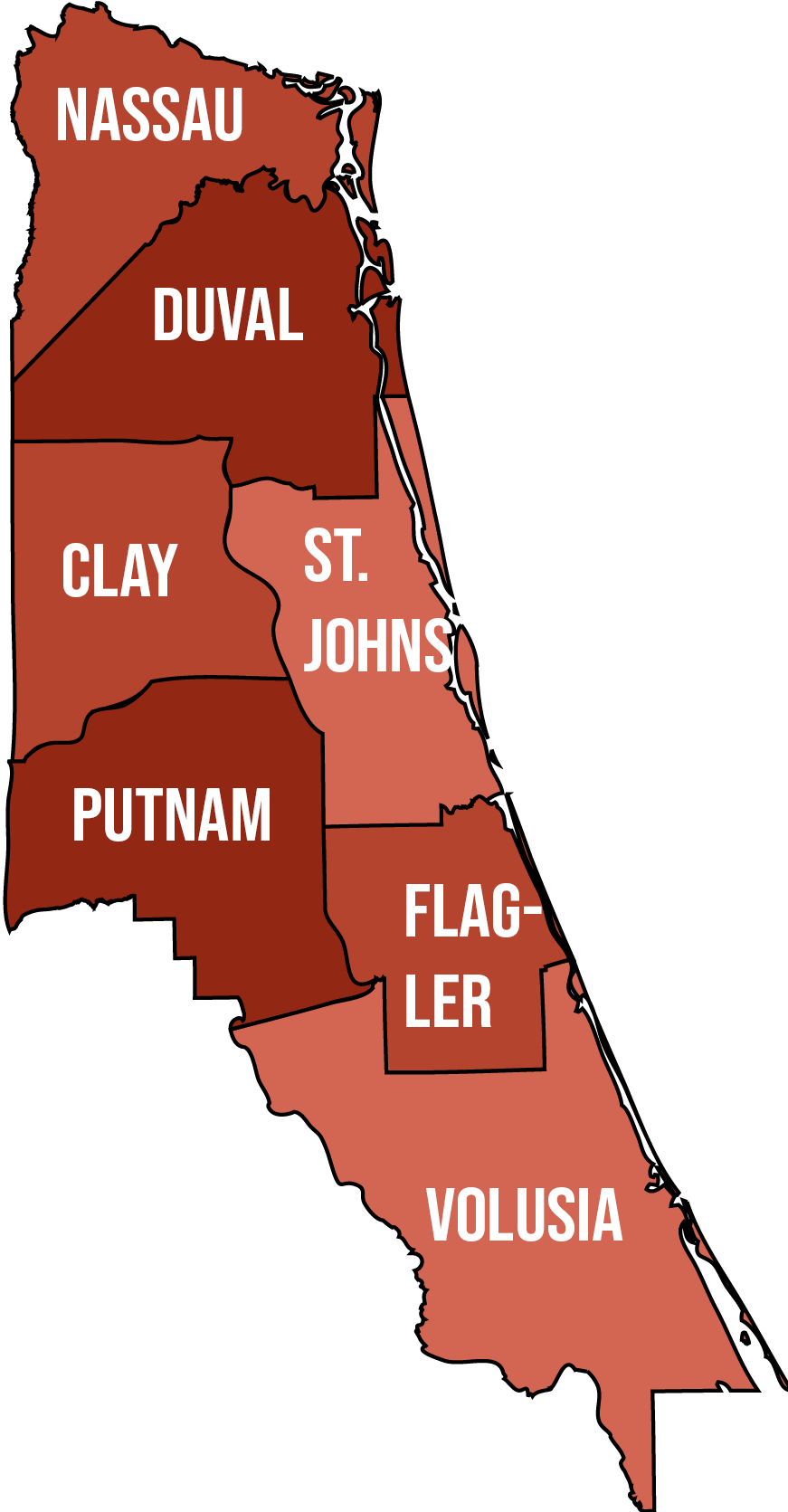
Flagler County is strategically situated in the northeastern quadrant of Florida, a location that grants it direct access to the Atlantic Ocean. This coastal positioning is a defining characteristic, shaping its climate, economy, and the very essence of its appeal. To pinpoint it more accurately within the state, it lies south of St. Johns County and north of Volusia County. Its western border is defined by Putnam County and a small segment of Marion County, creating a well-defined geographical entity.
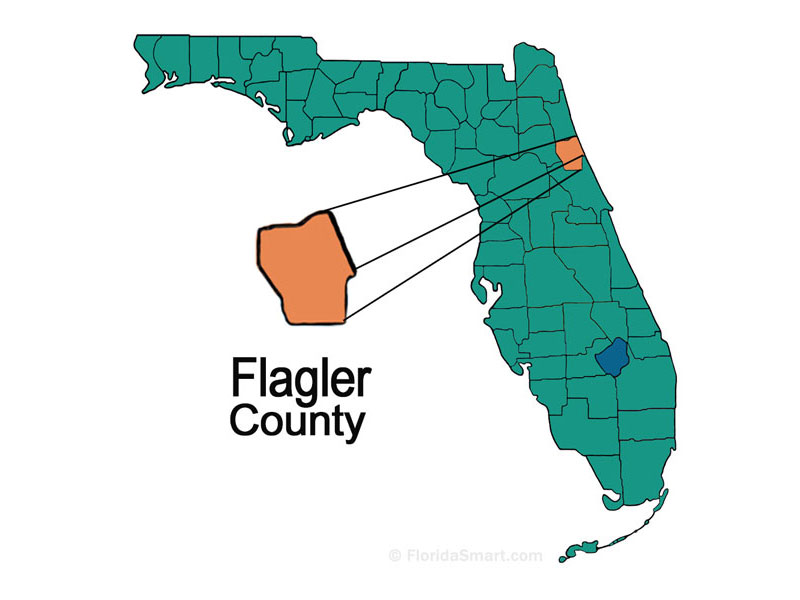
The county seat, Bunnell, serves as the administrative heart, while the bustling coastal city of Palm Coast is its most populous urban center and a significant hub for tourism and residential life. Other notable communities within Flagler County include Flagler Beach, renowned for its laid-back surf culture and iconic pier, and the historic town of Bunnell.
Proximity to Major Hubs and Transportation Networks
A significant advantage of Flagler County’s location is its proximity to major metropolitan areas and transportation arteries. It is conveniently situated approximately halfway between the historic city of St. Augustine to the north and the vibrant entertainment capital of Orlando to the southwest. This accessibility makes it an ideal destination for day trips, weekend getaways, and longer stays, catering to a diverse range of travel preferences.
For air travelers, Flagler County is well-served by regional and international airports. The nearest major airport is Daytona Beach International Airport, located south in Volusia County. Further afield, but still accessible, are Orlando International Airport and Jacksonville International Airport, both offering a wider array of domestic and international flight options.
The county is traversed by major highways, including the Interstate 95 (I-95) corridor, a primary north-south route along the eastern seaboard of the United States. This direct access facilitates easy travel to and from the north and south. Additionally, State Road 100 (SR 100) cuts across the county, connecting the coastal communities with inland areas and providing access to the western parts of the state. This well-developed transportation infrastructure significantly enhances the ease of exploring Flagler County and its surrounding regions.
The Allure of the Atlantic Coast: Natural Landscapes and Recreational Opportunities
Flagler County’s prime location on the Atlantic coast is the bedrock of its natural allure. The county boasts miles of undeveloped or minimally developed beaches, offering a tranquil escape from the more crowded shores found elsewhere in Florida. These stretches of sand are not just for sunbathing and swimming; they are dynamic ecosystems that support a variety of wildlife and provide unparalleled opportunities for outdoor recreation.
Pristine Beaches and Coastal Activities
The most prominent feature of Flagler County’s natural landscape is undoubtedly its coastline. Flagler Beach itself is a gem, with its historic pier serving as a landmark and a popular spot for fishing, sunset viewing, and observing the coastal scenery. The town of Flagler Beach embodies a classic Florida beach town vibe, with a charming downtown area featuring surf shops, local eateries, and art galleries.
Beyond Flagler Beach, residents and visitors can explore other coastal areas offering diverse experiences. The northern end of the county features areas like Washington Oaks Gardens State Park, a unique natural treasure where the beach meets tidal marshes and formal gardens. Here, visitors can walk among ancient oak trees, discover coquina rock formations along the shoreline, and witness the abundant birdlife. Further south, the expansive beaches of Palm Coast offer ample space for beachcombing, shelling, and simply enjoying the ocean breeze.
The Atlantic waters adjacent to Flagler County are ideal for a range of water sports. Surfing is a popular activity, particularly in Flagler Beach, which is known for its consistent waves. Kayaking and paddleboarding are excellent ways to explore the calmer waters of the Intracoastal Waterway or the inlets that lead to the ocean. Fishing enthusiasts will find plenty of opportunities, from surf fishing along the beaches to chartering boats for deep-sea excursions. The fishing pier in Flagler Beach is a focal point for anglers, offering a convenient and picturesque spot to cast a line.
Inland Wonders: Parks, Preserves, and Nature Trails
While the coast is a major draw, Flagler County’s location also provides access to a rich tapestry of inland natural areas. The county is crisscrossed by waterways, including the Intracoastal Waterway, which offers serene boating and wildlife viewing opportunities. Several parks and nature preserves dot the landscape, showcasing Florida’s diverse ecosystems.
Bulow Creek State Park, located in the eastern part of the county, is a must-visit for nature lovers. It is home to the Fairchild Oak, one of the largest and oldest live oak trees in the southeastern United States, estimated to be over 300 years old. The park features walking trails that wind through ancient oak hammocks, offering a glimpse into the primeval beauty of the Florida landscape.
Further inland, Graham Swamp Preserve provides a significant area of protected wetlands and forests, serving as a crucial habitat for various wildlife species. Hiking and birdwatching are popular activities here, allowing visitors to immerse themselves in the tranquility of Florida’s natural interior. The presence of these natural reserves, strategically located within the county, enhances the lifestyle options for residents and provides enriching experiences for tourists seeking more than just a beach vacation. The juxtaposition of the coastal environment with these verdant inland areas is a testament to Flagler County’s diverse natural appeal.
A Hub for Culture, History, and Lifestyle Choices
Flagler County’s location has also shaped its cultural landscape and the diverse lifestyle options it offers. The proximity to historic areas and the development of its own unique character have created a destination that appeals to a wide spectrum of individuals, from families seeking affordable vacations to retirees looking for a peaceful coastal life, and luxury travelers desiring premium experiences.
Echoes of the Past: Historical Landmarks and Local Culture
The history of Flagler County is deeply intertwined with Florida’s past. The area was historically inhabited by Native American tribes before European settlement. Later, it played a role in the state’s agricultural development, particularly citrus and timber. The county was established in 1917 and named in honor of Henry Flagler, the railroad magnate who significantly contributed to Florida’s development.
While not as densely packed with historical sites as some of its northern neighbors, Flagler County offers glimpses into its past. The town of Bunnell, as the county seat, retains some of its historic architecture, offering a charming glimpse into early 20th-century Florida. Visitors interested in local history can explore the Flagler County Historical Museum to learn more about the region’s heritage.
The local culture in Flagler County is a blend of old Florida charm and modern coastal living. The surf culture in Flagler Beach is palpable, with its friendly atmosphere and emphasis on outdoor activities. Palm Coast, on the other hand, is a more planned community, offering a variety of amenities and a diverse population. The local food scene reflects this blend, with opportunities to savor fresh seafood, enjoy casual beachfront dining, and explore diverse culinary offerings in Palm Coast. The county also hosts various community events and festivals throughout the year, celebrating its local heritage and fostering a strong sense of community.
Accommodation and Lifestyle: Catering to Every Traveler
The strategic location and diverse attractions of Flagler County make it an attractive destination for various types of accommodation and lifestyle choices. Whether you are planning a short visit or considering a more extended stay, the county offers options to suit every budget and preference.
For travelers seeking comfort and convenience, a range of hotels and resorts are available. In Palm Coast, you can find modern hotels offering amenities such as swimming pools, fitness centers, and on-site dining. Many of these establishments provide easy access to the beach and nearby attractions. Flagler Beach offers charming boutique hotels and vacation rentals, perfect for those who want to immerse themselves in the laid-back beach town atmosphere. For those seeking a more exclusive experience, luxury villas and private apartments can be found, providing privacy and upscale amenities.
Accommodation options also extend to longer-term stays, appealing to individuals or families considering a move to the area or planning an extended vacation. From comfortable apartments to spacious homes, the availability caters to diverse needs. The growing popularity of Flagler County as a residential and tourist destination has led to an expansion of its accommodation offerings, ensuring that visitors can find a place that feels like home.
The lifestyle in Flagler County is characterized by its relaxed pace and emphasis on outdoor living. It appeals to families looking for safe and engaging vacation spots, with plenty of activities for children, from building sandcastles on the beach to exploring nature trails. Budget travelers can find affordable accommodation and enjoy the many free attractions, such as the beaches and parks. Luxury travelers will appreciate the upscale resorts, fine dining options, and the serene beauty of the coastal landscapes. Business travelers also find Flagler County a convenient and peaceful base, especially with its proximity to major business centers via I-95.
In conclusion, Flagler County, Florida, is geographically situated on the northeastern coast, offering a compelling mix of natural beauty, historical depth, and diverse lifestyle opportunities. Its accessible location, pristine beaches, abundant nature, and welcoming communities make it a noteworthy destination for any traveler exploring the Sunshine State.
LifeOutOfTheBox is a participant in the Amazon Services LLC Associates Program, an affiliate advertising program designed to provide a means for sites to earn advertising fees by advertising and linking to Amazon.com. Amazon, the Amazon logo, AmazonSupply, and the AmazonSupply logo are trademarks of Amazon.com, Inc. or its affiliates. As an Amazon Associate we earn affiliate commissions from qualifying purchases.