
Navigating the intricacies of traffic citations, especially when you’re a visitor or resident in the vibrant state of Florida, can be a source of confusion. Among the most frequently asked questions is “Where is the citation number on a ticket in Florida?”. This seemingly simple query often arises when individuals need to pay a fine, contest a violation, or simply understand the details of their infraction. Understanding the anatomy of a Florida traffic ticket is crucial for a smooth and stress-free resolution. This article aims to demystify the process, guiding you through the essential elements of a Florida traffic citation, with a particular focus on locating that all-important citation number.

Understanding Your Florida Traffic Citation: Beyond the Citation Number
A Florida traffic ticket, often referred to as a Uniform Traffic Citation, is more than just a piece of paper; it’s a legal document detailing an alleged violation of state traffic laws. For travelers exploring the sunshine state, perhaps staying at a luxurious resort like the Ritz-Carlton Amelia Island or enjoying the theme parks of Orlando, receiving a ticket can be an unexpected detour. Similarly, residents in cities like Miami or Tampa might find themselves scrutinizing their tickets. Beyond the citation number, several other key pieces of information are present on the ticket that are vital for understanding and addressing the violation.
Key Information on Your Florida Traffic Ticket
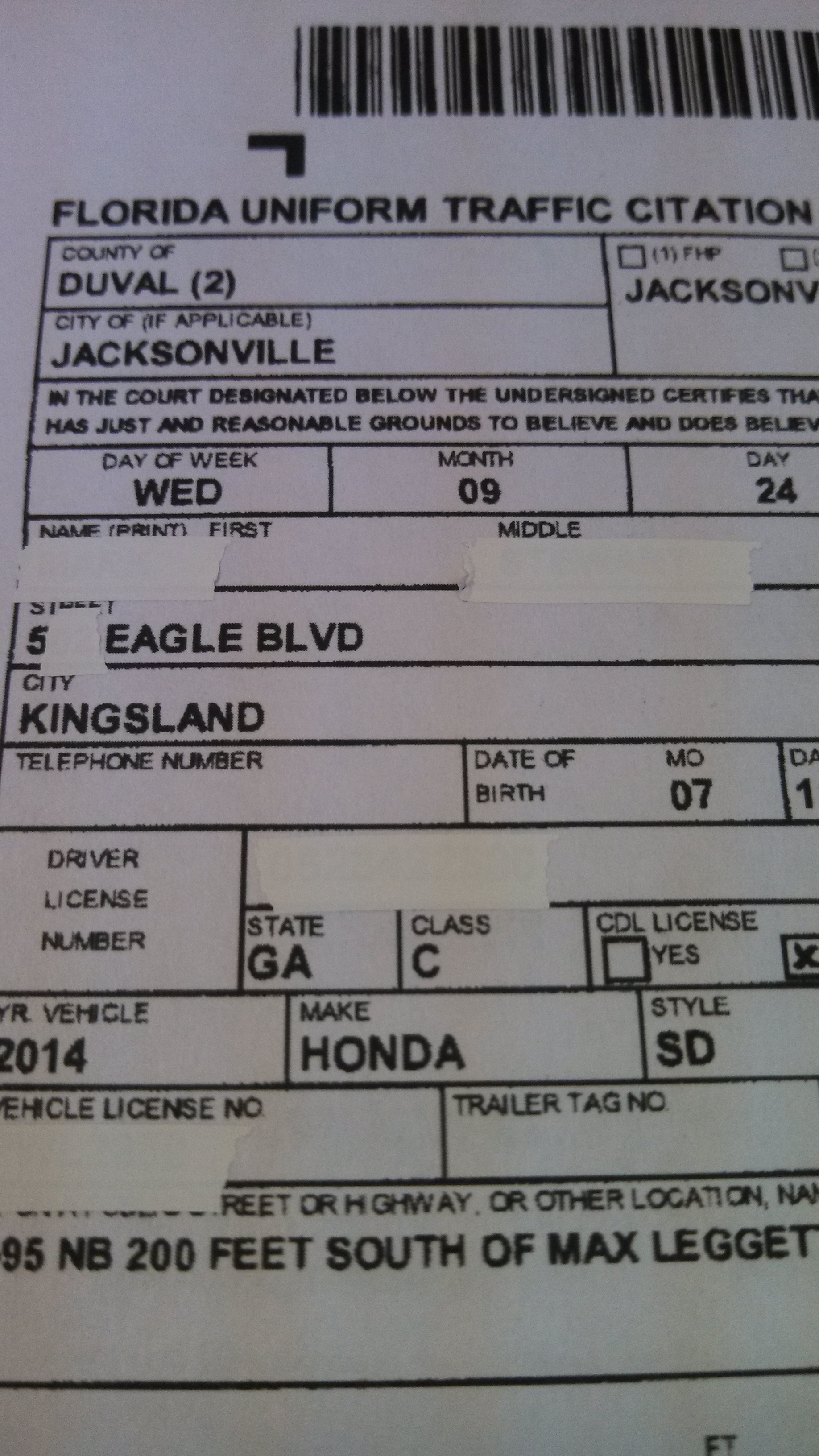
When you unfold your Florida traffic ticket, take a moment to locate these essential components:
- Issuing Officer Information: This section typically includes the officer’s name, badge number, and the law enforcement agency they represent. This is important for any potential future communication or court appearances.
- Driver Information: Your name, address, date of birth, and driver’s license number will be clearly listed. Ensure this information is accurate.
- Vehicle Information: Details about the vehicle involved in the infraction, including the make, model, year, and license plate number, will be present.
- Location of Violation: The ticket will specify where the alleged violation occurred, often including the road name, direction of travel, and nearest intersection or mile marker. This is crucial if you plan to contest the ticket, as it helps to pinpoint the circumstances of the stop. For example, if you were enjoying the scenic beauty of the Overseas Highway and received a ticket, the exact location will be vital for your defense.
- Date and Time of Violation: This straightforward detail is important for record-keeping and for recalling the events of the incident.
- Statute Violated: This is a critical piece of information. It lists the specific Florida Statute that the officer believes you have violated. Understanding this statute can help you research the offense and its penalties.
- Description of Violation: A brief narrative describing the alleged infraction, such as “Speeding 45 in a 35 mph zone” or “Failure to Stop at a Red Light.”
- Court Information: The ticket will indicate which court has jurisdiction over the offense and may provide contact information or a website for the court. This is where you will typically handle fines or schedule hearings.
- Disposition Options: The ticket will usually outline your options, which typically include paying the fine, attending traffic school (if eligible), or contesting the ticket in court.
Locating the Elusive Citation Number
Now, let’s address the primary question: Where is the citation number on a ticket in Florida? The citation number, also often referred to as the ticket number or citation control number, is your unique identifier for this specific traffic violation. It’s the key that unlocks your case in the court system.
On most Florida Uniform Traffic Citations, the citation number is prominently displayed. It is typically located:
- In the upper right-hand corner of the ticket.
- Often preceded by “Citation No.” or “Ticket No.”
- It’s a sequence of numbers, and sometimes alphanumeric characters, specific to your citation.
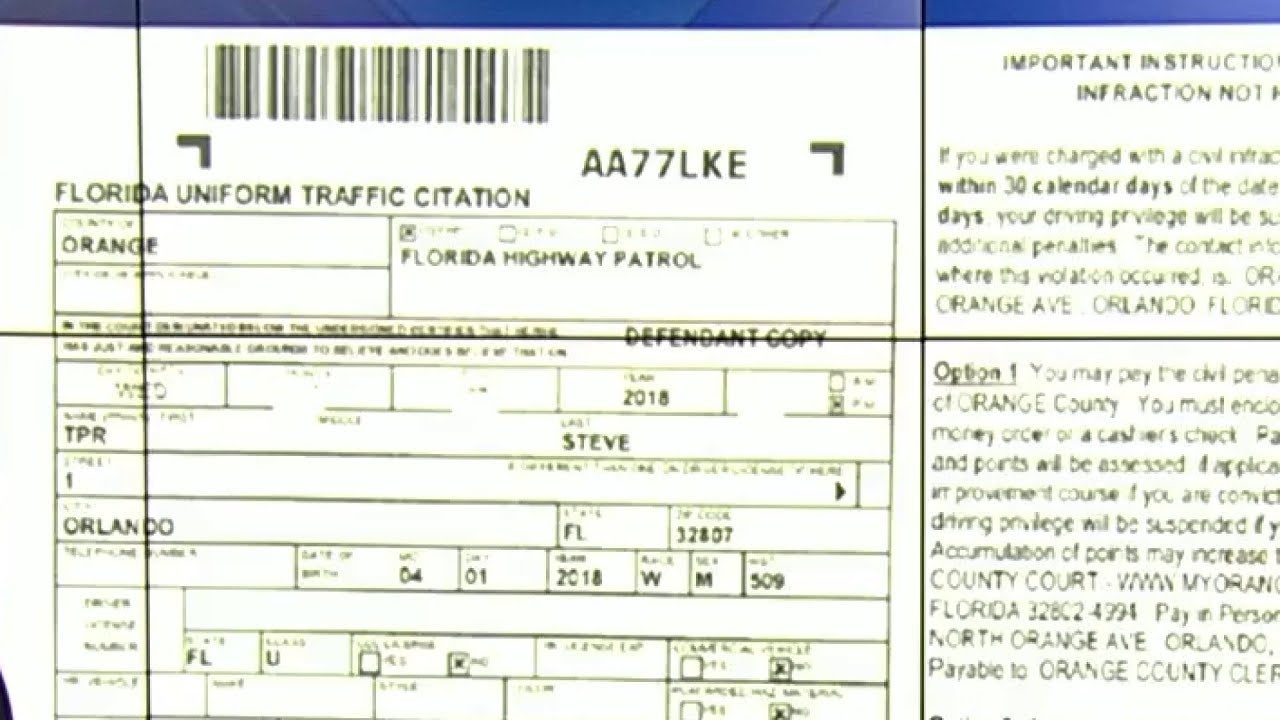
It is usually a distinct and lengthy number, designed to avoid confusion with other numbers on the ticket, such as the officer’s badge number or the driver’s license number. Take a close look at the top section of your ticket; it’s designed to be easily found. If you are struggling to locate it, don’t hesitate to call the clerk of the court listed on your ticket for assistance. They are accustomed to helping individuals find their citation number.
The Importance of the Citation Number: More Than Just a Label
The citation number is not merely an arbitrary label; it serves several critical functions in the Florida legal and administrative systems. Understanding its significance can help you appreciate why it’s so important to keep this number safe and readily accessible.
Why the Citation Number is Crucial
- Payment Processing: When you decide to pay your traffic ticket fine, the citation number is the primary piece of information required by the court or the online payment portal. Without it, the system cannot identify your specific violation and process your payment correctly. This is especially relevant for tourists who might be trying to settle a ticket before leaving Florida, perhaps after a delightful stay at a place like the Don CeSar or a family vacation exploring the beaches of Clearwater.
- Case Management: For the courts, the citation number is the central organizing principle for all traffic violations. It allows them to track the progress of your case, schedule hearings, and maintain accurate records. Every interaction you have with the court, whether it’s requesting a continuance or appearing for a hearing, will likely involve referencing your citation number.
- Contesting a Ticket: If you choose to contest your ticket, the citation number will be used to file your plea and request a court date. It ensures that the court knows which specific alleged violation you are challenging. This is vital whether you are a local resident in Jacksonville or a traveler who encountered an issue near a landmark like the St. Augustine Lighthouse & Maritime Museum.
- Traffic School Enrollment: If you are eligible for and choose to attend traffic school, the citation number is usually required to register for a state-approved course. This allows the traffic school to report your completion to the court, which can then lead to the dismissal of your points.
- Information Retrieval: The citation number allows you to access information about your ticket online through the Florida Clerk of Court websites or the Florida Department of Highway Safety and Motor Vehicles (FLHSMV) portal. You can often check the status of your ticket, view payment deadlines, and see any court notices related to your case.
Navigating Your Options After Receiving a Florida Traffic Ticket
Receiving a traffic ticket in Florida can be an unwelcome experience, but understanding your options and the role of the citation number empowers you to manage the situation effectively. Whether you’re planning a leisurely drive along the coast, visiting iconic attractions like Everglades National Park, or enjoying the vibrant nightlife of South Beach, being prepared for the unexpected is always wise.
Understanding Your Disposition Choices
Once you have located your citation number and familiarized yourself with the details of your ticket, you’ll need to decide how to proceed. The most common options in Florida include:
- Paying the Fine: This is often the simplest option, especially for minor infractions. By paying the fine, you are admitting guilt for the violation. Be aware that paying the fine will likely result in points being assessed against your driver’s license, which could lead to increased insurance premiums. The citation number is essential for making this payment, which can usually be done online, by mail, or in person at the clerk of court’s office.
- Attending Traffic School: For certain eligible moving violations, Florida law allows you to elect traffic school. Successfully completing an approved traffic school course typically results in the points being withheld from your driving record, preventing an increase in your insurance rates. You will still pay the fine, but the infraction will not negatively impact your driving record. Eligibility for traffic school can depend on the type of violation and how recently you have attended a course. Again, your citation number will be needed for enrollment.
- Contesting the Ticket: If you believe you are not guilty of the violation, or if you have mitigating circumstances, you have the right to contest the ticket in court. This involves pleading “not guilty” and scheduling a court hearing. At the hearing, you will have the opportunity to present your case to a judge or magistrate. This option requires more effort and may involve legal representation. The citation number is paramount for initiating this process with the court.
Regardless of your chosen path, remembering that the citation number is your key to interacting with the Florida judicial and administrative systems will streamline the entire process. It ensures that your actions are correctly attributed to your case, allowing for efficient resolution and a swift return to enjoying your travels or daily life in the beautiful state of Florida.
LifeOutOfTheBox is a participant in the Amazon Services LLC Associates Program, an affiliate advertising program designed to provide a means for sites to earn advertising fees by advertising and linking to Amazon.com. Amazon, the Amazon logo, AmazonSupply, and the AmazonSupply logo are trademarks of Amazon.com, Inc. or its affiliates. As an Amazon Associate we earn affiliate commissions from qualifying purchases.