
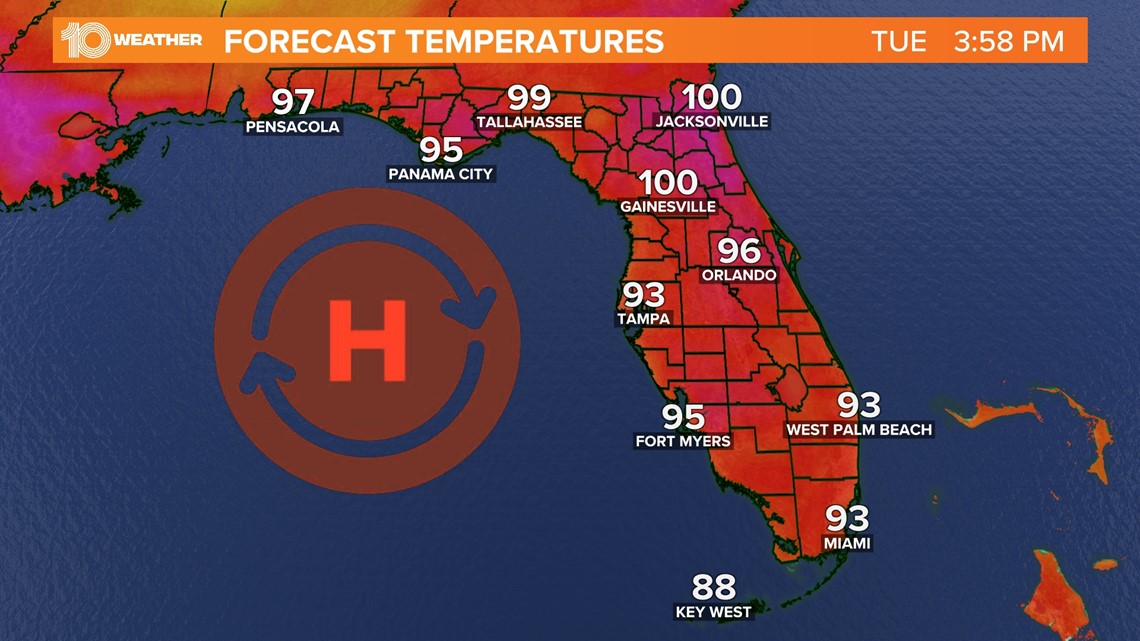
Florida, the “Sunshine State,” is renowned for its balmy weather, beautiful beaches, and vibrant tourist attractions. But beneath the allure of perpetual sunshine lies a question that many visitors and residents ponder: why is Florida so hot, especially during the summer months? The answer is a captivating blend of geography, climate patterns, and the very essence of its tropical and subtropical environment. From the sprawling theme parks of Orlando to the art deco charm of Miami Beach, the heat is an omnipresent characteristic of the Florida experience, shaping its lifestyle, its tourism, and its very identity.
The Trifecta of Tropical Heat: Latitude, Humidity, and Sunshine
Florida’s intense heat isn’t a singular phenomenon but rather a consequence of several interconnected factors working in concert. Understanding these elements provides crucial insights for anyone planning a travel itinerary, booking accommodation, or simply seeking to escape the heat while exploring its diverse destinations.
Latitude: The Equatorial Advantage
At its core, Florida’s heat is dictated by its geographical position. The majority of the state lies south of the Tropic of Cancer, placing it firmly within the Earth’s tropical and subtropical zones. This means that the sun’s rays hit Florida at a more direct angle throughout the year, especially during the summer. Unlike regions closer to the poles where the sun’s energy is diffused over a larger area, Florida receives concentrated solar radiation. This direct solar insolation is the fundamental driver of its high temperatures. The southern tip of Florida, for instance, is practically at the same latitude as Hawaii, further emphasizing its tropical characteristics. This proximity to the equator ensures consistently high temperatures year-round, with a dramatic surge during the summer.
Humidity: The Steamy Blanket
While latitude sets the stage for high temperatures, it’s the pervasive humidity that truly amplifies the feeling of heat in Florida. The state is surrounded by water on three sides – the Atlantic Ocean to the east, the Gulf of Mexico to the west, and the Straits of Florida to the south. This vast expanse of water acts as a constant source of moisture, fueling the high humidity levels. As warm air rises from the ocean, it carries with it a significant amount of water vapor. This moisture saturates the air, creating that familiar sticky, oppressive feeling.
High humidity significantly impacts how the human body perceives temperature. When humidity is high, sweat evaporation from the skin is hindered. Sweat is our body’s natural cooling mechanism; it cools us down as it evaporates. When the air is already saturated with moisture, sweat doesn’t evaporate efficiently, leaving us feeling hotter and more uncomfortable than the actual air temperature might suggest. This is why a seemingly moderate temperature of 85°F (29°C) can feel like 95°F (35°C) or even higher with 80% humidity. This phenomenon is often quantified by the “heat index” or “feels like” temperature, which combines air temperature and humidity to provide a more accurate representation of perceived heat stress. This is a critical consideration for any tourism activity, from exploring Everglades National Park to enjoying a day at Walt Disney World Resort.
Sunshine: The Unrelenting Orb
Florida lives up to its moniker as the “Sunshine State” with an abundance of sunny days, particularly during the spring and summer. The clear, unobstructed skies allow for maximum solar radiation to reach the surface. While sunshine is a major draw for tourists seeking beach vacations and outdoor adventures, it also directly contributes to heating the land and water. The intense sunlight warms everything it touches – asphalt roads, sandy beaches, swimming pools, and the very air itself. Even during the brief afternoon thunderstorms that are common in the summer, the sun often breaks through the clouds shortly after, quickly re-intensifying the heat. This relentless sunshine, coupled with the lack of significant cloud cover for extended periods, is a primary reason for Florida’s consistently high temperatures.
Seasonal Cycles and the Summer Surge
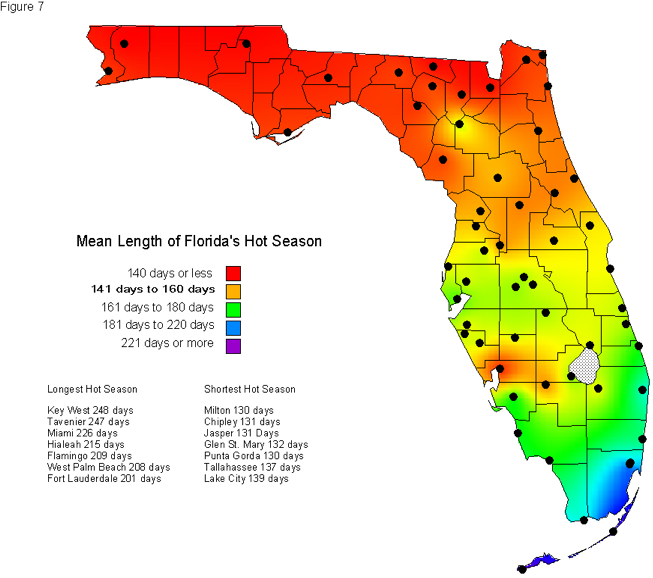
While Florida is generally warm year-round, there’s a distinct seasonal shift, with summers being notoriously hot and humid. This intensification is driven by specific climatic patterns.
The Influence of the Atlantic Hurricane Season
The period from June 1st to November 30th marks the Atlantic hurricane season. While hurricanes themselves are powerful storms, the atmospheric conditions that foster them also contribute to the heat. During the summer months, the Atlantic Ocean becomes warmer, providing the fuel for these storms. The presence of warm, moist air over the ocean, coupled with specific wind patterns, creates a breeding ground for tropical activity. These same conditions, even when not leading to a full-blown hurricane, contribute to the high humidity and temperatures experienced across the state. The influx of warm, moist air from the tropical Atlantic is a defining characteristic of Florida’s summer climate. This is particularly relevant for those planning travel during this period, as they might encounter both extreme heat and the potential for disruptive weather.
Convection and Thunderstorms: A Double-Edged Sword
Florida’s summer climate is also characterized by frequent convection, leading to the development of localized thunderstorms. As the sun beats down, heating the land surface, the warm air rises. If there’s enough moisture in the atmosphere, this rising warm air can condense and form towering cumulonimbus clouds, resulting in thunderstorms. These storms can bring brief periods of heavy rain and a temporary drop in temperature, offering a welcome respite. However, these storms are often short-lived, and the intense humidity typically returns quickly once the rain stops. Furthermore, the very process of convection, while producing thunderstorms, also involves the continuous circulation of warm, moist air, contributing to the overall heat burden. Many attractions in places like Tampa and St. Petersburg might experience brief closures or adjustments due to these afternoon storms.
The Urban Heat Island Effect and Florida’s Diverse Landscapes
Beyond the broad climatic factors, more localized phenomena and the state’s diverse geography also play a role in its perceived heat.
Urban Centers: Concrete Jungles Amplify Heat
Many of Florida’s major cities, such as Jacksonville, Fort Lauderdale, and West Palm Beach, experience what is known as the “urban heat island” effect. This phenomenon occurs when urban areas are significantly warmer than their surrounding rural areas. It’s caused by a combination of factors: the replacement of natural vegetation with heat-absorbing surfaces like concrete, asphalt, and buildings; the heat generated by human activities (cars, air conditioning); and the way urban structures trap heat. These urban centers can feel even hotter than other parts of the state, impacting the lifestyle of residents and the comfort of tourists exploring these bustling metropolises. Planning luxury travel or budget travel in these areas requires accounting for this intensified heat.
Coastal Breezes vs. Inland Oppression
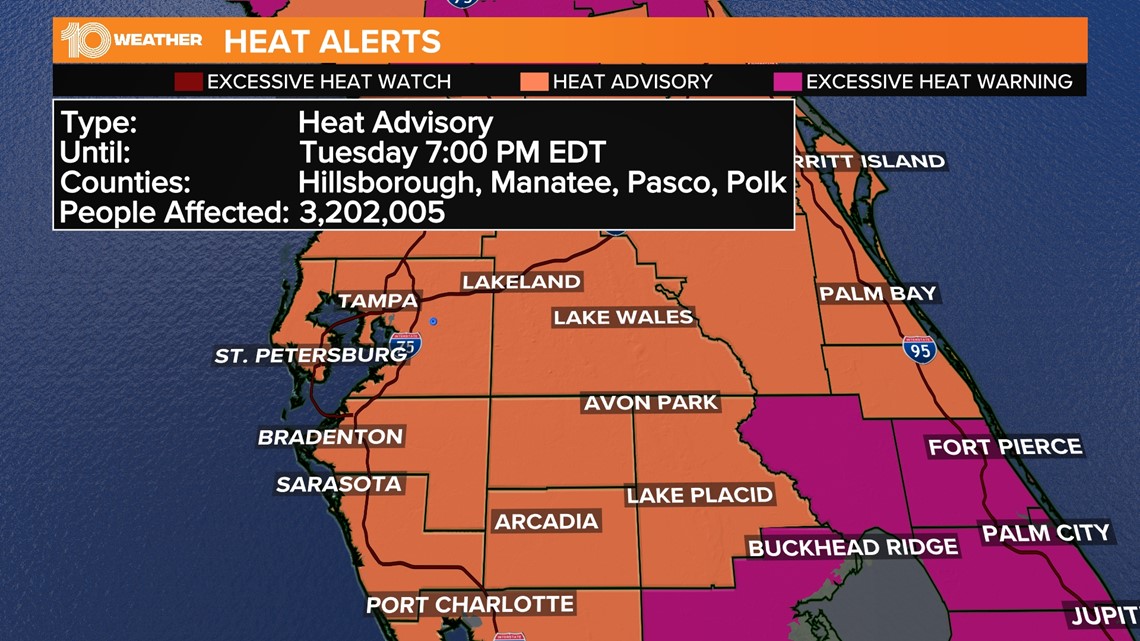
Florida’s extensive coastline offers a degree of relief from the heat due to sea breezes. These breezes are created as land heats up faster than the water during the day, causing air to rise over the land and draw cooler air in from the ocean. This can make coastal areas, like those along the Emerald Coast or the beaches of the Florida Keys, feel more comfortable than inland regions. However, once these breezes subside in the evening, the humidity and accumulated heat can make for sticky nights. Inland areas, away from the cooling influence of the ocean, often experience higher temperatures and less relief, especially during prolonged heat waves. This difference is crucial for travelers choosing between a beachside resort or an inland stay.
The Role of Water Bodies: Lakes and Rivers
Florida is dotted with numerous lakes, rivers, and wetlands, contributing to the overall moisture content in the air. The abundant water bodies, while offering recreational opportunities and a connection to nature, also serve as sources of evaporation, further increasing humidity. In areas with extensive wetlands, like the Everglades, the combination of heat and high humidity can be particularly intense, creating a unique, albeit challenging, environmental experience. Exploring these natural landmarks requires careful preparation for the heat and humidity.
In conclusion, Florida’s reputation for being hot is well-deserved, stemming from a potent combination of its tropical and subtropical latitude, high humidity fueled by its extensive coastlines and water bodies, and abundant sunshine. These factors are further amplified by seasonal weather patterns, the urban heat island effect in its cities, and the interaction of its diverse landscapes. For anyone planning a visit, understanding these elements is key to enjoying the Sunshine State comfortably, whether you’re staying in a luxurious villa in Naples, exploring historical architecture in St. Augustine, or embarking on a family trip to its world-famous theme parks. Embracing the heat, while planning accordingly, is an integral part of the quintessential Florida experience.
LifeOutOfTheBox is a participant in the Amazon Services LLC Associates Program, an affiliate advertising program designed to provide a means for sites to earn advertising fees by advertising and linking to Amazon.com. Amazon, the Amazon logo, AmazonSupply, and the AmazonSupply logo are trademarks of Amazon.com, Inc. or its affiliates. As an Amazon Associate we earn affiliate commissions from qualifying purchases.