
The question of whether marijuana laws have passed in Florida is one that has garnered significant attention, not just from residents of the Sunshine State but also from those planning to visit or engage in tourism within its borders. As Florida continues to evolve its legal landscape, understanding the nuances of cannabis legislation is crucial for a variety of reasons, from personal consumption to its potential impact on the tourism and hospitality industries. This exploration delves into the current status of marijuana legislation in Florida, examining the historical context, recent developments, and what it might mean for travelers and locals alike.
Understanding Florida’s Evolving Cannabis Landscape
Florida‘s journey with marijuana law reform has been a gradual and often contentious one. While medical marijuana has been legal since 2016, the path to recreational legalization has been considerably more complex. The state has seen various legislative attempts and ballot initiatives aimed at decriminalizing or legalizing cannabis for adult use, each facing its own set of challenges and public discourse.
The Medical Marijuana Framework
The foundation for cannabis legality in Florida was laid with the passage of Amendment 2 in 2016, which legalized medical marijuana for patients with debilitating conditions. This amendment, approved by a supermajority of voters, authorized the state to establish a comprehensive medical marijuana program. This program allows registered patients with a doctor’s recommendation to purchase and possess specific quantities of marijuana. The rollout of this program was not without its hurdles, with legislative action often lagging behind the spirit of the amendment. Early regulations were criticized for being overly restrictive, limiting the forms of cannabis available and the number of dispensing organizations. However, over time, these regulations have been refined, leading to a more robust and accessible medical marijuana market.
The Push for Recreational Legalization
The success of medical marijuana paved the way for further discussions and efforts toward recreational legalization. Proponents of recreational marijuana legalization in Florida often cite several key arguments. Firstly, they point to the potential economic benefits, including tax revenue generated from sales, which could be allocated to public services. Secondly, advocates emphasize the principles of personal liberty and the idea that adults should have the freedom to make choices about their own bodies, provided they do not harm others. Furthermore, the issue of social justice and addressing the disproportionate impact of marijuana prohibition on minority communities is also a significant driver for reform.
However, opposition to recreational legalization often centers on concerns about public health and safety. Critics raise issues such as potential increases in impaired driving incidents, the impact on youth, and the perceived societal costs associated with wider marijuana availability. These concerns have led to significant debate and political maneuvering, making the legislative process for recreational legalization a challenging one.
Recent Developments and Future Prospects
The landscape of marijuana law in Florida is dynamic, with ongoing legislative efforts and potential ballot initiatives shaping its future. Understanding these recent developments is key to grasping the current situation.
Legislative Efforts and Ballot Initiatives
Throughout recent legislative sessions, various bills have been introduced in the Florida Legislature aiming to legalize or decriminalize recreational marijuana. These bills have often faced significant opposition and have not successfully passed into law. The legislative process in Florida requires bills to pass both the Florida House of Representatives and the Florida Senate, a hurdle that recreational marijuana legislation has yet to overcome.
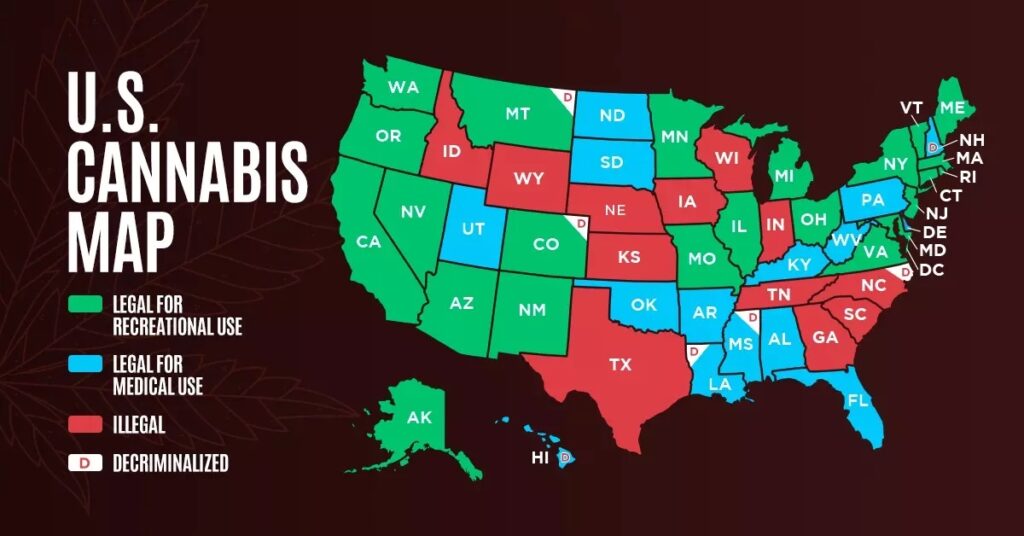
In parallel, there have been active campaigns to bring recreational marijuana legalization to the ballot. For a constitutional amendment to appear on the ballot in Florida, proponents must gather a substantial number of signatures from registered voters. If sufficient signatures are collected, the amendment is then reviewed by the Florida Supreme Court for legality. If deemed legally sound, it can then be put before the voters. Several such initiatives have been proposed, with varying degrees of success in signature gathering and legal review.
One notable recent effort, the “Adult Use Medical Marijuana Initiative,” aimed to allow adults 21 and older to possess, use, and grow marijuana. While it secured significant support and advanced through some stages, its ultimate path to the ballot and potential passage is subject to ongoing legal and political processes. The success of such initiatives often hinges on public opinion, campaign funding, and the effectiveness of advocacy groups.
Impact on Tourism and Travel
The legal status of marijuana in Florida has tangible implications for tourists and the state’s thriving tourism industry. For travelers, understanding the laws is paramount to avoid legal entanglements.
Navigating Florida as a Traveler
For visitors to Florida, the distinction between medical and recreational marijuana is crucial. While registered medical marijuana patients from other states may have their medical cards recognized in Florida under certain conditions, recreational use by adults is generally not permitted. This means that even for adults over 21, purchasing or consuming marijuana outside of the state-regulated medical program is illegal and can lead to penalties.
The popular tourist destinations in Florida, such as Orlando with its theme parks like Walt Disney World and Universal Studios Florida, as well as coastal cities like Miami and Fort Lauderdale, are all subject to state law. Tourists seeking to enjoy the beaches, explore attractions like Everglades National Park, or stay in luxury resorts like the Fontainebleau Miami Beach or boutique hotels such as the The Betsy South Beach, should be aware that marijuana possession and consumption outside of the medical framework remain prohibited. This includes many popular accommodation options, from high-end resorts to budget-friendly apartments.
The potential legalization of recreational marijuana could, however, present new opportunities and challenges for the tourism sector. On one hand, it could attract a segment of travelers who prefer destinations with legal cannabis options, potentially boosting visitor numbers and revenue. This could influence decisions for individuals planning luxury travel, family trips, or even business stays. On the other hand, it would necessitate clear regulations regarding public consumption, advertising, and the integration of cannabis-friendly establishments. The impact on existing attractions, historical landmarks, and the overall atmosphere of certain destinations would also need careful consideration.
Economic and Lifestyle Considerations
The economic implications of marijuana legalization extend beyond tax revenue. A legal recreational market could spur the growth of ancillary businesses, including cultivation facilities, dispensaries, dispensaries, and related services. This could create jobs and stimulate economic activity in various parts of Florida, from the Florida Panhandle to the Florida Keys.
From a lifestyle perspective, the availability of legal marijuana could influence how residents and visitors experience Florida. For some, it could become a part of their leisure activities, similar to how alcohol is integrated into social gatherings. This could impact the demand for certain types of accommodation and entertainment, potentially leading to the development of more cannabis-friendly tourism packages or venues. However, it’s also important to consider the broader lifestyle impacts, including public health initiatives and education campaigns that would likely accompany any legalization effort. The long-term stay market, for example, might see shifts in demand depending on how accessible and regulated cannabis becomes.

Conclusion: Await and Observe
As of the latest information, Florida has not passed a law legalizing recreational marijuana for adult use. The state continues to operate under a medical marijuana program, with ongoing debates and legislative efforts surrounding recreational legalization. For travelers and residents, it remains essential to adhere to current laws, which prohibit recreational use and possession of cannabis.
The future of marijuana law in Florida is still being written. Whether through legislative action or voter initiatives, the possibility of recreational legalization remains a topic of significant discussion and potential change. As these developments unfold, stakeholders in the tourism, hospitality, and lifestyle sectors will undoubtedly continue to monitor the situation closely, preparing for the potential impacts and opportunities that may arise. The Sunshine State’s journey with cannabis is far from over, and its evolution will be a story worth following for many years to come.
LifeOutOfTheBox is a participant in the Amazon Services LLC Associates Program, an affiliate advertising program designed to provide a means for sites to earn advertising fees by advertising and linking to Amazon.com. Amazon, the Amazon logo, AmazonSupply, and the AmazonSupply logo are trademarks of Amazon.com, Inc. or its affiliates. As an Amazon Associate we earn affiliate commissions from qualifying purchases.