
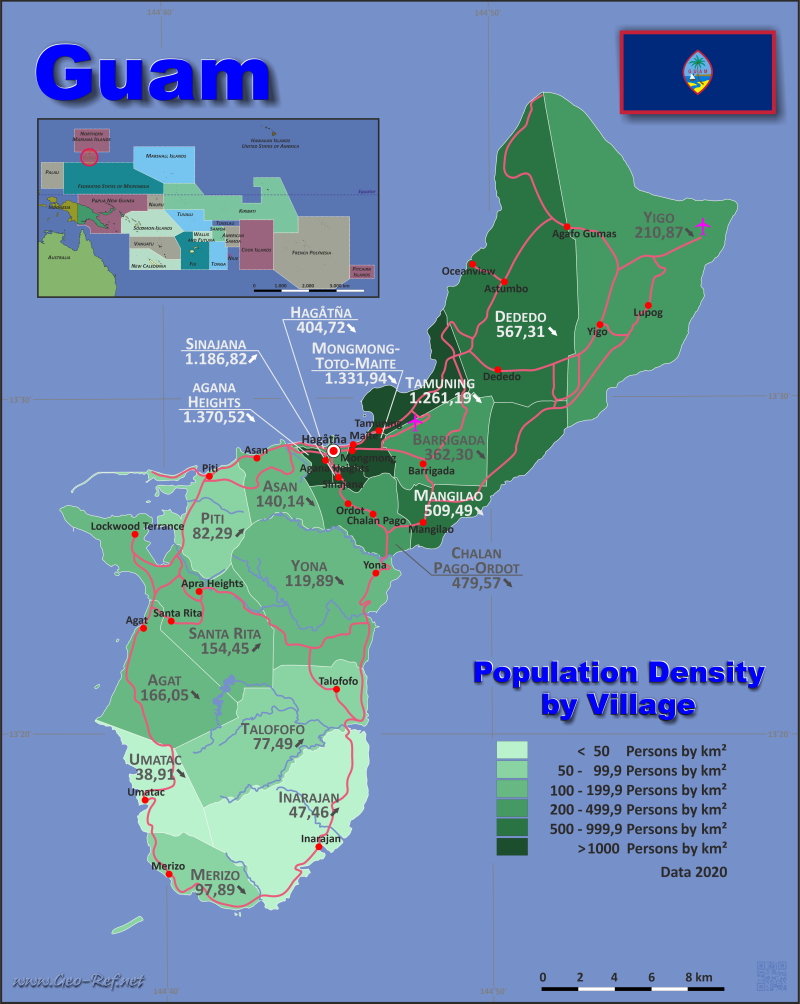
Guam, a captivating island paradise nestled in the western Pacific Ocean, often sparks curiosity not just for its breathtaking beaches and vibrant culture, but also for its unique demographic makeup. As a significant unincorporated territory of the United States, its population is a fascinating blend of indigenous heritage and a dynamic expatriate community. Understanding the population of Guam is key to appreciating its lifestyle, tourism potential, and the intricate tapestry of its society. While the island might be small in geographical size, its population contributes to a rich and diverse cultural landscape.
The question “How many people live in Guam?” is more than just a statistical inquiry; it delves into the essence of what makes this island a distinctive destination for travelers and residents alike. It touches upon the island’s economic drivers, its infrastructure, and the overall experience of being on this tropical gem. From the bustling capital city to the serene northern villages, the population density and distribution paint a picture of a thriving, albeit compact, community.
Understanding Guam’s Population Dynamics
Guam’s population is a mosaic, reflecting its historical significance and its strategic importance in the Pacific. The indigenous Chamorro people form the ancestral foundation of the island, with a rich cultural heritage that continues to influence daily life. Alongside them, a substantial military presence, primarily from the United States, contributes a significant portion of the population, bringing with them families and a diverse range of skills and perspectives. Furthermore, economic opportunities attract expatriates from various Asian countries, particularly the Philippines, South Korea, and Japan, adding further layers to the island’s multicultural fabric.
Demographics and Growth Trends
The population of Guam has experienced steady growth over the decades, driven by a combination of natural increase and migration. According to recent census data, the population hovers around the 170,000 to 175,000 mark. This number, however, is dynamic and can fluctuate due to various factors, including military deployments and economic shifts.
The age distribution typically shows a youthful population, with a significant percentage of residents under the age of 30. This youthful demographic is a testament to the island’s family-oriented culture and the ongoing opportunities for its residents. The Chamorro population, while the indigenous majority, is part of a larger, more diverse community. The United States military personnel and their dependents represent a notable segment, often residing in specific communities or on military bases like Andersen Air Force Base and Naval Base Guam.
Economic factors play a crucial role in migration patterns. Industries such as tourism, government, and military support services are significant employers, attracting individuals seeking employment and a unique island lifestyle. The presence of international businesses and the island’s role as a transit hub also contribute to a transient yet impactful expatriate population.
The Chamorro People: Ancestral Roots and Modern Life
The Chamorro people are the original inhabitants of Guam, with a history stretching back thousands of years. Their culture is deeply intertwined with the land and sea, characterized by strong family ties, traditional customs, and a unique language. While the Chamorro population is a minority within the overall population of Guam, their cultural influence is pervasive and deeply respected.
Traditional Chamorro values, such as familian (family) and mana (spiritual power), continue to shape societal norms. Their heritage is celebrated through festivals, traditional crafts, and the preservation of their ancestral sites, many of which are significant landmarks on the island. Understanding the Chamorro heritage is fundamental to grasping the soul of Guam.
The Influence of the United States Military
The presence of the United States military is a defining characteristic of Guam’s population and economy. Major installations like Andersen Air Force Base and Naval Base Guam house thousands of military personnel and their families. This significant presence impacts various aspects of island life, from infrastructure development and employment opportunities to the local economy and social dynamics.
Military families often form their own communities, contributing to the diverse social fabric of Guam. Their presence also drives demand for housing, goods, and services, creating a unique economic ecosystem. The military’s influence extends to educational institutions, healthcare facilities, and recreational activities, making it an integral part of the island’s demographic landscape.
Guam’s Lifestyle and Living Experience
The population of Guam enjoys a lifestyle shaped by its tropical climate, its cultural fusion, and its unique geopolitical status. The island offers a blend of serene natural beauty and modern amenities, making it an attractive place to live and visit. The cost of living can be higher than on the mainland United States due to its isolated location and reliance on imported goods, but this is often balanced by the high quality of life and the natural beauty that surrounds its residents.
Daily Life and Community Spirit
Life in Guam is generally laid-back, influenced by the island’s tropical rhythms. Evenings are often spent with family and friends, enjoying the warm weather and the island’s natural splendor. The concept of community is strong, with close-knit neighborhoods and a shared sense of island pride.

The island’s infrastructure supports a comfortable lifestyle, with modern shopping centers, diverse dining options, and a range of recreational activities. From water sports like snorkeling and diving in crystal-clear waters to hiking through lush rainforests, there are ample opportunities to connect with nature. The local cuisine, a delightful fusion of Chamorro, Asian, and American influences, is a significant part of the island’s culinary scene, with popular dishes like kelaguen and red rice being local favorites.
Tourism and Its Impact on the Population
Tourism is a vital economic engine for Guam, directly influencing its population dynamics. The influx of international visitors, particularly from Japan, South Korea, and Taiwan, creates jobs in the hospitality sector, retail, and transportation. This, in turn, attracts more people to the island for work.
The tourism industry thrives on Guam’s natural attractions, including pristine beaches like Tumon Beach, historical sites such as Fort Apra, and the vibrant marine life found in its surrounding waters. The development of resorts, like the Hyatt Regency Guam, and other accommodation options, caters to a diverse range of travelers, from luxury seekers to budget-conscious explorers. The constant flow of tourists contributes to a dynamic and cosmopolitan atmosphere, making Guam a melting pot of cultures.
Accommodation and Long-Term Stays
For those considering a longer stay or even a permanent move to Guam, accommodation options are varied. While there are numerous hotels and resorts catering to short-term visitors, there are also apartment complexes, villas, and other housing solutions for longer-term residents.
The demand for accommodation is influenced by the resident population as well as the tourism sector. Finding a place to live can involve navigating rental markets that are often competitive, especially in popular areas. However, the unique island lifestyle and the strong sense of community make Guam a desirable place for many to establish roots. Whether it’s a luxurious suite in a beachfront resort or a cozy apartment in a local village, the island offers a range of choices to suit different needs and preferences.
Exploring Guam’s Attractions and Landmarks
Beyond its population statistics, Guam is renowned for its stunning landmarks and diverse attractions. These sites not only draw tourists but also serve as important historical and natural treasures for the island’s residents. From ancient Chamorro latte stones to breathtaking natural formations, Guam offers a wealth of exploration opportunities.
Natural Wonders and Outdoor Activities
The natural beauty of Guam is its most significant draw. The island boasts dramatic cliffs, pristine beaches, and lush tropical rainforests. Popular natural attractions include Two Lovers Point, offering panoramic ocean views, and the Talofofo Falls, a picturesque waterfall accessible via a scenic hike. The surrounding ocean is a haven for marine life, making Guam a premier destination for diving and snorkeling. Coral reefs teeming with colorful fish and the chance to encounter sea turtles are commonplace.
Outdoor enthusiasts can explore the island’s diverse terrain. Hiking trails wind through dense jungle, leading to hidden waterfalls and ancient Chamorro sites. Beach lovers can bask in the sun on powdery white sands at Gun Beach or enjoy the calm waters of Ypao Beach. The natural environment provides endless opportunities for recreation and relaxation, contributing to the high quality of life experienced by the island’s inhabitants.
Historical Sites and Cultural Heritage
Guam’s rich history is evident in its numerous historical sites and landmarks. The island has been shaped by Spanish, American, and Japanese influences, each leaving its mark on the landscape and culture. Visitors and residents can explore ancient Chamorro village sites, colonial-era churches, and World War II battlegrounds.
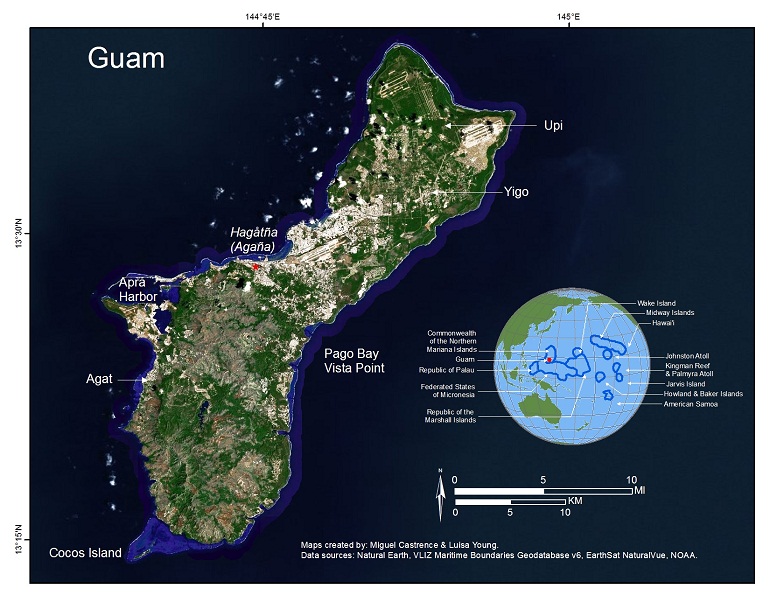
Significant historical sites include the Plaza de España in Hagåtña, the former capital, which showcases remnants of Spanish colonial architecture. The Pacific War Museum offers insights into Guam’s role during World War II, a pivotal period in its history. The Latte Stone Park in Hagåtña features ancient Chamorro stone pillars, providing a glimpse into the island’s pre-colonial past. These sites are not only educational but also serve as tangible connections to the island’s enduring heritage.
Modern Landmarks and Urban Centers
While Guam is celebrated for its natural and historical sites, it also possesses modern landmarks and urban centers that reflect its contemporary development. Hagåtña, the island’s capital, is a hub of government and commerce, featuring modern buildings alongside historical structures. Tumon is the island’s premier tourist district, characterized by a high concentration of hotels, restaurants, and shopping centers, including the Guam Premier Outlets.
The development of these urban areas is a testament to Guam’s economic growth and its commitment to providing modern amenities for its residents and visitors. These centers of activity offer diverse experiences, from upscale shopping and fine dining to vibrant nightlife, further enriching the lifestyle options available on the island.
In conclusion, the population of Guam is a vibrant and dynamic entity, contributing to the island’s unique character and appeal. Understanding “How Many People Live In Guam?” is the first step in appreciating the diverse tapestry of cultures, the rich historical narrative, and the breathtaking natural beauty that make this Pacific gem an unforgettable destination. Whether you are planning a visit or considering a longer stay, the people and the spirit of Guam are sure to leave a lasting impression.
LifeOutOfTheBox is a participant in the Amazon Services LLC Associates Program, an affiliate advertising program designed to provide a means for sites to earn advertising fees by advertising and linking to Amazon.com. Amazon, the Amazon logo, AmazonSupply, and the AmazonSupply logo are trademarks of Amazon.com, Inc. or its affiliates. As an Amazon Associate we earn affiliate commissions from qualifying purchases.