
The sweet, tangy allure of the pineapple is synonymous with tropical paradises, and for many, the Hawaiian Islands are at the forefront of that imagery. Visions of vast pineapple plantations stretching under the warm Pacific sun, the iconic silhouette of Dole Plantation, and the distinctively sweet flavor of a ripe Maui Gold pineapple often lead to a simple conclusion: pineapples are native to Hawaii. But is this widely held belief rooted in fact? The answer, surprisingly, is no. While Hawaii has undeniably become a world-renowned hub for pineapple cultivation and a beloved destination where the fruit is deeply woven into the fabric of its tourism and culture, pineapples are not indigenous to this Polynesian archipelago.
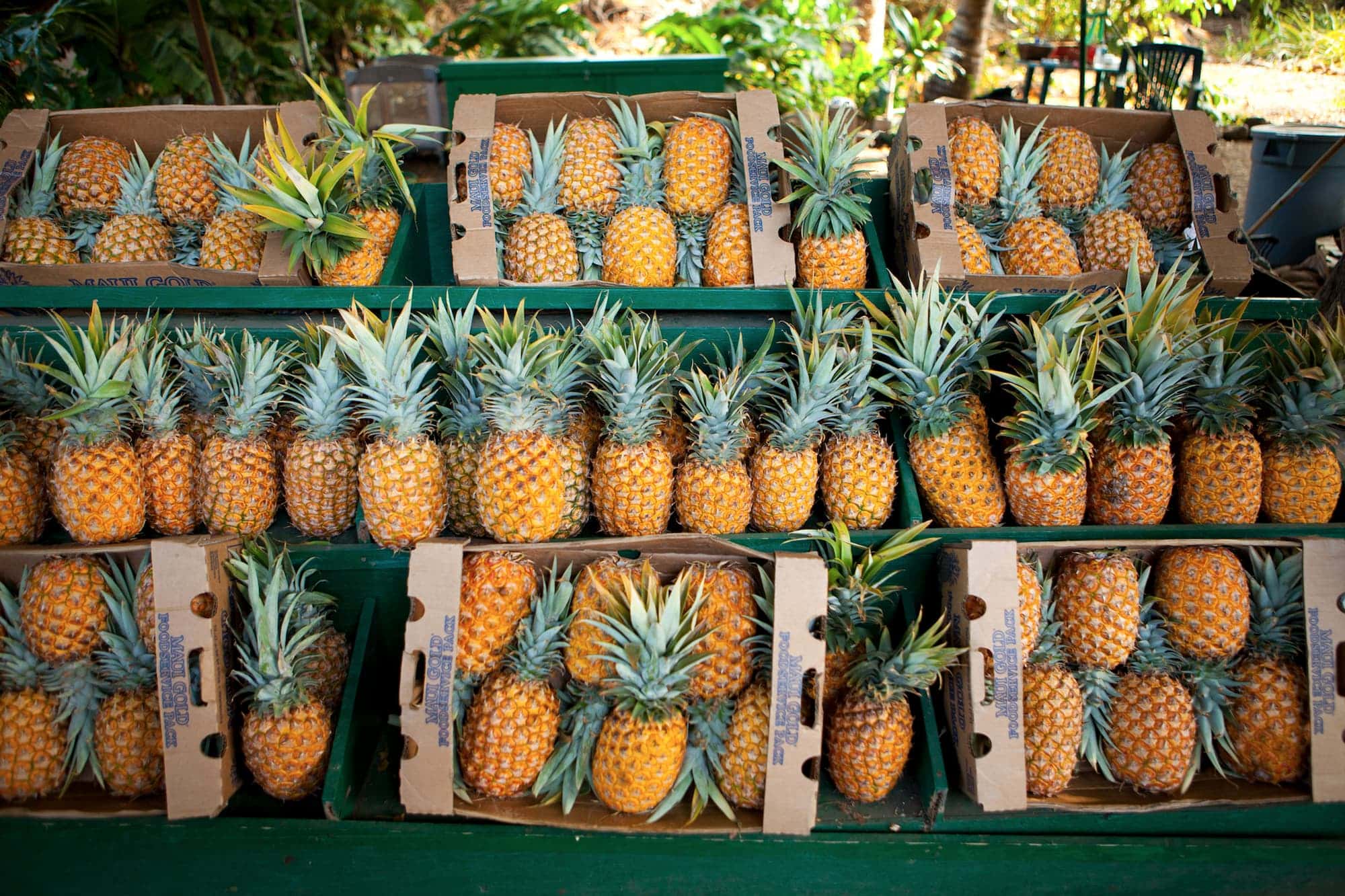
The journey of the pineapple is a fascinating one, tracing its origins far across the globe and through centuries of exploration and cultivation. Understanding this history not only answers the question of its nativity but also illuminates the incredible story of how this spiky fruit became so inextricably linked with the enchanting islands of Hawaii. From its South American birthplace to its eventual establishment as a symbol of Hawaiian hospitality and agricultural prowess, the pineapple’s voyage is a testament to human ingenuity and the power of iconic produce.
The Pineapple’s True Homeland and its Global Voyage
The story of the pineapple, Ananas comosus, begins not in the lush volcanic soils of Hawaii, but in the verdant rainforests of South America. Specifically, botanical evidence points to the region encompassing the Paraná River basin, which spans parts of Brazil, Paraguay, and Argentina, as the cradle of this remarkable fruit. Here, wild pineapples grew, a spiky and perhaps less sweet ancestor of the cultivated varieties we enjoy today. Indigenous peoples of South America were the first to recognize and cultivate this unique plant, appreciating its distinctive flavor and using it for food and even in traditional ceremonies.
From its South American origins, the pineapple embarked on an extraordinary global journey, propelled by the Age of Exploration. The first recorded encounter by Europeans with the pineapple occurred in 1493 when Christopher Columbus and his crew landed on the island of Guadeloupe in the Caribbean. The indigenous inhabitants, the Carib people, offered the fruit to the explorers, who were immediately captivated by its exotic appearance and delicious taste. Columbus brought samples back to Spain, and from there, the pineapple’s fame began to spread across Europe.
European royalty and the wealthy elite quickly became enamored with the pineapple, not just for its taste but as a potent symbol of wealth, status, and exoticism. Cultivating pineapples in the cooler climates of Europe was a monumental challenge, requiring elaborate greenhouses known as “pineries” and considerable expense. Owning and displaying a pineapple became a sign of extreme affluence, further cementing its image as a luxury item. This European fascination, however, was largely confined to the aristocratic circles.
The true global dissemination of the pineapple as a widely cultivated crop occurred through colonial expansion and trade routes. Portuguese sailors are credited with introducing the fruit to Africa and Asia, and it gradually made its way to many tropical regions around the world. It was this widespread cultivation and adaptation to diverse climates that eventually paved the way for its arrival in the Hawaiian Islands.
The Long Road to the Hawaiian Islands
The arrival of the pineapple in Hawaii is not a story of ancient indigenous roots, but rather a more recent chapter in its history, introduced by external forces. While the exact date of its first introduction is debated, it is generally believed that pineapples were brought to the Hawaiian Islands sometime in the 18th or early 19th century, likely by Spanish explorers or other seafarers who encountered the fruit during their voyages across the Pacific.

Upon its introduction, the Hawaiian climate proved to be remarkably conducive to pineapple cultivation. The rich volcanic soil, abundant sunshine, and ideal rainfall provided the perfect environment for the plant to thrive. Initially, pineapples were likely grown on a smaller scale, for personal consumption and local markets. However, the true potential of Hawaii as a pineapple-growing region was recognized and harnessed in the early 20th century, leading to a dramatic transformation of the islands’ agricultural landscape.
The advent of large-scale commercial pineapple farming in Hawaii is intrinsically linked to the story of a few pioneering individuals and companies. Among the most significant was James Dole, an American businessman who arrived in Hawaii in the late 19th century. He established the Hawaiian Pineapple Company in 1900, a venture that would go on to revolutionize the industry. Dole’s innovative approach to cultivation, processing, and marketing, including the development of the first automatic pineapple coring and slicing machine, transformed the pineapple from a luxury export to a globally accessible commodity.
Dole’s vision and business acumen, along with those of other entrepreneurs and agricultural scientists, turned Hawaii into the “Pineapple Capital of the World.” Vast tracts of land, particularly on the island of Oahu, were cleared and planted with pineapple varieties meticulously selected for their sweetness and resilience. The iconic image of Hawaii became intrinsically tied to the golden fruit, its presence a constant reminder of the islands’ agricultural bounty and economic success. This period of intense cultivation and export cemented the pineapple’s association with Hawaii in the global consciousness.
The Pineapple as a Symbol of Hawaiian Tourism and Culture
While not native, the pineapple has become so deeply ingrained in the Hawaiian identity that it is almost impossible to separate the two. For decades, the pineapple has served as a powerful ambassador for Hawaii, drawing visitors and shaping the perception of the islands as a tropical paradise. The image of a pineapple adorns countless souvenirs, from tacky t-shirts to elegant artwork, and its sweet flavor is a signature component of Hawaiian cuisine and cocktails.
From Plantation Tours to Culinary Delights
The legacy of Hawaiian pineapple cultivation continues to be a significant draw for tourists. Iconic landmarks like the Dole Plantation on Oahu offer immersive experiences that transport visitors back to the golden age of pineapple farming. Here, tourists can explore meticulously maintained gardens, learn about the history of pineapple cultivation through engaging exhibits, and even take a scenic train ride through working pineapple fields. The Dole Plantation has become a must-visit attraction, offering a tangible connection to the fruit’s agricultural past and its enduring presence in Hawaiian life.
Beyond the historical sites, the pineapple’s influence is palpable in the culinary landscape of Hawaii. From roadside stands selling freshly cut pineapple spears to upscale restaurants featuring pineapple-infused dishes and desserts, the fruit is celebrated in a myriad of ways. Hawaiian chefs expertly incorporate pineapple into both traditional and contemporary dishes, from savory kalua pig with pineapple glaze to refreshing pineapple upside-down cakes and vibrant fruit smoothies. The versatility of the pineapple allows it to be a star ingredient, adding a burst of tropical sweetness and acidity to a wide range of culinary creations.
Many hotels and resorts across the Hawaiian Islands embrace the pineapple theme, offering welcome drinks, themed amenities, and even pineapple-inspired decor. This pervasive presence helps to create an immersive Hawaiian experience for visitors, reinforcing the association of the islands with this beloved tropical fruit. Whether enjoying a stay at a luxurious Maui resort or a charming Kauai villa, the subtle (or not so subtle) nods to the pineapple are a constant reminder of Hawaii’s unique agricultural heritage.
The Hawaiian Islands themselves, with their diverse attractions ranging from stunning beaches and volcanic landscapes to vibrant local culture, provide the perfect backdrop for enjoying the fruits of this labor. The pineapple, though not a native species, has undoubtedly become a cherished part of the Hawaiian story, contributing significantly to its economic prosperity, cultural identity, and global allure. Its journey from the Amazon basin to becoming an emblem of Hawaii is a remarkable tale of adaptation, innovation, and the enduring appeal of one of nature’s most delightful creations.
LifeOutOfTheBox is a participant in the Amazon Services LLC Associates Program, an affiliate advertising program designed to provide a means for sites to earn advertising fees by advertising and linking to Amazon.com. Amazon, the Amazon logo, AmazonSupply, and the AmazonSupply logo are trademarks of Amazon.com, Inc. or its affiliates. As an Amazon Associate we earn affiliate commissions from qualifying purchases.