
The allure of the Hawaiian Islands is undeniable. From the volcanic landscapes of the Big Island to the iconic surf breaks of Oahu, and the lush rainforests of Kauai, Hawaii offers a tropical paradise unlike any other. Many prospective visitors, however, find themselves pondering a crucial question as they plan their dream vacation: “Do I need a passport to travel to Hawaii?” This is a common and important query, especially for those accustomed to international travel. Let’s clear up any confusion and ensure your journey to the Aloha State is as smooth as a gentle ocean wave.
Understanding Hawaii’s Status: A State, Not a Foreign Country
The fundamental reason why you do not need a passport to travel to Hawaii is its status as the 50th state of the United States of America. Hawaii officially became a state on August 21, 1959, and has been an integral part of the United States ever since. This means that travel between the continental United States (also known as the “mainland”) and Hawaii is treated as domestic travel. Think of it like traveling from New York to California, or from Texas to Florida. The same rules apply.
Domestic Travel Within the United States
When you fly from any of the 49 other United States to Hawaii, you are participating in domestic air travel. This mirrors travel to any other state within the union. Therefore, the identification requirements are the same as those for any other domestic flight within the United States.
Identification Requirements for Domestic Flights
For domestic flights within the United States, including those to and from Hawaii, you will need a valid, government-issued photo identification. The most common and widely accepted form of identification for air travel is a driver’s license issued by a U.S. state. Other acceptable forms of identification include:
- State-issued identification card: If you don’t have a driver’s license, a state ID card serves the same purpose for identification purposes.
- U.S. passport: While not required, a U.S. passport is also a valid form of identification for domestic travel.
- DHS trusted traveler cards: These include programs like Global Entry, NEXUS, and SENTRI.
- Permanent resident card: For lawful permanent residents of the United States.
- Military ID: Active duty or retired U.S. military personnel can use their military ID.
- Other acceptable documents: The Transportation Security Administration (TSA) maintains a comprehensive list of acceptable identification documents on its website. It’s always a good idea to check the TSA’s official guidelines closer to your travel date for the most up-to-date information.
Crucially, this identification must be current and unexpired. Expired identification will not be accepted at the TSA security checkpoint, and you will be denied boarding.
What About Travelers From Other Countries?
This is where the question can become a little more nuanced. While U.S. citizens do not need a passport to travel to Hawaii, the situation is different for international visitors. If you are not a U.S. citizen, then yes, you will absolutely need a passport and potentially a visa to enter Hawaii.
International Visitors and Entry Requirements
Hawaii, being a state of the United States, falls under the same immigration and customs regulations as the rest of the country. Therefore, if you are arriving in Hawaii from a foreign country, you will be subject to federal entry requirements. This means you will need to present a valid passport to U.S. Customs and Border Protection.

Visa Requirements for International Travelers
Depending on your country of citizenship, you may also require a visa to enter the United States. Citizens of countries that participate in the Visa Waiver Program (VWP) can travel to the United States, including Hawaii, for tourism or business for stays of 90 days or less without obtaining a visa, provided they meet certain requirements and obtain an approved travel authorization through the Electronic System for Travel Authorization (ESTA). Countries in the VWP include many in Europe, Asia, and Oceania, such as the United Kingdom, France, Germany, Japan, and Australia.
For citizens of countries not part of the VWP, a valid U.S. visa will be necessary to enter the United States. The type of visa required will depend on the purpose of your visit.
The Importance of Checking Entry Requirements
It is paramount for all international travelers to research and understand the specific entry requirements for the United States well in advance of their travel dates. This includes checking visa requirements, passport validity (most countries require passports to be valid for at least six months beyond your intended stay), and any other necessary documentation. Relying on outdated information or making assumptions can lead to significant travel disruptions, including being denied entry.
Planning Your Hawaiian Adventure: Beyond the Passport Question
Now that the passport question is settled, let’s delve into the exciting aspects of planning your Hawaiian getaway! The islands offer an incredible diversity of experiences, catering to every type of traveler, whether you’re seeking adventure, relaxation, cultural immersion, or a bit of everything.
Exploring Hawaii’s Diverse Islands and Attractions
Each of the main Hawaiian Islands boasts its unique character and attractions, providing endless possibilities for exploration.
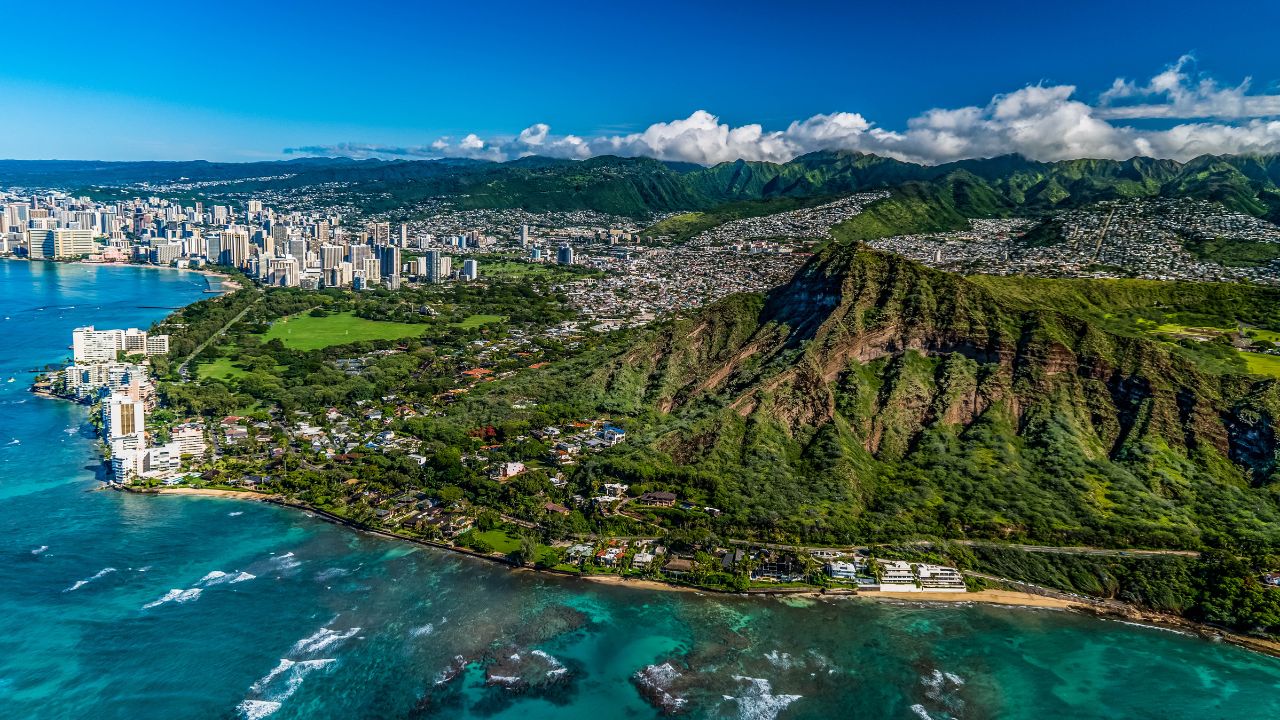
- Oahu: Home to the vibrant city of Honolulu and the world-famous Waikiki Beach, Oahu offers a blend of urban excitement and natural beauty. You can visit the historic Pearl Harbor, hike to the summit of Diamond Head for panoramic views, learn to surf at North Shore, and immerse yourself in Polynesian culture at the Polynesian Cultural Center. For those interested in luxury accommodations, the Halekulani Hotel and The Royal Hawaiian, a Luxury Collection Resort, Waikiki are iconic choices.
- Maui: Known as the “Valley Isle,” Maui is renowned for its stunning beaches, scenic drives like the Road to Hana, and the majestic dormant volcano, Haleakala. The resorts in Ka’anapali and Wailea offer luxurious stays with breathtaking ocean views. Snorkeling and diving excursions to the Molokini Crater are popular activities.
- Kauai: The “Garden Isle” is a paradise for nature lovers, with its dramatic cliffs of the Na Pali Coast, the vast canyon of Waimea Canyon (often called the “Grand Canyon of the Pacific”), and lush, verdant rainforests. Hiking, kayaking, and boat tours are excellent ways to experience its natural splendor.
- Island of Hawaii (Big Island): This island is a geological marvel, home to active volcanoes within Hawaii Volcanoes National Park. You can witness lava flows, explore black sand beaches, and experience the diverse climates ranging from arid lava fields to tropical rainforests. The Mauna Kea Observatories offer incredible stargazing opportunities.

Accommodations and Lifestyle in Hawaii
When it comes to accommodation, Hawaii offers a spectrum of options to suit every budget and travel style.
- Luxury Resorts: Iconic properties like Four Seasons Resort Maui at Wailea, The Ritz-Carlton, Kapalua, and Grand Hyatt Kauai Resort & Spa provide world-class amenities, exceptional service, and prime beachfront locations. These resorts often feature multiple swimming pools, fine dining restaurants, luxurious spa facilities, and breathtaking ocean views, catering to those who enjoy a luxury travel experience.
- Boutique Hotels and Apartments: For a more intimate or independent stay, boutique hotels and vacation apartment rentals can be found across the islands, offering a taste of local life and often more personalized service.
- Villas and Vacation Rentals: For families or groups traveling together, renting a villa or a spacious apartment can be an excellent choice, providing privacy, ample living space, and often fully equipped kitchens, making it ideal for longer stays or budget-conscious family trips.
- Budget-Friendly Options: While Hawaii can be an expensive destination, budget travelers can find more affordable hotels, guesthouses, and even hostels, particularly outside the prime tourist hubs or during the shoulder seasons.
Regardless of your accommodation choice, embracing the local lifestyle is a key part of the Hawaiian experience. Savoring local delicacies like poke, kalua pig, and shave ice, learning about Hawaiian culture and traditions, and enjoying the aloha spirit are all integral to a memorable trip. Whether you’re planning a romantic honeymoon, an adventurous family vacation, or a relaxing solo escape, Hawaii promises an unforgettable journey.
In conclusion, for U.S. citizens traveling between the continental United States and Hawaii, no passport is required. It’s simply domestic travel. However, for all international visitors, a valid passport and potentially a visa are essential. With proper planning and adherence to entry requirements, your journey to this Pacific paradise will be seamless, allowing you to fully immerse yourself in the magic of the Hawaiian Islands.
LifeOutOfTheBox is a participant in the Amazon Services LLC Associates Program, an affiliate advertising program designed to provide a means for sites to earn advertising fees by advertising and linking to Amazon.com. Amazon, the Amazon logo, AmazonSupply, and the AmazonSupply logo are trademarks of Amazon.com, Inc. or its affiliates. As an Amazon Associate we earn affiliate commissions from qualifying purchases.