
The allure of Hawaii, with its sun-drenched beaches, lush volcanic landscapes, and vibrant Polynesian culture, draws millions of visitors each year. From the iconic surf breaks of the North Shore to the serene beauty of the Na Pali Coast, the Aloha State offers an unforgettable travel experience. However, a common question arises for many potential travelers: Does Hawaii require a passport? This guide aims to clarify the passport requirements for visiting the Hawaiian Islands, along with providing essential information for planning your dream vacation to this Pacific paradise.
Understanding Hawaii’s Status
To answer the primary question directly: No, you do not need a passport to travel to Hawaii if you are a U.S. citizen. Hawaii is the 50th state of the United States, admitted to the union on August 21, 1959. As such, it is treated domestically for travel purposes. This means that for U.S. citizens, traveling to Hawaii is akin to visiting any other state within the contiguous United States.
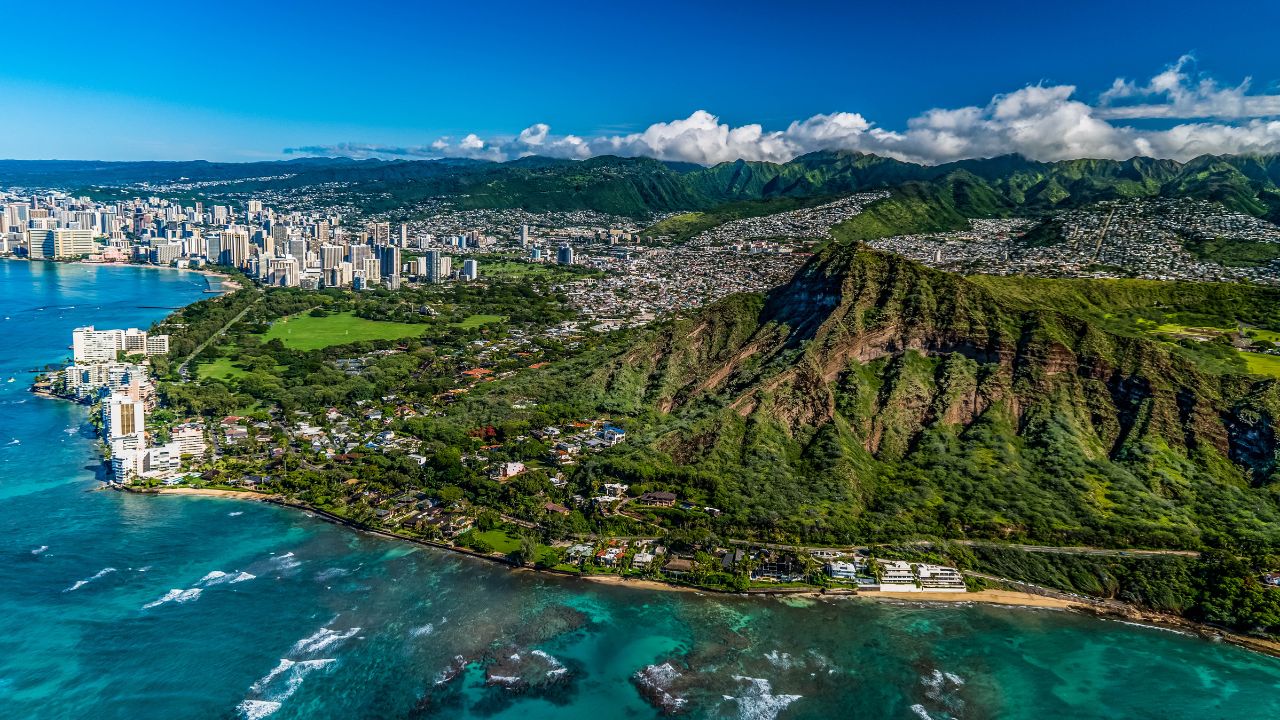
This simplifies travel plans considerably, eliminating the need for passport applications or renewals for domestic visitors. You can board your flight to Honolulu, Maui, or any other Hawaiian island with the same identification you would use to fly from New York to California.
For U.S. Citizens
If you are a citizen of the United States, your standard government-issued photo identification will suffice for boarding domestic flights. This typically includes:
- A valid driver’s license
- A state-issued identification card
- A U.S. passport card (though a full passport is not required)
- A U.S. Department of Defense ID
When arriving in Hawaii, you will go through immigration and customs processes similar to any other domestic arrival. There are no special entry requirements for U.S. citizens based on their state of origin.
For International Visitors
The passport requirement for Hawaii changes for international visitors. If you are not a U.S. citizen, then yes, you will absolutely need a passport to travel to Hawaii. Since Hawaii is a U.S. state, international travelers must enter the United States through a designated U.S. port of entry and will be subject to U.S. immigration laws.
For most international travelers visiting the United States for tourism or business purposes, this means you will need:
- A valid passport from your country of citizenship.
- A U.S. visa (unless you are from a country eligible for the Visa Waiver Program).
- An Electronic System for Travel Authorization (ESTA) if you are traveling under the Visa Waiver Program.
Upon arrival in Hawaii, you will go through U.S. Customs and Border Protection, where your passport and any necessary visas or ESTA authorizations will be checked. The process is the same as arriving in any other U.S. state from an international location.
Visa Waiver Program (VWP)
Citizens of certain countries may be eligible to travel to the United States, including Hawaii, for tourism or business for up to 90 days without obtaining a visa. This is known as the Visa Waiver Program (VWP). Travelers from VWP countries must obtain an approved ESTA online before traveling. Countries participating in the VWP include, but are not limited to, Australia, Japan, South Korea, the United Kingdom, and most European Union member states. It is crucial to verify your eligibility and apply for an ESTA well in advance of your trip.
Traveling from Canada
Canadian citizens have a slightly different entry requirement. While they do not need a visa to enter the United States for tourism, they will need to present a valid passport or other acceptable proof of citizenship, such as a NEXUS card or an Enhanced Driver’s License, when flying into Hawaii.
Planning Your Hawaiian Adventure
Now that the passport question is settled, let’s delve into planning your unforgettable journey to the Hawaiian Islands. Hawaii offers a diverse range of experiences, catering to every type of traveler, whether you seek luxury resort stays, adventurous outdoor activities, or an immersive cultural deep dive.
Island Hopping and Getting Around

Hawaii is an archipelago, and each island offers its unique charm and attractions. The most popular islands for tourists include:
- Oahu: Home to Honolulu, Waikiki Beach, Pearl Harbor, and the famous North Shore surf spots. It’s the most populous island and offers a blend of city life and stunning natural beauty.
- Maui: Known for its world-renowned beaches, the scenic Road to Hana, the majestic Haleakala National Park, and excellent whale watching opportunities during the winter months.
- Kauai: The “Garden Isle,” famous for its dramatic cliffs of the Na Pali Coast, the verdant Waimea Canyon, and lush rainforests. It’s a haven for nature lovers and outdoor enthusiasts.
- Island of Hawaii (Big Island): The largest island, boasting incredible diversity from black sand beaches to snow-capped mountains. Highlights include Hawaii Volcanoes National Park, where you can witness active volcanic activity, the stargazing observatory at Mauna Kea, and the coffee plantations of Kona.
Inter-island travel is typically done via short flights. Numerous airlines offer frequent service between the major islands. Booking these flights in advance is recommended, especially during peak travel seasons.
Once you arrive on an island, renting a car is highly recommended for exploring at your own pace. This gives you the flexibility to visit remote beaches, hidden waterfalls, and scenic viewpoints without being reliant on tours or public transport. For those staying solely within resort areas or in cities like Honolulu, ride-sharing services and taxis are also available.
Accommodation Options
Hawaii boasts a wide array of accommodation options to suit every budget and travel style. Whether you’re looking for a luxurious beachfront resort, a cozy vacation rental, or a budget-friendly hotel, you’ll find it here.
- Resorts: From the iconic Grand Hyatt Kauai to the opulent Four Seasons Maui at Wailea, Hawaii offers world-class resorts with stunning amenities, including multiple swimming pools, fine dining restaurants, spas, and direct beach access. These are perfect for those seeking a pampering and convenient stay.
- Hotels: Numerous hotels are scattered across the islands, from boutique inns offering a more intimate experience to larger chains providing familiar comfort. Waikiki on Oahu is particularly known for its extensive selection of hotels.
- Vacation Rentals & Villas: For families, groups, or those seeking a more independent stay, vacation rentals and villas offer more space, privacy, and the option to cook your own meals. Websites like Airbnb and VRBO list a multitude of properties.
- Apartments & Long-Term Stays: If you plan an extended visit, consider apartment rentals or long-term stay options, which can be more cost-effective and provide a home-away-from-home experience.
When booking, consider the island and specific area that best aligns with your desired activities. For instance, if your priority is surfing, staying on the North Shore of Oahu might be ideal. If relaxation and spa treatments are key, a resort on Maui could be your best bet.
Experiences and Attractions
Hawaii is a treasure trove of unique experiences and breathtaking attractions.
Natural Wonders
The natural beauty of Hawaii is unparalleled.
- Volcanoes: Hawaii Volcanoes National Park on the Big Island allows you to witness the raw power of nature. Explore volcanic craters, steam vents, and lava tubes. The sight of molten lava, if active and safely accessible, is a truly awe-inspiring experience.
- Beaches: From the famous sands of Waikiki Beach on Oahu to the black sand beaches of Punalu’u on the Big Island and the golden shores of Kaanapali Beach on Maui, Hawaii offers a beach for every preference. Whether you want to surf, snorkel, sunbathe, or simply relax, you’ll find your perfect spot.
- Waterfalls and Rainforests: Kauai’s lush interior is dotted with stunning waterfalls, such as Wailua Falls, accessible via hiking trails or boat tours. The drive along the Road to Hana on Maui is an adventure in itself, with numerous waterfalls, swimming holes, and bamboo forests to discover.
- Marine Life: The waters surrounding the islands teem with life. Snorkeling and diving opportunities abound, allowing you to swim with colorful tropical fish, sea turtles, and even dolphins. Molokini Crater, a partially submerged volcanic caldera off the coast of Maui, is a premier snorkeling and diving destination. Whale watching tours, particularly during the winter months, are a popular activity on Maui, offering a chance to see migrating humpback whales.
Cultural and Historical Sites
Immerse yourself in the rich history and vibrant culture of Hawaii.
- Pearl Harbor: On Oahu, Pearl Harbor is a significant historical site commemorating the events of World War II. The USS Arizona Memorial is a somber yet essential visit for understanding this pivotal moment in history.
- Iolani Palace: Also in Honolulu, Iolani Palace is the only royal palace in the United States. It offers a fascinating glimpse into the lives of the Hawaiian monarchy.
- Polynesian Cultural Center: On Oahu, the Polynesian Cultural Center provides an immersive experience into the traditions, dances, and crafts of various Polynesian cultures, including Hawaiian, Samoan, Tongan, and Maori.
- Local Cuisine: No trip to Hawaii is complete without indulging in the local food scene. Sample fresh seafood, poke bowls, shave ice, kalua pig, and plate lunches. Explore local farmers’ markets and food trucks for authentic flavors.

Lifestyle and Travel Tips
Hawaii caters to a wide spectrum of lifestyles. Whether you’re seeking a luxurious escape or a budget-friendly adventure, the islands can accommodate.
- Luxury Travel: For those who desire the finest, Hawaii offers exclusive resorts, private yacht charters, gourmet dining experiences, and high-end shopping. Islands like Maui and Kauai are particularly renowned for their luxury offerings.
- Budget Travel: It’s entirely possible to experience the magic of Hawaii on a budget. Consider staying in hostels or budget-friendly hotels, packing picnics for lunches, utilizing free public beaches, and taking advantage of free or low-cost activities like hiking and exploring local towns. Traveling during the shoulder seasons (spring and fall) can also yield lower prices on flights and accommodation.
- Family Trips: Hawaii is a fantastic destination for families. Many resorts offer kids’ clubs and family-friendly activities. The calm waters of some beaches are perfect for young swimmers, while others offer opportunities for learning to surf. Exploring Honolulu Zoo or the Maui Ocean Center are also great family outings.
- Business Stays: For those traveling for business, major cities like Honolulu offer ample convention centers and business-friendly hotels. However, many choose to extend their business trips into leisure, taking advantage of the beautiful surroundings.
Tips for your trip:
- Book in advance: Especially for flights, popular hotels, and rental cars, booking several months ahead is highly recommended.
- Respect the culture: Learn a few basic Hawaiian phrases, be mindful of local customs, and treat the land and its people with respect. The concept of “Aloha” encompasses love, peace, and compassion.
- Sun protection: The Hawaiian sun is strong. Use reef-safe sunscreen, wear hats, and stay hydrated.
- Embrace the pace: Things tend to move a little slower in Hawaii. Embrace the relaxed island pace and enjoy your time.
In conclusion, while U.S. citizens do not require a passport to travel to Hawaii, international visitors must adhere to U.S. entry requirements. With its stunning natural beauty, rich culture, and diverse activities, Hawaii promises an unforgettable travel experience for all who visit. Plan your trip, pack your bags, and get ready to discover the paradise that awaits in the Aloha State.
LifeOutOfTheBox is a participant in the Amazon Services LLC Associates Program, an affiliate advertising program designed to provide a means for sites to earn advertising fees by advertising and linking to Amazon.com. Amazon, the Amazon logo, AmazonSupply, and the AmazonSupply logo are trademarks of Amazon.com, Inc. or its affiliates. As an Amazon Associate we earn affiliate commissions from qualifying purchases.