
The notion of “cold” is, of course, relative. For many, a crisp autumn breeze or a dusting of snow signifies the onset of winter. But for those dreaming of a tropical escape, the question of whether it gets “cold” in a paradise like Hawaii often arises. The answer, as with many things in life, is nuanced, depending on what you expect from “cold” and where precisely you find yourself within the islands. For the vast majority of visitors, the answer is a resounding no. Hawaii is synonymous with warmth and sunshine, a year-round destination where beach towels and swimsuits are perennial essentials. However, for the intrepid explorer, the summit of Mauna Kea on the island of Big Island can offer a truly chilling experience, a stark contrast to the balmy shores below.
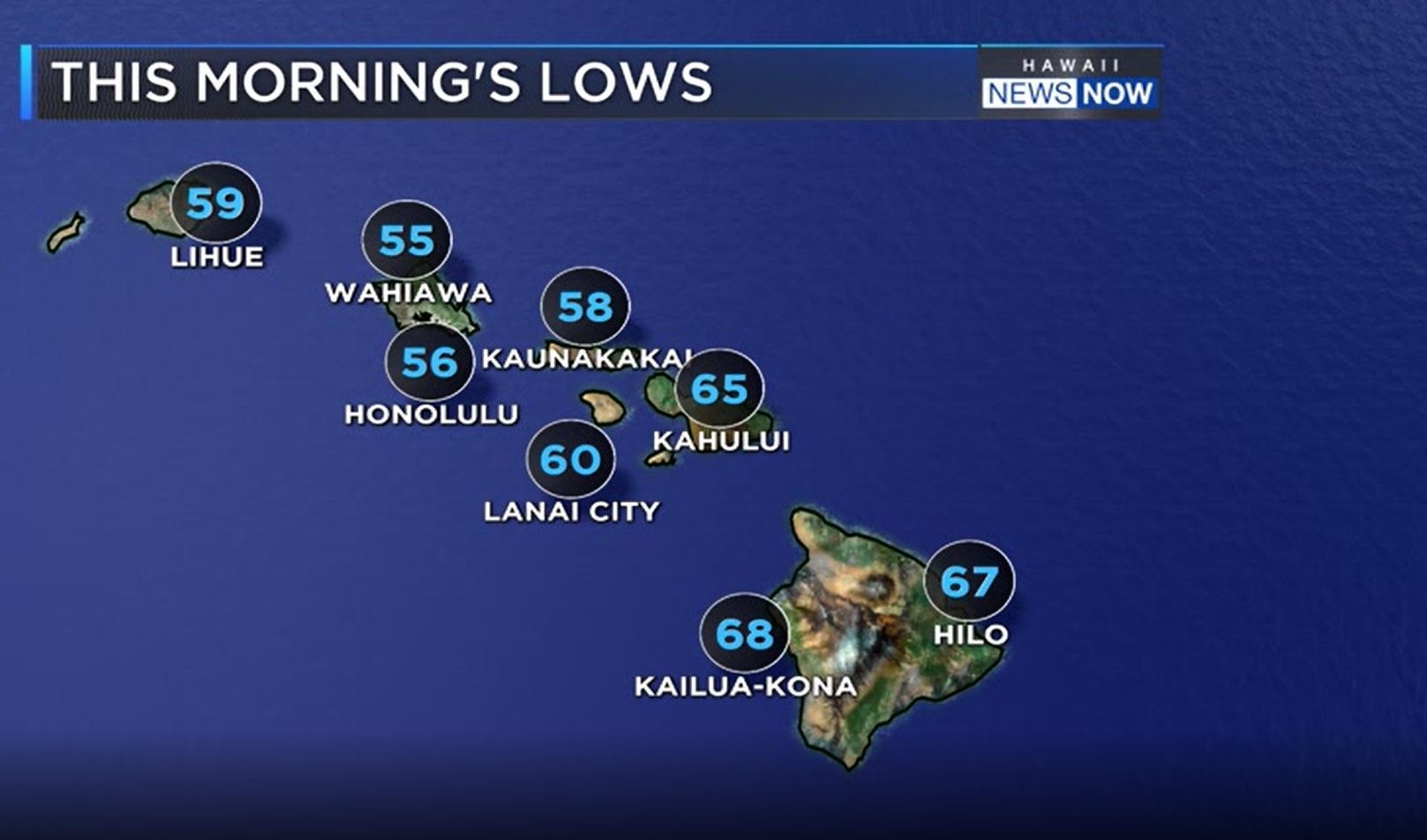
This seemingly paradoxical climate is a testament to Hawaii’s incredible geographical diversity. The islands, forged by volcanic fire and shaped by the relentless Pacific Ocean, boast an astonishing range of microclimates. From sea level, where temperatures consistently hover in the comfortable 70s and 80s Fahrenheit (21-27°C), to the windward coasts that receive abundant rainfall, and then upwards to the mountainous interiors and volcanic summits, a spectrum of weather conditions unfolds. Understanding this diversity is key to answering the question of whether Hawaii gets cold and, more importantly, what kind of climate you can expect during your visit.
Understanding Hawaii’s Climate: More Than Just Sun and Sand
Hawaii’s climate is predominantly tropical, characterized by warm temperatures throughout the year, high humidity, and distinct wet and dry seasons. However, the phrase “tropical climate” is a broad generalization. The true magic of Hawaii’s weather lies in its remarkable variation across different elevations and geographic locations within the archipelago. This variation is primarily driven by two major factors: latitude and elevation, both of which play crucial roles in shaping the island’s microclimates.
The Influence of Latitude and Ocean Currents
Situated in the heart of the Pacific Ocean, Hawaii benefits from its location far from continental landmasses. This isolation means it’s less susceptible to extreme temperature fluctuations that plague many other parts of the world. The surrounding ocean acts as a natural temperature regulator, moderating the extremes and ensuring that the coastal areas remain consistently warm. Ocean currents, such as the North Pacific Gyre, also contribute to maintaining a pleasant temperature range. These currents bring relatively warm water to the islands, further preventing drastic drops in temperature. As a result, even during what might be considered Hawaii’s “cooler” months, the air temperature at sea level rarely dips below the low 70s Fahrenheit (around 22°C).
Elevation: The Key to Hawaii’s “Cold”
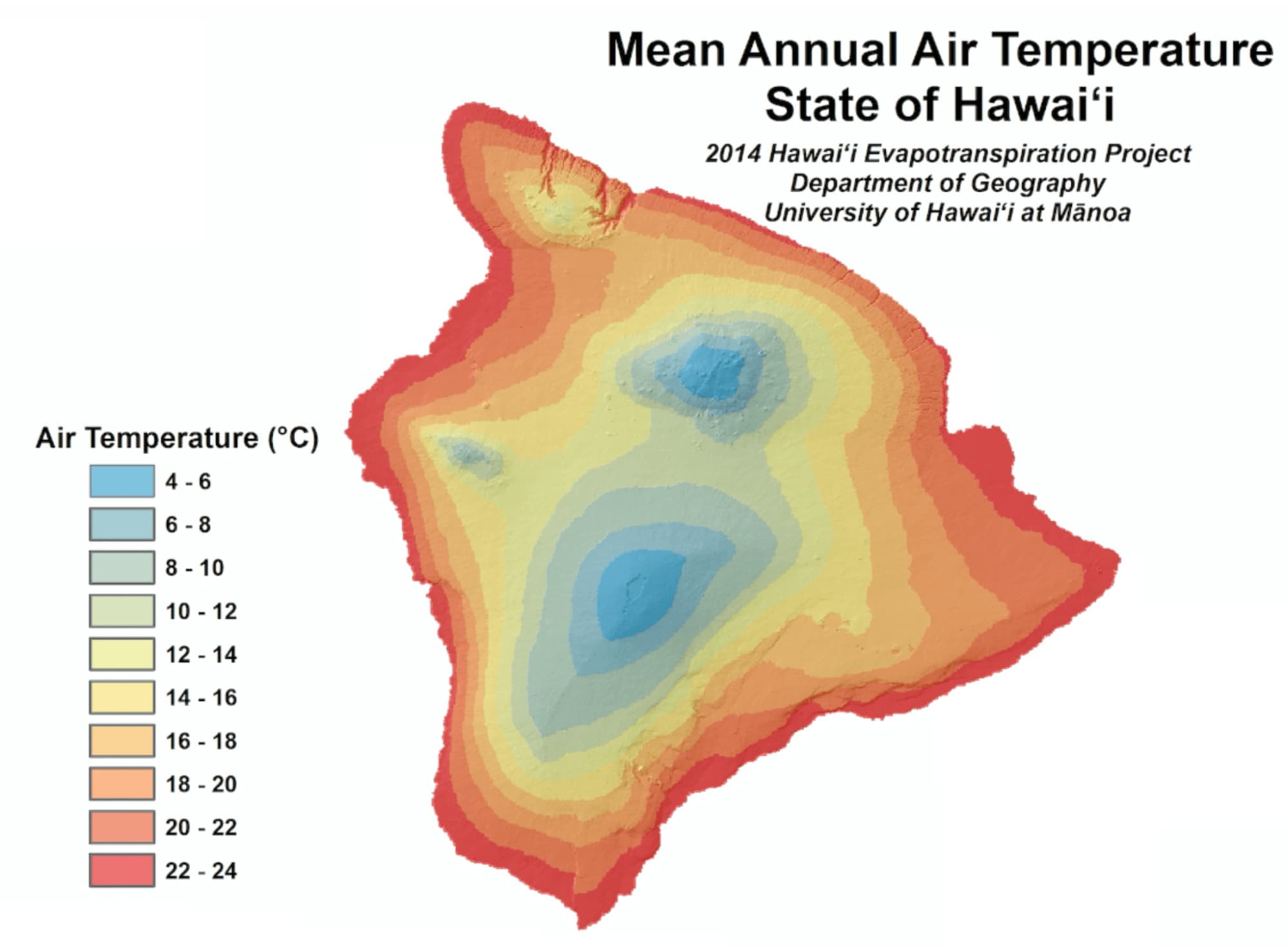
While the beaches of Waikiki might be perpetually kissed by warm sun, the story changes dramatically as you ascend. Hawaii is home to some of the tallest mountains in the world, measured from their base on the ocean floor. The most prominent examples are the massive shield volcanoes of Maui and Big Island. As you climb these giants, the temperature plummets with every thousand feet gained. This is a fundamental principle of meteorology: the atmosphere becomes less dense at higher altitudes, retaining less heat.
The Chilling Heights of Maui and Big Island
On Maui, the summit of Haleakala, at over 10,000 feet, can experience temperatures near freezing, especially at night and in the early morning. Visitors who venture to witness the sunrise from the crater often bundle up in heavy coats, hats, and gloves, a far cry from the leis and sundresses one might associate with Hawaii. Similarly, Big Island’s volcanic peaks, most notably Mauna Kea and Mauna Loa, reach elevations well over 13,000 feet. At these altitudes, the conditions are alpine, and winter brings snow. In fact, the summits of these volcanoes are the only places in Hawaii where snow regularly falls. The dramatic contrast between the tropical coast and the snow-capped peaks is one of the most unique aspects of Hawaii’s geography.
Snow in Hawaii: A Surprising Reality
The presence of snow in Hawaii might seem counterintuitive, but it’s a well-documented phenomenon. The snow on Mauna Kea and Mauna Loa is not just a fleeting dusting; it can accumulate significantly during the winter months, particularly from December through March. These snowfalls have even led to road closures for the general public, with only four-wheel-drive vehicles capable of navigating the icy conditions to reach the summit observatories on Mauna Kea. For those seeking a truly unique “cold” experience in Hawaii, a trip to these volcanic summits during the winter months offers an unforgettable adventure. It’s a stark reminder that even in the tropics, elevation reigns supreme when it comes to temperature.
Exploring Hawaii’s Islands: Climate Variations by Location
Beyond the dramatic elevation changes, the individual islands of Hawaii also exhibit distinct microclimates due to their size, shape, and prevailing wind patterns. The consistent trade winds, blowing from the northeast, play a significant role in distributing moisture and moderating temperatures.
The Islands of Oahu, Maui, Kauai, and the Big Island: A Closer Look
While all islands share the fundamental tropical climate, subtle differences exist that can influence your experience.
- Oahu: Known for its bustling city life in Honolulu and the iconic Waikiki beach, Oahu experiences fairly consistent warm weather. The leeward (south and west) sides tend to be drier and sunnier, while the windward (east and north) sides are greener and receive more rainfall. Temperatures rarely deviate much from the low 80s Fahrenheit (around 27°C).
- Maui: Famous for its luxury resorts along the western and southern coasts, Maui also offers diverse climates. The popular resort areas are typically dry and sunny, while the interior and higher elevations, like the slopes of Haleakala, can be significantly cooler and wetter. The famous Road to Hana winds through lush rainforests, indicating higher precipitation.
- Kauai: Often called the “Garden Isle” for its verdant landscapes, Kauai is the northernmost of the main islands and receives abundant rainfall, especially on its mountainous interior and the famed Na Pali Coast. While coastal areas remain warm, inland and higher elevations will be cooler and more humid.
- Big Island (Hawaii Island): This island boasts the most dramatic climatic diversity due to its sheer size and the presence of active volcanoes. The Kona coast on the west is famously dry and sunny, ideal for beach resorts. The Hilo side on the east is lush and receives copious rainfall, supporting rainforests. And, of course, the summits of Mauna Kea and Mauna Loa can be frigid and snow-covered in winter.
Planning Your Trip: Dressing for Hawaii’s Diverse Climates
Understanding Hawaii’s climatic variations is crucial for packing and planning your itinerary. While you’ll likely spend most of your time enjoying the warm coastal temperatures, being prepared for cooler conditions can significantly enhance your experience.
Essential Packing Tips for All Travelers
For most visitors, a standard tropical packing list will suffice:
- Lightweight clothing: T-shirts, shorts, sundresses, swimwear.
- Sun protection: Sunscreen, hats, sunglasses.
- Comfortable footwear: Sandals, flip-flops, walking shoes.
- Rain gear: A light, waterproof jacket is advisable, especially if you plan to explore the windward sides or higher elevations.

For the Adventurous: Summit Expeditions and Cooler Climates
If your travel plans include ascending to the higher altitudes of Maui or Big Island, you’ll need to pack accordingly:
- Warm layers: Fleece jackets, sweaters, long pants.
- Hats and gloves: Essential for summit temperatures, especially during dawn or dusk.
- Sturdy, closed-toe shoes: Hiking boots are recommended for exploring volcanic landscapes.
When considering accommodation, the choice often dictates the immediate climate you’ll experience. Staying in a beachfront resort in Kaanapali on Maui will offer consistently warm weather. However, if your adventure takes you to the slopes of Haleakala for stargazing or a sunrise visit to the summit, you will undoubtedly encounter temperatures that feel decidedly “cold” by Hawaiian standards. Likewise, a stay in the charming town of Volcano Village near Hawaii Volcanoes National Park on Big Island will likely be cooler and more humid than a hotel on the sunny Kona coast.
Ultimately, the question of “does it get cold in Hawaii?” is best answered by acknowledging its incredible climatic spectrum. For the typical beachgoer, Hawaii remains a warm, tropical paradise. But for the curious traveler willing to explore its heights, the islands offer a surprising and exhilarating encounter with genuine cold, even snow. This duality is part of what makes Hawaii such a captivating and endlessly fascinating destination.
LifeOutOfTheBox is a participant in the Amazon Services LLC Associates Program, an affiliate advertising program designed to provide a means for sites to earn advertising fees by advertising and linking to Amazon.com. Amazon, the Amazon logo, AmazonSupply, and the AmazonSupply logo are trademarks of Amazon.com, Inc. or its affiliates. As an Amazon Associate we earn affiliate commissions from qualifying purchases.