
Embarking on a journey from the tropical paradise of Hawaii to the captivating land of the rising sun, Japan, is a dream for many travelers. This trans-Pacific voyage connects two vastly different yet equally alluring destinations, each offering a unique blend of natural beauty, rich culture, and unforgettable experiences. However, before you start packing your bags with aloha shirts and kimonos, one of the most practical questions that arises is: “How long is the flight to Japan from Hawaii?”
The answer, like many travel-related queries, isn’t a single definitive number. The duration of your flight can vary significantly based on several key factors. Understanding these elements will help you plan your itinerary, pack efficiently, and prepare for the time difference and potential jet lag as you transition from the laid-back island vibes to the bustling energy of Japan.

Understanding Flight Durations: Direct vs. Indirect Routes
The most significant determinant of flight time between Hawaii and Japan is whether you opt for a direct flight or one with layovers.
Direct Flights: The Fastest Path
For travelers prioritizing speed and convenience, direct flights are the ideal choice. These non-stop journeys offer the most efficient way to traverse the Pacific Ocean, minimizing travel time and eliminating the hassle of changing planes.
-
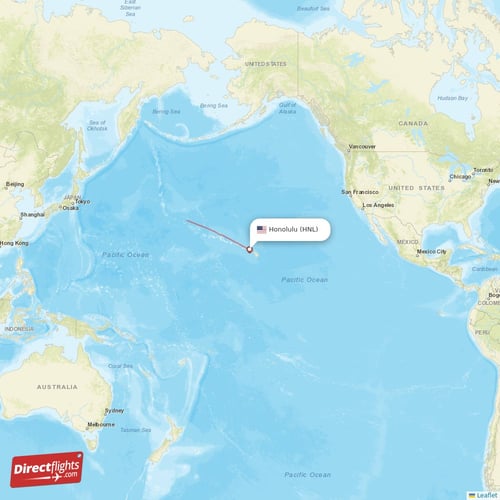
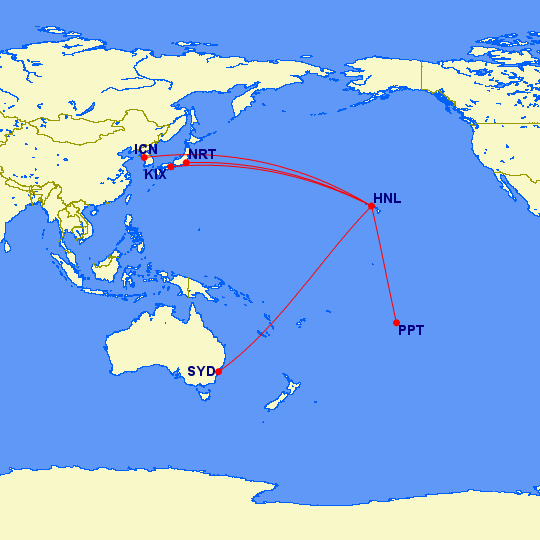
Average Duration: A typical direct flight from Honolulu International Airport (HNL) in Oahu, the primary international gateway in Hawaii, to Tokyo Narita International Airport (NRT) or Tokyo Haneda Airport (HND), the main international airports serving Japan, generally ranges from 9 to 10.5 hours.
- Westbound Flights (Hawaii to Japan): Flights heading west from Hawaii to Japan tend to be slightly shorter. This is due to the prevailing westerly winds that assist aircraft. You can expect these flights to be on the lower end of the 9-10.5 hour spectrum.
- Eastbound Flights (Japan to Hawaii): Conversely, flights traveling east from Japan back to Hawaii are often a bit longer, typically taking between 9.5 and 10.5 hours, or sometimes even a touch more. The headwind encountered on this route contributes to the extended flight time.
Airlines such as Japan Airlines and Hawaiian Airlines frequently operate direct routes between these two destinations. Booking a direct flight is paramount if your time is limited or if you simply prefer to reach your destination with minimal disruption.
Flights with Layovers: Flexibility and Potential Savings
While direct flights are the quickest, they aren’t always the most economical or readily available option. Flights with one or more layovers are common and can offer greater flexibility in terms of departure times, airlines, and potentially lower fares. However, they significantly increase the overall travel time.
- Factors Affecting Layover Duration: The total travel time for a flight with a layover is a sum of the flight segments and the layover time itself.
- Flight Segments: Each leg of your journey will have its own flight duration, similar to direct flights.
- Layover Time: This is the crucial factor. Layovers can range from a couple of hours to over ten hours, depending on the airline’s schedule and the connection airport. Popular layover cities for flights between Hawaii and Japan might include cities on the U.S. West Coast like Los Angeles or San Francisco, or sometimes even hubs in other parts of Asia.
- Total Travel Time: Consequently, a flight with a layover can easily stretch your journey to 13-20 hours or more. In some cases, with very long layovers or multiple stops, the travel time could even extend to over 24 hours, effectively turning your travel day into a multi-day endeavor.
When considering flights with layovers, it’s essential to meticulously review the total estimated travel time, including the layover duration, before booking. For some travelers, a lengthy layover might present an opportunity to explore a new city, but for most, it represents a significant addition to the overall journey.
Factors Influencing Flight Time
Beyond the direct versus indirect route, several other variables can subtly influence the actual time you spend in the air. While these might not drastically alter your flight duration, they are worth considering for a comprehensive understanding.
Aircraft Type and Airline Efficiency
Different aircraft models have varying cruising speeds. Modern, wide-body jets commonly used for long-haul international flights are generally efficient. However, minor differences in the cruising speed of the specific aircraft assigned to your flight can lead to slight variations in flight time. Airlines also invest in advanced air traffic management and route optimization, which can contribute to more efficient flight paths.
Weather Conditions and Jet Streams
The Pacific Ocean is vast and subject to dynamic weather patterns. While commercial aviation typically avoids the most severe weather, headwinds and tailwinds can impact flight times.
- Headwinds: Flying against a headwind will increase the time it takes to reach your destination.
- Tailwinds: Conversely, a tailwind will help push the aircraft forward, reducing flight time.
- Jet Streams: These are fast-flowing, narrow air currents found in the Earth’s atmosphere. Pilots can sometimes utilize jet streams to their advantage, catching a tailwind to speed up their journey. However, flying against a jet stream can significantly prolong a flight.
While pilots and airlines do their best to plan routes that minimize the impact of adverse weather, unpredictable atmospheric conditions can lead to minor adjustments in flight schedules.
Air Traffic Control and Routing
Air traffic control plays a critical role in managing the flow of aircraft across busy airways. Congestion at airports or in the airspace can sometimes lead to holding patterns or slightly rerouted paths, which can add a few minutes to the flight time. While these are usually minor, they are a contributing factor to the real-world duration of any flight.
Planning Your Trip from Hawaii to Japan
Once you have a clear understanding of potential flight durations, you can begin to plan the other crucial aspects of your journey, from where to stay to what to see in Japan.
Choosing Your Destination in Japan
Japan offers an incredible diversity of experiences, from the neon-lit metropolises to serene historical sites and breathtaking natural landscapes. Your choice of arrival airport in Japan will likely depend on your initial destination.
- Tokyo: As the capital and a global hub, Tokyo is a popular entry point. It’s home to iconic landmarks like the Tokyo Skytree, the historic Senso-ji Temple, and vibrant districts such as Shinjuku and Shibuya.
- Osaka: Known for its culinary scene and lively atmosphere, Osaka is another major international gateway. Attractions include Osaka Castle and the bustling Dotonbori district.
- Other Cities: Depending on your interests, you might fly into other cities like Kyoto (though often accessed via Osaka Kansai International Airport), Sapporo, or Fukuoka.
Consider which part of Japan you wish to explore first, as this will influence your flight booking and subsequent travel arrangements within the country.
Accommodation and Travel Tips
Japan boasts a wide range of accommodation options to suit every budget and travel style. From luxury hotels and traditional ryokans to budget-friendly hostels and modern apartments, you’ll find the perfect place to rest after your long flight.
- Hotels: Expect impeccable service and diverse offerings, from the sprawling elegance of the Imperial Hotel in Tokyo to boutique hotels in historic districts. Many hotels offer amenities like onsen (hot springs) and exquisite dining.
- Ryokans: For a truly immersive cultural experience, consider staying in a traditional ryokan. These inns offer tatami mat rooms, futon beds, and often include elaborate multi-course kaiseki dinners.
- Apartments and Vacation Rentals: These can be ideal for families or longer stays, providing more space and the ability to self-cater.
Travel Tips for Your Journey:
- Jet Lag Management: Japan is 3 to 5 hours ahead of Hawaii, depending on daylight saving time. Prepare for the time difference by adjusting your sleep schedule gradually before you depart and staying hydrated on the flight.
- Connectivity: Consider purchasing a portable Wi-Fi device or a local SIM card upon arrival to stay connected.
- Transportation: Japan has an incredibly efficient and extensive public transportation system, particularly its high-speed rail network, the Shinkansen. Purchase a Japan Rail Pass if you plan on extensive travel.
- Currency: The currency in Japan is the Japanese Yen (JPY). While credit cards are increasingly accepted, it’s wise to carry some cash, especially for smaller establishments.
By understanding the nuances of flight durations and planning these practical details in advance, your transition from the sunny shores of Hawaii to the captivating allure of Japan will be smoother and more enjoyable. The journey across the Pacific is an adventure in itself, bridging two worlds with unique charms and unforgettable discoveries waiting to be made.
LifeOutOfTheBox is a participant in the Amazon Services LLC Associates Program, an affiliate advertising program designed to provide a means for sites to earn advertising fees by advertising and linking to Amazon.com. Amazon, the Amazon logo, AmazonSupply, and the AmazonSupply logo are trademarks of Amazon.com, Inc. or its affiliates. As an Amazon Associate we earn affiliate commissions from qualifying purchases.