
The Hawaiian Islands, a breathtaking archipelago born from the depths of the Pacific Ocean, are synonymous with stunning natural beauty, vibrant culture, and, of course, their iconic volcanoes. For many travelers dreaming of a Hawaiian adventure, the dramatic landscapes shaped by volcanic activity are a primary draw. But a burning question often arises: how many active volcanoes are there in this volcanic paradise? The answer is not as simple as a single number, as it depends on how one defines “active.” However, what is undeniable is that Hawaii is a living, breathing geological marvel, with volcanoes that continue to shape its very existence.
This fascination with Hawaii’s fiery heart draws millions of visitors each year, eager to witness the raw power of nature. From the easily accessible and frequently erupting Kīlauea to the towering presence of Mauna Loa, the islands offer a unique opportunity to experience the ongoing creation of land. Understanding the status of these volcanoes is crucial for anyone planning a trip, from choosing the perfect Hawaiian resort to navigating local activities and understanding the history of these incredible landmarks. Whether you’re seeking luxury travel experiences, budget-friendly family trips, or immersive cultural encounters, Hawaii’s volcanoes are an integral part of the lifestyle and allure of this extraordinary destination.
The Dynamic Geology of the Hawaiian Islands
The Hawaiian Islands are part of a volcanic hotspot, a phenomenon where plumes of molten rock rise from deep within the Earth’s mantle, melting the overlying Pacific Plate and creating volcanoes. As the Pacific Plate moves northwest, new volcanoes form over the stationary hotspot, leading to the formation of a chain of islands, with the youngest and most volcanically active islands situated at the southeastern end. This geological process has been ongoing for millions of years, resulting in the diverse landscapes we see today, from lush rainforests to stark, barren lava fields.
The definition of an “active volcano” is key to understanding the numbers. Geologists typically classify volcanoes into three categories: active, dormant, and extinct. An active volcano is one that has erupted in historical times and is expected to erupt again. A dormant volcano has not erupted recently but is still considered capable of erupting. An extinct volcano is one that is unlikely to ever erupt again. In Hawaii, this classification system highlights the ongoing geological dynamism of the islands.
Defining “Active” in the Hawaiian Context
When discussing Hawaii’s volcanoes, the term “active” generally refers to those that have shown signs of unrest, such as seismic activity, gas emissions, or ground deformation, and have erupted in historical times. The U.S. Geological Survey (USGS), through its Hawaiian Volcano Observatory (HVO), meticulously monitors these giants, providing invaluable data for scientists and the public alike. Their continuous observation allows for a better understanding of the volcanoes’ behavior, enabling timely warnings and informing tourism safety.
The Hawaiian Volcanoes National Park on the Island of Hawaii is the epicenter of much of this volcanic activity. Within this park, and across the archipelago, several volcanoes are consistently considered active. Understanding which volcanoes fall into this category is essential for planning any Hawaiian itinerary, ensuring visitors can safely experience the marvels of these natural wonders.
Hawaii’s Volcanic Titans: An Overview
Hawaii is home to a multitude of volcanoes, both above and below sea level. However, when focusing on the most prominent and frequently discussed active volcanoes, a few stand out. These are the giants that have shaped the islands and continue to capture the imagination of visitors and scientists alike.
The Most Active: Kīlauea and Mauna Loa
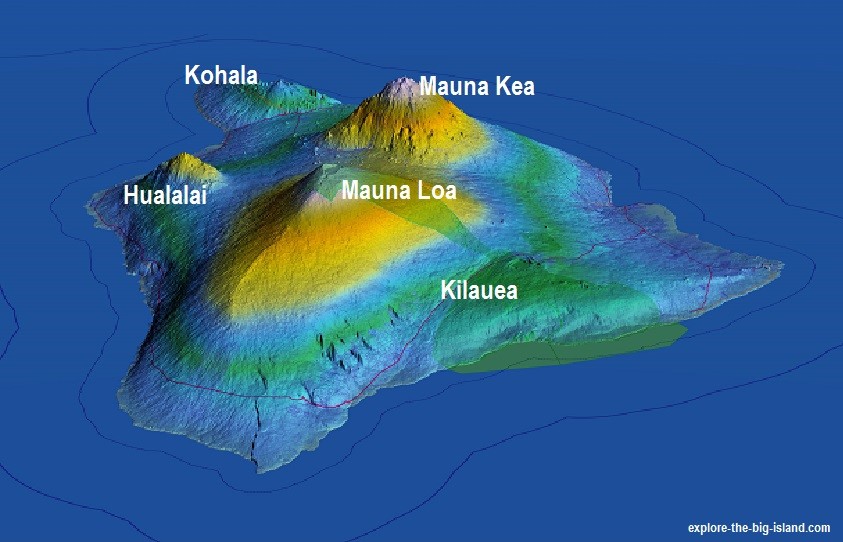
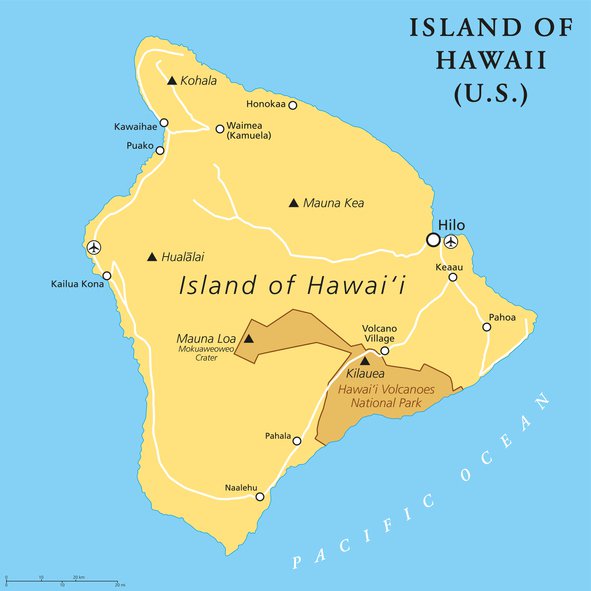
Undoubtedly, the most famous and consistently active volcano in Hawaii is Kīlauea. Located on the southeastern flank of Mauna Loa on the Island of Hawaii, Kīlauea has been in a near-continuous state of eruption for decades, though the style and location of these eruptions have varied. Its accessibility makes it a prime attraction for visitors to Hawaiian Volcanoes National Park, offering unparalleled opportunities to witness the creation of new land and the dramatic flow of lava. The lava flows from Kīlauea have, at times, reached the ocean, creating spectacular steam plumes and expanding the island’s coastline.
Another colossal force is Mauna Loa, the largest volcano on Earth by volume and area. While its eruptions are less frequent than Kīlauea’s, they can be much more voluminous and cover vast areas. Mauna Loa last erupted in November-December 2022 after a 38-year quiet period, reminding the world of its immense power. Its sheer scale and potential for significant lava flows make it a critical focus for USGS monitoring and a significant geological feature of the Hawaiian Islands.
Other Notable Volcanoes and Their Status
Beyond Kīlauea and Mauna Loa, Hawaii boasts other significant volcanic structures, some of which are considered active or dormant, holding the potential for future activity.
- Hualālai: Located on the western side of the Island of Hawaii, Hualālai is classified as an active volcano. It last erupted around 1800-1801 and is expected to erupt again in the future. While not as consistently eruptive as Kīlauea, its proximity to populated areas like Kailua-Kona makes its monitoring particularly important.
-
Mauna Kea: The tallest mountain in Hawaii (measured from its base on the seafloor), Mauna Kea is a dormant volcano. Its last eruption is estimated to have occurred about 4,500 years ago. Despite its dormant status, Mauna Kea is a sacred place for native Hawaiians and a world-renowned site for astronomical observatories due to its high elevation and clear skies.
-
Lānaʻi and Kahoʻolawe: These islands are also volcanic in origin. Lānaʻi is considered dormant, with its last eruptive period dating back thousands of years. Kahoʻolawe, the smallest of the eight main Hawaiian islands, is primarily an ancient volcanic remnant and is generally considered extinct.
-
Maui: The island of Maui is dominated by the massive shield volcano Haleakalā. Haleakalā is considered dormant but has erupted in the last few hundred years, with its last confirmed eruption occurring sometime between the late 17th and early 19th centuries. Visitors flock to Haleakalā National Park to witness its breathtaking crater and stunning sunrise views.
-
Oʻahu: Even the island of Oʻahu, home to Honolulu and Waikīkī, has volcanic origins. Features like Diamond Head (Lēʻahi) and the Koʻolau Range are remnants of ancient volcanoes. These are considered extinct, their fiery past having long since subsided, leaving behind iconic geological formations that are now major landmarks.
The Active Volcano Count
Based on these classifications and current monitoring by the USGS, Hawaii has five volcanoes that are currently considered active: Kīlauea, Mauna Loa, Hualālai, Haleakalā, and Mauna Kea (though Mauna Kea is often categorized as dormant but can show signs of unrest and is part of the active volcanic system). Some sources might cite fewer if they strictly adhere to the definition of having erupted in very recent historical times and showing current unrest, focusing primarily on Kīlauea and Mauna Loa. However, a broader definition encompassing volcanoes with the potential for future eruptions and that have erupted in the last few thousand years, coupled with ongoing monitoring, typically leads to a count of five prominent active or potentially active volcanoes that significantly shape the Hawaiian landscape and influence travel and tourism.
Experiencing Hawaii’s Volcanic Wonders Safely
The allure of Hawaii’s volcanoes is undeniable, drawing adventurers and nature lovers from across the globe. Whether you’re staying in a luxurious Hawaiian resort, a charming boutique hotel, or a family-friendly villa, the opportunity to witness volcanic activity or explore volcanic landscapes is often just a short journey away. However, responsible travel and a keen awareness of safety protocols are paramount when visiting these dynamic landmarks.
Visiting Hawaiian Volcanoes National Park
The Hawaiian Volcanoes National Park on the Island of Hawaii is the premier destination for experiencing active volcanism. Here, visitors can safely observe lava flows, steam vents, and crater rims, depending on current conditions. The park offers a range of activities, from scenic drives along the Chain of Craters Road to hiking trails that wind through ancient lava fields and lush rainforests. It’s crucial to check the official National Park Service website and the HVO for the latest updates on eruption status, air quality (vog), and any closures or advisories before planning your visit.
When exploring the park, always stay on marked trails and heed all warning signs. The ground around active volcanic areas can be unstable, and the gases emitted can be hazardous. Embracing the spirit of responsible tourism ensures that these natural wonders can be enjoyed for generations to come.
Accommodations and Activities Around Active Volcanoes
For those planning to base their Hawaiian getaway around volcanic exploration, accommodation options abound. The Island of Hawaii offers a wide array of hotels, from large resorts in areas like Waikoloa to more intimate inns and vacation apartments closer to Volcano Village. Choosing accommodation that aligns with your lifestyle – whether it’s a budget-friendly option for a family trip or a high-end suite for a luxury escape – will enhance your experience.
Beyond the Hawaiian Volcanoes National Park, other islands offer unique volcanic perspectives. On Maui, a sunrise or sunset visit to the summit of Haleakalā is an unforgettable experience, with the vast crater providing a stark reminder of the island’s powerful geological past. Oʻahu offers opportunities to explore extinct volcanic craters like Diamond Head, providing panoramic views of Honolulu and the coastline.

Understanding Volcanic Hazards and Safety Tips
While the volcanoes are a major draw, it’s important to be informed about potential hazards. These include:
- Lava Flows: While often slow-moving, lava flows can be unpredictable and dangerous. Always maintain a safe distance and never walk on fresh lava.
- Volcanic Gases (Vog): Eruptions release gases like sulfur dioxide, which can create volcanic smog (vog). Vog can cause respiratory irritation, especially for those with pre-existing conditions. Pay attention to air quality advisories.
- Earthquakes: Volcanic activity is often accompanied by seismic tremors. While most are minor, it’s important to be aware of potential earthquake safety measures.
- Steaming Cliffs and Crater Edges: The ground near vents and crater rims can be unstable and hot.
When visiting Hawaii, embracing the local culture and respecting the land (ʻāina) is paramount. Many Hawaiian traditions and beliefs are deeply intertwined with the volcanoes, particularly Pele, the goddess of fire. Understanding this connection enriches the travel experience and promotes a deeper appreciation for these magnificent natural forces. By prioritizing safety, staying informed, and respecting the environment, visitors can safely and profoundly experience the awe-inspiring power of Hawaii’s active volcanoes.
LifeOutOfTheBox is a participant in the Amazon Services LLC Associates Program, an affiliate advertising program designed to provide a means for sites to earn advertising fees by advertising and linking to Amazon.com. Amazon, the Amazon logo, AmazonSupply, and the AmazonSupply logo are trademarks of Amazon.com, Inc. or its affiliates. As an Amazon Associate we earn affiliate commissions from qualifying purchases.