
The allure of Hawaii conjures images of pristine beaches, volcanic landscapes, and vibrant cultures. Often perceived as a single, idyllic destination, the Hawaiian Islands are, in fact, an archipelago teeming with diversity. The question “How many islands are Hawaii?” is more complex than a simple number; it delves into what defines an island in this unique Pacific paradise and acknowledges the distinct character of each landmass that contributes to the state of Hawaii. While there are numerous islets and atolls, the Hawaiian Islands officially recognized as inhabited and significant are a core group, each offering a unique slice of paradise for travelers, historians, and nature enthusiasts alike.
Unveiling the Main Hawaiian Islands
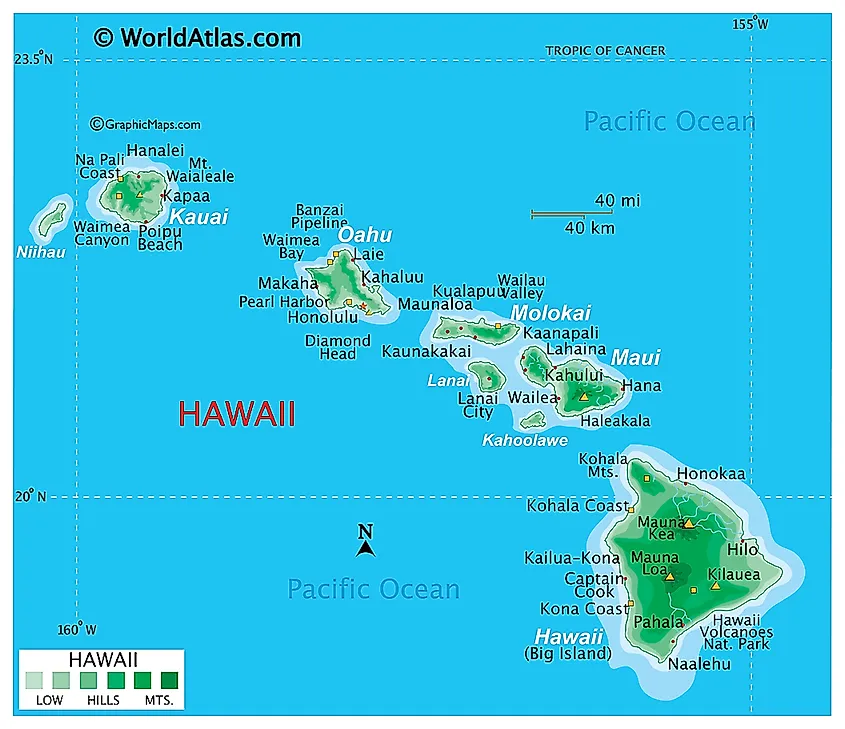
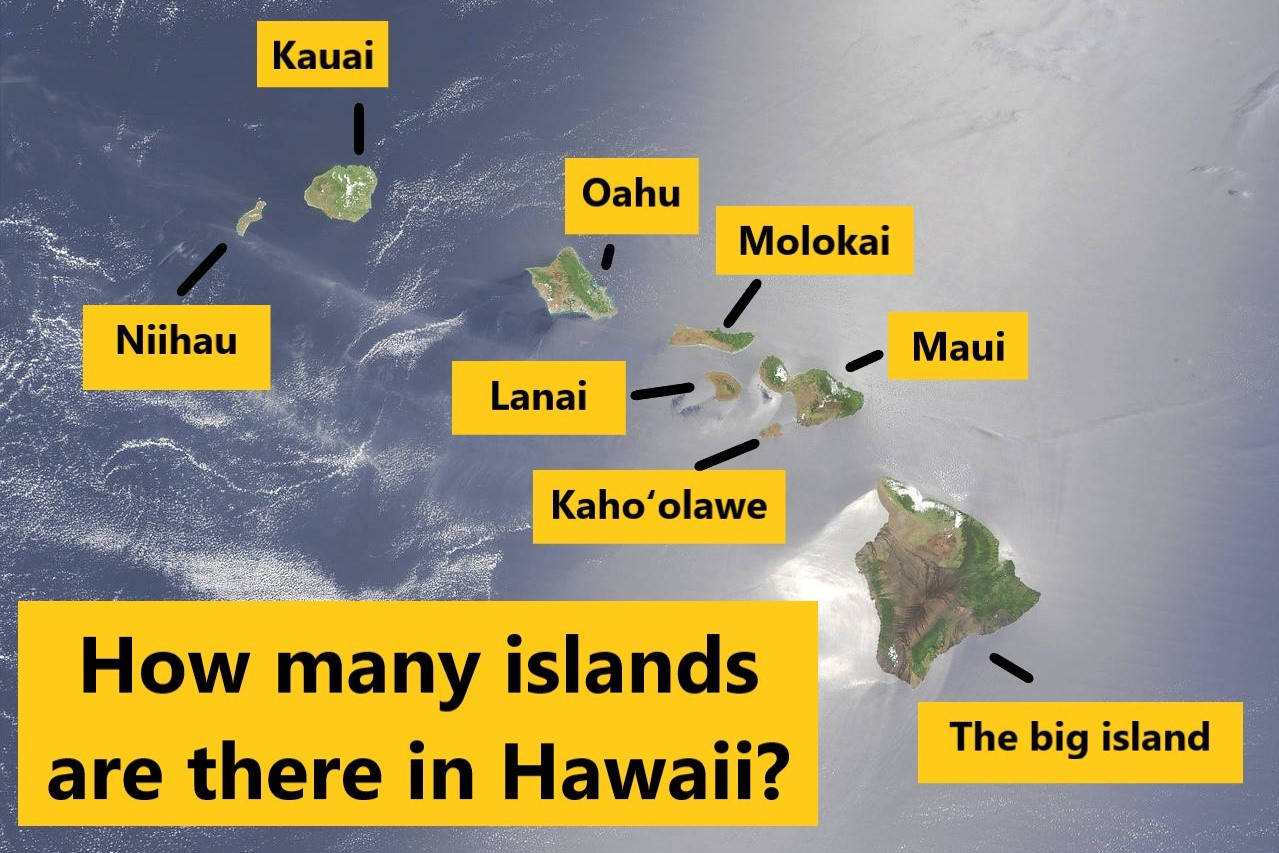
When most people refer to Hawaii, they are typically thinking of the eight main islands. These are the prominent landmasses that form the backbone of the Hawaiian archipelago and are most frequently visited by tourists. Each of these islands boasts its own distinct personality, geographical features, and array of attractions. Understanding these main islands is crucial for anyone planning a trip or simply curious about this Pacific gem.
Oahu: The Gathering Place
Often referred to as “The Gathering Place,” Oahu is the most populous and arguably the most iconic of the Hawaiian Islands. It’s home to the state capital, Honolulu, and the world-famous shores of Waikiki. Oahu is a vibrant blend of urban energy and natural beauty, offering a little something for everyone. For those interested in history, Pearl Harbor stands as a solemn testament to a pivotal moment in world history. The beaches are legendary, from the surfing mecca of the North Shore, with its powerful waves at Waimea Bay and Banzai Pipeline, to the gentle waters perfect for swimming and paddleboarding in Waikiki.
Beyond the beaches and historical sites, Oahu offers a wealth of cultural experiences. Visitors can explore the Iolani Palace, the only royal palace in the United States, and learn about the history of the Hawaiian Kingdom. The Polynesian Cultural Center provides an immersive journey into the traditions of various Pacific island nations. Hiking enthusiasts will find challenging trails leading to breathtaking viewpoints, such as the trek up Diamond Head for panoramic views of Honolulu and the coastline. The island’s culinary scene is equally diverse, ranging from upscale dining in Honolulu to local plate lunches and fresh seafood. For accommodation, Oahu offers an extensive range of options, from luxurious beachfront resorts in Waikiki like the Halekulani Hotel to boutique hotels and budget-friendly guesthouses scattered across the island.
Maui: The Valley Isle
Known as “The Valley Isle,” Maui is celebrated for its stunning natural beauty, romantic ambiance, and diverse landscapes. It’s a popular destination for honeymoons and romantic getaways, but its appeal extends to families and adventure seekers as well. The iconic Road to Hana is a must-do experience, a scenic drive that winds through lush rainforests, past cascading waterfalls, and along dramatic coastal cliffs. The journey itself is an adventure, with numerous stops for swimming in freshwater pools, exploring bamboo forests, and marveling at the vibrant flora.
Maui is also home to Haleakala National Park, where visitors can witness an unforgettable sunrise or sunset from the summit of the dormant volcano. The landscape at the summit is otherworldly, resembling the surface of the moon, and the star-gazing opportunities are unparalleled. For beach lovers, Maui offers a spectrum of sandy havens. Kaanapali Beach is known for its golden sands and the nightly cliff-diving ceremony at Black Rock, while Wailea Beach provides a more serene and luxurious beach experience. The charming town of Lahaina, once a whaling village, offers historical insights, art galleries, and delightful dining options. Accommodation on Maui ranges from sprawling luxury resorts in Kaanapali and Wailea to charming bed and breakfasts in the upcountry and vacation rentals.
Island of Hawaii (The Big Island): The Orchid Isle
The largest of the Hawaiian Islands, the Island of Hawaii is often referred to as “The Big Island” to avoid confusion with the state’s name. It is a land of dramatic contrasts, boasting active volcanoes, black sand beaches, snow-capped mountains, and lush rainforests. Hawaii Volcanoes National Park is the island’s crown jewel, home to Kilauea, one of the world’s most active volcanoes. Witnessing the raw power of the earth here, whether through steam vents, lava tubes, or (when active) flowing lava, is a profound experience.
The island’s diverse climates support a variety of agricultural pursuits. The slopes of Mauna Kea and Mauna Loa are renowned for their coffee plantations, producing world-famous Kona coffee. Visitors can tour coffee farms and sample the rich brews. The northern coast, known as the Hamakua Coast, is characterized by its verdant valleys and waterfalls, including the impressive Akaka Falls. On the western side, the sunny Kohala Coast offers beautiful beaches and luxury resorts, while the southern tip of the island is marked by the unique black sand beaches, such as Punalu’u Black Sand Beach, where green sea turtles often bask. Accommodation on The Big Island is spread across various regions, offering everything from beachfront resorts to eco-lodges and vacation rentals.
Kauai: The Garden Isle
Nicknamed “The Garden Isle,” Kauai is a tropical paradise renowned for its dramatic natural beauty, lush landscapes, and more laid-back atmosphere. It is a haven for nature lovers and outdoor adventurers. The breathtaking Na Pali Coast, with its towering emerald cliffs, cascading waterfalls, and pristine beaches, is a sight to behold. This rugged coastline is best explored by boat tour, helicopter, or by undertaking the challenging Kalalau Trail.

Inland, the island is dominated by the Waimea Canyon, often called the “Grand Canyon of the Pacific.” Its colorful canyons, deep gorges, and panoramic vistas are truly spectacular. Poipu Beach on the south shore is a popular spot for swimming, snorkeling, and spotting Hawaiian monk seals. The north shore, with its charming towns like Hanalei, offers a more relaxed vibe and stunning coastal scenery. Kauai is also home to numerous botanical gardens, showcasing the island’s rich biodiversity. For accommodation, Kauai offers a range of options, from luxury resorts in Poipu to boutique hotels and vacation rentals nestled in picturesque settings.
Lanai: The Pineapple Isle
Once the world’s largest pineapple plantation, Lanai is now a tranquil escape offering a more secluded and luxurious experience. It’s a stark contrast to the bustling energy of Oahu or the adventurous spirit of The Big Island. Much of the island is privately owned, with two primary resorts catering to discerning travelers. Lanai City offers a glimpse into the island’s past with its charming old plantation buildings.
The island is known for its dramatic geological formations, such as the Garden of the Gods (also known as Kualoa Ranch), a landscape of striking rock formations. The waters surrounding Lanai are renowned for snorkeling and diving, with popular spots like Hulopoe Bay teeming with marine life. For those seeking an exclusive retreat, Lanai provides an unparalleled sense of peace and privacy. Accommodation is primarily focused on luxury resorts, offering high-end amenities and secluded experiences.
Molokai: The Friendly Isle
Molokai is often called “The Friendly Isle” and is perhaps the most authentic of the Hawaiian Islands, retaining much of its traditional Hawaiian culture and rural charm. It offers a glimpse into old Hawaii, with a slower pace of life and a strong sense of community. The island is largely undeveloped, with limited tourism infrastructure, making it an ideal destination for those seeking a genuine cultural immersion and a break from commercialism.
One of Molokai’s most significant historical sites is the Kalaupapa National Historical Park, a former leper colony located on a remote peninsula, accessible by a steep trail or mule ride. The dramatic sea cliffs on the north shore are among the tallest in the world, offering stunning, albeit inaccessible, views. The island’s interior is home to ancient Hawaiian fishponds and taro fields, providing insights into traditional agricultural practices. Accommodation on Molokai is sparse, consisting mainly of small inns, vacation rentals, and a few modest hotels, catering to a more independent traveler.
Niihau: The Forbidden Isle
Niihau, known as “The Forbidden Isle,” is privately owned by the Robinson family and is the smallest of the main Hawaiian Islands. Access to Niihau is strictly limited, with visits permitted only by invitation or through approved helicopter tours and hunting expeditions. This exclusivity has helped preserve its unique culture and pristine natural environment. The inhabitants of Niihau are primarily Native Hawaiians who maintain their traditional way of life, speaking the Hawaiian language as their primary tongue and continuing ancestral practices.
The island is ecologically diverse, with rare and endangered species of plants and animals found nowhere else. Its isolation has allowed for the preservation of a traditional Hawaiian lifestyle, untouched by the modern world. While not a typical tourist destination, Niihau represents a living link to the ancient past of Hawaii, a place where the echoes of old Hawaii can still be heard.
Beyond the Main Eight: A Wider Archipelago
While the eight main islands capture the most attention, the Hawaiian archipelago extends far beyond them, encompassing numerous smaller islets, atolls, and submerged seamounts that stretch for hundreds of miles. These outlying islands, while largely uninhabited and inaccessible, play a vital role in the broader Hawaiian ecosystem and maritime history.
Northwestern Hawaiian Islands: A Vital Marine Sanctuary
The Northwestern Hawaiian Islands (NWHI) form a chain of small islands and atolls that extend northwestward from the main islands. This vast area, covering over 1,200 miles, is a protected marine national monument, the Papahānaumokuākea Marine National Monument. This sanctuary is a critical breeding ground for seabirds, sea turtles, and monk seals, and it supports a rich diversity of marine life. Islands like Kure Atoll, Midway Atoll, and Laysan Island are important ecological sites, though they are primarily managed for conservation and scientific research rather than tourism. Midway Atoll, in particular, is famous for its historical significance as the site of the Battle of Midway during World War II, and it remains a sanctuary for albatross colonies.
The Significance of Hawaii’s Islands
The question of “How many islands are Hawaii?” ultimately leads to an appreciation for the vastness and diversity of the Hawaiian Islands. From the bustling urban landscapes of Oahu to the untouched wilderness of the Northwestern Hawaiian Islands, each landmass contributes to the unique identity of Hawaii. Whether you are planning a luxurious resort stay on Maui, an adventurous trek on Kauai, a historical exploration of Oahu, or a tranquil escape to Lanai, the Hawaiian Islands offer an unforgettable travel experience, steeped in natural beauty, rich history, and vibrant culture. Understanding the distinct characteristics of each island allows for a more profound and enriching exploration of this Pacific paradise.
LifeOutOfTheBox is a participant in the Amazon Services LLC Associates Program, an affiliate advertising program designed to provide a means for sites to earn advertising fees by advertising and linking to Amazon.com. Amazon, the Amazon logo, AmazonSupply, and the AmazonSupply logo are trademarks of Amazon.com, Inc. or its affiliates. As an Amazon Associate we earn affiliate commissions from qualifying purchases.