
Planning a dream getaway to the idyllic islands of Hawaii often begins with a single, crucial question: “How much does a flight to Hawaii cost?” The allure of Hawaii is undeniable – a tropical paradise brimming with vibrant culture, breathtaking natural beauty, and endless opportunities for adventure and relaxation. From the iconic surf breaks of Oahu to the volcanic majesty of the Big Island, the Aloha State beckons travelers seeking an unforgettable escape. However, the cost of reaching this Pacific jewel can be a significant factor in trip planning, and it’s a figure that fluctuates considerably.
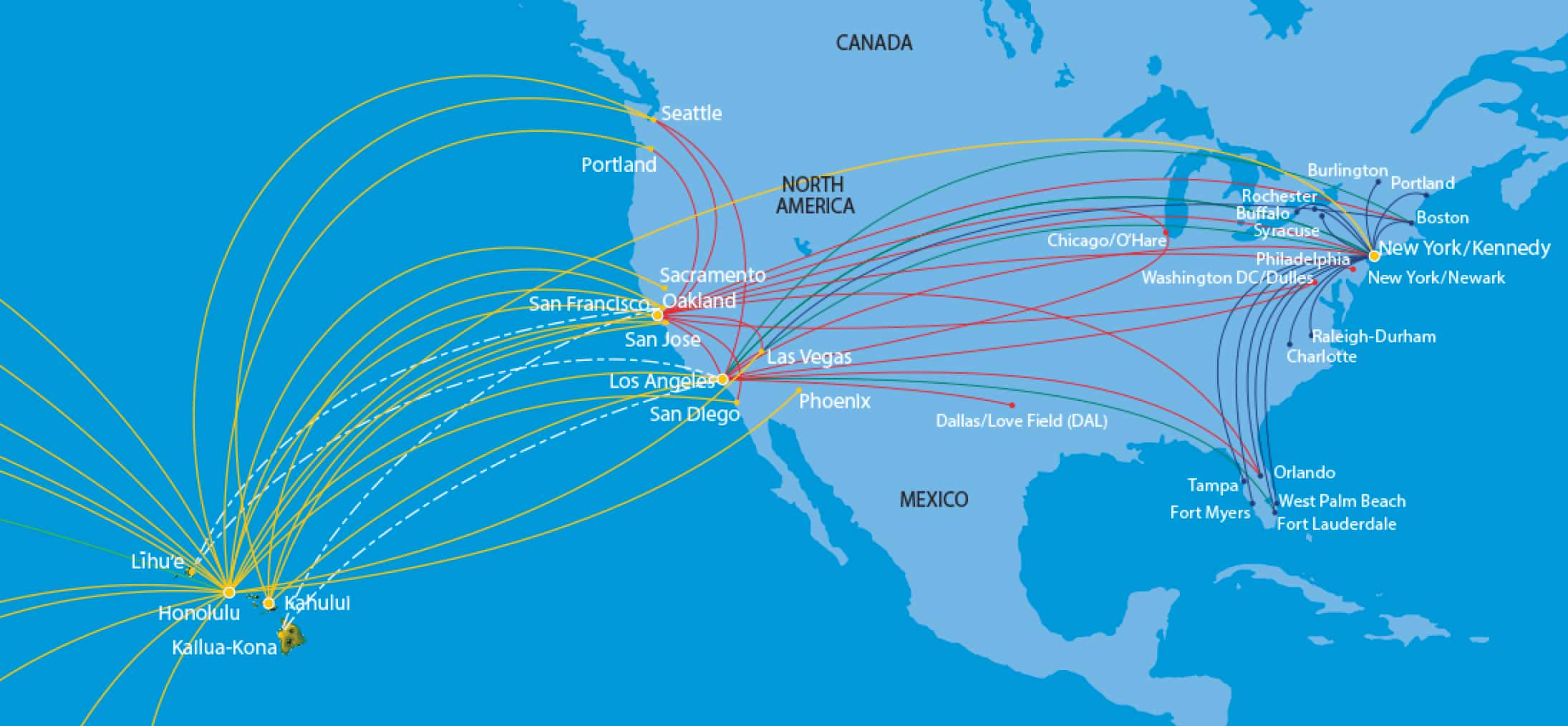
Understanding the variables that influence airfare to Hawaii is key to securing the best possible deal. This comprehensive guide will delve into the multifaceted world of Hawaii flight costs, empowering you with the knowledge to budget effectively and make informed booking decisions. We’ll explore the factors that drive prices up and down, offer strategies for finding affordable fares, and provide insights into what you can expect to spend depending on your departure point and travel style. Whether you’re a seasoned traveler meticulously planning every detail or a spontaneous adventurer looking for inspiration, this article will equip you with the answers you need to transform your Hawaiian dreams into a tangible reality.
Factors Influencing Flight Costs to Hawaii
The price you see for a flight to Hawaii is rarely a static number. It’s a dynamic reflection of a complex interplay of economic forces, seasonal demand, and logistical considerations. To truly grasp how much a flight to Hawaii costs, we must first dissect the key elements that contribute to its final price tag. These factors can dramatically alter your budget, making it essential to understand their impact.
1. Departure Location: The Origin of Your Journey
Perhaps the most significant determinant of flight cost is where you’re flying from. Flights originating from the West Coast of the United States, such as Los Angeles or San Francisco, generally tend to be more affordable than those departing from the East Coast like New York or Miami. This is due to proximity and flight duration; shorter flights with fewer layovers typically translate to lower operational costs for airlines, which in turn can mean cheaper tickets for passengers.
Flights from international locations will naturally carry a different pricing structure, influenced by exchange rates, airline agreements, and the overall demand for travel from that specific region. For instance, a flight from Vancouver, Canada, might be comparable to a West Coast departure, while a flight from London, UK, will likely be considerably more expensive due to the longer distance and potential need for multiple connections.
2. Time of Year and Seasonality: Peak vs. Off-Peak Travel
Hawaii experiences distinct tourism seasons, and airfare prices closely mirror this ebb and flow. The most expensive time to fly to Hawaii is during peak seasons, which typically include:
- Winter Holidays: The period from mid-December through early January sees a surge in demand as families and individuals seek warm-weather escapes during the colder months. Prices can skyrocket during this time.
- Spring Break: Typically in March and April, universities and schools have their break, leading to increased family travel and higher flight costs.
- Summer Months: June, July, and August are popular for family vacations, making them a high-demand period for flights to Hawaii.
Conversely, traveling during the shoulder seasons or off-peak periods can result in substantial savings. These typically include:
- Mid-April to Early June: After the spring break rush and before the summer vacation crowds descend.
- September to Mid-December (excluding Thanksgiving week): This offers a sweet spot with pleasant weather and fewer tourists.
- Late January to February: After the holiday rush, this can be a more budget-friendly time.
The concept of “shoulder season” is crucial for budget-conscious travelers. By strategically timing your trip, you can often enjoy excellent weather, fewer crowds at attractions like Pearl Harbor or Volcanoes National Park, and more affordable flights.
3. Day of the Week and Time of Day: The Subtle Influences
While less impactful than seasonality, the day of the week and time of day you choose to fly can also affect ticket prices.
- Weekends: Flights departing on Fridays and Sundays are often more expensive as they cater to weekend travelers and those starting or ending their vacations.
- Mid-week: Tuesdays and Wednesdays are frequently the cheapest days to fly. Airlines often release cheaper fares mid-week to fill seats.
- Time of Day: Early morning or late-night flights (red-eyes) can sometimes be more economical than convenient mid-day departures.
These are generalizations, and booking platforms often present a range of options, allowing you to compare prices across different days and times to find the best fit for your schedule and budget.
4. Airline and Type of Ticket: Direct vs. Connecting, Economy vs. Premium
The airline you choose and the type of ticket you purchase play a direct role in flight costs.
- Direct vs. Connecting Flights: Direct flights to Honolulu International Airport or other major Hawaiian airports are generally more convenient but can be more expensive. Flights with one or more layovers, perhaps in cities like Seattle or Denver, can offer significant cost savings. The trade-off is increased travel time and potential for missed connections.
- Economy, Premium Economy, Business, First Class: The most obvious price differentiator is the class of service. Economy fares are the most affordable, while premium cabins offer greater comfort, legroom, and amenities at a significantly higher price point. Budget travelers will, of course, focus on economy fares.
- Low-Cost Carriers vs. Full-Service Airlines: Some airlines specialize in offering lower base fares, but they often charge extra for checked baggage, seat selection, and even carry-on luggage. Full-service airlines typically include these in the ticket price, but their base fares might be higher. Carefully compare the total cost, including any ancillary fees, when choosing between airlines.
5. Booking Window: When to Buy Your Tickets
The timing of your flight purchase is a critical factor in securing a good deal. There’s a sweet spot for booking, and waiting too long or buying too early can lead to higher prices.
- Too Early: Booking more than 6-8 months in advance can sometimes result in higher fares as airlines haven’t fully optimized their pricing strategies.
- Too Late: Waiting until the last minute (within a few weeks of departure) is almost always more expensive, especially during peak seasons, as airlines capitalize on urgent demand.
- The Sweet Spot: For domestic flights to Hawaii, the general consensus is to book between 1 to 3 months in advance for the best prices. For international travel, this window might extend slightly longer.
However, flexibility is key. If your travel dates are rigid, it’s essential to monitor prices consistently. Setting up fare alerts on travel websites can be invaluable in this regard.
Estimating Flight Costs to Hawaii: A General Guide
Given the myriad of factors influencing prices, providing a single, definitive cost for a flight to Hawaii is impossible. However, we can offer general estimates based on typical scenarios. These figures are intended to provide a baseline for your budgeting.
Typical Economy Flight Costs from the Mainland US
Let’s break down what you might expect to pay for a round-trip economy ticket from various regions of the mainland United States to major Hawaiian airports like Honolulu International Airport or Kahului Airport on Maui.
- From the West Coast (e.g., Los Angeles, San Francisco):
- Off-Peak: You might find fares ranging from $400 to $700.
- Peak Season: Expect prices to be in the $700 to $1,200+ range.
- From the Mountain West (e.g., Denver, Salt Lake City):
- Off-Peak: Fares could range from $500 to $800.
- Peak Season: Expect prices to be in the $800 to $1,500+ range.
- From the Midwest (e.g., Chicago, Dallas):
- Off-Peak: You might find fares between $600 and $900.
- Peak Season: Prices can easily climb to $900 to $1,700+.
- From the East Coast (e.g., New York, Miami):
- Off-Peak: Expect fares from $700 to $1,000.
- Peak Season: Prices can range from $1,000 to $2,000+.
Important Note: These are rough estimates. Exceptional deals can sometimes be found for less, and during extreme peak demand or with very last-minute bookings, prices can exceed these ranges. It’s also worth noting that flights to islands beyond Oahu and Maui, such as Kauai or the Big Island, may involve an additional inter-island flight, adding to the overall travel cost.
International Flight Costs
International flights to Hawaii are highly variable and depend on the origin country, airline, and time of year. For example:
- From Canada: Round-trip economy flights might range from $600 to $1,200 CAD in the off-season, increasing significantly during peak times.
- From Europe: Expect to pay considerably more, with round-trip economy tickets often starting from $1,000 to $2,000+ USD, depending heavily on the specific route and layovers.
Considering Package Deals and All-Inclusive Options
Sometimes, bundling your flight with accommodation and activities can offer savings. Travel agencies and online booking platforms often present package deals that might include flights to Hawaii and stays at popular resorts like the Grand Wailea, A Waldorf Astoria Resort or the Moana Surfrider, A Westin Resort & Spa. While not always the cheapest option per component, the convenience and potential for overall savings make them worth exploring.
Strategies for Finding Affordable Flights to Hawaii
Knowing the average costs is one thing; actively finding those budget-friendly fares is another. Fortunately, several strategies can significantly increase your chances of snagging a great deal on flights to Hawaii.
1. Be Flexible with Your Travel Dates
As we’ve discussed, seasonality is a huge driver of price. If your work or personal commitments allow, being flexible with your travel dates is the single most effective way to save money. Aiming for the shoulder seasons (late April to early June, September to mid-December excluding Thanksgiving) can yield considerable savings compared to peak summer or holiday travel.
2. Utilize Flight Comparison Websites and Fare Alerts
Websites like Google Flights, Skyscanner, Kayak, and Expedia are invaluable tools for comparing prices across numerous airlines simultaneously. These platforms allow you to:
- See Price Trends: Many offer calendar views that highlight the cheapest days to fly within a given month.
- Set Fare Alerts: You can subscribe to notifications for specific routes and dates. When the price drops, you’ll be alerted, allowing you to book quickly.
- Explore Nearby Airports: Sometimes, flying into a slightly less popular airport on a different island and then taking an inter-island flight can be cheaper than flying directly to your desired destination. For example, flying into Kona International Airport on the Big Island might be more economical than flying directly to Hilo International Airport.
3. Consider Budget Airlines and Basic Economy Fares
While full-service airlines offer more amenities, budget carriers and basic economy fares can be significantly cheaper. Be aware of the trade-offs:
- Baggage Fees: Most budget airlines charge for checked bags and often for carry-on bags as well. Factor these costs into your comparison.
- Seat Selection: You may not be able to choose your seat in advance or will have to pay extra.
- No Changes or Refunds: Basic economy tickets are typically non-refundable and cannot be changed. Ensure your travel plans are firm before booking.
4. Book in Advance (But Not Too Far!)
As mentioned, the sweet spot for booking is generally 1-3 months out for domestic flights to Hawaii. This allows you to take advantage of early booking incentives while giving airlines time to release more competitive fares as their schedules firm up. Avoid booking more than 6-8 months in advance unless you find an exceptionally good deal. Conversely, last-minute bookings during popular travel times will almost always be the most expensive.

5. Look for Package Deals and Vacation Bundles
While we’ve focused on flights, remember that combining your flight with accommodation can sometimes lead to savings. Travel agencies and online travel sites frequently offer packages that include round-trip airfare to Hawaii and hotel stays at properties like the Four Seasons Resort Oahu at Ko Olina or a condo rental. Always compare the package price against booking each component separately to ensure it represents a true saving.
By diligently applying these strategies, you can significantly reduce the cost of your flight to Hawaii, freeing up more of your budget for the incredible experiences, delicious local food, and comfortable accommodations that await you in this tropical paradise. From exploring the historic sites of Honolulu to hiking through lush rainforests or simply relaxing on the pristine beaches of Waikiki, your dream Hawaiian vacation is within reach.
LifeOutOfTheBox is a participant in the Amazon Services LLC Associates Program, an affiliate advertising program designed to provide a means for sites to earn advertising fees by advertising and linking to Amazon.com. Amazon, the Amazon logo, AmazonSupply, and the AmazonSupply logo are trademarks of Amazon.com, Inc. or its affiliates. As an Amazon Associate we earn affiliate commissions from qualifying purchases.