
The allure of Hawaii is undeniable. With its pristine beaches, lush volcanic landscapes, vibrant local culture, and world-class resorts, it’s a dream destination for many. But before you can sink your toes into the warm Hawaiian sand or witness the fiery spectacle of a Hawaiian volcano, the question arises: how much will it actually cost to get there? The price of a flight to Hawaii is not a one-size-fits-all figure; it’s a dynamic equation influenced by a multitude of factors, from your departure city and the time of year to the airline you choose and how far in advance you book. Understanding these variables is key to unlocking the most affordable options for your Hawaiian adventure.
This guide will delve deep into the economics of flying to the Hawaiian Islands, providing insights that will empower you to budget effectively for your dream vacation. We’ll explore the best times to book, the impact of different airports, and strategies for finding those elusive cheap flights. Whether you’re planning a romantic getaway to Maui, a family adventure to Oahu, an exploration of the natural wonders of Kauai, or a deep dive into the volcanic heart of the Big Island, knowing the potential flight costs will be your first crucial step in planning.
Factors Influencing Flight Prices to Hawaii
The cost of a flight to Hawaii is far from static. Several interconnected elements contribute to the final price tag, and by understanding them, you can become a savvier traveler. This section will break down the primary drivers of airfare to the Aloha State.
Time of Year and Seasonality
One of the most significant determinants of flight prices is the time of year you plan to travel. Hawaii experiences peak tourist seasons, which naturally drive up demand and, consequently, flight costs.
-
Peak Season: Generally, the peak season in Hawaii runs from mid-December through March, coinciding with winter breaks in mainland North America and the northern hemisphere’s winter months. This is also the prime time for whale watching on Maui. July and August also see a surge in demand due to summer holidays. During these periods, expect higher airfares as airlines cater to the influx of travelers seeking to escape colder climates or enjoy school breaks. Flights to Honolulu International Airport on Oahu, or to Maui’s Kahului Airport, will be at their most expensive during these times.
-
Shoulder Seasons: The “shoulder seasons” offer a sweet spot for budget-conscious travelers. These periods typically include April through May (spring) and September through October (fall). The weather is still generally excellent in Hawaii during these months, with fewer crowds and more competitive flight prices. You might find fantastic deals for flights to Kona International Airport on the Big Island during these times, allowing for more exploration of its unique landscapes.
-
Low Season: While Hawaii doesn’t have a true “low season” in the same way some destinations do, the months of November (excluding Thanksgiving week) and the beginning of December (before the Christmas rush) can sometimes offer the lowest fares. However, it’s essential to be mindful of weather patterns, as this period can occasionally bring more rain, especially to the windward sides of the islands.
Departure City and Proximity to Hawaii
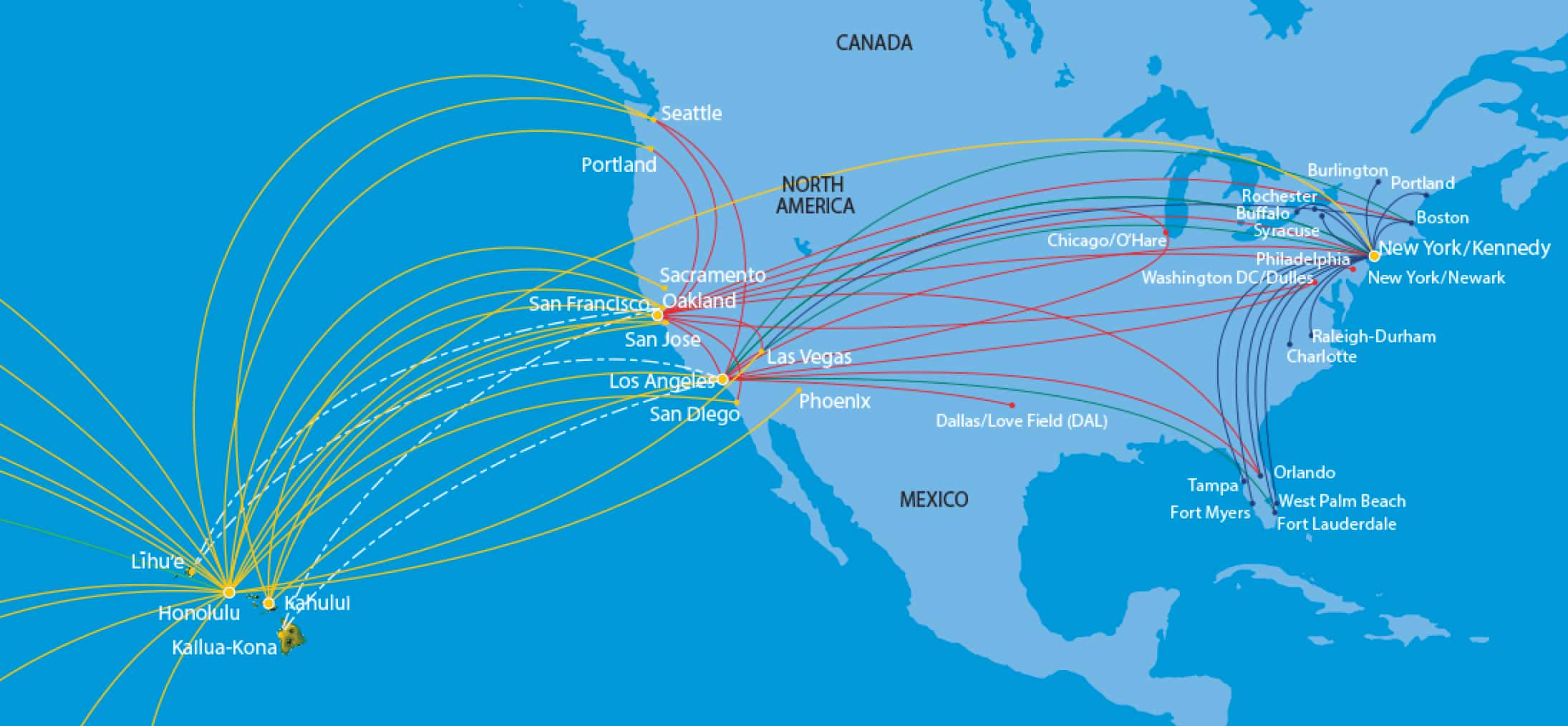
The city from which you depart plays a crucial role in determining flight costs. Flights from major hubs on the West Coast of the United States are generally cheaper than those from the East Coast or Midwest.
-
West Coast Advantage: Cities like Los Angeles, San Francisco, and Seattle are geographically closer to Hawaii, meaning shorter flight times and lower fuel costs for airlines. Consequently, travelers departing from these cities often find the most competitive fares. For example, a direct flight from Los Angeles International Airport to Honolulu International Airport is typically more affordable than a flight from New York John F. Kennedy International Airport.
-
Midwest and East Coast: Travelers originating from further inland or the East Coast will likely face higher airfares. This is due to the longer flight distances, which necessitate more fuel and potentially longer layovers. Flights from cities like Chicago, Dallas, or New York often involve one or more stops, adding to the travel time and, frequently, the overall cost. However, with diligent searching, it’s still possible to find good deals, especially during off-peak times.
Airline Choice and Booking Strategies
The choice of airline and the strategy you employ for booking can significantly impact the final price. Different airlines have varying pricing models, and timing your booking can unlock substantial savings.
-
Major Carriers vs. Budget Airlines: While Hawaii is primarily served by major carriers like Hawaiian Airlines, United Airlines, American Airlines, and Delta Air Lines, you might occasionally find deals on smaller carriers or during promotional periods. It’s always worth comparing prices across different airlines.
-
Booking in Advance: The golden rule of flight booking generally applies to Hawaii: book in advance. For international flights, booking 2-6 months ahead is often recommended. For domestic flights to Hawaii, aiming to book at least 3-5 months prior to your departure date usually yields the best results. Waiting until the last minute is almost guaranteed to result in higher prices, especially during peak travel times.
-
Flexibility with Dates and Times: If your travel dates are flexible, you have a much better chance of snagging a deal. Flying mid-week (Tuesday or Wednesday) is often cheaper than flying on a weekend. Similarly, choosing early morning or late-night flights can sometimes be more economical. Being open to slightly different arrival or departure times at Hawaii’s various airports, such as Lihue Airport on Kauai, can also lead to savings.
-
Direct Flights vs. Flights with Layovers: Direct flights are convenient but often more expensive. Flights with one or more layovers, especially if they are in less popular hubs, can sometimes offer significant savings. Consider how much time you’re willing to sacrifice for a lower price. For instance, a flight with a layover in San Francisco might be cheaper than a direct flight from Seattle to Honolulu.
Estimating Your Flight Costs to Hawaii
To provide a more concrete understanding of flight costs, let’s break down potential price ranges based on common scenarios. These figures are approximate and can fluctuate significantly based on the ever-changing dynamics of airfare.
Average Flight Prices by Departure Region
Understanding where you’re flying from is the first step in estimating your flight cost. Here are some general ranges:
-
West Coast (e.g., Los Angeles, San Francisco):
- Economy, Off-Peak: $400 – $600 roundtrip
- Economy, Peak Season: $600 – $900+ roundtrip
- First Class/Business: $1,200 – $2,500+ roundtrip
-
Midwest (e.g., Chicago, Denver):
- Economy, Off-Peak: $550 – $800 roundtrip
- Economy, Peak Season: $800 – $1,200+ roundtrip
- First Class/Business: $1,500 – $3,000+ roundtrip
-
East Coast (e.g., New York, Miami):
- Economy, Off-Peak: $650 – $900 roundtrip
- Economy, Peak Season: $900 – $1,500+ roundtrip
- First Class/Business: $1,800 – $3,500+ roundtrip
It’s important to note that these are rough estimates. A particularly good sale or a last-minute price surge can dramatically alter these numbers. Always use flight comparison websites and be prepared for variations.
The Impact of Airport Choice within Hawaii

Hawaii is an archipelago with multiple islands, and each major island has its own airport. The airport you choose to fly into can also influence the price.
-
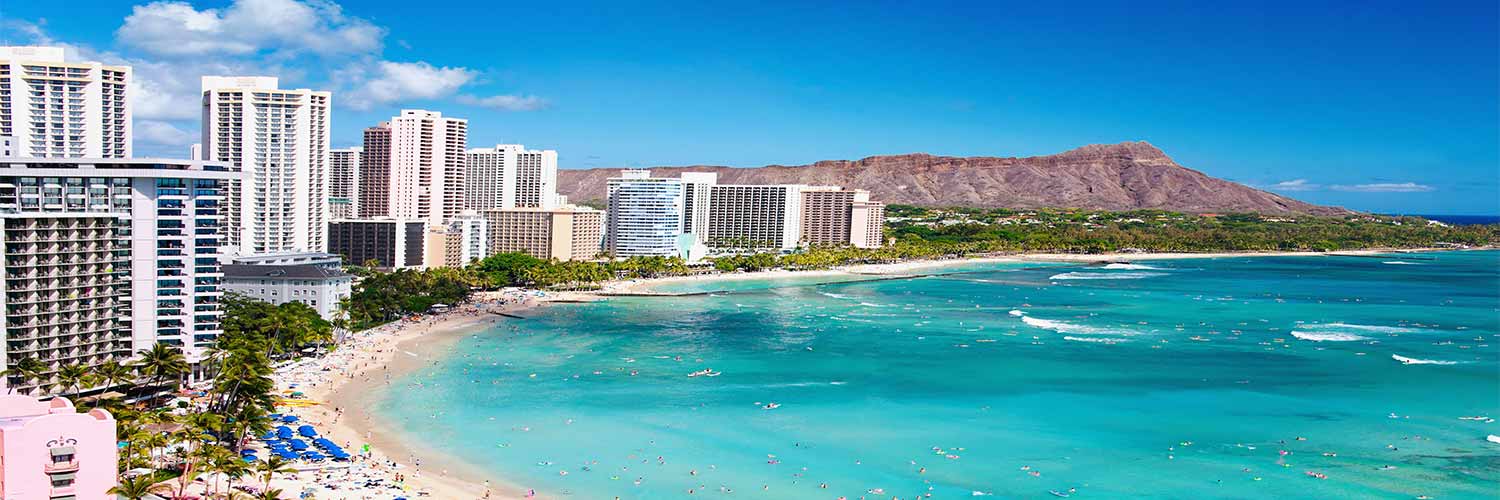
Oahu (Honolulu International Airport – HNL): As the primary gateway to Hawaii, HNL often has the most flight options and can sometimes be the most competitive in terms of price due to high volume. It’s also the most convenient for those looking to experience the bustling city life of Waikiki or visit iconic landmarks like Pearl Harbor.
-
Maui (Kahului Airport – OGG): Maui is a popular destination for honeymoons and family vacations. Flights to OGG can be slightly more expensive than to HNL, especially if you’re looking for direct flights. However, its accessibility to popular areas like Ka’anapali and Wailea makes it a prime choice.
-
Big Island (Kona International Airport – KOA & Hilo International Airport – ITO): The Big Island offers diverse experiences, from the volcanic landscapes of Hawaii Volcanoes National Park to the beaches of Kona. Flights to KOA are generally more common and can be more competitively priced than to ITO, which serves the wetter, eastern side of the island. Travelers wanting to explore the volcanoes might find flying into ITO more convenient, but it often involves longer travel from the mainland.
-
Kauai (Lihue Airport – LIH): Known as the “Garden Isle,” Kauai attracts nature lovers and those seeking a more tranquil escape. Flights to LIH can sometimes be pricier than to HNL due to less direct competition.
When searching for flights, try inputting different Hawaiian airports to see if there’s a noticeable difference in price. Sometimes, flying into one island and taking an inter-island flight to another can be more cost-effective than flying directly to your second choice island.
Strategies for Finding Affordable Flights
Securing a budget-friendly flight to Hawaii requires a proactive and informed approach. Here are some tried-and-true strategies:
-
Utilize Flight Comparison Websites: Platforms like Google Flights, Skyscanner, Kayak, and Expedia allow you to compare prices from multiple airlines simultaneously. Set up price alerts for your desired routes to be notified when fares drop.
-
Be Flexible with Your Travel Dates: As mentioned, flying during the shoulder seasons or mid-week can significantly reduce costs. If you can shift your travel by a few days or a week, you might unlock substantial savings.
-
Consider Nearby Airports: If you live near a larger metropolitan area with multiple airports, check flight prices from all of them. Even driving an hour or two to a different airport might result in significant savings.
-
Look for Package Deals: Sometimes, booking your flight and accommodation as a package deal through travel agencies or websites can offer a lower overall price. This is particularly true for resort stays.
-
Join Airline Loyalty Programs: Accumulating miles and points through frequent flyer programs can eventually lead to free flights or upgrades. Sign up for newsletters from airlines that fly to Hawaii to stay informed about sales and promotions.
-
Book Red-Eye Flights: While not always comfortable, overnight or “red-eye” flights can sometimes be cheaper.
-
Clear Your Cookies or Use Incognito Mode: While the effectiveness is debated, some travelers believe that clearing your browser’s cookies or using an incognito window can prevent price increases based on your search history.
Beyond the Flight: Budgeting for Your Hawaiian Experience
While the flight is a major expense, it’s crucial to remember that it’s just one piece of the puzzle when budgeting for your Hawaiian getaway. The overall cost of your trip will also depend on your chosen accommodation, activities, dining, and transportation.
Accommodation Options
Hawaii offers a wide spectrum of accommodation options to suit every budget and travel style, from luxurious resorts and charming boutique hotels to comfortable apartments and private villas.
-
Luxury Resorts: Expect to pay anywhere from $500 to over $1,500 per night for luxury resorts in prime locations like Maui’s Wailea or Oahu’s Waikiki. These often include extensive amenities, fine dining, and stunning ocean views.
-
Mid-Range Hotels and Condos: You can find comfortable mid-range hotels and condo rentals for $200 to $500 per night. These offer a good balance of comfort and affordability, often with kitchenettes or full kitchens, which can help save on food costs.
-
Budget-Friendly Stays: For the most budget-conscious travelers, consider guesthouses, budget hotels outside of the main tourist hubs, or even hostels (though less common in Hawaii). Prices can range from $100 to $200 per night. Longer-term stays might also offer better per-night rates.
Activities and Experiences
The cost of activities can vary greatly. Visiting natural wonders like Hawaii Volcanoes National Park or lounging on the famous beaches of Waikiki is often free. However, guided tours, surfing lessons, helicopter rides over the Na Pali Coast on Kauai, or luau experiences can add significant costs. Budget anywhere from $50 to $200+ per person per day for activities, depending on your interests.
Food and Dining
Hawaii offers a diverse culinary scene, from roadside food trucks serving plate lunches to high-end restaurants. Eating out for every meal can be expensive. To save money, consider:
- Grocery Shopping: Utilizing the kitchen in your apartment or villa for breakfast and some lunches can save a lot.
- Food Trucks and Local Eateries: Discovering local gems often provides delicious and more affordable meals.
- Happy Hour Deals: Many restaurants offer discounted drinks and appetizers during happy hour.
Transportation
Renting a car is often recommended for exploring the islands, especially Maui, the Big Island, and Kauai. Car rental prices can range from $50 to $100+ per day. Factor in the cost of gasoline, which is typically more expensive in Hawaii than on the mainland. For shorter stays or if you plan to stay within a single town like Honolulu, ride-sharing services or public transportation might be viable alternatives.
By carefully considering all these elements – flights, accommodation, activities, food, and transportation – you can create a realistic budget for your unforgettable Hawaiian vacation. The dream of Hawaii is within reach; a little planning and savvy booking can make your journey both affordable and incredible.
LifeOutOfTheBox is a participant in the Amazon Services LLC Associates Program, an affiliate advertising program designed to provide a means for sites to earn advertising fees by advertising and linking to Amazon.com. Amazon, the Amazon logo, AmazonSupply, and the AmazonSupply logo are trademarks of Amazon.com, Inc. or its affiliates. As an Amazon Associate we earn affiliate commissions from qualifying purchases.