
Hawaii, a tropical paradise synonymous with pristine beaches, lush rainforests, and vibrant local culture, presents a unique landscape when it comes to recreational activities. While the allure of surfing world-class breaks at Waikiki Beach, exploring the volcanic wonders of Hawaii Volcanoes National Park, or indulging in the island’s exquisite cuisine are primary draws for many visitors, a question often arises for sports enthusiasts and travelers alike: is sports betting legal in Hawaii?
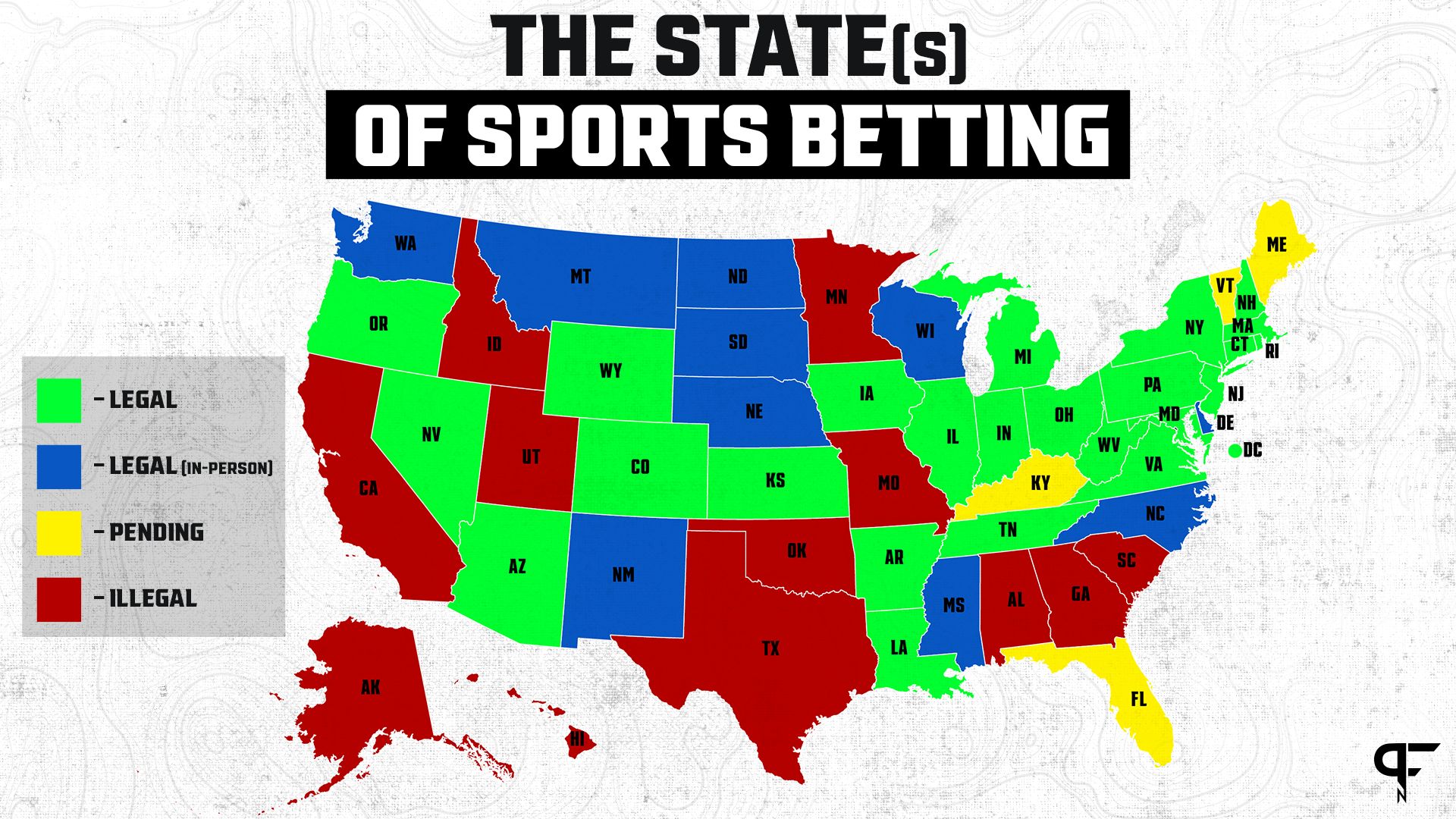
The answer, at present, is a clear and resounding no. Unlike many other states in the United States that have embraced the burgeoning sports betting industry, Hawaii remains one of the few states where placing a legal wager on a sporting event is not permitted. This prohibition stems from a combination of historical legal frameworks and a prevailing conservative stance on gambling within the state government.
The Legal Landscape of Gambling in Hawaii
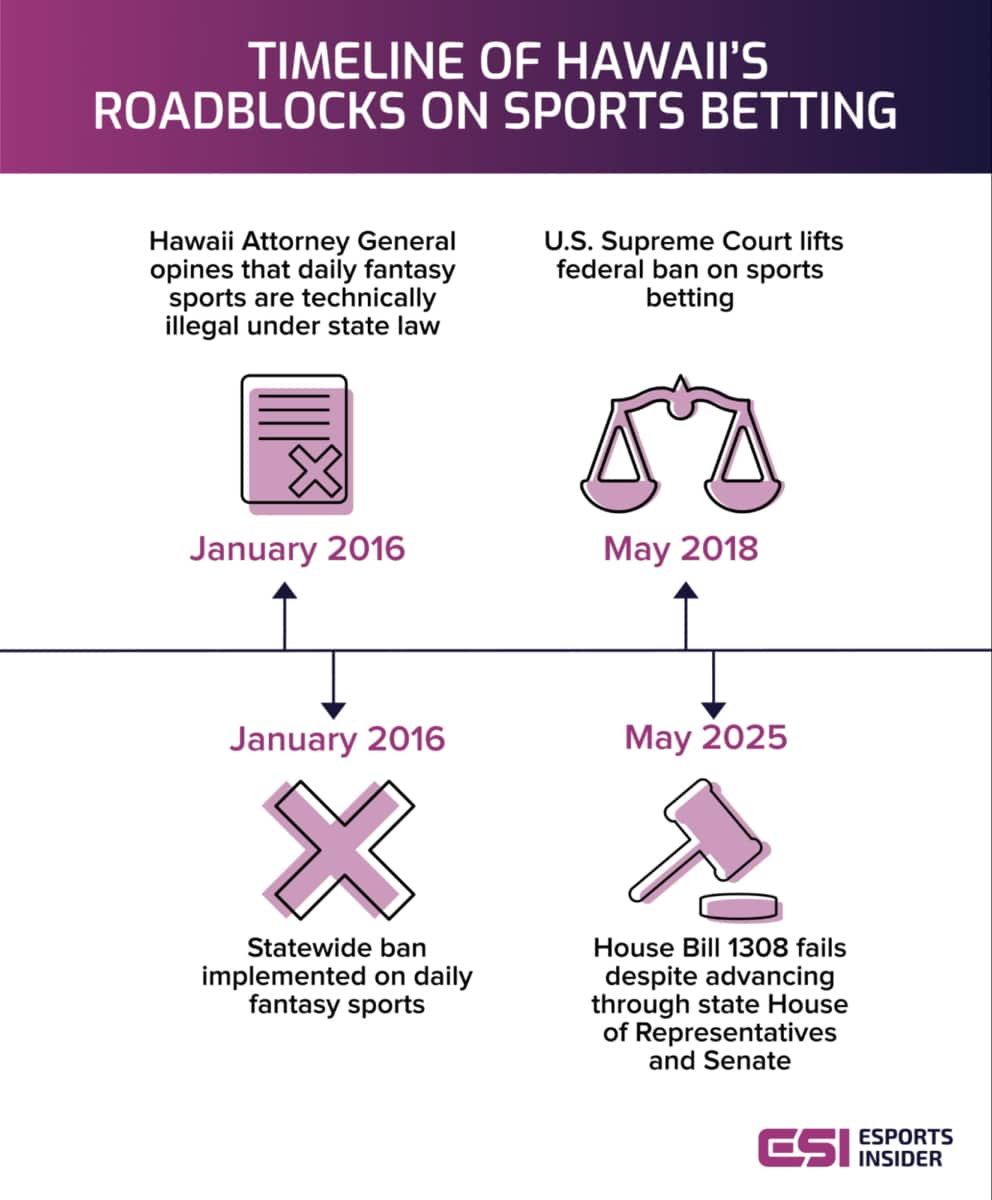
Hawaii’s unique legal status regarding gambling is deeply rooted in its history and the state’s constitution. Unlike states with a more permissive approach to gaming, Hawaii has historically maintained a strict prohibition on most forms of gambling. This includes not only sports betting but also traditional casino operations. The state constitution itself is often cited as a barrier, with provisions that have been interpreted to outlaw most forms of wagering.
A History of Prohibition
The islands, even before becoming a state, have had a long-standing tradition of limiting gambling activities. This conservative approach has been carried forward through decades of legislative decisions. While there have been occasional discussions and proposals to introduce some forms of legalized gambling, these have consistently failed to gain significant traction or pass through the state legislature.
The prevailing sentiment among lawmakers has often been one of concern about the potential negative social and economic impacts of widespread gambling, such as increased crime, addiction, and financial hardship for residents. This cautious approach has kept the burgeoning sports betting industry, which has seen explosive growth across the mainland United States following the repeal of the Professional and Amateur Sports Protection Act (PASPA) in 2018, firmly out of reach for residents and visitors in the Aloha State.
No Licensed Sportsbooks in the Islands
This legal prohibition means that there are no licensed and regulated sportsbooks operating within Hawaii. You won’t find any brick-and-mortar betting establishments in cities like Honolulu or resort towns like Lahaina. Furthermore, online sports betting platforms that are legally sanctioned within other states are not accessible to residents or visitors placing bets from within Hawaii’s borders.
For tourists who are accustomed to the availability of sports betting in their home states, this can come as a surprise. They might be planning a trip to catch a University of Hawaii football game or simply enjoy a relaxing vacation, and envision placing a few casual bets. However, they will find that this particular pastime is not an option while they are physically present in Hawaii.
What About Offshore Betting Sites?
In the absence of legal, state-regulated options, some individuals might consider turning to offshore sports betting websites. These are online platforms that are based and licensed in jurisdictions outside of the United States. While these sites may appear to be an easy solution for sports betting enthusiasts in Hawaii, it’s crucial to understand the risks involved.
The Risks of Offshore Betting
The primary concern with offshore betting sites is the lack of regulatory oversight and consumer protection. When you bet with a licensed operator within your own state or country, you are typically protected by robust consumer laws. This means there are mechanisms in place to ensure fair play, secure transactions, and timely payouts. If a dispute arises, there is a governing body you can turn to.
With offshore sites, these protections are often significantly diminished or entirely absent. Players may face challenges in recovering funds, resolving disputes, or ensuring the integrity of the betting platform. Furthermore, the legal standing of engaging with these offshore sites from within Hawaii can be ambiguous and potentially carry legal risks, even if the operators themselves are based elsewhere.
Legal Ramifications for Players
While law enforcement in Hawaii may not actively pursue individual players for placing bets on offshore sites, it’s important to note that Hawaii law broadly prohibits gambling. Engaging in such activities, even if facilitated by an offshore entity, could theoretically expose individuals to legal repercussions. The state’s stance is unequivocally against facilitating or participating in gambling.
For those who prioritize legality and security, the most prudent course of action is to refrain from using offshore betting sites while in Hawaii. The potential for financial loss, lack of recourse, and legal ambiguity far outweigh any perceived benefits.
Future Prospects for Sports Betting in Hawaii
Despite the current restrictive environment, the conversation around sports betting in Hawaii is not entirely dormant. As more states across the United States legalize and generate significant tax revenue from sports betting, there are occasional discussions and legislative attempts to explore similar possibilities for the Aloha State.
Recurring Legislative Proposals
Every so often, bills are introduced in the Hawaii State Legislature that aim to explore the legalization of sports betting or other forms of gambling. These proposals often cite the potential for increased tax revenue, which could be allocated to vital public services such as education, infrastructure, or tourism development. Proponents argue that allowing legal sports betting could also help to curb the flow of money to illegal offshore markets.
However, these legislative efforts have historically faced significant headwinds. Opposition often comes from groups concerned about the social impact of gambling, as well as from lawmakers who feel that Hawaii’s unique cultural heritage and lifestyle are not conducive to a gambling-friendly environment. The powerful tourism industry, which thrives on Hawaii’s reputation as a pristine and family-friendly destination, also sometimes expresses concerns about the potential impact of legalized gambling on the state’s image.
The Role of Tourism and Accommodation
The major tourism sector, encompassing everything from luxury resorts like the Four Seasons Resort Maui at Wailea to charming apartments and budget-friendly villas, is deeply intertwined with Hawaii’s appeal. Many visitors come to Hawaii seeking relaxation, natural beauty, and unique cultural experiences, rather than opportunities for gambling.
The existing accommodation landscape, from sprawling resorts with world-class amenities to intimate boutique hotels, caters to a clientele that often prioritizes a serene and authentic island experience. The introduction of widespread gambling, particularly casino-style operations, could potentially alter the character of these destinations.
A Long Road Ahead
Given Hawaii’s deeply entrenched stance against most forms of gambling, the path to legalizing sports betting appears to be a long and challenging one. It would likely require a significant shift in public opinion, as well as a concerted effort to overcome legislative hurdles and address the concerns of various stakeholders.
For now, visitors and residents looking to enjoy the beauty and adventure of Hawaii will need to set aside their sports betting aspirations. The focus remains on the island’s unparalleled natural attractions, its rich cultural tapestry, and the diverse range of activities and experiences that make Hawaii a truly unforgettable destination. While the legal status of sports betting may remain a point of discussion for the future, the present reality is that the thrill of the wager is not part of the Hawaiian vacation package. Travelers looking for excitement can find it in the crashing waves, the vibrant local culture, the breathtaking landmarks, and the endless array of outdoor adventures that await them across the islands of Hawaii.
LifeOutOfTheBox is a participant in the Amazon Services LLC Associates Program, an affiliate advertising program designed to provide a means for sites to earn advertising fees by advertising and linking to Amazon.com. Amazon, the Amazon logo, AmazonSupply, and the AmazonSupply logo are trademarks of Amazon.com, Inc. or its affiliates. As an Amazon Associate we earn affiliate commissions from qualifying purchases.