
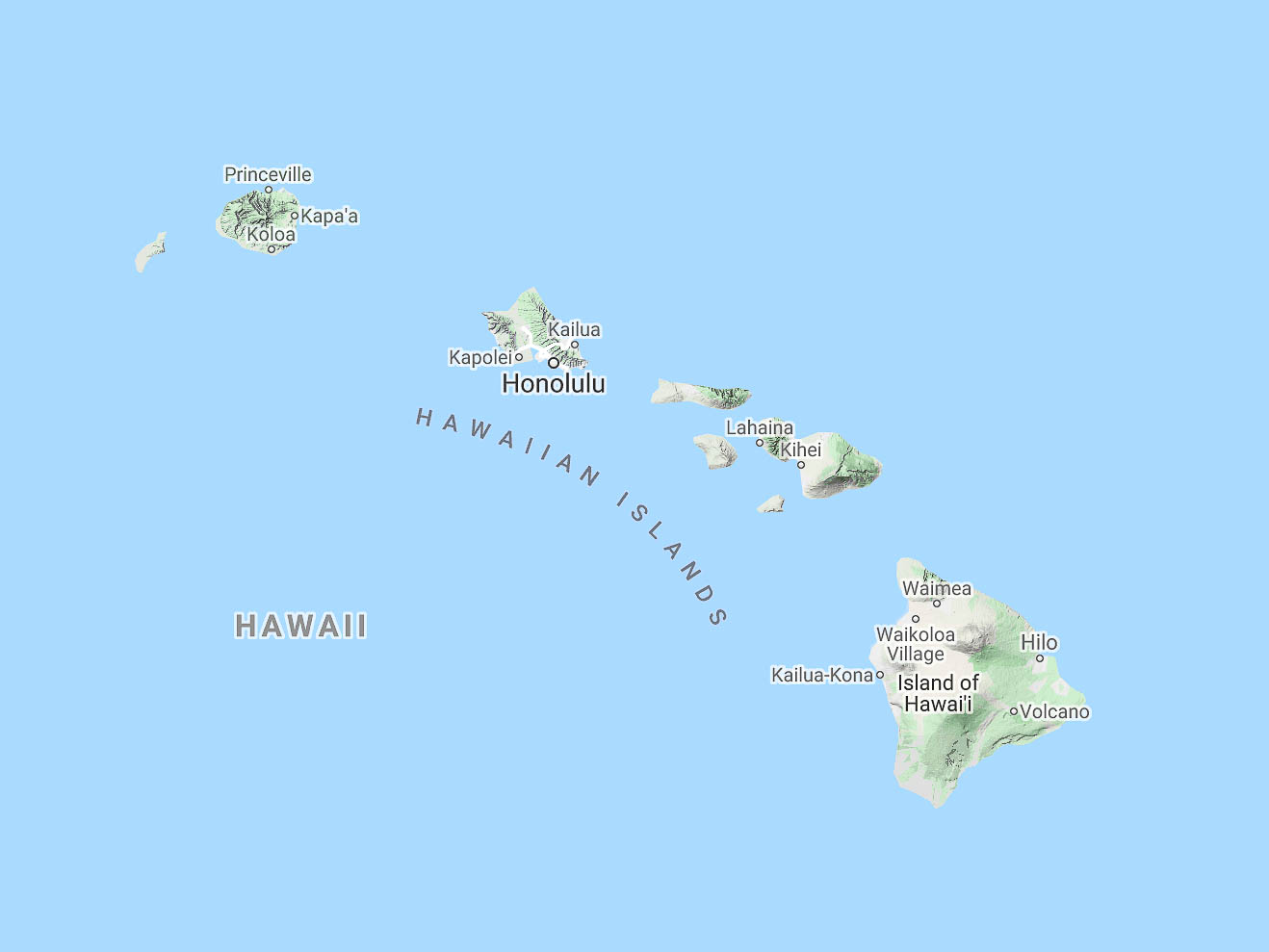
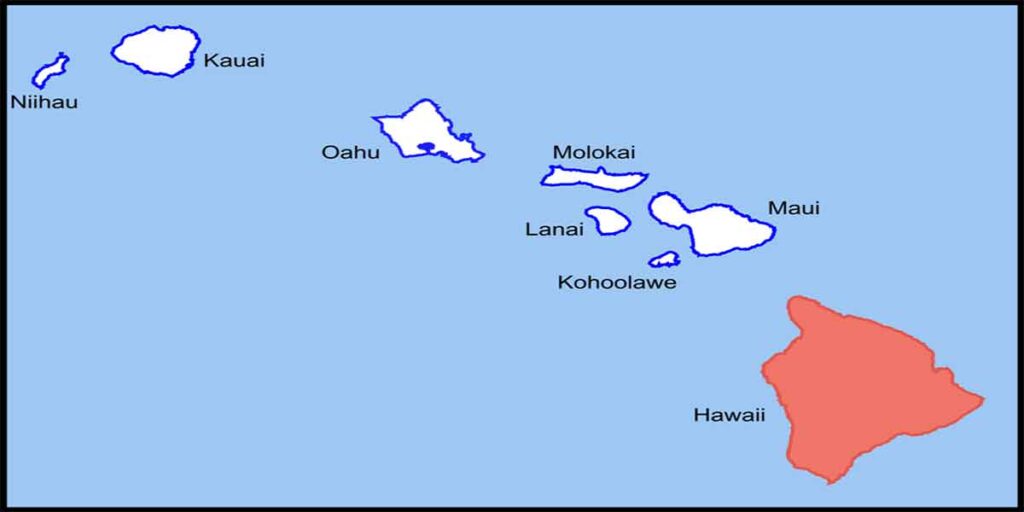
When most people refer to the “Big Island” of Hawaii, they are, in fact, referring to the largest island in the Hawaiian archipelago. While its nickname is widely recognized, the official name of this volcanic wonderland is Hawaii Island. This distinction is crucial, as “Hawaii” also refers to the entire U.S. state. So, to avoid confusion, locals and seasoned travelers alike often use “The Big Island” or “Hawaii Island” to pinpoint this specific destination, a place teeming with unparalleled natural beauty, vibrant culture, and thrilling adventures.
The Big Island is a geological marvel, a testament to the raw power of nature. It’s home to some of the world’s most active volcanoes, including Kīlauea and Mauna Loa, which continuously shape and reshape the island’s dramatic landscapes. This volcanic activity is not just a spectacle; it’s the very force that created and continues to sustain this unique island paradise. From black sand beaches born of ancient lava flows to verdant rainforests nourished by volcanic soil, the island’s diverse topography is a direct result of its fiery origins.

Exploring the Diverse Landscapes of Hawaii Island
The sheer scale and variety of ecosystems found on Hawaii Island are astounding. It’s not just a place of volcanoes; it’s a microcosm of diverse environments, offering something for every type of traveler. Whether you’re drawn to the rugged coastlines, the lush interiors, or the snow-capped peaks, the island promises an unforgettable journey.
Volcanoes National Park: A Crown Jewel of Nature
At the heart of the island’s allure is Hawaiʻi Volcanoes National Park. This UNESCO World Heritage Site is an absolute must-visit for anyone exploring Hawaii Island. The park protects some of the most significant geological and biological resources in the world, showcasing the dynamic processes of volcanism.
Experiencing Kīlauea’s Majesty
The star attraction within the park is Kīlauea, one of the most active volcanoes on Earth. For decades, its eruptions have captivated scientists and tourists alike. While observing active lava flows from a safe distance can be an awe-inspiring experience, the park offers numerous ways to connect with the volcanic spirit of the island.
- Crater Rim Drive: This scenic drive offers panoramic views of the Kīlauea Caldera and its surrounding craters. Stop at viewpoints like Steam Vents and Sulphur Banks to witness the Earth breathing and feel the geothermal energy.
- Thurston Lava Tube (Nāhuku): Venture through this ancient lava tube, a surreal underground passage formed by molten rock. The lush ferns and mosses that now line the tube create an otherworldly atmosphere.
- Chain of Craters Road: This iconic road descends 3,800 feet from the caldera to the coast, passing through dramatic lava fields. Along the way, you’ll see ancient petroglyphs, volcanic craters, and the stark beauty of past lava flows meeting the sea. The Hōlei Sea Arch, a natural bridge carved by the ocean from a lava flow, is a highlight at the end of the road.
- Hiking Trails: For the more adventurous, numerous hiking trails cater to various skill levels. Trails like the Kīlauea Iki Trail offer a chance to walk across the floor of a solidified lava lake, providing an intimate perspective of the volcanic landscape.
Mauna Loa: The Gentle Giant
Dominating the island’s skyline is Mauna Loa, the largest volcano on Earth by volume and area. While less frequently active than Kīlauea, its presence is undeniable. Hiking opportunities exist, including the challenging summit trail for experienced trekkers, offering unparalleled views from its vast caldera. The Mauna Loa Observatory, perched at its summit, conducts important atmospheric research.
Beyond the Volcanoes: Diverse Climates and Landscapes
The influence of volcanic activity extends to every corner of Hawaii Island, creating an astonishing array of microclimates and distinct geographical zones. This diversity makes it possible to experience vastly different environments within a single day.
The Lush Hamakua Coast
To the northeast, the Hamakua Coast is a stark contrast to the volcanic plains. Here, abundant rainfall nourishes a verdant landscape of towering cliffs, deep valleys, and lush rainforests.
- Waipiʻo Valley: This sacred valley, often called the “Valley of the Kings,” is a place of immense historical and cultural significance. Steep cliffs surround it, and at its base lies a black sand beach. Access is restricted, but guided tours offer a glimpse into its beauty and history.
- Akaka Falls State Park: Home to the magnificent ʻAkaka Falls, which plunges 442 feet, this park is a tropical paradise. A paved loop trail winds through lush botanical gardens, offering stunning views of both ʻAkaka Falls and the smaller Kahuna Falls.
- Hawaii Tropical Bioreserve & Botanical Garden: This sprawling garden showcases an incredible collection of tropical plants, waterfalls, and ocean views, providing a peaceful retreat into nature.
The Sunny Kona Coast and Kohala Coast
The western side of the island, particularly the Kona Coast and Kohala Coast, is renowned for its sun-drenched beaches, ancient Hawaiian sites, and luxurious resorts. This region benefits from a drier climate, making it ideal for sunbathing, water sports, and exploring historical landmarks.
- Kona Coffee Farms: The fertile volcanic soil and ideal climate of the Kona region are perfect for growing world-famous Kona coffee. A visit to a coffee farm offers a chance to learn about the cultivation and processing of this prized bean, with opportunities for tasting.
- Puʻuhonua o Hōnaunau National Historical Park: This significant historical site was once a place of refuge for ancient Hawaiians who had broken sacred laws. Visitors can explore the reconstructed temples, royal grounds, and learn about ancient Hawaiian culture and traditions.
- Beaches: The white sand beaches of the Kohala Coast, such as Hapuna Beach State Recreation Area and Mauna Kea Beach, are perfect for swimming, snorkeling, and relaxing. Further south, Punaluʻu Black Sand Beach offers a unique experience of relaxing on black volcanic sand, often frequented by endangered Hawksbill sea turtles.
The High Country and the Summit of Mauna Kea
Ascending Mauna Kea, the island’s highest peak, offers another dramatic environmental shift. This dormant volcano is not only a sacred place in Hawaiian culture but also home to the world’s most advanced astronomical observatories.
- Stargazing: Due to its high altitude and clear skies, Mauna Kea is an unparalleled stargazing destination. While the summit is accessible by 4WD vehicles, many visitors enjoy guided tours that offer an incredible opportunity to view the cosmos. The Onizuka Center for International Astronomy Visitor Information Station at 9,200 feet provides a more accessible introduction to stargazing and exhibits.
- Summit Experience: For those with 4WD capabilities and acclimatized to the altitude, reaching the summit at 13,803 feet is an unforgettable experience. The stark, otherworldly landscape and the presence of numerous astronomical telescopes create a sense of being on another planet. It’s important to note the extreme altitude and potential for altitude sickness.
Planning Your Stay on Hawaii Island
The Big Island offers a wide range of accommodation options, from luxurious resorts to charming vacation rentals, catering to every budget and travel style. Understanding the island’s distinct regions can help you choose the perfect base for your adventures.
Accommodation Choices Across the Island
Whether you’re seeking the convenience of a bustling resort town or the tranquility of a secluded villa, Hawaii Island has it all.
- Kona and Kohala Coasts: This region is dotted with world-class resorts like the Four Seasons Resort Hualalai and The Fairmont Orchid, Hawaii, offering extensive amenities, pristine beaches, and fine dining. You’ll also find numerous condos and vacation rentals perfect for families or longer stays.
- Hilo: Located on the wetter, eastern side of the island, Hilo offers a more local experience with charming bed and breakfasts, smaller hotels, and rental properties. It’s a great base for exploring the Volcanoes National Park and the Hamakua Coast.
- Volcano Village: Situated just outside the entrance to Hawaiʻi Volcanoes National Park, Volcano Village provides unique accommodations, including cozy cabins and vacation homes, ideal for those who want to immerse themselves in the volcanic environment.
Experiencing Local Culture and Cuisine
The spirit of Aloha permeates Hawaii Island, and engaging with the local culture is an integral part of any visit.
- Luʻaus: Attending a traditional luʻau is a quintessential Hawaiian experience. These festive gatherings feature music, hula dancing, and a feast of delicious Hawaiian cuisine, including kalua pig, poi, and laulau.
- Farmers Markets: Exploring local farmers’ markets is a fantastic way to sample fresh, island-grown produce, local delicacies, and artisanal crafts. The Hilo Farmers Market is particularly renowned.
- Culinary Delights: Beyond traditional Hawaiian food, the island boasts a diverse culinary scene. From fresh seafood and poke bowls to fusion cuisine influenced by various Asian and Pacific cultures, your taste buds are in for a treat. Don’t forget to sample the local macadamia nuts and, of course, the world-famous Kona coffee.
Activities and Experiences for Every Traveler
The Big Island is an adventurer’s playground, offering a plethora of activities to suit every interest.
- Snorkeling and Diving: The crystal-clear waters surrounding the island teem with marine life. Popular spots include Kealakekua Bay, a marine life conservation district perfect for snorkeling and kayaking, and Manta Ray Night Snorkel tours, where you can swim alongside gentle giants.
- Surfing and Paddleboarding: While some beaches are calmer, others offer excellent waves for surfing and paddleboarding. Lessons are readily available for beginners.
- Helicopter Tours: For a breathtaking perspective of the island’s dramatic landscapes, consider a helicopter tour. Witnessing active lava flows (when safe and visible), vast lava fields, and cascading waterfalls from above is an unparalleled experience.
- Whale Watching: During the winter months, Humpback whales migrate to Hawaii‘s warm waters to breed and calve. Numerous boat tours offer the chance to witness these magnificent creatures breaching and playing.
In conclusion, while often affectionately called the “Big Island,” the true name of this magnificent Hawaiian island is Hawaii Island. It is a land of captivating contrasts, where fire meets water, and ancient traditions blend seamlessly with modern luxury. Its unparalleled volcanic landscapes, diverse ecosystems, and vibrant culture offer an immersive travel experience that truly embodies the spirit of Aloha. Whether you are seeking adventure, relaxation, or cultural enrichment, Hawaii Island promises a journey that will leave an indelible mark on your soul.
LifeOutOfTheBox is a participant in the Amazon Services LLC Associates Program, an affiliate advertising program designed to provide a means for sites to earn advertising fees by advertising and linking to Amazon.com. Amazon, the Amazon logo, AmazonSupply, and the AmazonSupply logo are trademarks of Amazon.com, Inc. or its affiliates. As an Amazon Associate we earn affiliate commissions from qualifying purchases.