
The allure of Hawaii is undeniable, a tropical paradise beckoning with its sun-drenched beaches, lush volcanic landscapes, and the soothing rhythm of the Pacific Ocean. When planning a dream getaway to these enchanting islands, one of the most practical and crucial pieces of information is the average temperature. Understanding Hawaii’s climate will help you pack the right clothing, plan your activities, and ultimately, ensure a comfortable and memorable vacation. Fortunately for travelers, Hawaii boasts a remarkably consistent and pleasant climate year-round, making it an attractive destination regardless of the season.
Understanding Hawaii’s Climate: A Tropical Haven
Hawaii’s geographical location in the central Pacific Ocean, far from any large landmasses, plays a significant role in its temperate climate. The islands experience a tropical climate, characterized by warm temperatures and relatively consistent humidity throughout the year. Unlike many continental destinations that endure drastic seasonal shifts, Hawaii offers a more stable weather pattern. This consistency is a major draw for visitors seeking an escape from colder or more extreme climates.
The Seasons of Aloha: Wet vs. Dry
While Hawaii doesn’t experience the distinct four seasons of spring, summer, autumn, and winter in the way that many other parts of the world do, it does have two primary seasons: a dry season and a wet season. These are often referred to as “summer” and “winter” respectively, but it’s important to remember that these terms are relative and do not imply the dramatic temperature drops or snowfalls found elsewhere.
The Dry Season (May to October)
The dry season in Hawaii typically runs from May through October. This period is characterized by sunnier skies, lower humidity, and slightly warmer temperatures. It’s the most popular time for tourists to visit, as the weather is generally ideal for outdoor activities, beach lounging, and exploring the islands’ many natural wonders. Rainfall during these months is minimal, often limited to brief, refreshing showers that quickly pass, leaving behind clear skies. The trade winds, a consistent breeze that blows from the northeast, also help to keep temperatures comfortable and prevent the heat from becoming oppressive.
The Wet Season (November to April)
The wet season in Hawaii spans from November to April. During these months, the islands receive the majority of their annual rainfall. However, this doesn’t mean continuous downpours. The rain often comes in the form of scattered showers, particularly on the windward (northeastern) sides of the islands, which are more exposed to the prevailing winds. The leeward (southwestern) sides of the islands, often protected by mountain ranges, tend to remain much drier and sunnier, even during the wet season. While there’s a higher chance of rain, temperatures remain mild, and sunshine is still abundant, especially in popular tourist areas. This season can offer a more tranquil experience with fewer crowds and potentially lower accommodation prices, making it an appealing option for budget-conscious travelers or those seeking a more laid-back Hawaiian experience.
Average Temperatures Across the Islands
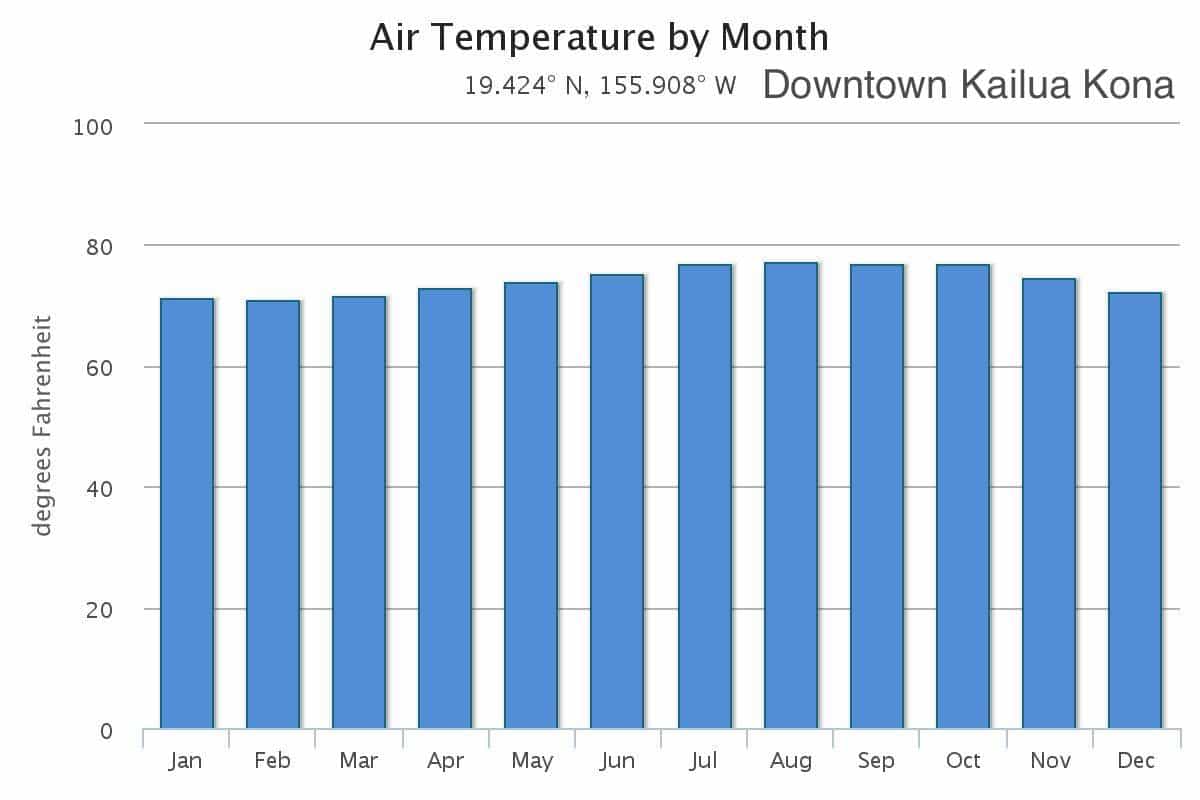
The average temperature in Hawaii remains remarkably consistent, hovering around the mid-70s to mid-80s Fahrenheit (approximately 24-29 degrees Celsius) throughout the year. This pleasant range makes it a year-round destination. However, there are minor variations depending on the specific island, the elevation, and the time of day.
Island-Specific Temperatures
While the overall average is consistent, subtle differences exist between the Hawaiian Islands.
- Oahu: As the most populous island and home to the capital city of Honolulu, Oahu experiences a typical tropical climate. Average temperatures in coastal areas like Waikiki generally range from the low 70s°F (around 21-23°C) in the cooler months to the mid-80s°F (around 29-30°C) in the warmer months.
- Maui: Known for its diverse landscapes, from the beaches of Ka’anapali to the summit of Haleakala, Maui also enjoys a tropical climate. Coastal regions mirror the temperatures of Oahu, with pleasant warmth year-round. However, as you ascend in elevation, particularly towards Haleakala National Park, temperatures can drop significantly, requiring warmer clothing.
- Kauai: The “Garden Isle” is renowned for its lush greenery and dramatic cliffs. Its climate is similar to Oahu and Maui, with coastal areas offering consistently warm temperatures ideal for exploring attractions like the Na Pali Coast.
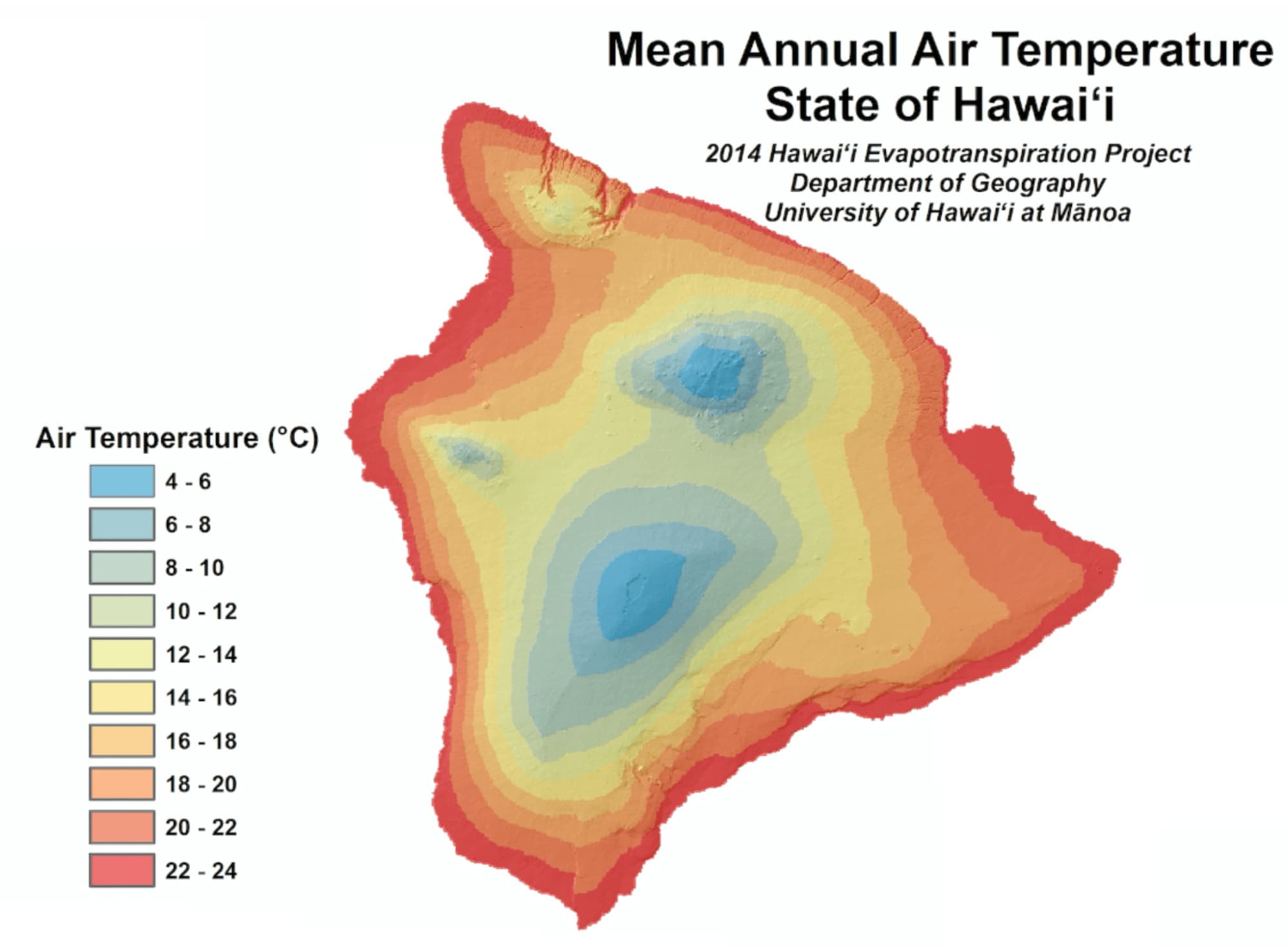
- Island of Hawaii (Big Island): This island’s size and varied topography lead to the most significant temperature variations. While coastal areas like Kona enjoy average temperatures similar to the other islands, the summit of Mauna Kea can experience sub-freezing temperatures and even snow, showcasing Hawaii’s incredible climatic diversity.
Daily Temperature Fluctuations
Within a single day, temperatures in Hawaii generally exhibit minimal fluctuation. Daytime highs typically occur in the early afternoon, while overnight lows are usually found just before sunrise. The trade winds play a crucial role in moderating temperatures, preventing them from becoming excessively hot during the day and keeping them from dropping too low at night. This natural air conditioning system contributes to the islands’ comfortable feel.
The Impact of Elevation

One of the most significant factors influencing temperature in Hawaii is elevation. As you ascend in altitude, temperatures decrease noticeably. This is why you can go from a warm, sunny beach to a cool, crisp mountain environment within a relatively short distance. For instance, a visit to the summit of Haleakala on Maui or Mauna Kea on the Island of Hawaii requires warm layers, as temperatures can be considerably cooler than at sea level, especially at night. This phenomenon allows for a unique range of experiences, from swimming in warm ocean waters to stargazing in cool, clear mountain air.
Planning Your Hawaiian Adventure: Packing and Activities
Understanding Hawaii’s average temperatures is key to packing appropriately and planning the perfect itinerary, whether you’re staying at a luxury resort like the Grand Wailea Maui, A Waldorf Astoria Resort, or a charming villa.
What to Pack
Given the consistently warm climate, packing for Hawaii is generally straightforward. Lightweight, breathable clothing is essential.
- Daytime Essentials: Pack shorts, t-shirts, tank tops, sundresses, and swimwear. A light cover-up for the beach or pool is also a good idea.
- Evenings: While evenings remain warm, a light sweater or jacket might be comfortable for some, especially if dining outdoors or if a slightly cooler breeze picks up.
- Footwear: Comfortable walking shoes are a must for exploring, along with flip-flops or sandals for the beach and casual wear. Water shoes can be useful for rocky shorelines or water activities.
- Sun Protection: This is paramount. Bring high SPF sunscreen, a wide-brimmed hat, and sunglasses. Reapplying sunscreen frequently is crucial, even on cloudy days, as the tropical sun is strong.
- Rain Gear: While not strictly necessary for every trip, a lightweight, packable rain jacket or a small umbrella can be beneficial, especially if visiting during the wet season or planning to explore higher elevations.
- For High Elevations: If your itinerary includes visiting volcanic summits like Haleakala or Mauna Kea, be sure to pack warmer layers, including a fleece jacket, long pants, and closed-toe shoes.
Activities Aligned with the Weather
The consistent warmth and sunshine in Hawaii make it a playground for outdoor enthusiasts year-round.
- Beach Activities: Swimming, sunbathing, snorkeling, surfing, and paddleboarding are popular activities that are enjoyed regardless of the season, though conditions can vary. The dry season often brings calmer waters on many south-facing shores, ideal for swimming and beginner surfing.
- Hiking and Exploration: Trails abound across all the islands, from the lush rainforests of Kauai to the volcanic landscapes of the Island of Hawaii. Temperatures at lower elevations are usually pleasant for hiking during most of the year. Remember to check trail conditions, especially after rain.
- Water Sports: Beyond the beach, consider activities like whale watching (especially from November to May), sailing, and diving. The ocean temperatures remain inviting throughout the year.
- Cultural Experiences: Exploring local culture, visiting historical sites like Pearl Harbor, or enjoying a traditional Luau can be done comfortably year-round. The slightly cooler temperatures of the wet season can sometimes make daytime sightseeing more pleasant.
- Dining and Nightlife: From casual beachside eateries to upscale restaurants and vibrant nightlife in cities like Honolulu, enjoying the local cuisine and entertainment is a year-round pleasure.
Beyond the Averages: Microclimates and Weather Variations
While the average temperatures provide a good baseline, it’s important to acknowledge that Hawaii is a land of diverse microclimates. The islands’ topography, orientation to the prevailing trade winds, and the vast Pacific Ocean all contribute to localized weather patterns.
The Influence of Trade Winds
The prevailing trade winds, blowing from the northeast, are a defining feature of Hawaii’s weather. They originate in the cool, high-pressure systems of the North Pacific and bring moist, cool air to the islands. These winds are responsible for much of the rainfall on the windward sides of the islands, creating lush, tropical vegetation. Conversely, the leeward sides, often in the rain shadow of mountain ranges, are much drier and sunnier, offering a more desert-like environment in some areas. When planning your activities, consider which side of an island you will be visiting, as this can significantly impact your experience. For example, if you are seeking guaranteed sunshine for a beach vacation, focusing your stay on the leeward coasts of islands like Maui or the Island of Hawaii is often recommended.
Coastal vs. Inland Temperatures
Temperatures are generally warmer along the coastlines, influenced by the ocean’s thermal mass. As you move inland and ascend in elevation, temperatures tend to drop. This is why towns and cities situated near sea level, such as Lahaina on Maui or Hilo on the Island of Hawaii, tend to have more consistent, warmer temperatures than areas at higher altitudes. This variation is particularly pronounced on islands with significant mountain ranges, such as Maui and the Island of Hawaii.
Rainfall Patterns and Their Impact
The wet season brings increased rainfall, but its distribution is not uniform. As mentioned, windward areas receive more rain, while leeward areas remain relatively dry. This difference is crucial for understanding potential weather impacts on your trip. For instance, while the southern coast of Oahu might be experiencing sunshine, the windward side near the Ko’olau Mountains could be receiving showers. These showers are often brief and can even be refreshing, clearing up quickly to reveal sunshine. However, prolonged rain can impact outdoor activities, so checking local weather forecasts is always advisable. The lush landscapes that define many of Hawaii’s famous attractions, such as the Waimea Canyon on Kauai, are a direct result of these consistent rainfall patterns on the windward sides.
Preparing for All Possibilities
While Hawaii is known for its predictable warmth, embracing the island’s diverse weather can enhance your travel experience. If you’re visiting during the wetter months, consider incorporating activities that are less weather-dependent, such as visiting museums, exploring local markets, enjoying a fine dining experience at a resort like the Four Seasons Resort Oahu at Ko Olina, or indulging in spa treatments. Even during the dry season, occasional passing showers are part of the tropical charm. The key is to be prepared and flexible, allowing you to make the most of Hawaii’s stunning natural beauty and vibrant culture, no matter the forecast. The average temperature, while a valuable guide, is just one piece of the puzzle that makes a Hawaiian vacation so magical.
LifeOutOfTheBox is a participant in the Amazon Services LLC Associates Program, an affiliate advertising program designed to provide a means for sites to earn advertising fees by advertising and linking to Amazon.com. Amazon, the Amazon logo, AmazonSupply, and the AmazonSupply logo are trademarks of Amazon.com, Inc. or its affiliates. As an Amazon Associate we earn affiliate commissions from qualifying purchases.