
Hawaii, the Aloha State, is a tapestry woven with vibrant cultures, breathtaking landscapes, and a rich history. While its allure draws millions of travelers each year to its pristine beaches, lush rainforests, and iconic landmarks, many visitors are unaware of the profound linguistic heritage that predates the arrival of modern tourism. The question of “What is the native language of Hawaii?” delves into the heart of the islands’ identity, a language that echoes through the valleys, whispers on the trade winds, and is slowly, but surely, being revitalized. This is the story of ʻŌlelo Hawaiʻi, the Hawaiian language.
The Genesis of ʻŌlelo Hawaiʻi
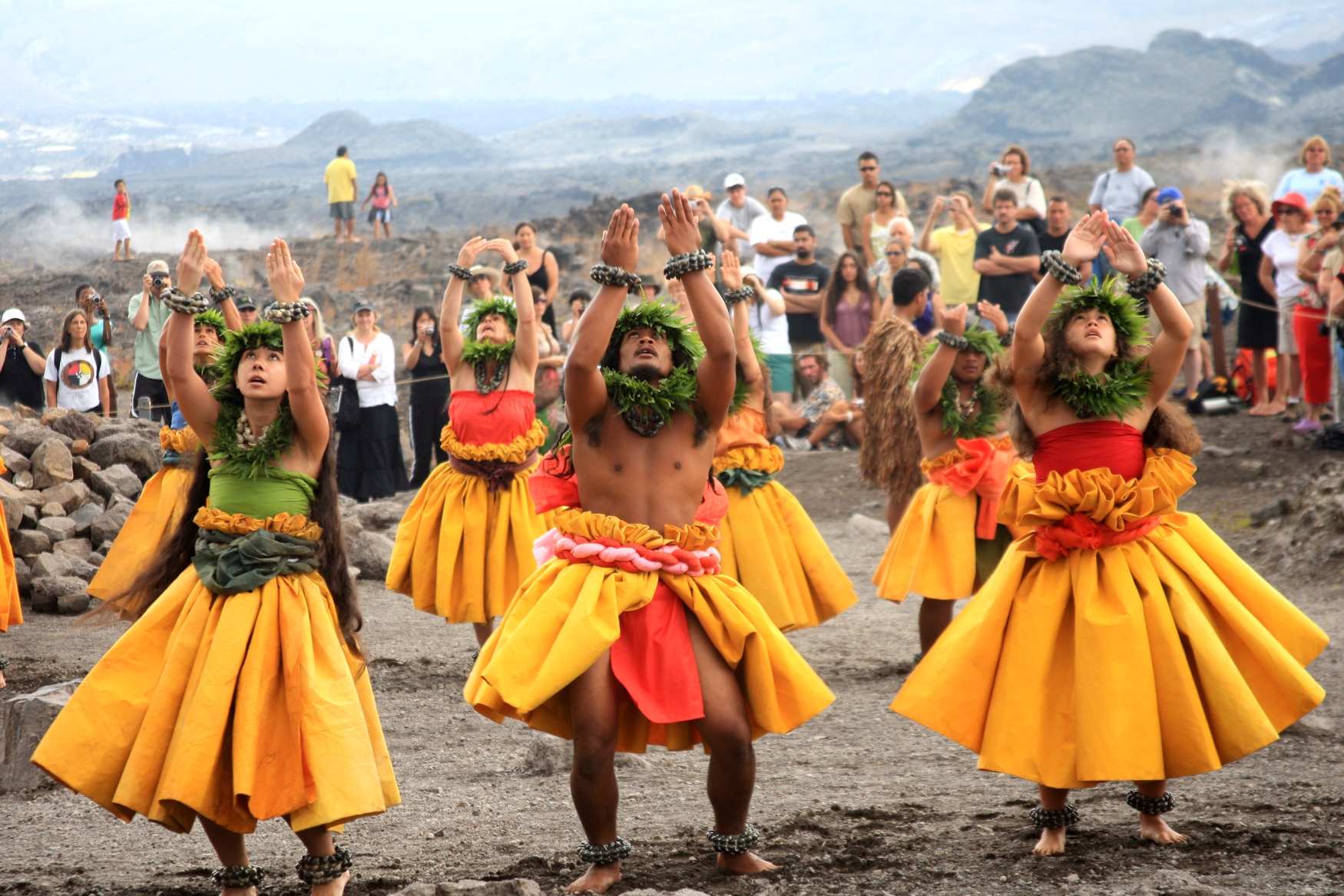
The native language of Hawaii is ʻŌlelo Hawaiʻi, a Polynesian language that traces its roots back thousands of years to the ancient migrations that settled the vast Pacific. Like its linguistic cousins spoken across Polynesia, such as Maori in New Zealand and Tahitian in Tahiti, ʻŌlelo Hawaiʻi shares a common ancestor, a testament to the incredible seafaring prowess of early Pacific islanders. The initial settlers, likely arriving from Marquesas Islands and Tahiti, brought with them their language, which then evolved in isolation on the Hawaiian Islands.
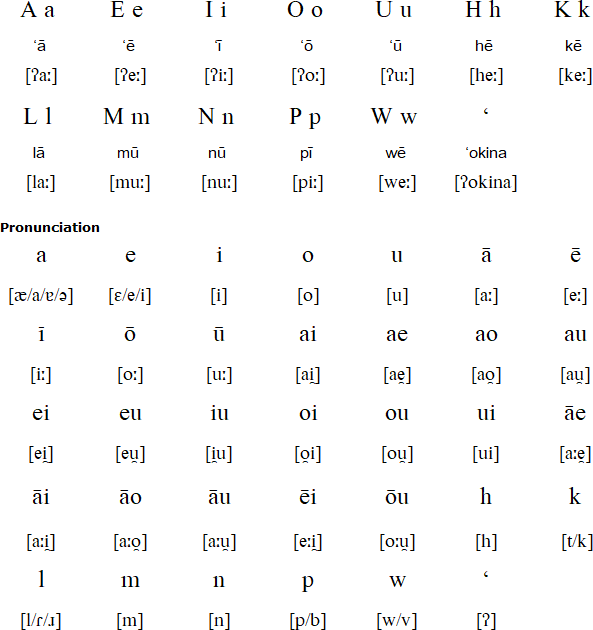
Over centuries, ʻŌlelo Hawaiʻi developed its unique characteristics. It is known for its relatively simple phonology, featuring only 12 sounds: five vowels (a, e, i, o, u) and seven consonants (h, k, l, m, n, p, w), plus the glottal stop, known as the ʻokina. This phonetic simplicity contributes to its melodic and flowing sound. The language’s grammar is also distinct, often employing subject-verb-object or verb-subject-object sentence structures. Nouns and verbs can be fluid, with meaning often conveyed through context and subtle shifts in pronunciation.
For centuries, ʻŌlelo Hawaiʻi was the sole language of the Hawaiian Kingdom. It was the language of governance, of storytelling, of religious ceremonies, and of daily life. Ancient chants (mele), epic poems (moʻolelo), and profound philosophical concepts were all preserved and transmitted through this powerful medium. The oral tradition was paramount, with knowledge passed down from generation to generation through skilled orators and storytellers. The language was intrinsically linked to the worldview of the Native Hawaiians, deeply connected to the land (ʻāina), the sea, and the spiritual realm.
The Impact of Foreign Influence and the Decline of ʻŌlelo Hawaiʻi
The arrival of Captain James Cook in 1778 marked a pivotal turning point for Hawaii. This encounter initiated a period of increasing contact with the Western world, bringing with it profound changes that would irrevocably alter the course of Hawaiian history and language. Missionaries, traders, and eventually American businessmen began to establish a significant presence, leading to the overthrow of the Hawaiian Kingdom in 1893 and the subsequent annexation by the United States in 1898.
During this era of intense foreign influence, the Hawaiian language faced immense pressure. In 1896, a law was passed that prohibited the use of ʻŌlelo Hawaiʻi in public schools. This decree, intended to assimilate Hawaiians into the dominant American culture and facilitate education in English, had a devastating effect. Children were punished for speaking their native tongue, creating a sense of shame and discouraging its use even within families. The language, once vibrant and ubiquitous, began to retreat from public life.
The dominance of English in commerce, government, and education led to a rapid decline in ʻŌlelo Hawaiʻi speakers. Many Native Hawaiians, especially younger generations, were unable to learn or use their ancestral language fluently. By the mid-20th century, ʻŌlelo Hawaiʻi was considered critically endangered, with only a few hundred native speakers remaining, mostly elders. The rich cultural heritage embodied in the language seemed on the brink of disappearing forever, a tragic consequence of colonization and cultural suppression.

The Resurgence of a Language: The Hawaiian Language Revitalization Movement
Despite the dire circumstances, the spirit of ʻŌlelo Hawaiʻi was not extinguished. A powerful movement, fueled by a deep love for Hawaiian culture and identity, began to emerge in the latter half of the 20th century. This was the Hawaiian Language Revitalization Movement, a dedicated effort to reclaim, preserve, and teach the language to future generations.
A crucial turning point was the establishment of Pūnana Leo (language nests) in 1984. These Hawaiian immersion preschools provided a nurturing environment where young children could learn ʻŌlelo Hawaiʻi from birth, immersed in the language and culture. The success of Pūnana Leo inspired the creation of Kula Kaiapuni (Hawaiian immersion schools) at the elementary, middle, and high school levels, allowing students to continue their education entirely in ʻŌlelo Hawaiʻi.
The movement also gained momentum with the establishment of ʻAha Pūnana Leo, a non-profit organization that spearheaded these educational initiatives. Furthermore, the University of Hawaii played a vital role by offering ʻŌlelo Hawaiʻi courses and degree programs, training a new generation of teachers, linguists, and cultural practitioners. Academic research into the language, its grammar, and its history became essential for its revival.
The revitalization efforts extended beyond formal education. Community-based language classes, workshops, and cultural events became commonplace. The Hawaiian language began to reappear in public spaces, in music, in signage, and even in official capacities. The recognition of ʻŌlelo Hawaiʻi as an official language of Hawaii alongside English in 1978 was a significant legal and symbolic victory, acknowledging its rightful place in the state’s heritage.
ʻŌlelo Hawaiʻi Today: Challenges and Triumphs
Today, ʻŌlelo Hawaiʻi is far from being fully restored to its former prominence, but its trajectory is one of inspiring recovery. The Hawaiian Language Revitalization Movement has achieved remarkable success, with the number of fluent speakers steadily increasing. While still considered a minority language, it is no longer on the brink of extinction.
Travelers to Hawaii will increasingly encounter ʻŌlelo Hawaiʻi in various forms. You might see street signs with Hawaiian names, hear Hawaiian music playing in shops and restaurants, or encounter Hawaiian phrases used in greetings and everyday conversation. Learning a few basic Hawaiian phrases can significantly enhance your travel experience, showing respect for the local culture and opening doors to more meaningful interactions. “Aloha” (hello, goodbye, love) is perhaps the most recognized word, but understanding phrases like “Mahalo” (thank you) and “ʻO wai kou inoa?” (What is your name?) can foster deeper connections.
The Hawaiian Islands themselves offer numerous opportunities to engage with the living language. Visiting cultural centers like the Polynesian Cultural Center on Oahu provides insights into Polynesian traditions, often including Hawaiian language elements. Exploring historical sites like ʻIolani Palace, the only royal palace in the United States, offers a glimpse into the Hawaiian Kingdom and the language that once filled its halls. Many resorts and hotels are also embracing the culture, offering programming that may include Hawaiian language introductions. For instance, a stay at a luxury resort like The Ritz-Carlton, Kapalua on Maui might feature activities that incorporate local language and traditions. Similarly, exploring the natural beauty of Hawaii Volcanoes National Park on the Big Island can be enriched by understanding the Hawaiian names and their meanings connected to the land’s geological features.
The challenges remain significant. The scarcity of resources, the need for more qualified ʻŌlelo Hawaiʻi teachers, and the pervasive influence of English continue to be hurdles. However, the passion and dedication of the Hawaiian people and their allies are unwavering. The ongoing efforts to integrate ʻŌlelo Hawaiʻi into all aspects of life – from education and media to arts and governance – are vital for its sustained survival and growth.
The story of ʻŌlelo Hawaiʻi is a powerful testament to the resilience of culture and language in the face of adversity. It is a language that carries the weight of history, the wisdom of ancestors, and the vibrant spirit of the Hawaiian people. For visitors, understanding the significance of ʻŌlelo Hawaiʻi is not just about knowing the native language of Hawaii; it is about appreciating the soul of these beautiful islands and the enduring legacy of its first inhabitants. As Hawaii continues to welcome the world, the revitalized voice of ʻŌlelo Hawaiʻi serves as a profound reminder of its unique and invaluable heritage.
LifeOutOfTheBox is a participant in the Amazon Services LLC Associates Program, an affiliate advertising program designed to provide a means for sites to earn advertising fees by advertising and linking to Amazon.com. Amazon, the Amazon logo, AmazonSupply, and the AmazonSupply logo are trademarks of Amazon.com, Inc. or its affiliates. As an Amazon Associate we earn affiliate commissions from qualifying purchases.