
The Hawaiian Islands, a breathtaking archipelago renowned for its pristine beaches, lush rainforests, and vibrant culture, possess a distinct symbol that captures their natural beauty and spirit: the state flower. While many associate Hawaii with the iconic plumeria or hibiscus, the official designation belongs to a unique and historically significant bloom that encapsulates the islands’ rich heritage and ecological marvel. This article delves into the identity of Hawaii’s state flower, exploring its origins, symbolism, and its integral role in the island’s identity, weaving in aspects of travel, local culture, and natural wonders that define the Hawaiian experience.
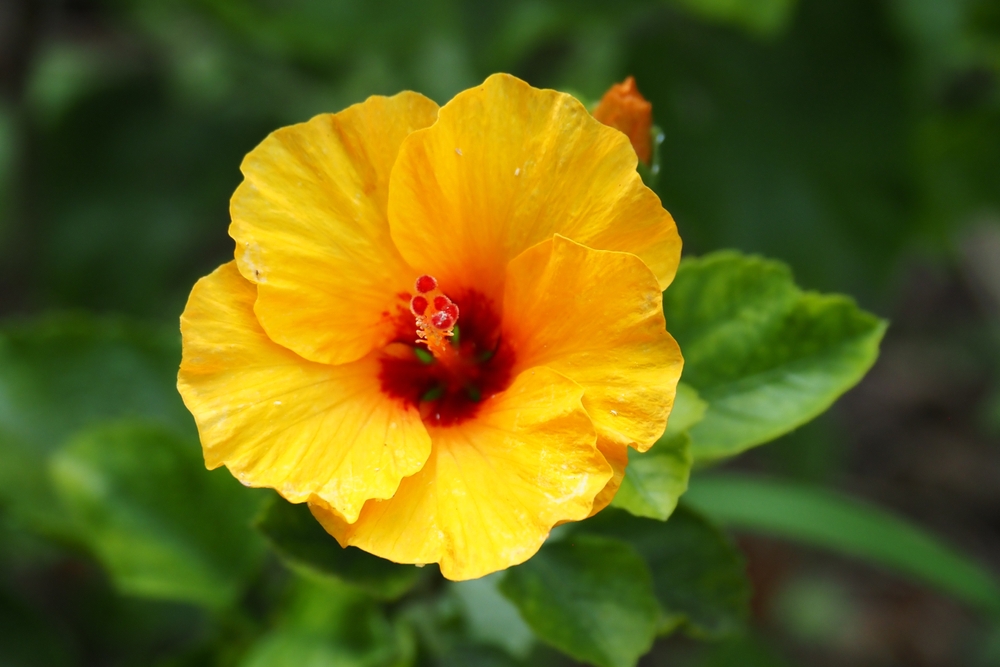
The Yellow Hibiscus: A Symbol of Aloha
The state flower of Hawaii is the maʻo hau hele, commonly known as the yellow hibiscus. Officially designated in 1959, this particular species, Hibiscus brackenridgei, stands as a vibrant testament to the unique flora of the Hawaiian Islands. It’s a far cry from the more commonly seen and widely cultivated hibiscus varieties that dot the landscapes of many tropical destinations. The maʻo hau hele is endemic to Hawaii, meaning it originated and evolved exclusively within these islands, making it a truly special emblem.
A Glimpse into its Natural Habitat and Significance
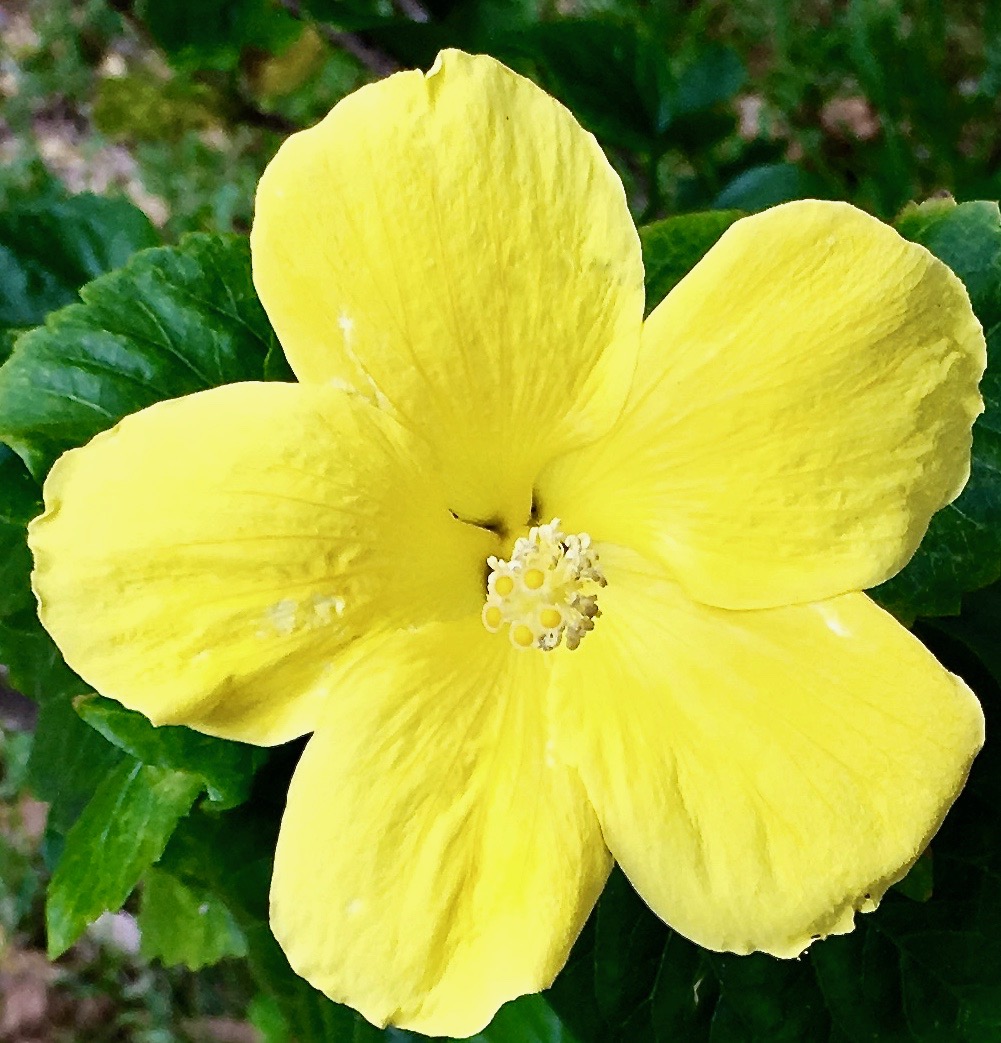
The yellow hibiscus is a shrub or small tree that can grow to a significant height, adorned with large, bright yellow blossoms. These flowers typically have five petals and a prominent stamen. Their color is not just visually striking; it’s believed to symbolize warmth, sunshine, and the welcoming spirit of Aloha that is so central to Hawaiian culture.
Historically, the maʻo hau hele held a significant place in traditional Hawaiian society. Its flowers were often used in lei making and for medicinal purposes by the indigenous Kānaka Maoli. The vibrant yellow hue was associated with royalty and divinity, further underscoring its esteemed status. While the species faced endangerment due to habitat loss and invasive species, concerted conservation efforts have helped to bring it back from the brink, a testament to the dedication to preserving Hawaii’s natural treasures.
For travelers visiting Hawaii, encountering the yellow hibiscus in its natural setting is a rewarding experience. It can often be found in dry forests and coastal areas, particularly on islands like Oʻahu, Maui, and Kauaʻi. Seeing it bloom amidst the dramatic volcanic landscapes or lush valleys adds another layer of appreciation to the island’s unparalleled natural beauty. Destinations like the Haleakalā National Park on Maui or the Kōkeʻe State Park on Kauaʻi can offer opportunities to witness native flora, including various hibiscus species.
The yellow hibiscus is more than just a pretty flower; it’s a living symbol of Hawaii’s resilience, its unique biodiversity, and the enduring spirit of its people. Its official recognition as the state flower solidified its importance and encouraged a deeper understanding and appreciation for the native plant life of the islands. When you book your Hawaiian adventure, perhaps at a resort like the Grand Hyatt Kauai Resort & Spa or a boutique hotel in Honolulu, take a moment to look for this distinctive bloom.
Beyond the State Flower: Exploring Hawaii’s Floral Diversity
While the yellow hibiscus proudly holds the title of state flower, Hawaii’s botanical richness extends far beyond this single bloom. The islands are a paradise for flower enthusiasts and nature lovers, offering a dazzling array of species that contribute to the vibrant tapestry of the local landscape and culture. Understanding the context of the yellow hibiscus within this broader floral diversity enriches the appreciation for what makes Hawaii so unique.
Hibiscus Varieties and Their Cultural Significance
It’s important to distinguish the state flower, Hibiscus brackenridgei, from other hibiscus species commonly found in Hawaii. The red hibiscus, often a vibrant and showy bloom, is perhaps the most internationally recognized symbol of tropical islands. While not the state flower, it is deeply embedded in Hawaiian imagery and is frequently used in art, decorations, and tourism materials. Many hotels and resorts, such as the Four Seasons Resort Maui at Wailea, often feature hibiscus in their landscaping, contributing to the quintessential tropical ambiance that guests seek.
Other hibiscus species, like the white hibiscus and the pink hibiscus, also add to the island’s floral splendor. Each variety carries its own subtle symbolism and aesthetic appeal. The sheer variety of hibiscus available in Hawaii is a testament to the islands’ favorable climate and fertile volcanic soil, which support a thriving ecosystem for these beautiful plants.
The cultivation and appreciation of hibiscus in Hawaii are intrinsically linked to local culture. From traditional ceremonies to contemporary art and fashion, hibiscus flowers are a recurring motif. Visitors can experience this connection firsthand by visiting local botanical gardens, such as the Lyon Arboretum in Honolulu, or by attending cultural festivals that often showcase traditional floral arrangements and lei making.
Other Notable Flora of the Hawaiian Islands
The floral diversity of Hawaii is truly astounding, with many plants having evolved in isolation, resulting in a high number of endemic species. Beyond the hibiscus family, several other plants are of significant ecological and cultural importance.
ʻŌhiʻa lehua (Metrosideros polymorpha) is another iconic native tree of Hawaii. Its vibrant red or orange flowers are a striking contrast against the dark, often rugged volcanic terrain. The ʻōhiʻa tree is deeply woven into Hawaiian mythology, with a beloved legend explaining the formation of the raindrops as the tears of Pele, the goddess of volcanoes, and Lehua, a beautiful maiden. The forests of ʻōhiʻa are a vital part of Hawaii’s native ecosystems, found in diverse habitats ranging from wet forests to high-elevation bogs. Exploring national parks like Volcanoes National Park on the island of Hawaiʻi offers incredible opportunities to witness these resilient trees.
The ʻIlima (Sida fallax) is a native shrub known for its delicate, orange-yellow flowers. The ʻilima flower is traditionally used to make leis of great beauty and significance, often reserved for occasions of high honor. Leis made from ʻilima are a symbol of respect and high status, reflecting the intricate social customs of ancient Hawaii.
The Plumeria, often mistakenly thought of as the state flower, is indeed a beloved and ubiquitous flower in Hawaii. These fragrant blooms, available in a spectrum of colors from white and yellow to pink and red, are a staple in lei making and are a quintessential element of the Hawaiian sensory experience. While not native, their widespread cultivation and aromatic presence have made them an unofficial symbol of island paradise. Many hotels, including luxury accommodations like the Four Seasons Resort Oahu at Ko Olina, often welcome guests with fragrant plumeria leis, instantly immersing them in the spirit of Aloha.
When planning your island getaway, consider the diverse botanical landscapes that await. Whether you’re staying in a beachfront resort in Waikiki or a secluded villa on the North Shore, the opportunity to connect with Hawaii’s natural floral beauty is ever-present. Exploring local markets for fresh flower leis or visiting botanical gardens will provide a deeper appreciation for the plants that define these enchanting islands.
Experiencing Hawaii’s Floral Beauty: Travel and Lifestyle Tips
Understanding Hawaii’s state flower and its rich botanical heritage enhances any visit, transforming a typical vacation into a more profound cultural and natural immersion. Whether you’re seeking adventure, relaxation, or a glimpse into local life, incorporating the appreciation of flora into your itinerary can be incredibly rewarding.
Planning Your Trip to See Native Flora
For travelers specifically interested in the yellow hibiscus and other native plants, timing and location are key. The blooming season for many of Hawaii’s native flowers can vary, but generally, the islands offer year-round floral displays. The dry seasons, typically from April to October, can be ideal for spotting certain species in their natural habitats.
When exploring the islands, consider visiting areas known for their native plant life. The ʻĀhihi-Kīnaʻu Natural Area Reserve on Maui offers a chance to see unique coastal flora, while the cloud forests of Kauaʻi are home to an astonishing diversity of endemic species. Guided tours with local naturalists can provide invaluable insights into the ecological significance and cultural uses of the plants you encounter. Many tour operators in destinations like Hana on Maui offer excursions focused on the island’s natural wonders.
If you plan to stay in a particular region, researching accommodations that emphasize their connection to nature can enhance your experience. Boutique hotels or eco-lodges that are situated near natural reserves or have extensive native gardens on their grounds can offer a more immersive experience. For instance, a stay at a place that highlights sustainable practices and provides opportunities to learn about local flora can be as enriching as visiting a formal botanical garden.

Incorporating Floral Appreciation into Your Lifestyle Abroad
Beyond dedicated nature excursions, there are simple ways to weave floral appreciation into your daily experience while traveling in Hawaii.
- Leis and Local Crafts: Purchasing authentic leis from local vendors is a wonderful way to support the community and experience a cherished Hawaiian tradition. Remember that leis are meant to be worn with pride and shared with respect. Explore local craft fairs and markets, such as the KCC Farmers Market in Honolulu, where you can find handcrafted items inspired by Hawaii’s flora.
- Accommodation Choices: When booking hotels or villas, look for properties that feature native landscaping or offer rooms with views of lush gardens. Properties like the Andaz Maui at Wailea Resort often integrate natural beauty into their design, providing guests with a constant connection to the island’s environment. Even in urban settings like Honolulu, you can find hotels with beautiful courtyards or rooftop gardens.
- Culinary Experiences: Many Hawaiian dishes and drinks incorporate local flowers and fruits. Trying dishes that feature ingredients like hibiscus or pineapple, which thrives in Hawaii’s climate, connects you to the land and its bounty. Local food tours can highlight these unique culinary aspects.
- Responsible Tourism: As you explore Hawaii’s natural beauty, always practice responsible tourism. Stay on marked trails, avoid picking native plants (unless permitted for specific cultural practices), and respect the delicate ecosystems. This ensures that the islands’ unique flora, including the state flower, can be enjoyed by future generations of travelers.
By understanding and appreciating Hawaii’s state flower, the yellow hibiscus, and its broader floral diversity, visitors can gain a deeper connection to the soul of the islands. It’s a reminder that Hawaii is not just about stunning beaches and volcanic landscapes, but also about a vibrant, living heritage that is deeply rooted in its natural environment. Whether you’re a seasoned traveler or planning your first trip, embracing the floral wonders of Hawaii will undoubtedly enrich your journey.
LifeOutOfTheBox is a participant in the Amazon Services LLC Associates Program, an affiliate advertising program designed to provide a means for sites to earn advertising fees by advertising and linking to Amazon.com. Amazon, the Amazon logo, AmazonSupply, and the AmazonSupply logo are trademarks of Amazon.com, Inc. or its affiliates. As an Amazon Associate we earn affiliate commissions from qualifying purchases.