
Navigating the temporal landscape of a dream vacation destination can sometimes feel like a puzzle, especially when you’re planning a trip to the breathtaking island of Maui. The question, “What time is it in Hawaii [Maui]?” is a fundamental one that underpins all your scheduling, from booking flights to arranging luau reservations and sunset cruises. Understanding Hawaii’s unique time zone is not just about avoiding missed appointments; it’s about embracing the laid-back rhythm of island life and optimizing your experience of this tropical paradise.
Understanding Hawaii’s Time Zone: A Pacific Standard
Hawaii observes Hawaii Standard Time (HST). This means that the state does not currently observe Daylight Saving Time. This is a significant detail, as it differentiates Hawaii from many other parts of the United States, which do adjust their clocks twice a year. HST is equivalent to UTC-10, which places it at a consistent difference from Coordinated Universal Time (UTC) and, consequently, from most of the mainland United States.

The Significance of Not Observing Daylight Saving Time
The decision for Hawaii to not observe Daylight Saving Time has practical implications for travelers. Firstly, it simplifies the time difference calculations. While other regions might see their time difference shift by an hour throughout the year, Hawaii remains constant. This predictability is a welcome relief for those trying to coordinate with family and friends back home or manage international business calls.
Secondly, it aligns with the tropical nature of the islands. Located near the equator, Hawaii experiences relatively consistent daylight hours throughout the year, unlike regions at higher latitudes where Daylight Saving Time was originally intended to maximize daylight during summer months. The sun rises and sets at roughly similar times year-round, making an artificial shift unnecessary and potentially disruptive.
Time Difference from the Mainland United States
The time difference between Maui and the mainland United States varies depending on which part of the mainland you are calling from.
- Pacific Standard Time (PST) / Pacific Daylight Time (PDT): When the mainland is on PST (UTC-8), Hawaii is 3 hours behind. When the mainland is on PDT (UTC-7), Hawaii is still 3 hours behind PST, but the difference between PDT and HST becomes 4 hours because PDT is UTC-7 and HST is UTC-10. To be precise, when it is 12:00 PM PST, it is 9:00 AM HST. When it is 12:00 PM PDT, it is 8:00 AM HST.
- Mountain Standard Time (MST) / Mountain Daylight Time (MDT): When the mainland is on MST (UTC-7), Hawaii is 2 hours behind. When the mainland is on MDT (UTC-6), Hawaii is 3 hours behind MST, making the difference 3 hours from MDT. So, when it is 12:00 PM MST, it is 10:00 AM HST. When it is 12:00 PM MDT, it is 9:00 AM HST.
- Central Standard Time (CST) / Central Daylight Time (CDT): When the mainland is on CST (UTC-6), Hawaii is 1 hour behind. When the mainland is on CDT (UTC-5), Hawaii is 2 hours behind CST, making the difference 2 hours from CDT. Thus, when it is 12:00 PM CST, it is 11:00 AM HST. When it is 12:00 PM CDT, it is 10:00 AM HST.
- Eastern Standard Time (EST) / Eastern Daylight Time (EDT): When the mainland is on EST (UTC-5), Hawaii is in the same time zone. When the mainland is on EDT (UTC-4), Hawaii is 1 hour behind EDT. So, when it is 12:00 PM EST, it is 12:00 PM HST. When it is 12:00 PM EDT, it is 11:00 AM HST.
It’s always a good idea to double-check the current time in your specific location on the mainland when planning your Maui adventures to ensure accurate scheduling.
Planning Your Maui Itinerary Around Local Time
Knowing the current time in Maui is crucial for maximizing your enjoyment and minimizing any potential travel hiccups. The island’s rhythm is deeply connected to the sun, and understanding HST will help you embrace the island’s natural flow.
Embracing Sunrise and Sunset Experiences
Maui is renowned for its spectacular sunrises and sunsets. Watching the dawn break over the volcanic crater of Haleakala National Park or witnessing the sun dip below the horizon from the shores of Ka’anapali Beach are quintessential island experiences. Knowing the local sunrise and sunset times will allow you to plan these magical moments perfectly. For instance, if you’re aiming to catch the sunrise at Haleakala, you’ll need to factor in travel time to the summit, which is often done in the very early hours of the morning, well before typical waking hours on the mainland.
Scheduling Activities and Tours
Whether you’re planning a snorkeling trip to the vibrant coral reefs of the Molokini Crater, a scenic drive along the legendary Road to Hana, or an evening of Polynesian culture at a traditional luau, accurate local time is essential. Tour operators and activity providers operate on Hawaii Standard Time. Confirming your booking times in HST will prevent any confusion and ensure you don’t miss out on the incredible experiences Maui has to offer. This is particularly important for early morning excursions or late-night events.
Dining and Nightlife
From casual beachfront eateries to fine dining restaurants, understanding the local time helps in making dining reservations. Maui has a diverse culinary scene, and popular spots can fill up quickly, especially during peak tourist seasons. Knowing the local time allows you to book tables for that perfect sunset dinner or a relaxed breakfast before a day of exploration. The island’s nightlife, while more subdued than in some other destinations, often revolves around enjoying the evening breeze with live music or a refreshing drink, and this typically begins later in the local evening.
Adjusting to Island Time: Tips for Travelers
The concept of “island time” is a real and charming aspect of visiting Hawaii. While precise timing is necessary for reservations and transportation, there’s also a beautiful, unhurried pace to life on Maui that visitors are encouraged to embrace.
The Art of Relaxation
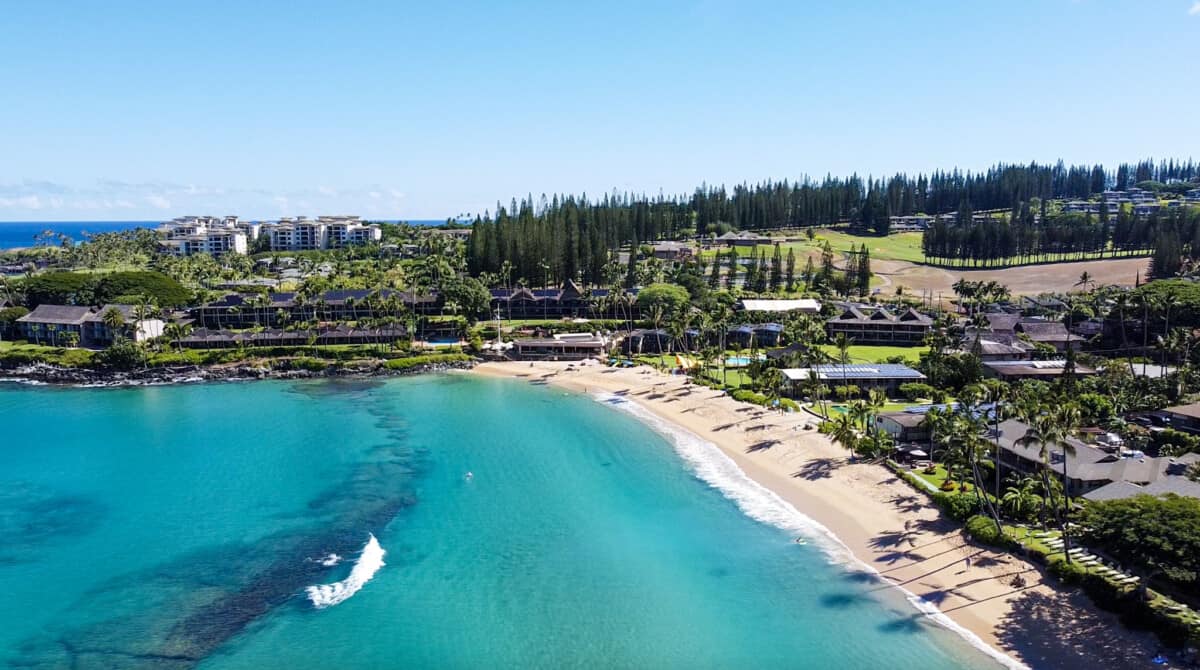
One of the primary draws of a Maui vacation is the opportunity to de-stress and unwind. The consistent time zone, free from the disruptions of Daylight Saving Time shifts, can contribute to a more stable sleep schedule, helping you adjust to the relaxed pace more easily. Allow yourself to disconnect from the rigid schedules of everyday life and sink into the natural rhythm of the island. This might mean enjoying a leisurely morning coffee on your lanai at a resort like the Grand Wailea, A Waldorf Astoria Resort, or taking an unhurried stroll along Napili Bay.
Staying Connected (and Disconnected)
For those who need to stay in touch with work or family back home, understanding the time difference is paramount. Planning calls for a time when both you and the person you’re calling are available and comfortable is key. However, part of the magic of Maui is the opportunity to disconnect. Consider setting specific times for checking emails or social media, allowing the rest of your time to be devoted to soaking in the stunning natural beauty, experiencing the rich local culture, and enjoying the warm hospitality.
Practical Timekeeping Tools
While embracing island time, it’s still practical to have reliable ways to check the time. Most smartphones automatically update their time when connected to a network, but it’s wise to verify this upon arrival. Many hotels and resorts will display the local time prominently in rooms and common areas. If you’re venturing off the beaten path or rely on a non-connected device, a simple watch is always a good idea. For those planning intricate itineraries involving multiple activities, using a digital calendar with time zone conversion features can be incredibly helpful.
In conclusion, understanding “What time in Hawaii [Maui]?” is more than just a chronological query; it’s an essential part of preparing for a seamless and fulfilling tropical escape. By familiarizing yourself with Hawaii Standard Time and its implications, you can ensure your Maui adventure is filled with memorable moments, from breathtaking sunrises to unforgettable culinary experiences and relaxing evenings under the stars. Aloha!
LifeOutOfTheBox is a participant in the Amazon Services LLC Associates Program, an affiliate advertising program designed to provide a means for sites to earn advertising fees by advertising and linking to Amazon.com. Amazon, the Amazon logo, AmazonSupply, and the AmazonSupply logo are trademarks of Amazon.com, Inc. or its affiliates. As an Amazon Associate we earn affiliate commissions from qualifying purchases.