
The question of when Hawaii officially became a Territory of the United States is a pivotal moment in the archipelago’s rich and complex history. This transition marked a significant shift from its independent monarchy to a subordinate political entity, profoundly influencing its cultural, economic, and social landscape. Understanding this historical juncture is crucial for appreciating the modern-day Hawaiian experience, from its vibrant tourism industry to its enduring local culture.
The path to territorial status was neither swift nor simple. It involved a series of dramatic events, including the overthrow of the Hawaiian Kingdom, a period of provisional government, and a lengthy debate about annexation. To truly grasp “When Did Hawaii Become A Territory?”, we must delve into the preceding decades and the forces that propelled this transformation.
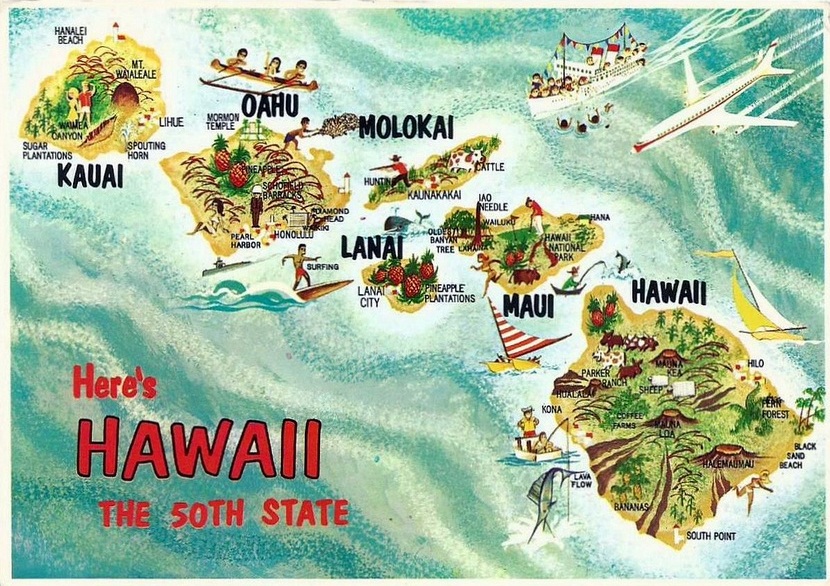
The Seeds of Change: From Monarchy to Annexation
For centuries, the Hawaiian Islands existed as an independent, sovereign nation, governed by a succession of monarchs. The arrival of Western explorers, missionaries, and traders in the late 18th and early 19th centuries brought about profound changes. While introducing new technologies and Western customs, it also led to the erosion of traditional Hawaiian ways of life and the increasing economic and political influence of foreign powers, particularly the United States.
By the mid-19th century, American business interests, primarily in the sugar industry, had become deeply entrenched in Hawaii. These powerful economic forces began to lobby for closer ties with the United States, seeing territorial status and eventual statehood as a means to secure favorable trade agreements and protect their investments. This desire for economic and political leverage was a primary driver behind the push for annexation.
The Overthrow of the Hawaiian Kingdom
The most dramatic event leading to Hawaii’s territorial status was the overthrow of Queen Liliʻuokalani in 1893. A group of predominantly American and European businessmen, known as the Committee of Safety, orchestrated this coup with the support of the United States Minister to Hawaii, John L. Stevens, and the landing of U.S. Marines. The stated reasons for the overthrow were varied, often citing the Queen’s attempts to enact a new constitution that would restore power to the monarchy and disenfranchise foreign residents.
The overthrow was a deeply contentious act. Queen Liliʻuokalani, though forced to abdicate under duress to avoid bloodshed, officially protested the illegitimacy of the action. Her appeal to the United States government for justice and the restoration of her throne, however, went unanswered by the administration of President Grover Cleveland.
The Provisional Government and the Republic of Hawaii
Following the overthrow, a Provisional Government was established, led by Sanford B. Dole, a prominent American businessman and jurist. This government immediately began to push for annexation by the United States. However, President Cleveland, upon learning of the circumstances surrounding the overthrow, viewed it as an act of American aggression and opposed annexation. He ordered the withdrawal of U.S. troops and attempted to restore the monarchy, an effort that was ultimately unsuccessful due to the establishment of the Provisional Government.

Despite the setback with the Cleveland administration, annexationist forces persisted. In 1894, the Provisional Government was dissolved, and the Republic of Hawaii was proclaimed, with Sanford B. Dole as its president. This republic, though nominally independent, was heavily influenced by American interests and continued to advocate for annexation.
Annexation and the Birth of a Territory
The political climate in the United States shifted dramatically with the election of President William McKinley in 1896. McKinley was a strong proponent of American expansionism, and the outbreak of the Spanish-American War in 1898 provided a crucial impetus for Hawaii’s annexation. Strategically, Hawaii was seen as a vital coaling station and naval base for the U.S. in the Pacific, particularly in the context of the war in the Philippines.
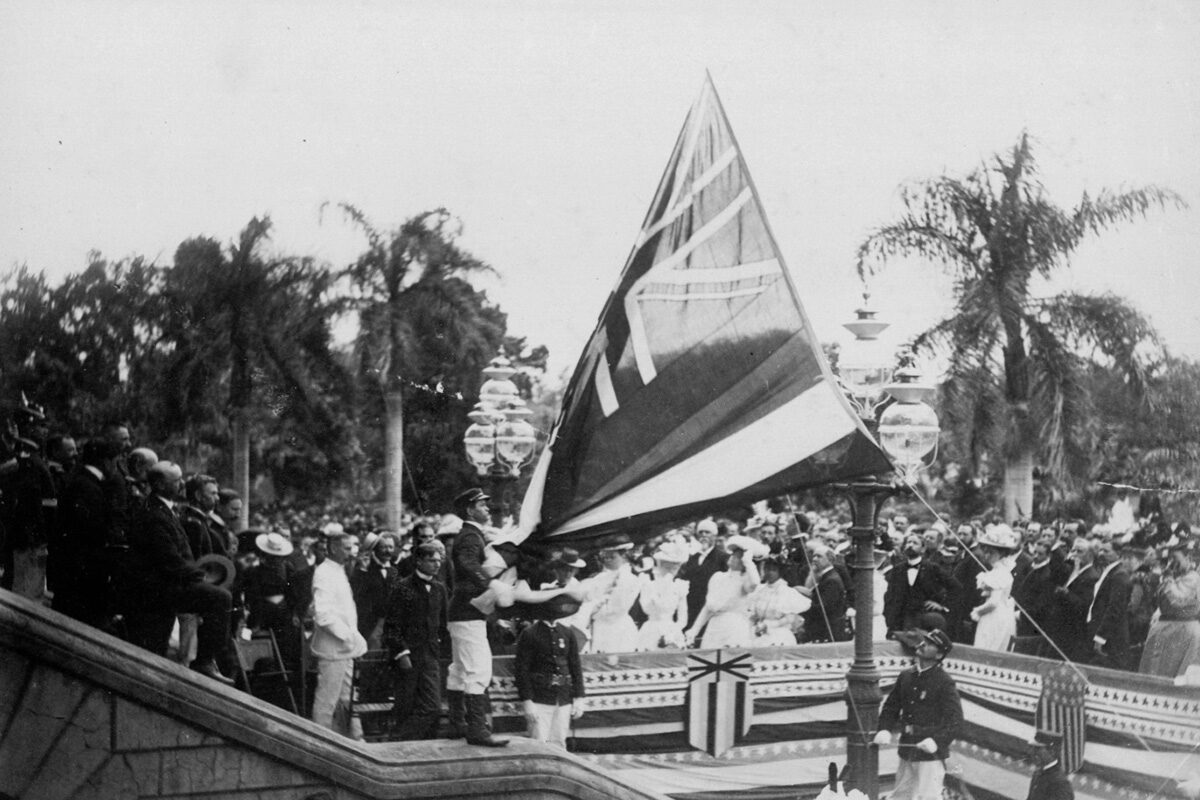
On July 7, 1898, President McKinley signed the Newlands Resolution, which formally annexed Hawaii to the United States. This act, however, was not achieved through a plebiscite or treaty, but rather through a joint resolution of Congress, a method that has been historically criticized for its lack of democratic legitimacy in the context of Hawaiian self-determination.
Following annexation, Hawaii officially became an unincorporated territory of the United States. This meant that the provisions of the U.S. Constitution did not automatically apply to Hawaii, and Congress retained significant authority over its governance. The Organic Act of 1900 formally established the territorial government of Hawaii, appointing a governor and establishing a territorial legislature.
Thus, the answer to “When Did Hawaii Become A Territory?” is 1898, through annexation. However, the Organic Act of 1900 solidified its status and established the framework for its governance as a U.S. Territory.
The Enduring Legacy of Territorial Status
The period of Hawaii’s territorial status lasted for over six decades, from 1898 until 1959, when it achieved statehood. During this time, Hawaii underwent significant social, economic, and political transformations. The sugar and pineapple industries flourished, attracting diverse labor forces from Asia and Europe, which contributed to Hawaii’s unique multicultural fabric.
Politically, Hawaii remained under the direct authority of Congress. While it had a territorial legislature and elected delegates to Congress, the U.S. President appointed the governor, and federal laws could be imposed without local consent. This power imbalance fostered a persistent desire for greater self-governance and eventual statehood.
The territorial era also witnessed significant developments in tourism. Hawaii’s breathtaking natural beauty, with its volcanic landscapes, pristine beaches, and lush rainforests, began to attract visitors from the mainland. Iconic landmarks like Diamond Head, the beaches of Waikiki, and the Pearl Harbor naval base became increasingly recognized. The development of infrastructure, including hotels and transportation networks, supported this burgeoning industry, laying the groundwork for the massive tourism sector that characterizes Hawaii today.
The history of Hawaii’s territorial status is a crucial chapter that continues to shape discussions about sovereignty, self-determination, and the relationship between indigenous peoples and colonial powers. For travelers and those interested in Hawaiian culture and history, understanding this period is essential for a deeper appreciation of the islands’ present-day identity. From the luxurious resorts lining Waikiki to the ancient cultural sites scattered across the islands, the legacy of territorial status is woven into the fabric of modern Hawaii.
LifeOutOfTheBox is a participant in the Amazon Services LLC Associates Program, an affiliate advertising program designed to provide a means for sites to earn advertising fees by advertising and linking to Amazon.com. Amazon, the Amazon logo, AmazonSupply, and the AmazonSupply logo are trademarks of Amazon.com, Inc. or its affiliates. As an Amazon Associate we earn affiliate commissions from qualifying purchases.