
The allure of the Hawaiian Islands is undeniable. With their sun-drenched beaches, lush volcanic landscapes, and vibrant Polynesian culture, it’s no wonder Hawaii remains a top destination for travelers seeking paradise. Whether you’re dreaming of surfing the legendary waves of the North Shore on Oahu, exploring the dramatic cliffs of the Na Pali Coast on Kauai, marveling at the active volcanoes of Hawaii Volcanoes National Park on the Big Island, or soaking up the sophisticated atmosphere of Maui, planning your trip involves considering various factors. Among the most crucial is understanding the weather patterns, particularly the hurricane season.
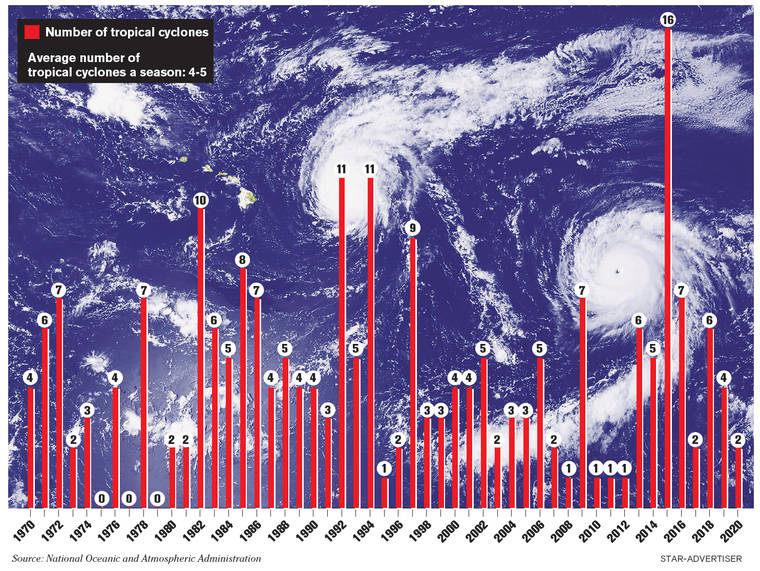
While Hawaii is renowned for its consistently pleasant climate, it’s not immune to tropical storms. Knowing when hurricane season officially occurs is vital for travelers to make informed decisions about their bookings, ensure they have adequate travel insurance, and pack appropriately for their Hawaiian vacation. This knowledge empowers you to optimize your travel experience, maximize your enjoyment of the attractions, and mitigate any potential disruptions.
Understanding Hawaii’s Tropical Storm Vulnerability
Hawaii sits in a unique geographical position in the Pacific Ocean, making it susceptible to tropical cyclones. Unlike the Atlantic or Gulf of Mexico, where hurricane seasons are well-defined and often associated with specific months, Hawaii’s storm activity can be more varied. The warm waters of the Pacific provide the energy for these powerful weather systems to form and intensify.
The Official Hurricane Season in Hawaii
The official hurricane season for Hawaii is designated as the period from June 1st to November 30th. During these months, the atmospheric conditions are most conducive to the development of tropical storms and hurricanes. This is a time when travelers should be particularly mindful of weather forecasts and heed any advisories issued by the National Hurricane Center.
However, it’s important to understand that while this is the officially recognized season, the peak of activity typically occurs later in the summer and into the early fall. The months of August, September, and October are historically when Hawaii has experienced its most significant tropical storm and hurricane encounters. This is due to the ocean temperatures being at their warmest and the prevailing atmospheric conditions being most favorable for storm development.
Beyond the Official Dates: Possibility of Out-of-Season Storms
While the June 1st to November 30th window covers the majority of potential tropical cyclone activity, Hawaii is not entirely free from the risk of storms outside of these months. Though exceedingly rare, tropical systems can occasionally form in December or May. These occurrences are exceptional and do not represent the typical pattern. Nonetheless, for the utmost preparedness, it’s always advisable to stay informed about weather patterns, especially if you are planning a trip during the shoulder months or close to the official season’s start or end.
The Central Pacific Hurricane Center (CPHC), based in Honolulu, is the primary agency responsible for monitoring and issuing alerts for tropical cyclones in the Hawaiian region. Their expertise and timely updates are invaluable for residents and visitors alike.
Preparing for Your Hawaiian Adventure: Travel Tips and Considerations
Knowing when hurricane season is for Hawaii is the first step; the next is to integrate this knowledge into your travel planning. Whether you’re booking a luxurious stay at the Four Seasons Resort Maui at Wailea, a family-friendly villa in Kaanapali, or a charming apartment in Honolulu, proactive preparation can ensure a seamless and enjoyable trip.
Timing Your Visit: Balancing Weather and Crowds
The months outside the official hurricane season, from December to May, are often considered the most popular times to visit Hawaii. This period generally offers calmer seas, lower humidity, and a reduced chance of significant weather disruptions. The holiday season, from December to early January, is a peak time for family trips and luxury travel, with many visitors seeking to escape colder climates. Following this, the winter months are ideal for whale watching on Maui and enjoying the big surf on Oahu’s North Shore.
The shoulder months, May and November, can offer a good compromise. You might find slightly lower prices and fewer crowds compared to the peak winter or summer seasons, while still experiencing generally favorable weather. However, these months are at the edges of the hurricane season, so keeping an eye on forecasts remains prudent.
The months of June, July, and August fall within the official hurricane season. While this period is characterized by warm temperatures and sunny skies, it also coincides with the potential for tropical storm activity. Many families opt for summer vacations during this time due to school breaks, leading to higher visitor numbers and potentially higher prices for hotels and flights. If you are traveling during these months, it is particularly important to monitor weather updates.
Booking with Confidence: Travel Insurance and Flexible Options
When planning a trip to Hawaii during or even near the hurricane season, investing in comprehensive travel insurance is highly recommended. This can provide a crucial safety net, covering unforeseen cancellations, interruptions, medical emergencies, and lost luggage due to severe weather events. Always read the policy details carefully to understand what is covered and what is excluded.
Furthermore, when booking your accommodation, whether it’s a resort like the Grand Hyatt Kauai Resort & Spa or a more secluded villa, look for flexible cancellation policies. Many hotels and rental agencies have adapted their policies to offer more leniency in the event of weather-related travel disruptions. This can provide peace of mind, allowing you to adjust your plans if necessary without significant financial penalty. Comparing booking options across different platforms can also help you find the best deals and most accommodating terms.

Packing Smart: Essentials for Any Weather
Regardless of the time of year you visit Hawaii, packing smart is key. Even outside of hurricane season, tropical showers can occur, so waterproof gear is always a good idea. For trips during the hurricane season, consider packing:
- Lightweight rain gear: A waterproof jacket or poncho is essential for unexpected downpours.
- Waterproof bags: To protect electronics and important documents.
- Comfortable, quick-drying clothing: Ideal for the humid climate.
- Sun protection: Sunscreen, hats, and sunglasses are vital year-round.
- First-aid kit: Including any personal medications.
- Portable power bank: In case of power outages.
- Copies of important documents: Such as passports, IDs, and insurance policies, stored separately from the originals.
For those interested in exploring Hawaii’s natural beauty, sturdy walking shoes are a must for hiking through lush rainforests or exploring volcanic craters. If you plan on water activities, consider packing a reusable water bottle and reef-safe sunscreen to protect the delicate marine ecosystems.
Experiencing the Islands Safely: What to Do During a Tropical Storm Watch or Warning
If a tropical storm or hurricane is projected to affect Hawaii during your visit, staying informed and taking necessary precautions is paramount. The National Oceanic and Atmospheric Administration (NOAA) and local emergency management agencies will provide continuous updates.
Understanding Alerts and Advisories
- Tropical Storm Watch: This means that tropical storm conditions are possible within the specified area, generally within 48 hours. It’s a signal to begin preparing your hurricane plan and monitoring the storm’s progress.
- Tropical Storm Warning: This indicates that tropical storm conditions are expected within the specified area, generally within 36 hours. Preparations should be completed, and protective actions should be taken.
- Hurricane Watch: Similar to a tropical storm watch, but for hurricane conditions.
- Hurricane Warning: This indicates that hurricane conditions are expected within the specified area, generally within 36 hours. It’s crucial to complete all protective actions as soon as possible.
Safety Measures and Evacuation
If a warning is issued for your location, follow the guidance of local authorities. This may include:
- Securing your accommodation: Close and board up windows and doors if instructed. Bring in any outdoor furniture or decorations that could become projectiles.
- Stocking up on essentials: Ensure you have enough non-perishable food, water, batteries, flashlights, and any necessary medications for at least 72 hours.
- Staying indoors: During the storm, remain in a safe place, away from windows.
- Evacuation: If an evacuation order is issued, leave immediately and follow the designated evacuation routes. Local officials will provide clear instructions on where to go. For those staying in hurricane-vulnerable areas or accommodations, consider booking alternative lodging further inland or in a more secure location if possible. Many luxury hotels and resorts have robust emergency plans in place, but prioritizing safety is always the top concern.
Hawaii has a well-established infrastructure for managing tropical weather events, and emergency services are prepared to assist residents and visitors. By staying informed, following official advisories, and taking sensible precautions, you can significantly enhance your safety and minimize any potential impact on your Hawaiian journey.
The Beauty of Hawaii Beyond the Storm Season
While understanding hurricane season is essential for preparedness, it’s crucial not to let it overshadow the incredible travel experiences that Hawaii offers year-round. The islands boast a wealth of attractions, from the historical significance of Pearl Harbor to the natural wonders of Maui’s Road to Hana and the iconic Diamond Head crater on Oahu.
Exploring Iconic Landmarks and Natural Wonders
Hawaii is a treasure trove of famous places and breathtaking nature. On the Big Island, you can witness the raw power of creation at Hawaii Volcanoes National Park, hike through emerald valleys, and snorkel in crystal-clear waters teeming with marine life. Kauai, the “Garden Isle,” captivates with its dramatic cliffs, lush rainforests, and cascading waterfalls, making it a paradise for hikers and nature lovers.
Maui offers a diverse range of experiences, from the stunning sunrise at Haleakala National Park to the charming towns along the Road to Hana. The beaches here are world-renowned, perfect for swimming, sunbathing, and water sports. Oahu, the “Gathering Place,” combines urban vibrancy with natural beauty. Here, you can explore the bustling city of Honolulu, learn about Hawaiian history at Iolani Palace, and experience the legendary surf breaks of the North Shore.

Immersing Yourself in Local Culture and Cuisine
A significant part of the Hawaiian experience is engaging with its rich local culture. Attend a traditional luau to savor authentic Hawaiian food, witness captivating hula performances, and learn about the islands’ Polynesian heritage. Explore local markets to discover unique crafts and taste tropical fruits like papayas, pineapples, and mangoes. The culinary scene in Hawaii is a delightful fusion of Asian, Polynesian, and American influences, offering everything from fresh seafood to traditional poke bowls.
Whether you are on a budget travel adventure or indulging in lifestyle experiences of luxury travel, Hawaii provides endless opportunities for discovery. By understanding the nuances of its climate, particularly hurricane season, you can plan a trip that is not only safe but also maximizes your enjoyment of this truly magical destination. Remember, careful planning and a flexible attitude are your best allies when exploring the beautiful Hawaiian Islands.
LifeOutOfTheBox is a participant in the Amazon Services LLC Associates Program, an affiliate advertising program designed to provide a means for sites to earn advertising fees by advertising and linking to Amazon.com. Amazon, the Amazon logo, AmazonSupply, and the AmazonSupply logo are trademarks of Amazon.com, Inc. or its affiliates. As an Amazon Associate we earn affiliate commissions from qualifying purchases.