
Hawaii, a Pacific paradise synonymous with sun-drenched beaches, volcanic landscapes, and vibrant local culture, also harbors a spectacular annual event: the migration of humpback whales. These majestic marine mammals grace the warm Hawaiian waters from late autumn through spring, transforming the islands into a premier destination for an unforgettable whale-watching experience. Deciding on the when is crucial for maximizing your chances of witnessing these gentle giants breach, slap their tails, and frolic in their breeding and calving grounds.
The prime season for whale watching in Hawaii generally spans from December to May. However, the peak viewing period, when the highest concentration of whales is typically observed, is between January and March. During these months, the waters surrounding the Hawaiian Islands become a bustling nursery and playground for thousands of humpback whales that journey from their feeding grounds in Alaska.
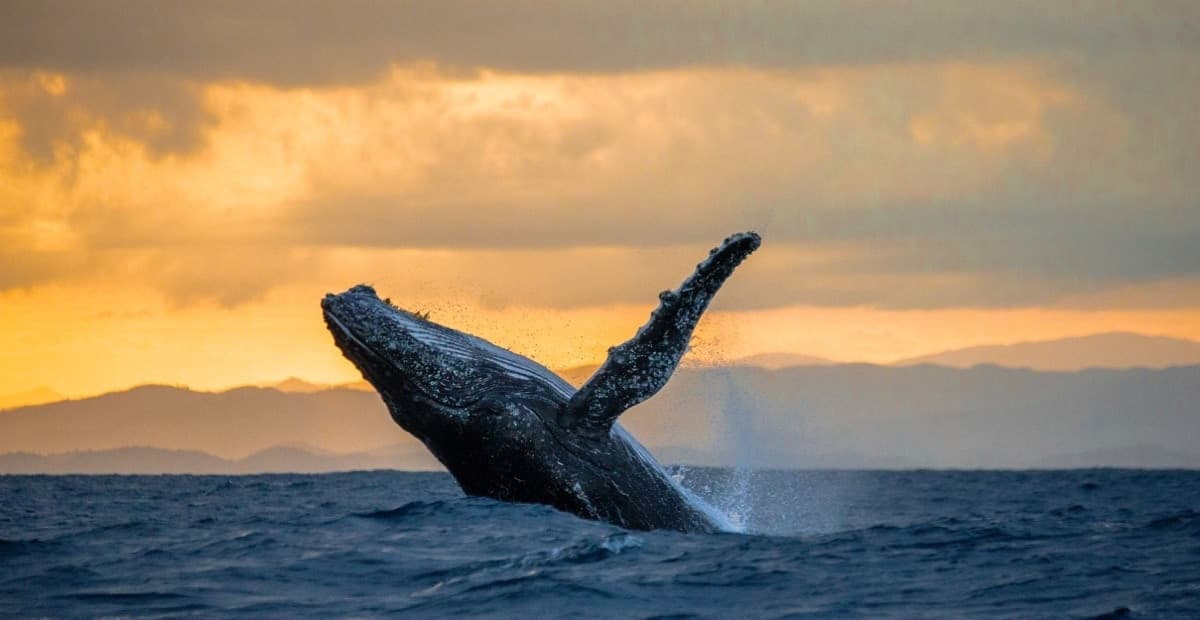
Understanding the Humpback Whale Migration
The awe-inspiring journey of the humpback whale is a testament to nature’s grand spectacles. Each year, these magnificent creatures undertake one of the longest migrations of any mammal, traveling thousands of miles to reach the relatively safer and warmer waters of Hawaii. They come to these islands for two primary reasons: to mate and to give birth.
Why Hawaii? A Natural Sanctuary
Hawaii’s shallow, warm waters provide an ideal environment for newborn calves, which are born with a thin layer of blubber insufficient to survive the colder waters of their northern feeding grounds. The sheltered bays and coasts of the islands offer protection from predators like orcas and sharks, allowing mothers to focus on nursing their young and regaining strength after their long journey. For prospective whale watchers, this congregation of whales, especially mothers with their calves, creates abundant opportunities for observation.
The geological features of the Hawaiian archipelago also play a role. The relatively shallow waters around the islands, particularly between Maui, Lanai, and Molokai, create a haven. This area, known as the Hawaiian Islands Humpback Whale National Marine Sanctuary, is specifically designated to protect these vulnerable creatures and their habitat. Within this sanctuary, mothers teach their calves essential survival skills, and adult whales engage in complex social behaviors, including courtship rituals and the famous whale songs.
Timing Your Whale Watching Adventure
While the general season is from December to May, understanding the nuances of the migration can help you plan the perfect trip.
Early Season (December – January)
As December arrives, the first whales begin to make their appearance in Hawaiian waters. While the numbers are not yet at their peak, this is an excellent time for whale watching for several reasons. The early arrivals often include more active males engaging in competitive behaviors, which can lead to spectacular displays. The waters are also generally calmer than in the later months, offering clearer viewing conditions. For those who prefer a less crowded experience, visiting in December or early January can be advantageous. Many whale watching tours begin operating in full force by mid-December, and operators are eager to share the excitement of the initial sightings.
Peak Season (January – March)
This period represents the heart of the whale watching season. The sheer number of humpback whales in Hawaiian waters is at its highest during these months. You are almost guaranteed to see whales, and the likelihood of witnessing dramatic behaviors like breaching, tail slapping, and fluke slapping is significantly increased. The energy of the ocean is palpable, with the constant presence of these enormous animals. This is the most popular time for whale watching tours, and bookings for accommodations and excursions should be made well in advance to secure the best options. Popular islands for this peak viewing include Maui, Oahu, and the Big Island (Hawaii Island).
Late Season (April – May)
As the waters begin to warm and spring approaches, the whales start their journey back north. However, a significant number still linger in Hawaii, particularly mothers and their calves who need a little more time to prepare for the long swim back to Alaska. April still offers excellent whale watching opportunities, though the numbers may have slightly dwindled compared to the peak months. The weather in April is often superb, with sunny days and gentle breezes, making for comfortable excursions. May sees the last of the whales departing, so if you’re looking for a quieter, less crowded experience with still-good chances of sightings, early May can be a good option, though sightings become less frequent as the month progresses.
Best Locations for Whale Watching in Hawaii
Each Hawaiian island offers unique advantages for whale watching, catering to different preferences and travel styles.
Maui: The Whale Watching Capital
Maui is undeniably the undisputed champion of whale watching in Hawaii. Its western and southern coastlines, particularly the waters between Maui, Lanai, and Molokai, are part of the Hawaiian Islands Humpback Whale National Marine Sanctuary. This sheltered area is a primary breeding and calving ground for humpback whales.
- West Maui: Areas like Ka’anapali and Lahaina offer excellent vantage points from shore, with many whales seen just a few hundred yards offshore. Boat tours departing from Ma’alaea Harbor and Lahaina Harbor are abundant and highly recommended for an up-close experience. The visibility from land is good, but a boat tour allows you to get much closer to the action.
- South Maui: Resorts and beaches in Kihei and Wailea also provide opportunities for shore-based sightings, especially during the peak season. Whale watching tours from Ma’alaea Harbor are also convenient for those staying in South Maui.

Oahu: The Gathering Place for Whales and People
Oahu, known as “The Gathering Place,” also attracts a significant number of humpback whales. While not as concentrated as off Maui, whale watching is still a popular activity here.
- South Shore: From Honolulu and Waikiki, whale watching tours depart, taking you into the offshore waters. The visibility can be excellent on clear days.
- North Shore: While famous for its winter surf, the calmer waters in the early and late parts of the season can also yield sightings. However, the concentration of whales is generally lower than on the leeward side of Maui.
Big Island (Hawaii Island): Diverse Viewing Opportunities
The Big Island offers a different perspective on whale watching. The waters around the island are deeper, and humpback whales are often seen further offshore compared to Maui.
- Kona Coast: The west coast of the Big Island, particularly the waters off Kailua-Kona, is a prime spot. Tours often depart from Kailua-Kona Pier. The deep waters here attract whales who are often seen traveling or engaged in mating activities.
- South Point: The waters near South Point, the southernmost tip of the United States, are also known for whale sightings.
Kauai: The Garden Isle’s Gentle Giants
Kauai, the “Garden Isle,” offers a more serene whale watching experience. While the number of whales might be less than on Maui, the stunning natural beauty of Kauai provides a picturesque backdrop for your encounters.
- South Shore: Areas like Poipu can offer shore-based sightings, especially during the peak season. Boat tours departing from Port Allen or Nawiliwili Harbor are a great way to explore the waters and increase your chances of seeing whales, dolphins, and other marine life.
Planning Your Whale Watching Experience
To ensure a successful and enjoyable whale watching trip, careful planning is essential.
Choosing the Right Tour
The variety of whale watching tours available in Hawaii can be overwhelming. Consider the following when making your choice:
- Type of Vessel: Tours range from large, stable catamarans to smaller, faster zodiac boats. Catamarans offer a more comfortable ride and often have amenities like restrooms and shaded areas, making them ideal for families or those prone to seasickness. Zodiacs provide a more exhilarating, up-close experience and can often get closer to the whales due to their smaller size and maneuverability.
- Duration: Tours typically range from 2 to 4 hours. Longer tours may offer a better chance of multiple sightings and a more comprehensive experience.
- Operator Reputation: Research tour operators and read reviews to ensure you choose a reputable company that prioritizes responsible whale watching practices. Look for operators who adhere to guidelines that minimize disturbance to the whales.
- Inclusions: Some tours may include snorkeling, refreshments, or onboard naturalists who can provide educational insights into whale behavior and biology.
Best Practices for Whale Watching
To make the most of your whale watching adventure and to ensure the safety and well-being of the whales, follow these best practices:
- Respect the Whales’ Space: Adhere to the regulations set forth by the Hawaiian Islands Humpback Whale National Marine Sanctuary and tour operators. Maintain a safe distance from the whales, typically 100 yards, and avoid sudden movements or loud noises that could startle them.
- Stay Seated: During the tour, it is often recommended to stay seated to avoid falling and to minimize disturbance to the animals.
- Listen to Your Naturalist: The onboard naturalists are knowledgeable and can help you identify different whale behaviors and provide fascinating information.
- Be Patient: While whales are abundant during the season, they are wild animals, and sightings are not guaranteed. Patience is key, and sometimes the most memorable sightings come after a period of quiet observation.
- Bring Binoculars: While not essential, binoculars can enhance your viewing experience, allowing you to observe finer details of the whales’ anatomy and behavior from a distance.
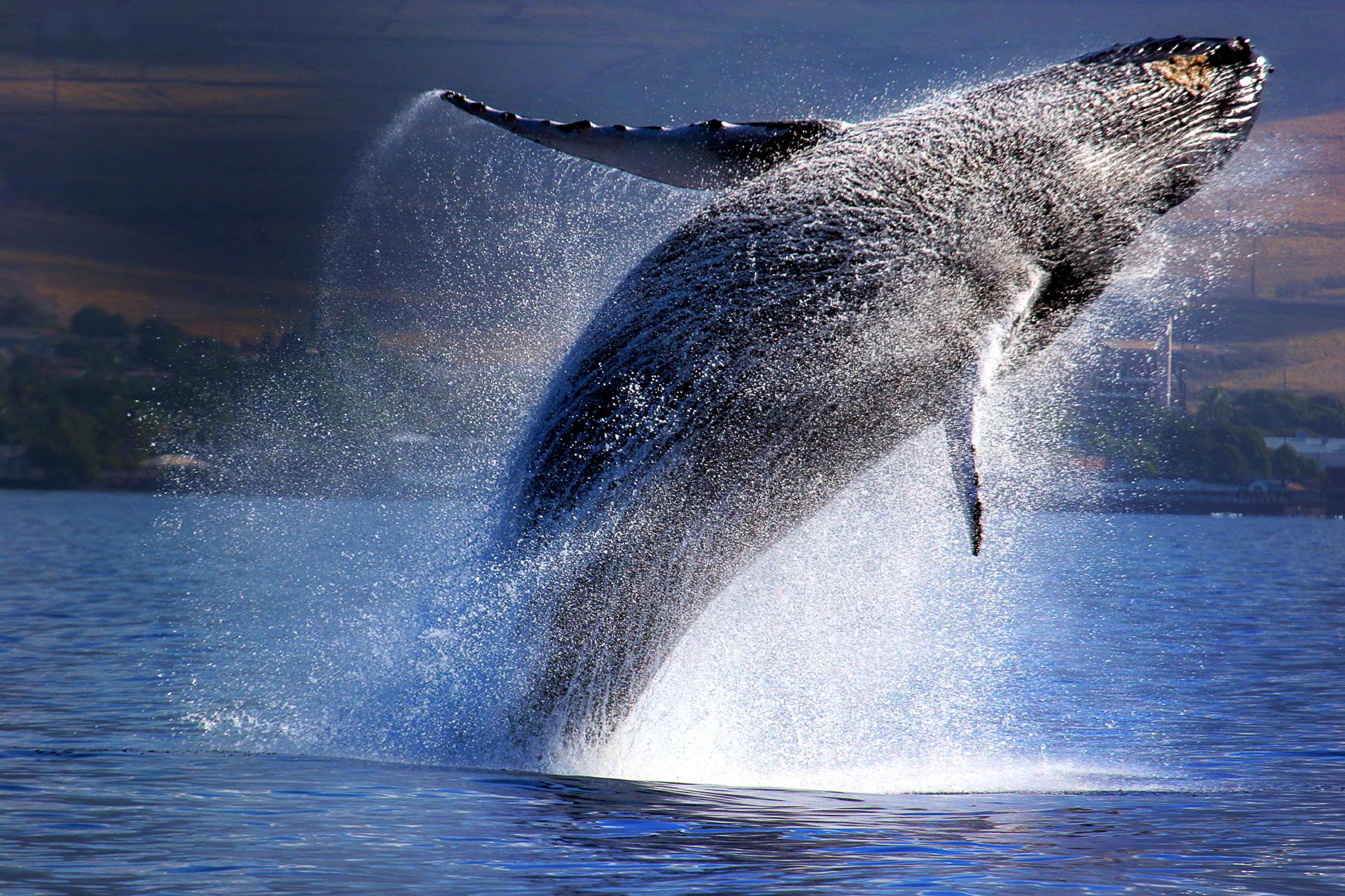
Beyond the Boat: Land-Based Whale Watching
For those who prefer to stay on solid ground, there are still opportunities for whale watching in Hawaii. Many popular beaches and coastal lookouts offer excellent vantage points, especially during the peak season.
- Maui: ʻAhihi-Kinaʻu Natural Area Reserve and various points along the Honoapiʻilani Highway on the west side offer good visibility. Even from your resort balcony in areas like Ka’anapali or Wailea, you might spot whales.
- Oahu: Makapu’u Point Lookout on the southeast coast and some elevated areas along the southern shore can provide opportunities for spotting whales, particularly mothers and calves.
- Big Island: The coastline near Kailua-Kona and scenic lookouts along the Queen Ka’ahumanu Highway can also yield sightings.
When planning your trip to the enchanting islands of Hawaii, consider timing your visit between December and May for the best chance to witness the incredible spectacle of humpback whales. Whether you choose an exhilarating boat tour or a more leisurely shore-based observation, the experience of seeing these magnificent creatures in their natural habitat is truly unforgettable and a highlight of any Hawaiian vacation.
LifeOutOfTheBox is a participant in the Amazon Services LLC Associates Program, an affiliate advertising program designed to provide a means for sites to earn advertising fees by advertising and linking to Amazon.com. Amazon, the Amazon logo, AmazonSupply, and the AmazonSupply logo are trademarks of Amazon.com, Inc. or its affiliates. As an Amazon Associate we earn affiliate commissions from qualifying purchases.