
The question of when Hawaii was “discovered by America” is a complex one, steeped in historical nuance and differing perspectives. It’s crucial to understand that the arrival of Europeans and subsequent American influence marked a dramatic turning point for the indigenous Hawaiian people, who had already inhabited these islands for centuries. To speak of “discovery” in the context of America arriving implies a land devoid of prior inhabitants, which was far from the truth. Instead, it’s more accurate to examine the timeline of American involvement and annexation, which ultimately led to Hawaii’s incorporation into the United States.
The Arrival of the First Hawaiians and Early European Encounters
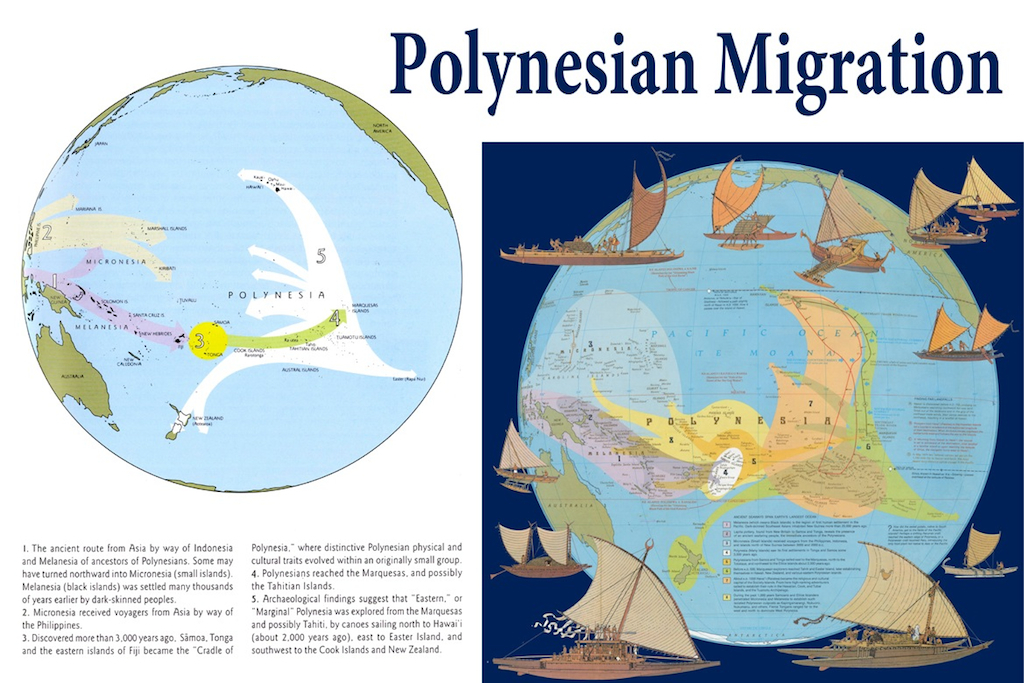
Before any American ships, or even European ones, set foot on the shores of Hawaii, the islands were already a vibrant, self-sustaining society. The first settlers are believed to have arrived from the Marquesas Islands around 300-600 AD, navigating the vast expanse of the Pacific Ocean in sophisticated double-hulled canoes. Over centuries, these voyagers developed a rich and complex culture, with a deep understanding of their environment, intricate social structures, and unique spiritual practices. They established thriving communities, cultivated the land, and developed a sophisticated system of governance and resource management.
The first recorded sighting of the Hawaiian Islands by a European was on January 18, 1778, by the British explorer Captain James Cook. He named them the Sandwich Islands in honor of his patron, the Earl of Sandwich. Cook’s arrival was a watershed moment, introducing the islands to the wider world and marking the beginning of significant cultural and political shifts. While Cook was the first European to document his encounter, it’s important to remember that the islands were already home to a flourishing civilization. Cook’s initial interactions with the Hawaiians were largely peaceful, though tragic events would later unfold, including his death on the island of Hawaii in 1779 during a dispute over a stolen boat.
Following Cook’s voyage, other European explorers and traders began to visit the islands, bringing with them new technologies, diseases, and ideas. These encounters initiated a period of profound change, as the Hawaiian society grappled with the influx of foreign influences. The introduction of European diseases, to which the Hawaiians had no immunity, had a devastating impact on the population.
The Growing American Influence and the Seeds of Annexation
American involvement in Hawaii began in the early 19th century, primarily through whaling and missionary activities. Whaling ships from New England found the waters around Hawaii to be rich fishing grounds, and the islands became an important provisioning stop for these long voyages. American missionaries arrived in Hawaii in 1820, seeking to convert the indigenous population to Christianity. They played a significant role in shaping Hawaiian society, introducing Western education, legal systems, and economic practices. While the missionaries often framed their work as altruistic, their influence also contributed to the erosion of traditional Hawaiian customs and land ownership structures.
Over the following decades, American economic interests in Hawaii grew substantially. Sugar plantations, often owned by American businessmen and families, became the dominant industry. These plantations relied heavily on imported labor, leading to the arrival of workers from China, Japan, Portugal, and other parts of Asia and Europe, further diversifying the islands’ population and culture.
The political landscape of Hawaii was also increasingly influenced by American interests. The Hawaiian monarchy, though still in power, faced growing pressure from American businessmen and diplomats who sought greater control over the islands’ economy and politics. Treaties were negotiated that favored American trade and immigration, and the United States began to assert its strategic importance in the Pacific.

A pivotal moment came in 1887 with the signing of the Bayonet Constitution. This constitution, imposed on King Kalākaua under duress, significantly reduced the powers of the monarchy and granted substantial political rights to American and European residents, while disenfranchising many native Hawaiians. This event is often seen as a crucial step towards the eventual overthrow of the monarchy and the annexation of Hawaii by the United States.
The Overthrow of the Monarchy and the Republic of Hawaii
The late 19th century saw growing resentment among native Hawaiians over the diminishing of their sovereignty and the increasing power of American business interests. This culminated in the overthrow of Queen Liliʻuokalani, the last reigning monarch of the Kingdom of Hawaii, on January 17, 1893. The overthrow was orchestrated by a group of American and European businessmen, with the tacit support of U.S. Minister John L. Stevens, who landed U.S. Marines from the USS Boston to protect American property and lives, though their role in the coup itself remains a subject of historical debate.
Following the overthrow, a Provisional Government was established, led by Sanford B. Dole, a prominent American businessman. The Provisional Government’s primary goal was the annexation of Hawaii by the United States. Initial attempts at annexation were met with resistance from President Grover Cleveland, who viewed the overthrow as an act of illegal aggression and ordered the withdrawal of U.S. troops. However, with the election of President William McKinley, who was more favorable to expansionist policies, the push for annexation gained renewed momentum.
In 1894, the Republic of Hawaii was established, with Dole as its first and only president. This republic was essentially a transitional government designed to pave the way for formal annexation. The republic maintained control over Hawaii, actively lobbying the U.S. Congress to approve annexation.
Annexation and Statehood: Hawaii Becomes Part of the United States
The Spanish-American War in 1898 provided the political climate and strategic imperative for the United States to annex Hawaii. With its strategic location in the Pacific, Hawaii was seen as a crucial coaling station and naval base for the U.S. Navy in its operations in the Philippines and throughout the region. On July 7, 1898, President McKinley signed the Newlands Resolution, which annexed Hawaii as a territory of the United States. The resolution was controversial, as it bypassed a treaty and was passed by a simple majority in Congress, despite considerable opposition.
For nearly six decades, Hawaii remained a U.S. territory, governed by appointed officials from Washington D.C.. During this period, the islands continued to develop their economy, with sugar and pineapple plantations dominating the landscape. The diverse population, shaped by waves of immigration, contributed to the unique cultural tapestry of Hawaii. The territory also played a vital role in World War II, particularly following the devastating Japanese attack on Pearl Harbor on December 7, 1941, which propelled the United States into the war.
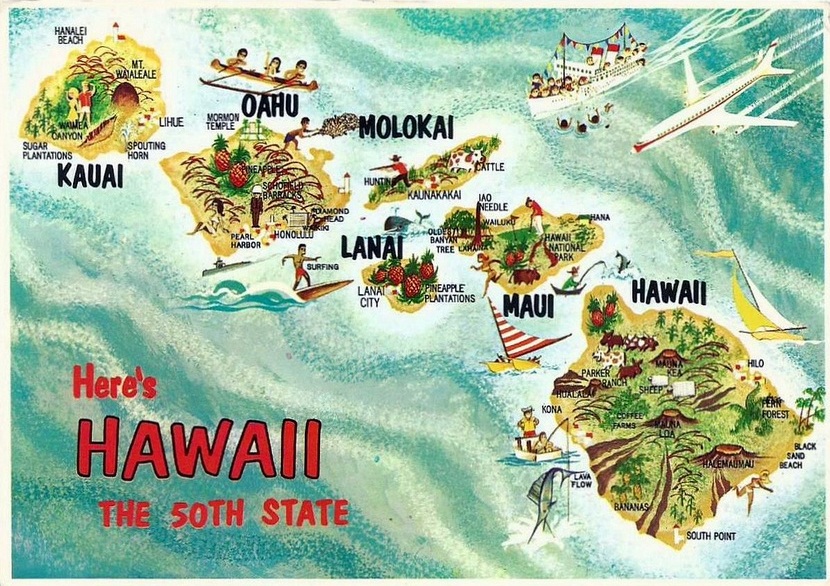
The movement for statehood gained considerable traction in the post-war years. Hawaiians, many of whom had served in the U.S. military, felt they had earned the right to full representation and equal standing within the United States. After numerous attempts and considerable political debate, Hawaii was finally admitted as the 50th state of the United States on August 21, 1959. This marked the culmination of a long and complex historical process, transforming the once-independent Kingdom of Hawaii into an integral part of the American nation.
The “discovery” of Hawaii by America, therefore, isn’t a single date but rather a protracted process of increasing influence, intervention, and eventual annexation. It’s a story that underscores the importance of understanding indigenous histories and the often-fraught interactions between colonizing powers and established societies. For travelers today, Hawaii offers a breathtaking blend of natural beauty, from its volcanic landscapes and pristine beaches to its lush rainforests, and a rich cultural heritage that continues to evolve, a testament to the resilience and enduring spirit of its people. Exploring iconic landmarks like Diamond Head or experiencing the vibrant local cuisine provides a deeper appreciation for this unique island paradise and its fascinating journey through history.
LifeOutOfTheBox is a participant in the Amazon Services LLC Associates Program, an affiliate advertising program designed to provide a means for sites to earn advertising fees by advertising and linking to Amazon.com. Amazon, the Amazon logo, AmazonSupply, and the AmazonSupply logo are trademarks of Amazon.com, Inc. or its affiliates. As an Amazon Associate we earn affiliate commissions from qualifying purchases.