
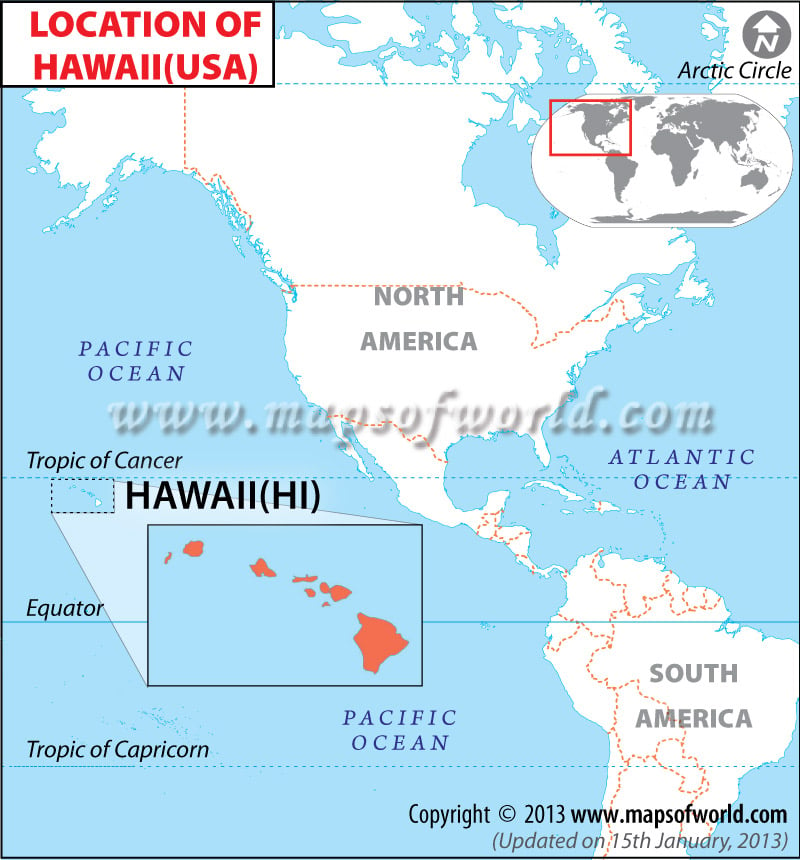
Hawaii, a name that evokes images of sun-kissed beaches, lush volcanic landscapes, and the gentle rhythm of the Pacific, is a dream destination for many. But beyond the postcard-perfect scenes, a fundamental question often arises: Where on the map is Hawaii? This archipelago, a string of islands shimmering in the vast blue expanse of the Pacific Ocean, holds a unique geographical and cultural position that sets it apart. Understanding its location is the first step to unlocking the incredible travel experiences it offers.
Hawaii is not just a single island but a collection of over 130 islands, islets, and atolls, stretching over 1,500 miles. However, the eight major islands are the ones most commonly associated with the state: the Island of Hawaii (often called the Big Island), Maui, Oahu, Kauai, Molokai, Lanai, Niihau, and Kahoolawe. Geographically, Hawaii is situated in the mid-Pacific, approximately 2,300 miles west of San Francisco, California, and about 3,800 miles southeast of Tokyo, Japan. This remote location is precisely what contributes to its distinct biodiversity and unique cultural heritage.
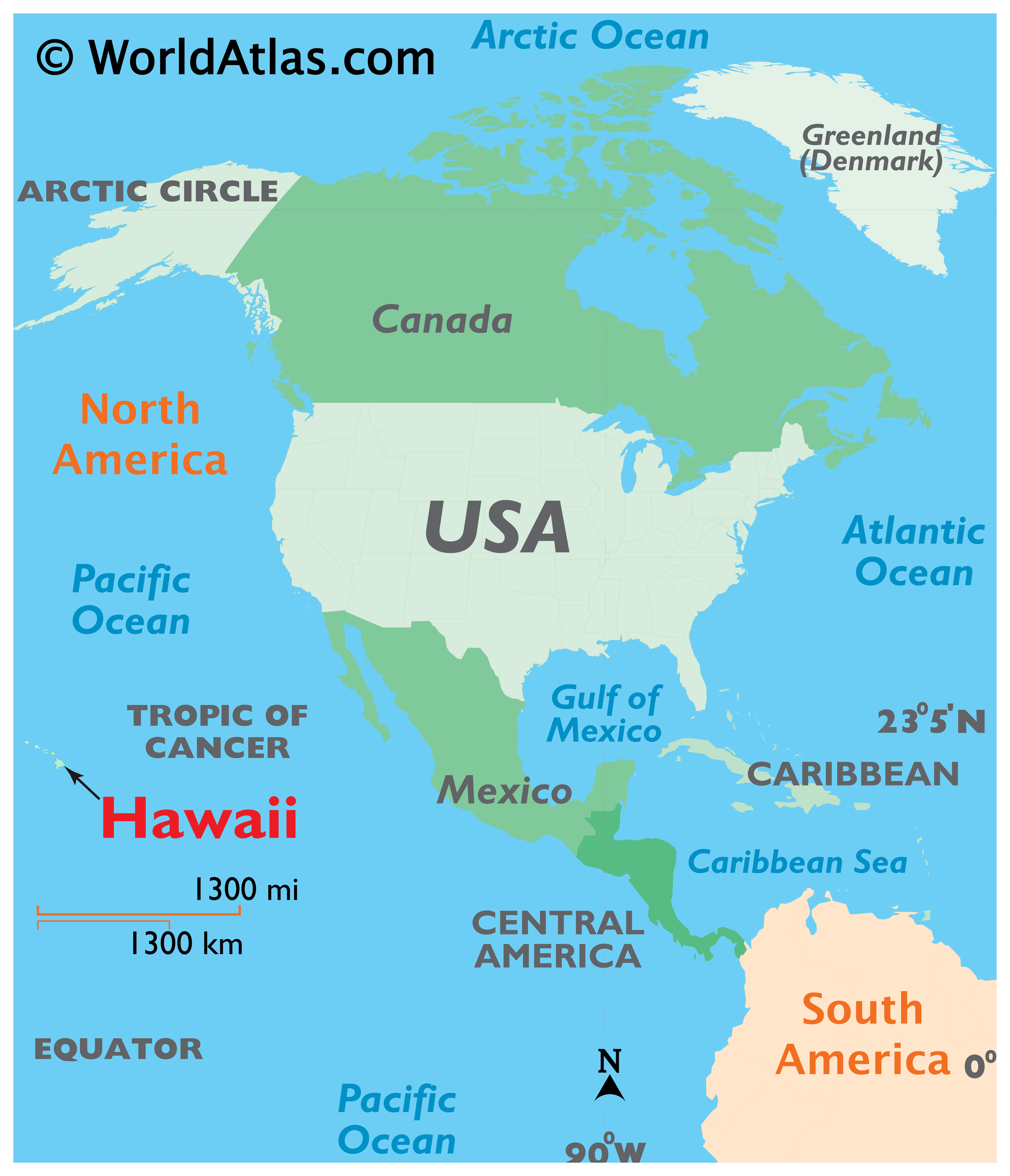
As a United States state, Hawaii is the westernmost state and the only one located in Oceania. It is the northernmost island group in Polynesia, a vast triangular region of the Pacific Ocean encompassing thousands of islands. This placement places it at a fascinating crossroads of cultures, influences, and geographical phenomena.
Discovering the Archipelago: A Guide to Hawaii’s Islands
When planning a trip to this tropical paradise, understanding the individual character of each major island is crucial for crafting the perfect itinerary. Each island offers a distinct flavor, catering to different travel styles and interests, from the adrenaline-fueled adventurer to the laid-back sun-seeker.
The Island of Hawaii (The Big Island)
The Island of Hawaii, more commonly known as the Big Island, is a land of dramatic contrasts. As the youngest and largest island in the chain, it boasts an astonishing array of landscapes, shaped by its active volcanoes. Here, you can witness the raw power of creation at Hawaii Volcanoes National Park, where the Kilauea volcano continues to shape the island. The stark black lava fields meet verdant rainforests, snow-capped mountains (Mauna Kea and Mauna Loa), and pristine white, black, and even green sand beaches.
Travel on the Big Island is an adventure in itself. Visitors can explore the charming historic town of Hawi on the North Kohala coast, or delve into the paniolo (Hawaiian cowboy) culture in Waimea. For stargazing enthusiasts, the summit of Mauna Kea offers unparalleled views of the night sky, with world-class observatories perched high above the clouds. The island’s diverse microclimates mean you can experience everything from arid desert-like conditions to lush tropical rainforests within a relatively short drive.
When it comes to Accommodation, the Big Island offers a wide spectrum. You’ll find luxury resorts in areas like Kohala Coast, providing opulent suites and a plethora of amenities. For those seeking a more intimate experience, charming bed and breakfasts and vacation rentals are scattered across the island, allowing for longer-term stays and a deeper immersion into local life.
Oahu: The Heart of Hawaii
Oahu, often referred to as “The Gathering Place,” is the most populated and developed of the Hawaiian Islands. It’s where the vibrant energy of Honolulu, the state capital, meets the iconic surf breaks of the North Shore. For many travelers, Oahu is their first introduction to Hawaii, and it offers a quintessential blend of urban excitement and natural beauty.
Attractions on Oahu are plentiful and diverse. Waikiki Beach, with its gentle waves and backdrop of the majestic Diamond Head crater, is a global icon. Beyond the bustling sands of Waikiki, history buffs can explore the poignant Pearl Harbor National Memorial, a crucial site in World War II history. The North Shore is legendary among surfers for its colossal waves during the winter months, attracting professional surfers from around the globe to iconic breaks like Banzai Pipeline and Waimea Bay.
Tourism on Oahu thrives on its accessibility and variety. Visitors can easily explore historical sites like Iolani Palace, the only royal palace in the United States, and the King Kamehameha Statue. The island also offers fantastic activities like hiking to the summit of Diamond Head for panoramic views, snorkeling at Hanauma Bay Nature Preserve, or immersing oneself in the Polynesian culture at the Polynesian Cultural Center. Local culture is palpable, from the lively street performers in Honolulu to the traditional luaus that offer a taste of Hawaiian food and entertainment.
Hotels on Oahu range from world-renowned resorts and luxury villas in Waikiki to boutique hotels and budget-friendly apartments throughout the island. Booking a stay here is straightforward, with countless options for comparison and reviews to guide your choice, whether for a short getaway or a more extended long-term stay.
Maui: The Valley Isle
Maui, the “Valley Isle,” is renowned for its breathtaking natural beauty and romantic ambiance. It’s an island that appeals to those seeking both relaxation and adventure, offering a sophisticated yet laid-back lifestyle.
One of Maui‘s most celebrated landmarks is the Road to Hana, a legendary scenic drive that winds through lush rainforests, past cascading waterfalls, and along dramatic coastal cliffs. The journey is as much about the destination as it is about the stops along the way, offering opportunities to discover hidden beaches and vibrant tropical flora. Another must-see is Haleakala National Park, home to the dormant Haleakala volcano. Witnessing the sunrise from its summit, above a sea of clouds, is an unforgettable experience.
Maui also boasts some of the world’s most beautiful beaches, including Ka’anapali Beach and Wailea Beach, perfect for swimming, sunbathing, and water sports. For whale watching enthusiasts, the waters off Maui are a prime location to spot humpback whales during their winter migration. The charming historic town of Lahaina offers a glimpse into Hawaii‘s whaling past, with its unique architecture and thriving art scene.
Accommodation on Maui caters to every desire. From lavish resorts with world-class amenities to intimate boutique hotels and private villas, there are options to suit luxury travel and more modest budgets alike. Many hotels offer special packages for family trips and romantic getaways, making it an ideal destination for honeymoons and anniversaries.
Kauai: The Garden Isle
Kauai, the “Garden Isle,” lives up to its name with its dramatic cliffs, verdant valleys, and pristine natural beauty. It is the oldest of the main Hawaiian Islands, and its rugged landscapes have been shaped by millennia of erosion, creating some of the most spectacular scenery in the Pacific.
The Napali Coast is Kauai‘s most iconic landmark, a breathtaking stretch of towering sea cliffs that plunge into the turquoise ocean. Accessible primarily by boat, helicopter, or a challenging hike, the Napali Coast offers unparalleled views and a sense of remote wildness. Inland, the Waimea Canyon, often called the “Grand Canyon of the Pacific,” is a sight to behold, with its deep ravines and vibrant red earth.
Kauai is a haven for outdoor enthusiasts. Activities abound, including hiking through lush trails, kayaking along the Wailua River, or exploring the numerous waterfalls that dot the island. The island’s relatively undeveloped nature preserves its natural charm, offering a more tranquil and immersive experience for visitors seeking to connect with nature.
When considering Accommodation on Kauai, you’ll find a range of choices that complement its natural allure. From upscale resorts nestled along the coast to cozy vacation rentals and charming inns, the island offers options for all types of travel. The lifestyle here often leans towards eco-tourism and appreciating the serene beauty that surrounds you.
Planning Your Hawaiian Adventure: Practical Tips
Navigating the unique geography of Hawaii requires a bit of planning, especially when it comes to inter-island travel and understanding the best times to visit. The islands are spread out, and while they are all part of the same state, each has its own distinct climate and seasonal attractions.
Inter-Island Travel and Best Times to Visit
The most efficient way to travel between the main Hawaiian Islands is by plane. Numerous short, frequent flights connect major airports on Oahu, Maui, the Big Island, and Kauai. These flights are typically operated by Hawaiian Airlines, making island hopping a seamless part of your travel experience. While the islands are relatively close, driving between them is not an option.
When deciding on the best time to visit, consider that Hawaii enjoys a pleasant climate year-round. However, there are subtle differences. The winter months (December to March) are popular due to warmer temperatures and the chance to witness whale migrations, particularly off the coast of Maui. This is also peak surf season on the North Shore of Oahu. The summer months (June to September) offer drier weather and calmer ocean conditions, making them ideal for water activities like snorkeling and diving across all the islands. Spring and fall are often considered shoulder seasons, offering a good balance of favorable weather and fewer crowds.

Embracing the Aloha Spirit: Culture and Etiquette
Hawaii is more than just stunning scenery; it’s a place rich in local culture and traditions. The “Aloha Spirit” is a cornerstone of Hawaiian life, encompassing love, peace, compassion, and respect. Embracing this spirit will enhance your experience. Learning a few basic Hawaiian phrases, such as “Aloha” (hello, goodbye, love) and “Mahalo” (thank you), is always appreciated by locals.
Respecting the land (ʻāina) is paramount. Many sacred sites and natural areas are revered by Native Hawaiians. It’s important to tread lightly, avoid disturbing natural habitats, and always follow posted guidelines. When visiting landmarks or historical sites, understanding their significance and treating them with reverence is key to responsible tourism.
Engaging with Hawaiian food is another essential part of the cultural immersion. From traditional luaus featuring kalua pig and poi to local plate lunches and fresh seafood, the culinary scene is diverse and delicious. Exploring local farmers’ markets and trying regional specialties will give you a true taste of the islands. Whether you’re seeking adventure, relaxation, or cultural enrichment, Hawaii offers an unparalleled destination that will undoubtedly leave a lasting impression.
LifeOutOfTheBox is a participant in the Amazon Services LLC Associates Program, an affiliate advertising program designed to provide a means for sites to earn advertising fees by advertising and linking to Amazon.com. Amazon, the Amazon logo, AmazonSupply, and the AmazonSupply logo are trademarks of Amazon.com, Inc. or its affiliates. As an Amazon Associate we earn affiliate commissions from qualifying purchases.