
Lanai, the sixth-largest of the Hawaiian Islands, stands as a unique jewel in the Pacific. Often referred to as the “Pineapple Island” due to its historical agricultural dominance, Lanai presents a stark contrast to its more bustling neighbors like Oahu and Maui. Its allure lies in its serene tranquility, pristine natural beauty, and an exclusive atmosphere that has long captivated travelers seeking an escape from the ordinary. However, beneath this veneer of untouched paradise lies a fascinating story of ownership, a narrative that has significantly shaped the island’s development and its present-day identity. The question of “Who Owns Lanai Island, Hawaii?” is not a simple one, as it involves significant private holdings and a complex history that has seen the island pass through the hands of influential individuals and corporations.
A History of Transformation: From Agricultural Hub to Luxury Retreat
The story of Lanai‘s ownership is intrinsically linked to its economic evolution. For much of the 20th century, the island was overwhelmingly dominated by a single entity: the Castle & Cooke corporation, which cultivated vast pineapple plantations that once covered nearly 98% of the island. This era defined Lanai‘s identity, earning it the moniker “Pineapple Island” and shaping its rural, agricultural landscape. The lives of many residents were directly tied to the rhythms of the pineapple harvest, creating a unique island culture.
The Pineapple Era: Castle & Cooke’s Dominance
Under the stewardship of Castle & Cooke, Lanai became a testament to agricultural enterprise. The company managed nearly all aspects of island life, from housing and utilities to the very economic engine of the community. While this brought employment and a structured way of life, it also meant a singular focus on a single crop. The decline of the global pineapple market in the late 20th century signaled a turning point for Lanai, prompting a need for economic diversification and a re-evaluation of the island’s future. This shift paved the way for a new chapter in Lanai‘s ownership, one that would usher in a different kind of development, focusing on luxury tourism and exclusive experiences.
The Oracle of Lanai: Larry Ellison’s Vision
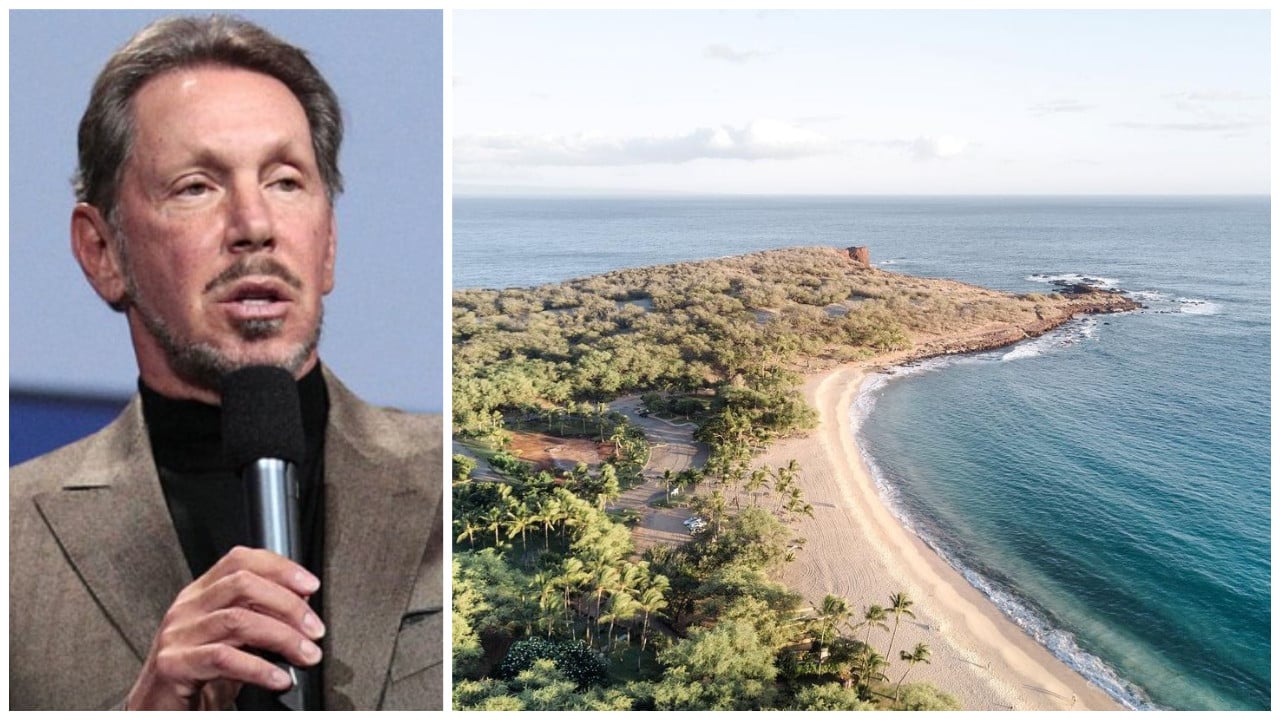
The most significant recent chapter in Lanai‘s ownership story began in 2012 when Larry Ellison, co-founder and chairman of Oracle, purchased 98% of the island from Castle & Cooke for a reported $300 million. This acquisition was groundbreaking, making one of the world’s wealthiest individuals the primary steward of this Hawaiian island. Ellison‘s vision for Lanai was not to replicate the mass tourism models of other islands, but rather to cultivate a sustainable, luxurious, and environmentally conscious destination. His investment has been directed towards upgrading existing infrastructure, revitalizing the island’s two main resorts, and developing new initiatives aimed at preserving its natural beauty and supporting its local community.
Ellison’s influence is palpable. He has focused on sustainable agriculture, renewable energy, and preserving Lanai‘s unique ecological heritage. The aim is to create an exclusive sanctuary that offers unparalleled experiences while maintaining a deep respect for the island’s environment and culture. This approach sets Lanai apart, attracting a discerning clientele who appreciate its tranquility and commitment to responsible tourism.
Lanai’s Current Ownership Landscape: A Blend of Private and Public
While Larry Ellison holds the vast majority of the island, it’s important to acknowledge that Lanai is not entirely under a single private ownership. A small portion of the island, including significant residential areas and some commercial enterprises, remains privately owned by other individuals and entities. Furthermore, the Hawaiian state maintains public access to certain lands and beaches, ensuring that the island’s natural wonders are accessible to all visitors.
The Role of Private Ownership in Shaping Lanai’s Identity
The concentrated private ownership, particularly by Larry Ellison, has allowed for a cohesive and ambitious development strategy. This singular vision has enabled significant investments in infrastructure, hospitality, and environmental conservation. The revitalization of the Four Seasons Resorts Lanai at Manele Bay and the Four Seasons Resort Lanai, The Lodge at Koele (which underwent a significant renovation and reopened as Sensei Lanai, A Four Seasons Resort) are prime examples of this. These luxury accommodations are central to Lanai‘s transformation into a high-end travel destination, attracting visitors who seek privacy, exclusivity, and world-class amenities.

The focus on luxury travel and lifestyle on Lanai is evident. This attracts a specific demographic, allowing for a more curated and controlled tourism experience. The island is not aiming for mass appeal but rather for those who appreciate its understated elegance, its natural beauty, and its commitment to a refined travel experience.
Public Lands and Local Communities
Despite the dominant private ownership, Lanai is still home to a vibrant local community, primarily centered in the town of Lanai City. The Hawaiian government and various non-profit organizations also play a role in managing public lands, ensuring access to natural attractions like Hulopoe Bay, a renowned marine preserve, and Garden of the Gods (Keahiakawelo), a striking landscape of rock formations. These areas offer opportunities for snorkeling, hiking, and experiencing the raw, untamed beauty of Lanai.
The preservation of local culture and traditions is also an important aspect of Lanai‘s identity. While tourism is a significant economic driver, there is a concerted effort to ensure that development respects the island’s heritage and benefits the local population. This balance between private investment and community well-being is crucial for the island’s sustainable future.
Exploring Lanai: Attractions and Experiences
The ownership of Lanai has directly influenced the types of attractions and experiences available to visitors. With a focus on luxury and nature, the island offers a distinct set of activities that cater to those seeking an exclusive and tranquil escape.
Luxury Resorts and Exclusive Experiences
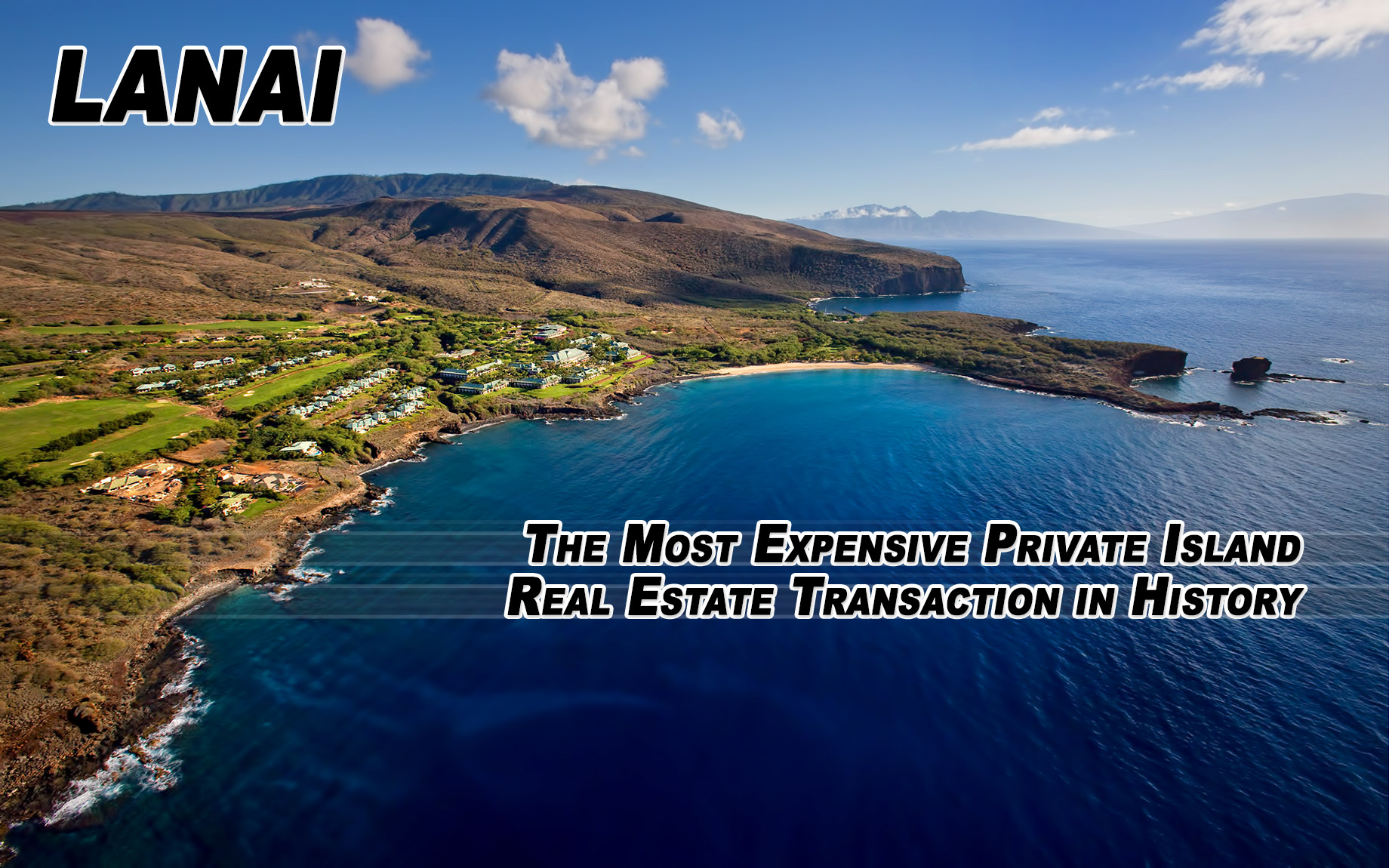
The flagship resorts on Lanai are a testament to the island’s transformation. The Four Seasons Resorts Lanai offer unparalleled luxury, with world-class dining, spa services, and breathtaking ocean views. These resorts serve as hubs for a variety of exclusive activities. Golf enthusiasts can enjoy the championship courses at The Challenge at Manele and The Experience at Koele, designed by legendary golf course architects. For those seeking adventure, there are opportunities for off-roading across the island’s rugged terrain, horseback riding through scenic trails, and exploring the underwater world through snorkeling and diving excursions.
The island’s intimate scale allows for a personalized approach to travel. Whether it’s arranging a private sunset cruise, a guided tour of Lanai‘s historical sites, or a farm-to-table dining experience featuring locally sourced ingredients, the emphasis is on bespoke services and unforgettable memories. The luxurious accommodations provide a perfect base for exploring the island’s diverse offerings, from its verdant highlands to its sun-drenched shores.
Natural Wonders and Outdoor Adventures
Beyond the curated experiences offered by the resorts, Lanai boasts a wealth of natural beauty waiting to be discovered. Hulopoe Bay is a protected marine sanctuary, renowned for its crystal-clear waters, vibrant coral reefs, and abundant marine life, including spinner dolphins. The bay is an ideal spot for snorkeling, swimming, and simply relaxing on its pristine shores.
For a truly unique geological experience, a visit to the Garden of the Gods (Keahiakawelo) is a must. This surreal landscape of wind-swept rock formations and ancient lava flows evokes a sense of otherworldly wonder. Hiking trails crisscross the island, offering opportunities to explore its diverse ecosystems, from lush forests to arid coastal plains. The Keahiakawelo trail is a popular choice for those wanting to immerse themselves in the island’s rugged beauty.
The island’s quiet roads and relatively low traffic make it ideal for exploring by car or even by bicycle. Driving to Kaiolohia Beach (Shipwreck Beach), named for the scattered shipwrecks along its coast, offers dramatic ocean vistas and a glimpse into Lanai‘s maritime history. The serene atmosphere of Lanai allows visitors to connect with nature in a profound way, making it a perfect destination for those seeking peace, adventure, and a touch of exclusivity. The ownership structure, while concentrated, has enabled the preservation and enhancement of these natural treasures, making Lanai a truly special place in the Hawaiian archipelago.
LifeOutOfTheBox is a participant in the Amazon Services LLC Associates Program, an affiliate advertising program designed to provide a means for sites to earn advertising fees by advertising and linking to Amazon.com. Amazon, the Amazon logo, AmazonSupply, and the AmazonSupply logo are trademarks of Amazon.com, Inc. or its affiliates. As an Amazon Associate we earn affiliate commissions from qualifying purchases.