
The allure of travel, the promise of new experiences, and the comfort of a temporary home away from home – these are the cornerstones of why we book hotels. Whether you’re dreaming of a relaxing beach vacation in Cancun, exploring the historic streets of Rome, or embarking on a family adventure to Disneyland, accommodation is a crucial element of any trip. But as young travelers, or those traveling with younger companions, ponder their next getaway, a fundamental question often arises: How old do you have to be to get a hotel? This isn’t just about booking a room; it’s about understanding the legalities, practicalities, and common policies that govern hotel stays for individuals under the age of 18.

This comprehensive guide delves into the age requirements for booking hotel rooms, exploring the various factors that influence these policies, and offering practical advice for young travelers and their guardians. We’ll cover everything from legal minimum ages to the nuances of hotel chain policies, ensuring you’re well-equipped to plan your next adventure with confidence.
Understanding Hotel Age Requirements: The Legal and Practical Landscape
The primary reason behind age restrictions in hotels is to ensure the safety and security of both guests and the establishment. Hotels are legally responsible for the conduct of their guests and for maintaining a safe environment. The age of majority, typically 18 in most jurisdictions, is often used as the benchmark because individuals over this age are considered legal adults, capable of entering into contracts, assuming responsibility for their actions, and understanding the terms and conditions of a hotel stay.
The Legal Age of Majority and Contractual Capacity
In most parts of the world, including the United States, the United Kingdom, and Canada, the legal age of majority is 18. This means that at 18, an individual is legally recognized as an adult and has the capacity to enter into binding contracts. A hotel booking is essentially a contract between the guest and the hotel. This contract includes agreements on payment, room usage, adherence to hotel rules, and liability for damages. Hotels generally require guests to be 18 or older to enter into this contract independently.
Why 18? Beyond Legalities
The 18-year-old threshold isn’t solely about contractual capacity. It’s also tied to broader legal responsibilities:
- Liability for Damages: Minors (individuals under 18) are generally not held fully liable for their actions in the same way adults are. If a minor causes damage to hotel property, the legal responsibility often falls upon their parents or guardians. Hotels, wanting to avoid potential disputes and financial losses, prefer to deal with individuals who are legally responsible for any damages they might incur.
- Alcohol and Other Age-Restricted Substances: Many hotels are located in areas where the legal drinking age is 18 or 21. Hotels need to ensure that guests are of legal age to consume alcohol if it is available on the premises, such as in a hotel bar or by ordering room service. Similar concerns apply to other age-restricted activities.
- Occupancy Rules and Safety: Hotels have specific rules regarding the number of people allowed in a room for safety and fire code compliance. Dealing with individuals who can legally consent to these rules and understand their implications is simpler for hotel management.
- Guest Conduct and House Rules: Hotels have house rules that guests must abide by, such as noise restrictions and prohibitions on illegal activities. Adults are expected to understand and comply with these rules.
The Role of Parents and Guardians
For travelers under 18, the key to securing a hotel room lies in the presence and consent of a parent or legal guardian.
Traveling with an Adult Guardian
If a minor is traveling with an adult who is not their parent but is acting in a parental capacity (e.g., an aunt, uncle, or older sibling), hotels may still require the adult to be over 18. The adult will typically be the one to check in, sign the registration card, and assume financial and legal responsibility for the stay. In some cases, hotels might request written consent from the minor’s parents, especially for younger teenagers.
Booking for a Minor
If a parent or guardian is booking a hotel room for their child or a group of minors they are responsible for (e.g., a school trip or a sports team), they will need to be the primary registrant. They will complete the booking process, provide payment, and be present at check-in to sign the registration. The accompanying adult is then responsible for supervising the minors and ensuring they adhere to all hotel policies.
Group Bookings and Youth Organizations
When dealing with larger groups of minors, such as school excursions or organized youth trips, hotels often have specific policies and procedures. These typically involve the supervising adults (teachers, chaperones, coaches) being responsible for the entire group. Detailed agreements and waivers might be required, outlining responsibilities and emergency protocols.
Common Hotel Policies and Variations
While the legal minimum age to check into a hotel as the primary registrant is almost universally 18, actual hotel policies can vary significantly. These variations are often influenced by the hotel’s brand, location, target demographic, and the specific risks associated with the area.
Major Hotel Chains vs. Independent Hotels
Major hotel chains, like Marriott International, Hilton Worldwide, and InterContinental Hotels Group (IHG), often have standardized policies across their brands. These policies are usually well-documented and consistently applied to maintain brand integrity and manage risk.
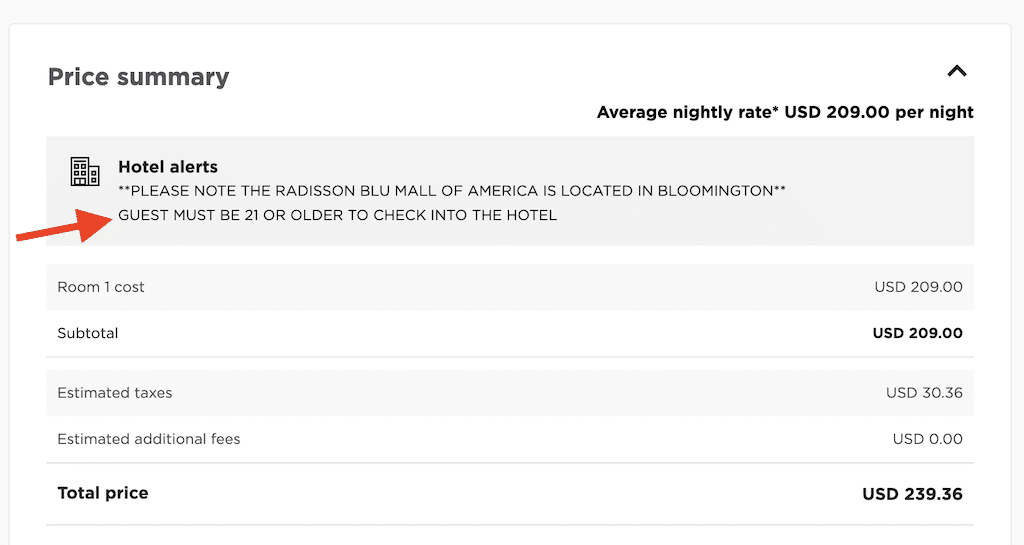
- Standard Policy: Most major chains mandate that the registered guest must be at least 18 years old. Some, particularly in regions with a higher drinking age of 21 (like many parts of the United States), may raise this age to 21.
- Verification: Hotels will typically ask for a valid photo ID (like a driver’s license or passport) at check-in to verify the age of the primary guest.
Independent hotels, especially smaller boutique hotels or those in tourist hotspots, might have more flexibility. However, they are still bound by local laws and generally err on the side of caution.

Location-Specific Regulations
The city and country where the hotel is located play a crucial role.
- United States: In many U.S. states, the age requirement is 18. However, hotels in cities with a higher legal drinking age (21) or those located in areas with a higher perceived risk (e.g., party destinations like Miami Beach) might enforce a 21-year-old minimum age for check-in. This is often to prevent underage drinking and associated liabilities.
- United Kingdom and Europe: The standard age is typically 18, aligning with the age of majority.
- Other Regions: It’s always advisable to check the specific regulations of the country and even the city you plan to visit.
Types of Accommodation: Resorts, Apartments, and Villas
The type of accommodation can also influence age policies.
- Resorts: Large resorts, often catering to families and a wide range of guests, generally follow standard hotel policies. However, resorts with extensive entertainment facilities, bars, or casinos might have higher age restrictions for booking to manage alcohol consumption and liability.
- Vacation Rentals and Apartments: Platforms like Airbnb or Booking.com often list private apartments or villas. The age requirements for these can be more varied, as they are managed by individual owners or smaller property management companies. While the platform itself might have terms of service regarding age, the ultimate decision often rests with the host or property manager. Some may allow younger guests if accompanied by an adult, while others might require the primary booker to be 18 or 21.
- Hostels: Hostels, known for their budget-friendly and social atmosphere, are popular with younger travelers. While many hostels allow guests of all ages, they often have policies regarding unaccompanied minors. For instance, a hostel might permit a 16-year-old to stay if traveling with an adult, but a 15-year-old might not be allowed, or they might require parental consent for those under 16. Some hostels may also have age-restricted dormitories or private rooms.
Navigating Hotel Bookings as a Young Traveler or with Minors
Understanding these policies is essential for a smooth travel experience. Here’s how to navigate hotel bookings when you’re under 18 or traveling with minors.
Traveling Under 18: The Guardian Solution
If you are under 18 and wish to book a hotel room, you will almost certainly need an adult (18 or older, and potentially 21 depending on the hotel and location) to make the reservation and check in on your behalf.
Step-by-Step Guide:
- Confirm Age Policy: Before booking, always check the hotel’s specific age policy. Most hotel websites will state this in their FAQ section or terms and conditions. If you can’t find it, call the hotel directly.
- Secure an Adult Companion: Ensure you have a parent or legal guardian who is willing to book the room and be the primary registrant. If not your parent, confirm that the accompanying adult is over the hotel’s minimum age requirement.
- Booking: The adult will make the booking online or by phone, providing their name, contact details, and payment information.
- Check-in: The adult must be present at check-in with their valid photo ID. They will be asked to sign the registration card and take responsibility for the room and any occupants.
- Communication: It’s good practice for the adult to inform the hotel in advance if a minor will be occupying the room, especially if the minor is traveling without them for a portion of the stay (though this is generally not permitted without explicit arrangements).
Traveling with Minors: Responsibilities and Preparation
If you are an adult traveling with minors, your role as the legal guardian is paramount.
Key Considerations:
- Age Verification: You will need to provide your ID for check-in, and the hotel may ask for the IDs of all occupants to verify ages, especially if there are any guests close to the age of majority.
- Parental Consent Forms: For younger children or teens, some hotels might request a parental consent form if the booking adult is not their parent, especially if the parent is not traveling with them. This is more common for organized group travel.
- Room Policies: Understand and communicate hotel rules to the minors in your care. This includes quiet hours, use of amenities, and responsible behavior.
- Financial Responsibility: Be prepared for potential charges beyond the room rate, such as incidental charges, mini-bar usage, or damages. These will be charged to the card of the primary guest.
- Emergency Contacts: Have updated emergency contact information for all minors traveling with you readily available.
Special Cases: College Students and Young Professionals
Young adults embarking on their college journeys or early in their careers often face this age restriction.
- College Trips: University-organized trips will have their own chaperones and booking procedures. However, if a group of college students plans an independent trip, the age requirement applies. One student over 18 (or 21) will need to book and check-in.
- Business Stays: For young professionals on business trips, the employer typically handles the booking, ensuring the designated traveler meets the hotel’s age requirements.
Conclusion: Planning Your Stay with Confidence
The question of “How old do you have to be to get a hotel?” is a common one, and the answer, while generally straightforward, carries nuances that are important to understand. The legal age of 18 is the bedrock for entering into a hotel contract, but this can extend to 21 in certain locations or for specific establishments. For individuals under this age, the presence and active participation of a parent or legal guardian are indispensable.
By understanding the legal framework, common hotel policies, and the responsibilities that come with accommodation, travelers of all ages can plan their trips with greater ease. Always remember to:
- Check the specific age policy of the hotel and location.
- Ensure an adult (over the minimum age) is the primary registrant if you are under 18.
- Communicate clearly with the hotel if you have any specific needs or concerns.
- Be prepared to provide valid identification.
With this knowledge, your next adventure, whether it’s exploring the bustling markets of Marrakech, enjoying a serene getaway in the Swiss Alps, or discovering the vibrant culture of Tokyo, can be booked with confidence, ensuring a comfortable and safe stay for everyone. The world of travel is open to all, and with a little preparation, age is just one factor in unlocking those incredible experiences.
LifeOutOfTheBox is a participant in the Amazon Services LLC Associates Program, an affiliate advertising program designed to provide a means for sites to earn advertising fees by advertising and linking to Amazon.com. Amazon, the Amazon logo, AmazonSupply, and the AmazonSupply logo are trademarks of Amazon.com, Inc. or its affiliates. As an Amazon Associate we earn affiliate commissions from qualifying purchases.