
Embarking on a trip, whether it’s a solo adventure, a romantic getaway, or a family vacation, often begins with the crucial step of booking accommodation. For many, especially younger travelers or those planning trips for teenagers, a common and significant question arises: “How old do you have to be to book a hotel?” This seemingly simple query can have a surprisingly complex answer, as age restrictions for booking a hotel room vary significantly depending on the hotel, its location, and even the specific booking platform. Understanding these regulations is vital to avoid disappointment and ensure a smooth travel experience, from the vibrant streets of New York City to the serene landscapes of the Swiss Alps.

The primary reason behind age restrictions for hotel bookings is to mitigate risks for both the establishment and the guest. Hotels are responsible for the safety and security of their premises and the individuals within them. This includes ensuring that guests are of legal age to enter into contracts, consume alcohol (if applicable), and are generally capable of making responsible decisions during their stay. Furthermore, hotels aim to prevent underage individuals from accessing services that might be deemed inappropriate or even illegal if consumed by minors.
Understanding the Minimum Age Requirements
The most common minimum age requirement for booking a hotel room in the United States and many other parts of the world is 18 years old. This aligns with the age of majority in most jurisdictions, where individuals are legally considered adults and can enter into binding contracts. Therefore, if you are 18 or older, you will generally be able to book a hotel room, check in, and be held responsible for your actions and any damages during your stay. This applies to a wide range of accommodations, from budget-friendly motels to upscale hotels like the Ritz-Carlton or luxurious resorts in destinations like Cancun.
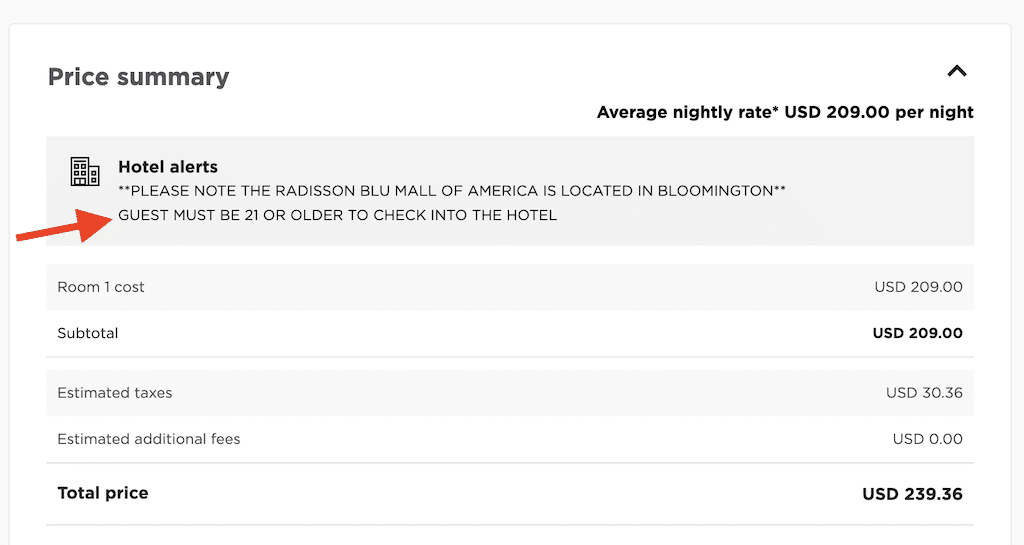
However, it is crucial to understand that this 18-year-old threshold is not universally applied. Some hotels, particularly those with a strong focus on nightlife, alcohol service, or a more adult-oriented atmosphere, may impose a higher minimum age, often 21 years old. This is particularly prevalent in areas where the legal drinking age is 21, such as in many parts of the United States. This policy is in place to comply with local laws and to ensure that guests consuming alcoholic beverages are of legal age. Examples of such establishments might include boutique hotels in lively entertainment districts or resorts that offer extensive bars and nightclubs.
Factors Influencing Age Restrictions
Several key factors contribute to the variability in minimum age requirements for hotel bookings:
- Location and Local Laws: The most significant determinant of a hotel’s age policy is the legislation in the specific city, state, or country where it is located. Some regions may have specific laws dictating minimum age for hotel stays, while others leave it to the discretion of individual hotel establishments. For instance, while 18 is standard in most of the United Kingdom, certain establishments might still choose a higher age.
- Hotel Type and Amenities: The nature of the hotel itself plays a vital role. Hotels catering primarily to business travelers or those with a family-friendly focus might be more flexible with the minimum age. Conversely, hotels with extensive bars, casinos, or adult-only sections will likely enforce a stricter age policy, often 21 or even higher. A quiet inn in the French countryside might have different rules than a bustling casino hotel in Las Vegas.
- Hotel Chain Policies: Larger hotel chains often have standardized policies that apply across their properties. These policies are usually designed to ensure consistency and to comply with the strictest regulations across their various locations. For example, Marriott International or Hilton Worldwide properties might all adhere to a similar minimum age, typically 18 or 21, depending on their brand and the region.
- Booking Platform Rules: When booking through online travel agencies (OTAs) like Booking.com or Expedia, the platform itself may have its own set of general guidelines regarding age. However, these are usually superseded by the individual hotel’s specific policies, which are always the definitive source.

Navigating Hotel Bookings When Under 21
For travelers who are between 18 and 20 years old, navigating the hotel booking process requires a bit more diligence. While many hotels will accept 18-year-olds, it’s essential to be prepared for potential challenges, especially in locations with a 21-year-old drinking age.
Tips for Younger Travelers
- Verify Age Requirements Directly: Before booking, always check the hotel’s official website or contact them directly via phone or email to confirm their specific minimum age policy for booking and check-in. Do not rely solely on information provided by third-party booking sites, as these can sometimes be outdated or incomplete.
- Look for Hotels with 18+ Policies: Many hotels, especially those catering to a broader demographic, will explicitly state an 18+ age policy. These are your best bet. Research hotels in your chosen destination and look for this clarification.
- Consider the Type of Accommodation: If you’re traveling with friends and are all under 21, consider alternative accommodation types that might have different rules. Vacation rentals through platforms like Airbnb might offer more flexibility, as the rental agreement is often with the property owner rather than a hotel. However, even here, age restrictions can apply, so it’s crucial to read the specific listing’s terms.
- Be Prepared for Additional Requirements: Even if a hotel allows 18-year-olds to book, they may have additional requirements. This can include a requirement for an adult (over 21) to be present in the room, or they may ask for a larger security deposit.
- Understand the Implications of a Credit Card: Most hotels require a credit card for incidentals and security deposits. While this is standard practice, it also serves as a form of identification that can confirm your age. Ensure you have a valid credit card in your name or with permission from the cardholder.
- Travel with an Adult: The simplest way to avoid age-related issues is to travel with an adult who is of legal age and can make the booking and assume responsibility. This is often the case for family trips or when younger individuals are traveling under the supervision of parents or guardians. For instance, a parent could book a room at the Grand Canyon National Park Lodge for their teenage children if they are unable to accompany them directly.
Special Considerations for International Travel
When traveling internationally, the age requirements for hotel bookings can become even more varied. The age of majority differs significantly from country to country.
Global Age Policies
- Europe: In most European countries, the legal age of majority is 18, and this generally extends to hotel bookings. However, similar to the United States, hotels with significant alcohol-serving facilities might impose higher age restrictions. For instance, in Germany, 18 is the standard, but some establishments might be stricter.
- Asia: Age requirements in Asia can vary widely. In many popular tourist destinations like Thailand or Vietnam, 18 is generally the norm for hotel bookings. However, it’s always best to confirm directly with the hotel, especially for larger international chains.
- South America: Similar to Europe, the age of 18 is commonly accepted for hotel bookings across much of South America. Countries like Argentina and Brazil typically follow this rule.
- Australia and New Zealand: In both Australia and New Zealand, the legal age of majority is 18, and this is generally the age at which you can book a hotel room.
It is always prudent to research the specific laws and common practices of your destination country. A quick online search for “[country name] hotel age requirement” can often provide valuable insights. For example, if you are planning a trip to Japan, you’ll find that while 18 is the age of majority, some hotels, particularly those with specific services, might have unique policies.
In conclusion, while 18 is the most common minimum age to book a hotel room, it’s not an absolute rule. The hospitality industry, like many others, operates within a framework of legal regulations and internal policies designed to ensure safety, security, and responsible guest conduct. By understanding the nuances of age requirements, performing due diligence, and communicating directly with hotels, travelers of all ages can successfully secure their accommodation and look forward to a memorable experience, whether they are exploring the historical sites of Rome or relaxing on the beaches of Malibu. Always remember to check the specific terms and conditions of the hotel you intend to book to avoid any last-minute complications.
LifeOutOfTheBox is a participant in the Amazon Services LLC Associates Program, an affiliate advertising program designed to provide a means for sites to earn advertising fees by advertising and linking to Amazon.com. Amazon, the Amazon logo, AmazonSupply, and the AmazonSupply logo are trademarks of Amazon.com, Inc. or its affiliates. As an Amazon Associate we earn affiliate commissions from qualifying purchases.