
Embarking on the journey to establish a hotel business is a venture brimming with potential, blending the allure of hospitality with the dynamics of entrepreneurship. The hospitality sector, a cornerstone of the global travel industry, offers a unique opportunity to shape memorable experiences for a diverse clientele. Whether your vision is a boutique hotel nestled in a quaint European village, a sprawling resort on a sun-drenched beach, or a modern urban accommodation catering to business travelers, the foundational steps remain crucial. This guide will walk you through the essential considerations for launching a successful hotel business, drawing inspiration from the multifaceted world of tourism and lifestyle travel.
Laying the Foundation: From Vision to Viability
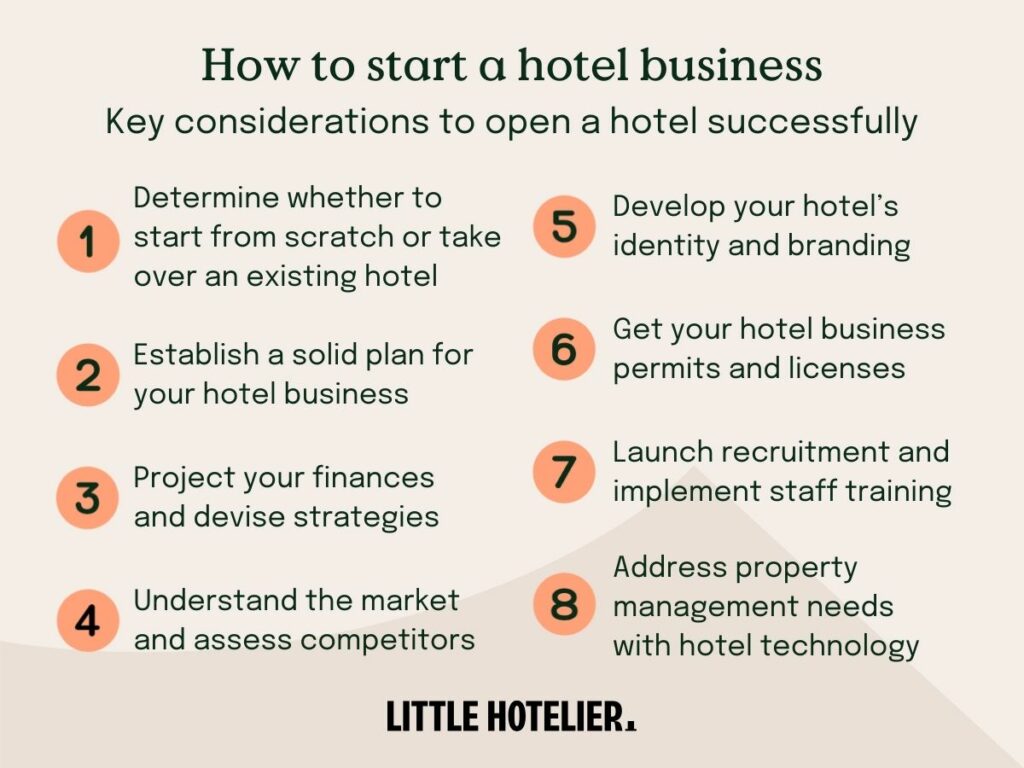
The genesis of any successful business lies in a well-defined vision and a thorough understanding of its feasibility. For a hotel business, this translates into meticulously planning every aspect, from the initial concept to the operational blueprint.
Defining Your Niche and Target Market
Before you even scout for a location, you must pinpoint the essence of your hotel. What kind of experience will you offer? Will it be a luxurious escape, a budget-friendly haven, a family-oriented destination, or a chic apartment-style stay for extended visits? Understanding your niche is paramount. Consider the lifestyle segments you aim to attract: luxury travelers seeking opulent amenities and personalized service, budget-conscious adventurers looking for clean and comfortable stays, families planning memorable vacations, or business professionals requiring efficient and convenient business stays.
Your target market will inform every subsequent decision, from the décor and amenities offered to your pricing strategy and marketing efforts. For instance, a luxury resort targeting affluent couples might focus on private balconies, fine dining, and spa services, while a budget hotel near a popular attraction would prioritize affordability, proximity, and essential comforts. Researching existing hotels in your chosen area is vital. Are there gaps in the market? Can you offer something unique that differentiates you from established players like the Marriott or a local independent hotel?
Crafting Your Business Plan
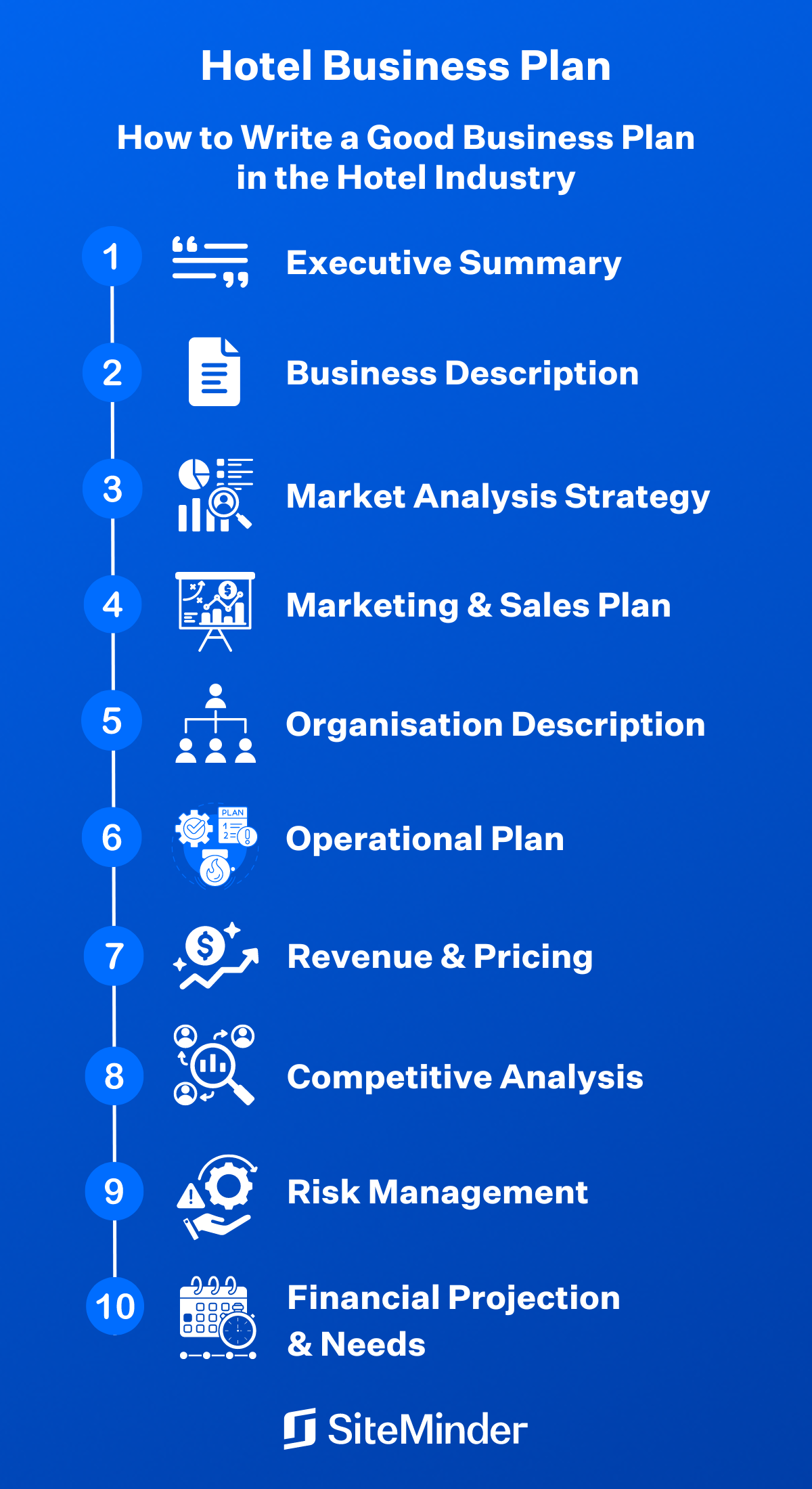
A comprehensive business plan is your roadmap to success. It’s a living document that outlines your objectives, strategies, and financial projections. Key components include:
- Executive Summary: A concise overview of your entire plan.
- Company Description: Detail your business concept, mission, and vision.
- Market Analysis: In-depth research into your target market, competitors, and industry trends. This is where you’ll analyze the travel and tourism landscape.
- Organization and Management: Outline your legal structure and management team.
- Service or Product Line: Describe the types of rooms, amenities, and services you will offer. Will you provide unique experiences like cooking classes inspired by local culture or guided tours of nearby landmarks?
- Marketing and Sales Strategy: How will you attract guests? This includes branding, online presence, advertising, and partnerships with travel agencies or online accommodation platforms like Booking.com or Expedia.
- Funding Request (if applicable): Specify the capital you need and how it will be used.
- Financial Projections: Forecast your revenue, expenses, and profitability. This should include projected occupancy rates and average daily rates.
- Appendix: Supporting documents like market research data, resumes, and permits.
Securing Funding
The financial outlay for a hotel business can be substantial. Your business plan will be instrumental in attracting investors, securing loans from financial institutions, or even exploring crowdfunding options. Consider the costs associated with property acquisition or lease, renovations, furnishings, staffing, marketing, and operational expenses. Thorough financial planning will ensure you have adequate capital to launch and sustain your business through its initial phases. Exploring government grants or small business loans specifically for the hospitality sector in regions like France or Italy could also be beneficial.
Designing Your Guest Experience
The heart of a hotel business lies in the experience it provides to its guests. This encompasses everything from the initial booking process to the final check-out, and even post-stay engagement.
Location, Location, Location: Choosing the Right Spot
The physical location of your hotel is a critical determinant of its success. It needs to align with your target market and brand identity.
- Proximity to Attractions: Is your hotel close to major landmarks, entertainment venues, business districts, or natural wonders? For example, a hotel in New York City might aim for proximity to Times Square, while a lodge in the Canadian Rockies would capitalize on its proximity to hiking trails and ski resorts.
- Accessibility: Easy access to transportation hubs like airports, train stations, or major roadways is crucial for both domestic and international travelers.
- Neighborhood Appeal: The surrounding area should complement your hotel’s offerings. A vibrant city center might be perfect for a boutique hotel, while a secluded beachfront is ideal for a luxury resort. Consider the local culture, dining options, and safety of the neighborhood.
Creating Inviting Accommodations
Your rooms and suites are the core product. They need to be comfortable, functional, and aesthetically pleasing, reflecting your brand.
- Room Types and Amenities: Offer a variety of room configurations to cater to different needs – standard rooms, deluxe suites, family rooms, or specialized apartments for longer stays. Essential amenities should include comfortable bedding, clean bathrooms, reliable Wi-Fi, and appropriate climate control. For higher-end establishments, consider adding features like private balconies, mini-bars, or dedicated work desks.
- Interior Design and Atmosphere: The décor should be consistent with your brand and target market. Whether it’s a minimalist modern design, a rustic charm, or opulent elegance, the ambiance plays a significant role in guest satisfaction.
- Focus on Cleanliness and Maintenance: Impeccable cleanliness is non-negotiable. Regular maintenance ensures that all facilities, from plumbing to air conditioning, are in perfect working order, contributing to a seamless accommodation experience.
Enhancing the Guest Journey with Amenities and Services
Beyond the rooms, the amenities and services you offer can elevate the guest experience and drive repeat business.
- Dining Options: A well-regarded restaurant or bar can be a significant draw, attracting not only hotel guests but also locals. Consider offering diverse culinary experiences, perhaps featuring local food specialties.
- Recreational Facilities: Depending on your niche, amenities like a swimming pool, fitness center, spa, or children’s play area can greatly enhance guest satisfaction, especially for family trips or resort stays.
- Guest Services: Efficient and friendly staff are the backbone of hospitality. Services like a 24-hour front desk, concierge services, room service, and assistance with booking local activities or tours contribute to a positive guest journey. Think about how you can provide insider tips on exploring the destination.
- Technology Integration: In today’s digital age, seamless technology is expected. This includes reliable Wi-Fi, easy check-in/check-out processes (perhaps through a mobile app), and in-room entertainment options.
Operations and Management: Running a Smooth Ship
Once your doors are open, effective operations and astute management are crucial for sustained success and profitability.
Staffing and Human Resources
Your team is your most valuable asset. Hiring the right people and fostering a positive work environment are critical.
- Recruitment and Training: Develop a robust recruitment process to find individuals with the right skills and attitude. Comprehensive training programs, covering everything from customer service to operational procedures, are essential for all staff, from housekeepers to management.
- Roles and Responsibilities: Clearly define the roles and responsibilities of each team member to ensure efficiency and accountability. This includes front desk staff, housekeeping, maintenance, food and beverage teams, and management.
- Customer Service Excellence: Instill a culture of exceptional customer service. Empower your staff to go the extra mile to meet guest needs and resolve issues promptly. Positive reviews and word-of-mouth recommendations, especially on platforms like TripAdvisor, are invaluable.
Marketing and Sales Strategies
Attracting guests requires a strategic and multifaceted approach to marketing and sales.
- Online Presence: A professional website is a must, showcasing your hotel, rooms, amenities, and offering a convenient booking system. Optimize your website for search engines (SEO) to attract organic traffic.
- Online Travel Agencies (OTAs): Partner with popular OTAs like Expedia, Booking.com, and Hotels.com to broaden your reach. However, be mindful of commission fees.
- Social Media Marketing: Engage with potential guests on platforms like Instagram, Facebook, and Pinterest, sharing stunning visuals of your property, local attractions, and guest testimonials. Highlight luxury travel experiences or budget-friendly options depending on your niche.
- Content Marketing: Create valuable content related to travel, destinations, local culture, and experiences. This could include blog posts about visiting nearby landmarks like the Eiffel Tower, guides to local food scenes in cities like Tokyo, or itineraries for business stays in Singapore.
- Reputation Management: Actively monitor and respond to online reviews. Positive reviews are powerful testimonials, while constructive criticism provides opportunities for improvement.
- Partnerships and Collaborations: Collaborate with local tourism boards, travel bloggers, and businesses to promote your hotel. Offer packages that combine stays with tickets to local events or attractions.

Financial Management and Operations
Efficient financial management is key to profitability and sustainability.
- Pricing Strategies: Develop dynamic pricing strategies that account for seasonality, demand, and competitor pricing. Offer special promotions and packages to attract different segments of travelers.
- Cost Control: Implement effective cost control measures for utilities, supplies, and labor without compromising service quality.
- Revenue Management: Utilize revenue management systems to optimize occupancy rates and average daily rates. This involves forecasting demand and adjusting prices accordingly.
- Operational Efficiency: Streamline operational processes, from check-in to housekeeping, to maximize efficiency and minimize guest wait times. Consider adopting property management systems (PMS) that can automate many of these tasks.
- Sustainability Practices: Increasingly, travelers are seeking eco-friendly options. Implementing sustainable practices, such as energy conservation, waste reduction, and sourcing local products, can attract a conscious clientele and also lead to cost savings. This can be a significant differentiator for hotels located in natural settings like the Great Barrier Reef region.
Starting a hotel business is a challenging yet rewarding endeavor. By meticulously planning, focusing on guest experience, and managing operations effectively, you can build a thriving enterprise that contributes to the vibrant tapestry of the global tourism industry, offering unforgettable experiences to travelers from all walks of life.
LifeOutOfTheBox is a participant in the Amazon Services LLC Associates Program, an affiliate advertising program designed to provide a means for sites to earn advertising fees by advertising and linking to Amazon.com. Amazon, the Amazon logo, AmazonSupply, and the AmazonSupply logo are trademarks of Amazon.com, Inc. or its affiliates. As an Amazon Associate we earn affiliate commissions from qualifying purchases.