
The legendary Cecil Hotel in downtown Los Angeles carries a reputation that is as complex as it is captivating. For decades, it has been a focal point of both fascination and notoriety, a place where history, tragedy, and urban renewal intersect. Given its storied past, it’s natural for travelers and urban explorers alike to wonder: is the Cecil Hotel closed? The answer, like the hotel’s own narrative, is layered and involves a significant transformation. While the doors of its original iteration may no longer welcome guests in the same way, the building itself has undergone a dramatic rebirth.

This article delves into the history of the Cecil Hotel, exploring its rise and fall, the controversies that have shadowed its name, and the exciting new chapter it has entered. We’ll look at its significance as a landmark, its place within Los Angeles‘s tourism landscape, and what its future might hold for accommodation in the heart of the city.
A Storied Past: From Grand Hotel to Infamous Address
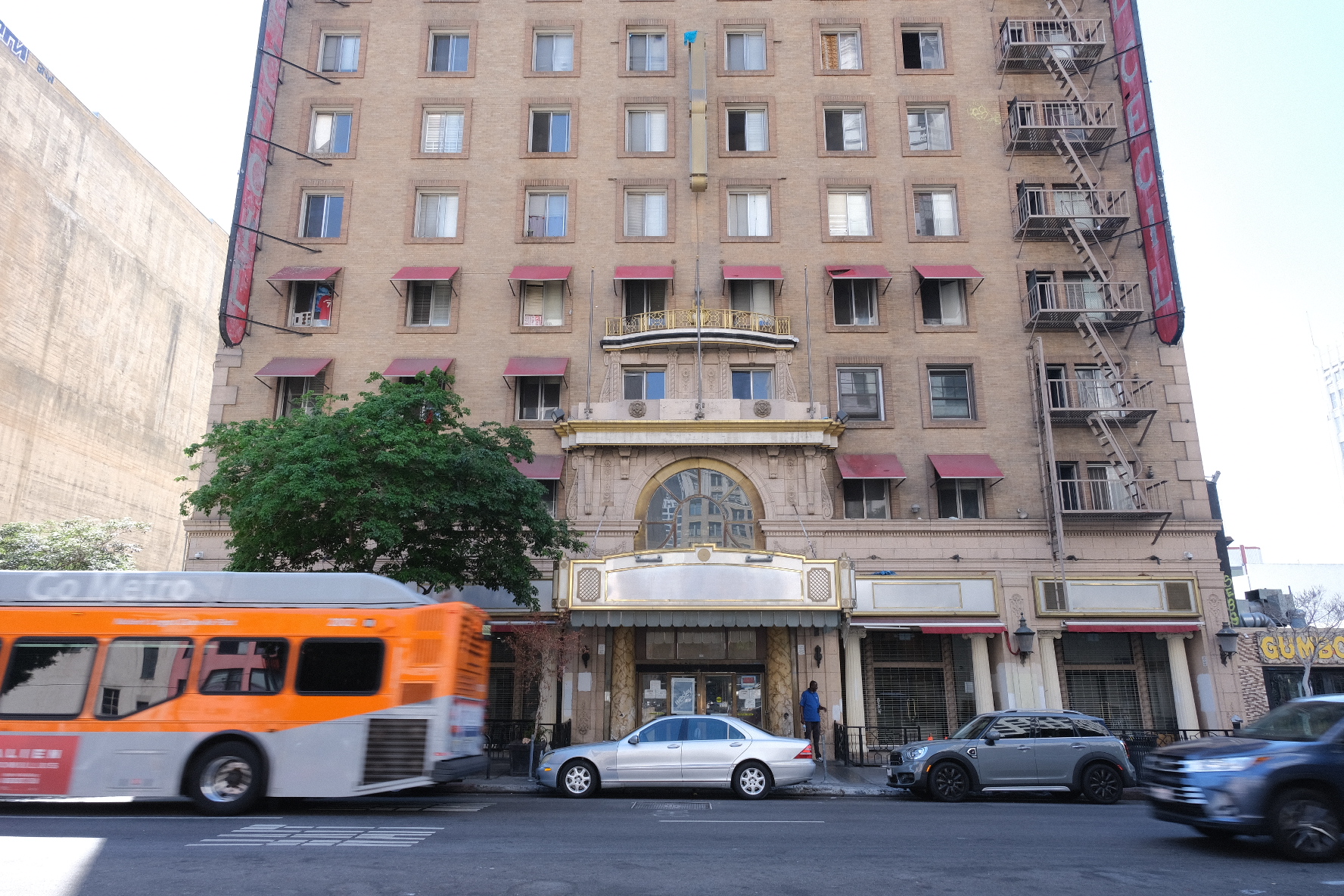
Opened in 1924, the Cecil Hotel was initially envisioned as a beacon of glamour and affordable luxury in the burgeoning city of Los Angeles. Designed in the Beaux-Arts style, its grand facade and opulent interiors were intended to attract tourists and businessmen alike. For years, it fulfilled this purpose, serving as a reputable lodging establishment in the heart of downtown. It was a place where travelers could find comfortable accommodation and immerse themselves in the vibrant energy of early 20th-century Los Angeles.
However, the hotel’s fortunes began to shift in the latter half of the century. As the downtown area experienced economic decline, so too did the Cecil Hotel. It transitioned from a place of sophisticated stays to a more budget-friendly, and eventually, a notorious dwelling. This period saw a stark increase in crime and a decline in its reputation, making it a focal point for dark urban legends and true crime enthusiasts.
The Shadows of Infamy: Tragic Events and Urban Legends
The Cecil Hotel became inextricably linked with a series of disturbing events that cemented its place in popular culture as a place of tragedy. Perhaps the most chilling and widely publicized was the death of Elisa Lam in 2013. The Canadian student’s mysterious disappearance and subsequent discovery in a water tank on the hotel’s roof became a global sensation, further amplified by disturbing surveillance footage. This incident, more than any other, thrust the Cecil Hotel into the international spotlight for its darker associations.
Beyond the Lam case, the hotel’s history is unfortunately peppered with other grim occurrences. It was reportedly a frequent haunt for serial killer Richard Ramirez, known as the “Night Stalker,” who allegedly resided there during his crime spree in the 1980s. Another notorious figure, Austrian serial killer and rapist Jack Unterweger, also resided at the hotel in the 1990s, further contributing to its sinister reputation. These events, while not necessarily indicative of the hotel’s entire operational history, undeniably cast a long shadow and attracted morbid curiosity.
The hotel also served as inspiration for various fictional works, including the FX anthology series American Horror Story: Hotel. The show’s portrayal, while fictionalized, drew heavily on the real-life mystique and alleged paranormal activity surrounding the building, further solidifying its image as a haunted and enigmatic landmark. This cultural resonance has made the Cecil Hotel a point of interest for those interested in local culture, urban exploration, and the darker side of tourism.
A New Dawn: The Cecil Hotel’s Transformation and Reopening
For years, the question of the Cecil Hotel‘s closure lingered, with the building remaining vacant and shuttered. However, in recent times, this iconic Los Angeles structure has been the subject of extensive renovation and a complete rebranding. The building has been acquired and reimagined, aiming to shed its darker past and emerge as a vibrant part of the revitalized downtown Los Angeles scene.
In 2021, the hotel reopened its doors, not as a traditional hotel, but as a significant affordable housing project. This initiative, spearheaded by hotel owner Simon Baron Development and operated by the Weingart Center, aims to provide much-needed accommodation for formerly homeless individuals. The project involved a substantial overhaul of the building, preserving its historic architectural elements while updating its interiors to create comfortable and functional living spaces.
This transformation marks a profound shift in the Cecil Hotel‘s narrative. While it may no longer be a destination for traditional tourism or luxury travel, its reopening signifies a positive contribution to the lifestyle of Los Angeles. It represents a commitment to urban renewal and social responsibility, repurposing a historically significant building for a benevolent purpose. The focus has shifted from attracting transient guests to providing a stable and supportive environment for residents, offering a new kind of long-term stay.
The Cecil Hotel’s Enduring Significance in Los Angeles
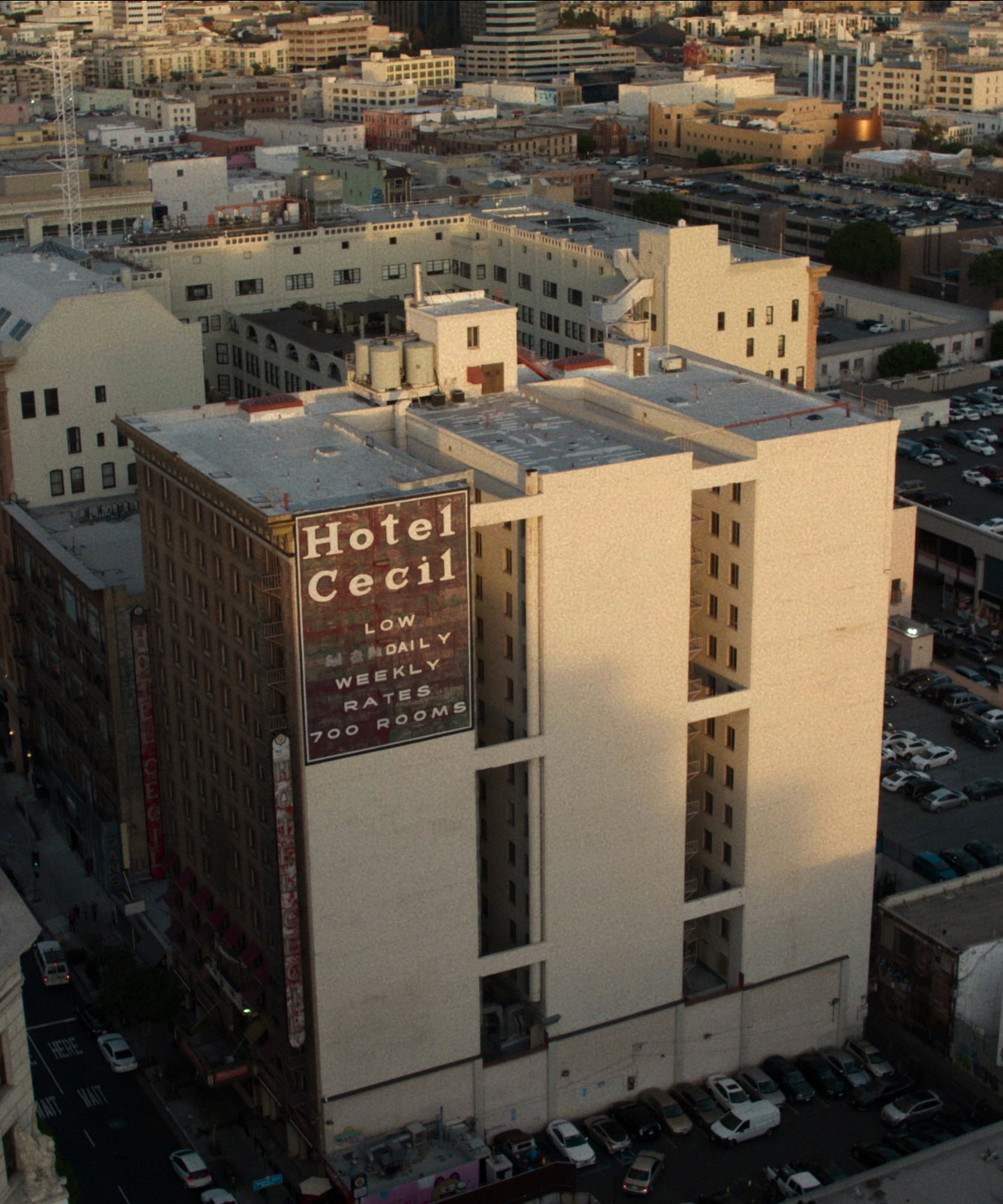
Despite its checkered past and current role as affordable housing, the Cecil Hotel remains a significant landmark in downtown Los Angeles. Its distinctive architecture and central location make it a prominent feature of the cityscape. For those interested in Los Angeles‘s history, the building serves as a tangible link to the city’s past, offering insights into its architectural evolution and changing social dynamics.
The Cecil Hotel‘s story is a compelling example of how urban spaces can evolve and be reimagined. It highlights the cyclical nature of city development, where buildings can fall into disrepair and then be revitalized, serving new purposes that reflect the needs of the community. This makes it an interesting case study for urban planners, historians, and anyone curious about the life of a city.
What the Future Holds: Accommodation and Tourism in a New Era
While the Cecil Hotel will not be reopening as a conventional hotel offering traditional accommodation in the near future, its transformation into affordable housing is a remarkable development. This project underscores a growing trend in urban development, where historic buildings are being repurposed to address pressing social needs. It’s a testament to the potential for creative solutions in city planning and tourism management.
For travelers seeking accommodation in downtown Los Angeles, there are numerous other options available, ranging from boutique hotels to large resorts. The city boasts a diverse array of choices catering to all budgets and preferences, from budget travel to luxury travel. The closure of the Cecil Hotel as a traditional lodging establishment does not diminish the appeal of Los Angeles as a travel destination. In fact, its new role might inspire a different kind of appreciation for the building’s history and its contribution to the city’s evolving narrative.
The Cecil Hotel‘s journey from a grand hotel to an infamous address and now to a beacon of affordable housing is a compelling saga. It is a story of reinvention, resilience, and the enduring power of place. While its days of traditional tourism may be over, its legacy as a significant Los Angeles landmark is undeniable, and its new chapter offers a hopeful outlook for the future of urban living and the repurposing of historic structures. Its presence continues to be a talking point for those interested in travel, hotels, tourism, accommodation, landmarks, and lifestyle in the vibrant metropolis of Los Angeles.
LifeOutOfTheBox is a participant in the Amazon Services LLC Associates Program, an affiliate advertising program designed to provide a means for sites to earn advertising fees by advertising and linking to Amazon.com. Amazon, the Amazon logo, AmazonSupply, and the AmazonSupply logo are trademarks of Amazon.com, Inc. or its affiliates. As an Amazon Associate we earn affiliate commissions from qualifying purchases.