
Nestled in the heart of the Pacific Ocean, the Hawaiian Islands offer a tapestry of vibrant culture, breathtaking landscapes, and a unique linguistic heritage. For travelers planning a visit to this enchanting destination, understanding the languages spoken here is key to a richer and more immersive experience. While the answer might seem straightforward to some, the linguistic landscape of Hawaii is far more nuanced and fascinating than simply “English.” From the familiar cadence of American English to the lyrical beauty of ‘Ōlelo Hawaiʻi and the distinctive rhythm of Hawaiian Pidgin, the islands truly speak a multitude of tongues. This guide delves into the linguistic heart of Hawaii, offering insights for tourists and those interested in the local lifestyle.
The Dominant Language: English in Paradise
As the 50th state of the United States, it’s no surprise that English is the primary language of commerce, education, and government in Hawaii. For the vast majority of visitors, communication will be seamless, as English is spoken by nearly everyone in the hospitality industry, retail, and public services. This ensures that your travel planning, booking accommodation, and exploring the islands will be as straightforward as in any other major English-speaking destination.
Navigating the Islands: A Breeze for English Speakers
Whether you’re landing at Daniel K. Inouye International Airport in Honolulu or embarking on a scenic drive around Maui, you’ll find that signage, menus, and information brochures are predominantly in English. This ease of communication allows visitors to fully immerse themselves in the many attractions Hawaii has to offer, from the historical solemnity of Pearl Harbor on Oahu to the volcanic wonders of Hawaii Volcanoes National Park on the Big Island. Tour guides at popular spots like Diamond Head or the Na Pali Coast on Kauai will deliver their captivating narratives in clear English, ensuring you miss none of the fascinating history or geological insights.
For those venturing into local markets or smaller towns, while you might encounter snippets of other languages, English remains the universal key. This makes activities like trying local delicacies, booking a surfing lesson, or finding that perfect souvenir an effortless and enjoyable part of your travel experience. Even when exploring the bustling shops of Waikiki or the charming boutiques of Lahaina, you can expect to communicate easily with shopkeepers and staff.
Hospitality and Communication: What to Expect in Hotels and Resorts
The hotel and accommodation sector in Hawaii is finely tuned to cater to an international clientele, with a strong emphasis on English as the primary language of service. From luxury resorts like the Grand Wailea, A Waldorf Astoria Resort on Maui or the Four Seasons Resort Hualalai on the Big Island, to more budget-friendly apartments and villas, staff are proficient in English. Check-in, concierge services, dining reservations, and any special requests you might have will be handled efficiently in English.
Many larger hotels and resorts, particularly those in areas popular with Japanese tourists, such as Waikiki, also employ multilingual staff, especially those fluent in Japanese. However, English remains the guaranteed lingua franca. Whether you’re inquiring about amenities like a spa treatment, requesting extra towels for your suite, or arranging transportation, you can rely on clear and helpful communication. This ease allows visitors to fully enjoy their stay, from relaxing by the pool to exploring the various dining options and activities offered by their accommodation.
Echoes of the Past: The Resurgence of ‘Ōlelo Hawaiʻi
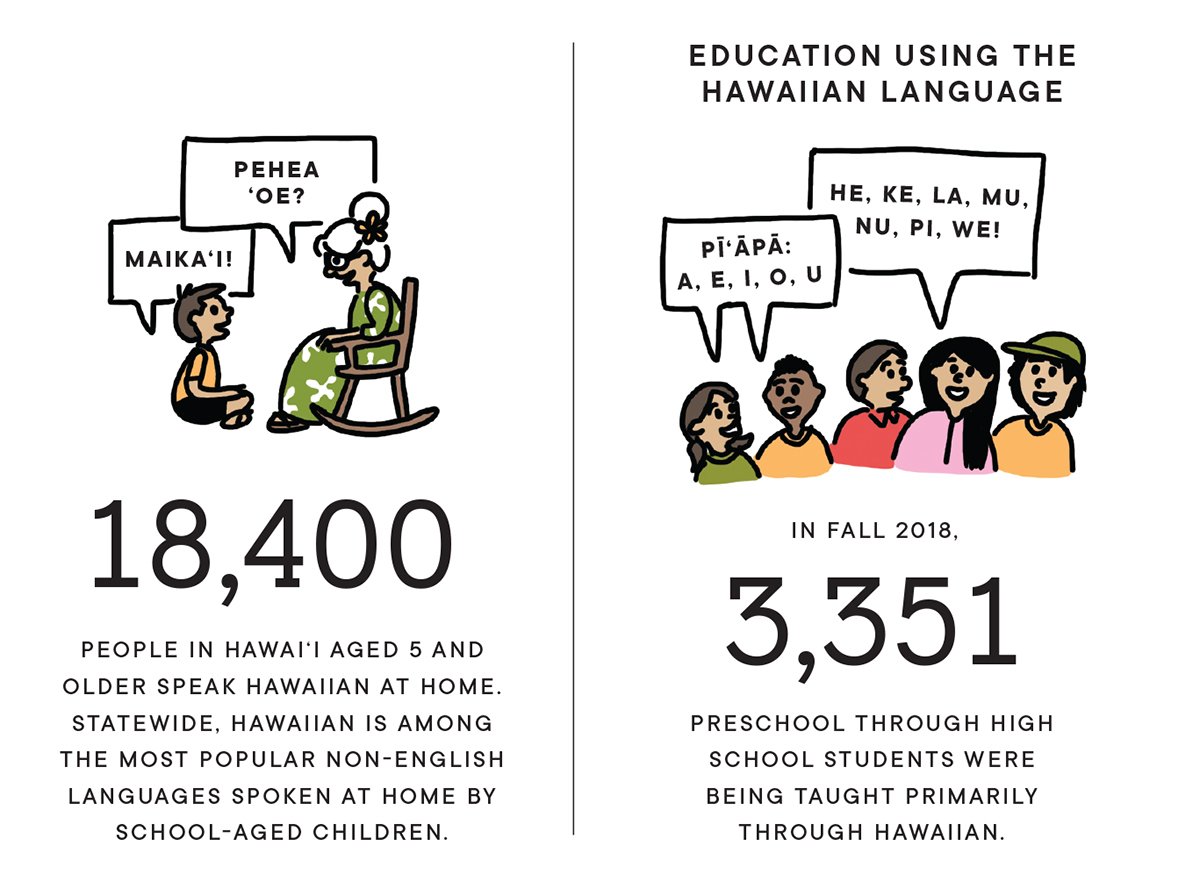
Beyond the prevalent English, the indigenous language of the islands, ‘Ōlelo Hawaiʻi, holds a profound cultural significance. While not commonly spoken in everyday transactions, its presence is deeply felt and increasingly celebrated throughout the islands. Once on the brink of extinction, the Hawaiian language has experienced a remarkable resurgence in recent decades, thanks to dedicated preservation efforts and a renewed pride in Hawaiian identity.
Cultural Significance and Preservation Efforts
‘Ōlelo Hawaiʻi is more than just a language; it is a repository of Hawaiian history, spirituality, and wisdom. Many place names, natural landmarks, and cultural concepts are intrinsically linked to Hawaiian words. Understanding even a few basic Hawaiian phrases not only shows respect but also deepens your connection to the land and its people. This revitalization has been championed by various organizations, educational institutions, and community groups across the islands. Hawaiian language immersion schools, from preschool to university levels, are now nurturing new generations of fluent speakers.
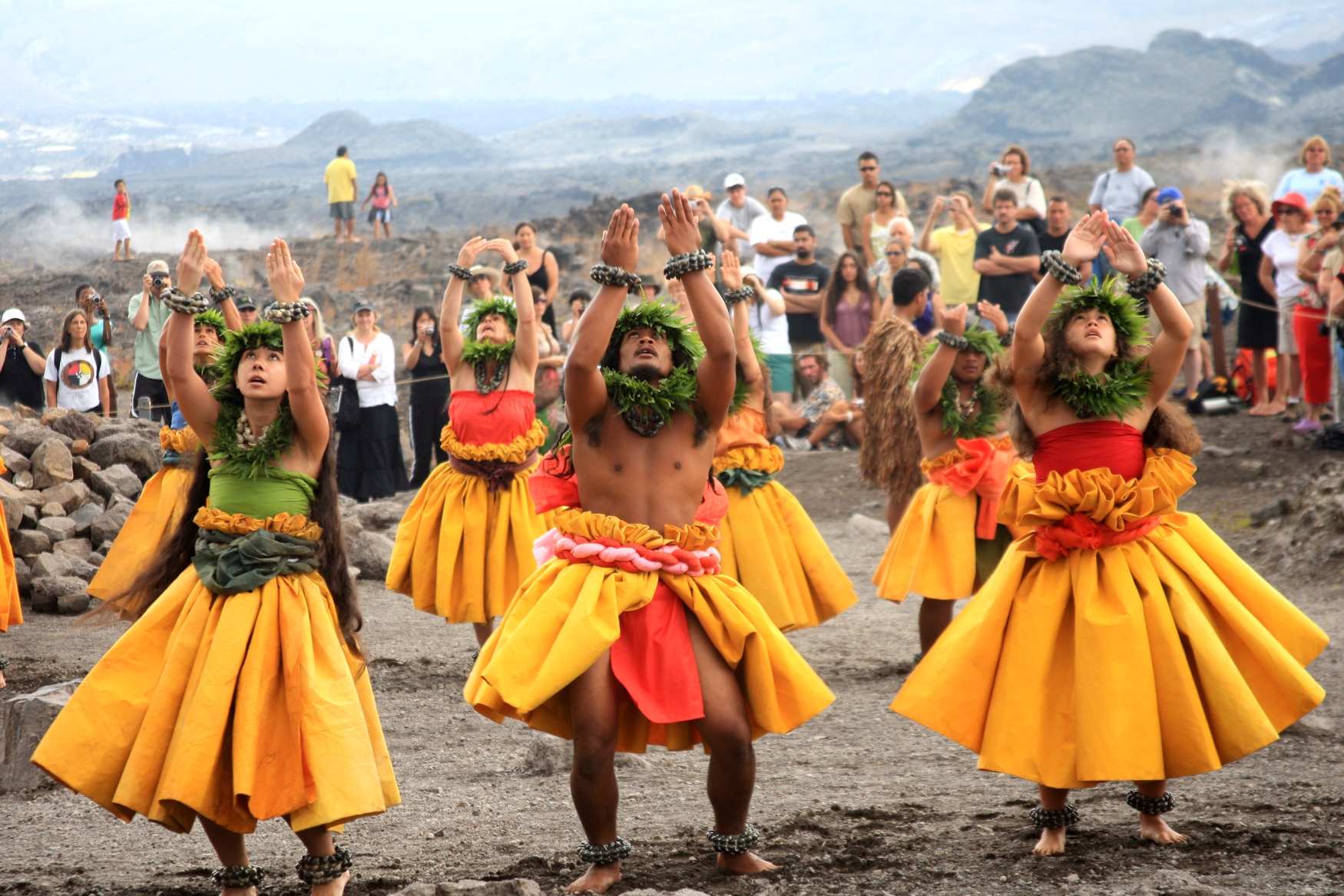
The University of Hawaii at Hilo, for instance, has been instrumental in these efforts, offering comprehensive programs that foster a deep understanding of the language and culture. You might hear ‘Ōlelo Hawaiʻi spoken at cultural events, hula performances, or during formal ceremonies. The Iolani Palace in Honolulu, the former residence of Hawaiian monarchs, offers tours that often incorporate Hawaiian words and historical context, bringing the language’s royal heritage to life.
Encountering Hawaiian Language: Beyond the Classroom
As a visitor, you will encounter ‘Ōlelo Hawaiʻi in many subtle yet meaningful ways. The ubiquitous greeting “Aloha” and farewell “Mahalo” (thank you) are just the beginning. Street names, districts, and famous landmarks often bear Hawaiian names, each with a specific meaning that tells a story about the place. For example, ” Mauna Kea” translates to “white mountain,” referring to its snow-capped peak, and ” Waikiki” means “spouting waters,” reflecting its historical landscape.
Many tourism-related businesses, from hotels to tour operators, consciously incorporate Hawaiian words and phrases into their branding and services to enhance the sense of place and local culture. You might find a hotel resort named after a Hawaiian word, or a restaurant menu featuring dishes with Hawaiian names. Even local news channels and radio stations occasionally feature segments or entire programs in ‘Ōlelo Hawaiʻi. Learning a few basic words like “E komo mai” (welcome), “A hui hou” (until we meet again), or “Komo mai” (come in) can open doors to more authentic interactions and show your appreciation for the local culture. This small effort can significantly enhance your travel experience and help you connect with the genuine Aloha Spirit.
The Soul of Local Communication: Hawaiian Pidgin
Perhaps the most unique and fascinating linguistic aspect of Hawaii is Hawaiian Pidgin, officially known as Hawaii Creole English. This vibrant creole language is spoken by a significant portion of the local population, particularly those who have grown up in the islands. It’s a distinct language, not merely “broken English,” and it reflects the islands’ rich multicultural history.
Understanding the Blend: A Unique Linguistic Tapestry
Hawaiian Pidgin emerged in the late 19th and early 20th centuries on the sugar and pineapple plantations, where workers from diverse linguistic backgrounds – including English, Hawaiian, Japanese, Tagalog, Portuguese, Korean, and Chinese – needed a common way to communicate. Over generations, this contact language evolved into a full-fledged creole with its own grammar, vocabulary, and distinct rhythm. It’s a language born of necessity and community, embodying the melting pot nature of Hawaiian society.
While fluent Pidgin speakers can switch to standard English when needed, many locals use Pidgin among family and friends, in casual settings, and sometimes in local businesses. It’s often characterized by simplified grammar, a unique intonation, and a rich vocabulary borrowed from its various root languages. For example, “Howzit?” is a common Pidgin greeting (a contraction of “How is it?”), and “Bumbai” means “later” or “eventually.” Understanding Pidgin provides a window into the local lifestyle and the daily interactions that define island life. It’s an integral part of Hawaii’s cultural identity, reflecting the historical journey of its people.
Tips for Engaging with Locals and Embracing the Pidgin Spirit
As a visitor, you might encounter Pidgin more often than ‘Ōlelo Hawaiʻi, especially outside of major tourist hubs. While you’re not expected to speak it, recognizing some common phrases or understanding its context can certainly enhance your interactions with locals. You might hear it at a casual eatery, a local surf spot, or a community event.
The key is not to try and imitate Pidgin unless you are genuinely familiar with it, as it can sometimes come across as insincere. Instead, simply listen, observe, and appreciate its unique flavor. Many locals are proud of their Pidgin heritage and appreciate when visitors show genuine interest or respect for their communication style. Engaging with locals at places like the Ala Moana Center or a farmer’s market in Kona can provide opportunities to hear Pidgin in its natural setting. If you’re invited to a local gathering or a family meal, you’ll undoubtedly hear Pidgin spoken freely, giving you a deeper insight into the community. Embracing this aspect of Hawaiian culture is part of a truly authentic travel experience.
A Melting Pot of Tongues: Other Languages in Hawaii
Beyond English, Hawaiian, and Pidgin, Hawaii’s diverse population speaks a remarkable array of other languages, reflecting its history as a crossroads of the Pacific. These languages contribute to the rich tapestry of cultures that define the islands today.
Asian and Pacific Island Influences
Due to waves of immigration over the past two centuries, particularly from Asia and other Polynesian islands, languages such as Japanese, Tagalog (from the Philippines), Korean, and various dialects of Chinese (Mandarin and Cantonese) are also spoken by significant communities. In neighborhoods with high concentrations of these communities, you might find storefronts, restaurants, and community centers with signage in these languages.
Japanese, in particular, has a strong presence, given the historical ties and the large number of Japanese tourists. Many businesses in Waikiki and Honolulu cater specifically to Japanese visitors, offering services and information in Japanese. You might hear it spoken by tourists and locals alike, reflecting the enduring connection between Japan and Hawaii. Similarly, the vibrant Filipino community ensures that Tagalog and Ilocano are heard in various parts of the islands, particularly at cultural events and family gatherings. The presence of these languages enriches the cultural landscape, offering diverse culinary experiences and unique cultural activities that visitors can explore. These linguistic communities contribute to Hawaii’s reputation as a truly global destination.
Making the Most of Your Hawaiian Linguistic Journey
Your journey through Hawaii will undoubtedly be enhanced by an awareness and appreciation of its linguistic diversity. While English will serve you perfectly well for all practical aspects of your trip, a little effort to engage with the other languages can unlock deeper cultural insights and more memorable interactions.
Practical Phrases and Cultural Sensitivity
Here are a few essential phrases to get you started, primarily in Hawaiian, which is universally appreciated:
- Aloha: Hello, Goodbye, Love, Peace (a multifaceted word embodying the spirit of Hawaii)
- Mahalo: Thank you
- E komo mai: Welcome
- ‘A’ole pilikia: No problem / You’re welcome
- Kōkua: Help (often seen on signs)
- Pau: Finished, done
When interacting with locals, always approach with respect and a genuine interest in their culture. While Pidgin is a part of the local identity, it’s not for tourists to appropriate. Instead, appreciate it as a living language that reflects the unique history of the islands. Demonstrating an understanding of Hawaiian culture, perhaps by visiting historical sites like the Kamehameha I Statue or engaging with local arts, goes a long way.
In conclusion, while English is the bedrock of communication for visitors in Hawaii, the islands offer a much richer linguistic tapestry. The resurgence of ‘Ōlelo Hawaiʻi provides a profound connection to the indigenous culture, while Hawaiian Pidgin offers a glimpse into the everyday life and unique history of its people. By embracing this linguistic diversity, you’ll not only navigate the islands with ease but also forge deeper connections and take home a more profound understanding of what truly makes Hawaii a paradise unlike any other. Whether you’re planning a luxury travel experience or a budget adventure, understanding the local tongues will undoubtedly enrich your memories of this extraordinary destination.
LifeOutOfTheBox is a participant in the Amazon Services LLC Associates Program, an affiliate advertising program designed to provide a means for sites to earn advertising fees by advertising and linking to Amazon.com. Amazon, the Amazon logo, AmazonSupply, and the AmazonSupply logo are trademarks of Amazon.com, Inc. or its affiliates. As an Amazon Associate we earn affiliate commissions from qualifying purchases.