
When planning a trip, understanding the various meal plan options offered by hotels is crucial for both budgeting and maximizing your experience. Among the common choices like bed and breakfast, full board, and all-inclusive, “half board” often sparks curiosity. This article delves into what half board hotel means, exploring its benefits, drawbacks, and how it fits into different travel styles. We’ll also consider how it aligns with broader travel themes like exploring new destinations, enjoying local cuisine, and finding the perfect accommodation to suit your needs.
Understanding the Half Board Concept
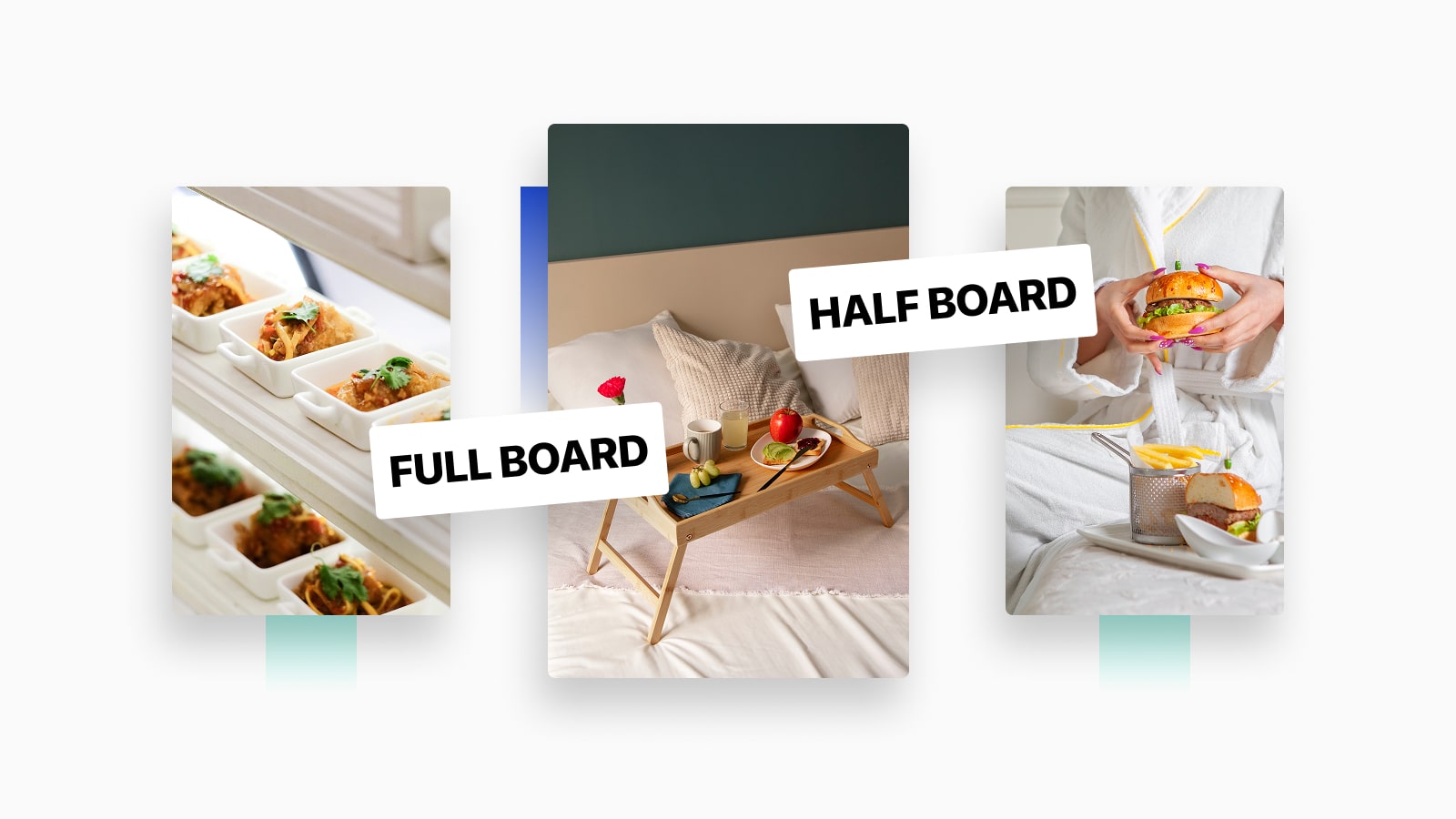
At its core, half board is a hotel package that includes two meals per day, typically breakfast and dinner. This is a popular choice for travelers who want to enjoy the convenience of having some meals provided while still allowing flexibility to explore local eateries for their other meals. The exact inclusions can vary between hotels and destinations, so it’s always wise to confirm the specifics with your chosen accommodation.
The Core Inclusions: Breakfast and Dinner
The most common interpretation of half board is that it covers your breakfast and your evening meal. Breakfast is usually served in the hotel’s main restaurant, often in a buffet style, offering a range of hot and cold items to start your day. This can include fruits, pastries, cereals, eggs, bacon, and local specialties, depending on the hotel’s location and target clientele.
Dinner, the second included meal, can also be a buffet or an à la carte menu. Some hotels might offer a set menu for half board guests, while others allow you to choose from a wider selection. It’s important to note that drinks are often not included with dinner in a half board package, unless specified otherwise. This means you’ll likely need to pay extra for any alcoholic or non-alcoholic beverages consumed with your evening meal.
What’s Typically Excluded?
Understanding what’s not included is just as vital as knowing what is. With half board, lunch is the primary meal that is not covered. This exclusion is what differentiates it from full board, which includes all three main meals. Additionally, as mentioned, drinks are frequently an extra cost. Snacks throughout the day, minibar items, and any special dining experiences (like a romantic dinner on the beach or a themed buffet with entertainment) will also usually incur additional charges.
Variations to Consider
While breakfast and dinner is the standard, some hotels might offer slightly different combinations. For example, some might offer breakfast and lunch. This is less common but can be a good option for those who prefer a lighter dinner or plan to dine out in the evenings. It’s always recommended to clarify the exact meal times and the type of dining experience (buffet vs. à la carte) when booking to avoid any misunderstandings. Some resorts might even offer the flexibility to swap dinner for lunch on a particular day, which can be beneficial if you have evening plans like a special event or a late-night excursion.
Benefits of Choosing Half Board
Opting for a half board package can significantly enhance your travel experience in several ways, particularly if you’re seeking a balance between convenience, budget control, and exploration.
Convenience and Time-Saving
One of the biggest advantages of half board is the sheer convenience it offers. Knowing that two of your main meals are sorted each day can save you a considerable amount of time and mental energy. Instead of researching restaurants, navigating unfamiliar streets for lunch, or queuing for breakfast, you can simply head to the hotel’s dining facilities. This is especially beneficial in the morning, allowing you to have a relaxed start to your day without the immediate pressure of finding sustenance. For those arriving late or departing early, having breakfast and dinner included can simplify logistics. Imagine arriving at your hotel in the evening after a long journey; the prospect of a prepared meal waiting for you is incredibly appealing. This is a significant plus for busy travelers or those who prefer to dedicate more of their precious vacation time to sightseeing and relaxation.
Budgeting and Cost Control
Half board can be an excellent tool for managing your travel budget. By pre-paying for breakfast and dinner, you have a clearer picture of your expenses from the outset. This helps prevent unexpected costs from mounting, especially in tourist-heavy areas where dining out can be surprisingly expensive. While the individual cost of meals at the hotel might be slightly higher than what you might find at a local eatery, the predictability of the cost is a major advantage. You can then allocate your remaining budget for lunch, snacks, and any other treats or activities. This structured approach to dining costs allows for better financial planning, making your trip more enjoyable without the constant worry of overspending on food. For families traveling with children, knowing that two meals are covered can also be a significant relief on the overall vacation budget.
Flexibility for Exploration
The beauty of half board lies in its inherent flexibility. By excluding lunch, it leaves you with the perfect opportunity to explore the local culinary scene. This means you can savor authentic regional dishes at charming trattorias in Rome, enjoy fresh seafood at a beachfront cafe in Santorini, or try street food delicacies in Bangkok. This freedom allows you to immerse yourself in the local culture through its food, which is often a highlight of any travel experience. You can seek out highly-rated restaurants, discover hidden gems recommended by locals, or simply grab a quick bite at a cafe while sightseeing. This blend of hotel convenience and independent culinary exploration is a winning combination for many travelers.
Catering to Different Travel Styles
Half board can cater to a wide array of travel styles. For budget travelers, it offers a reliable way to keep food costs down while still enjoying some of the hotel’s amenities. For luxury travelers, even in high-end resorts, half board can provide a seamless dining experience, allowing them to focus on relaxation and exclusive experiences. For families, it simplifies meal times, reducing the stress of managing picky eaters or finding kid-friendly options for every meal. Couples on a romantic getaway can enjoy their dinners at the hotel after a day of exploring, or venture out for a special meal knowing their breakfasts are taken care of. Even for business travelers, a half board option can be convenient, especially if their meeting schedules are demanding and leave little time for elaborate lunch arrangements. The ability to enjoy a hearty breakfast before a busy day and a relaxing dinner after, without needing to leave the hotel, can be a significant benefit.
Who is Half Board Best Suited For?
Determining if half board is the right choice for your vacation depends on your personal preferences, travel itinerary, and budget. It’s not a one-size-fits-all solution, but it excels for specific types of travelers and trip dynamics.

The Explorer Who Enjoys Local Flavors
If your travel philosophy centers around immersing yourself in local culture, then half board is an excellent fit. This package is designed for those who see food as an integral part of their travel adventure. You can spend your days exploring the charming streets of Paris, visiting iconic landmarks like the Eiffel Tower, and then seek out authentic local bistros for a delicious lunch. In the evenings, you can either opt for the convenience of your hotel’s dinner or, if your day’s exploration has led you to a particularly enticing restaurant, you might choose to dine out again, effectively “trading” your hotel dinner for another culinary experience. This flexibility allows you to experience the best of both worlds: the structured convenience of provided meals and the spontaneous joy of discovering local gastronomic treasures. This approach is particularly rewarding in destinations renowned for their food culture, such as Italy or Spain.
The Traveler Seeking a Balance of Convenience and Independence
For individuals or couples who appreciate a degree of pre-arranged comfort without being tied down to a hotel’s dining schedule for every meal, half board strikes an ideal balance. It eliminates the morning rush to find breakfast and the need to plan for dinner every night, freeing up mental space for enjoying your holiday. However, it still allows for the spontaneity of deciding where and when to have lunch. This is perfect for a relaxed beach vacation where you might spend your days lounging by the pool or exploring a nearby town, picking up a light lunch from a local cafe or beachside vendor. Similarly, if you have an active itinerary filled with sightseeing and excursions, having your breakfast and dinner covered provides a reliable and stress-free dining solution. This is especially true when traveling to more remote locations or areas where dining options might be limited outside of the main tourist hubs.
Families with Young Children
Half board can be a godsend for families traveling with young children. The predictability of mealtimes can significantly reduce stress. Knowing that breakfast and dinner are readily available at the hotel means fewer arguments about where to eat, less time spent searching for suitable options, and a consistent dining environment that children are familiar with. Many hotels offering half board also have family-friendly dining options, including buffets with a variety of choices that often appeal to younger palates. Furthermore, the cost savings can be substantial for families, as children’s meals can add up quickly. By covering two meals, parents can better manage their budget and focus on enjoying quality time with their children, whether they are exploring the wonders of Disneyland Paris or enjoying the amenities of a resort in the Algarve.
Travelers on a Fixed Budget
For those meticulously planning their finances, half board offers a transparent and predictable way to manage food expenses. When you book a half board package, the cost of breakfast and dinner is fixed upfront. This prevents the common pitfall of underestimating food costs, which can often lead to budget overruns. With two meals accounted for, travelers can more accurately allocate the remaining funds for lunches, snacks, activities, and souvenirs. This is particularly beneficial when traveling to expensive cities or countries where dining out for every meal could quickly deplete a carefully constructed budget. It allows for a more relaxed approach to spending, knowing that a significant portion of your food expenditure is already settled.
Making the Most of Your Half Board Stay
To truly maximize the value and enjoyment of a half board hotel package, a little planning and awareness go a long way. It’s about understanding the nuances of your specific booking and leveraging the flexibility it offers.
Always Check the Specifics of Your Booking
The term “half board” can have slight variations between hotels and even between different room types within the same hotel. Before you finalize your booking, it is essential to carefully read the details provided by the hotel or booking platform. Pay close attention to:
- Meal Times: Confirm the exact hours for breakfast and dinner. Are they early enough for an active morning or late enough if you plan on enjoying evening activities?
- Dining Location: Will your meals be served in the hotel’s main buffet restaurant, or is there an option for an à la carte experience? Some luxury hotels might offer a premium dining experience as part of half board, while others might designate specific restaurants.
- Inclusions and Exclusions: As mentioned, drinks are frequently not included with dinner. Some packages might offer a complimentary drink with your evening meal, while others will require you to purchase beverages separately. Understand if any local taxes or service charges are additional.
- Flexibility: Can you swap your dinner for lunch on a particular day? This can be a lifesaver if you have an evening excursion planned or discover a must-try restaurant in town for your evening meal.
By clarifying these points upfront, you can avoid any surprises and ensure your half board experience aligns perfectly with your expectations.
Strategize Your Lunch and Snack Choices
Since lunch is not included, this is where your opportunity for culinary exploration comes into play.
- Embrace Local Cuisine: Use your lunch breaks to dive into the local food scene. Research authentic restaurants, street food stalls, or markets in the area around your hotel or your day’s planned attractions. This is your chance to taste regional specialties you might not find in a typical hotel buffet. For instance, if you’re staying near Florence, a panino from a local vendor is a quintessential lunch experience.
- Picnics and Light Bites: For a more budget-friendly and relaxed approach, consider packing a picnic. Many supermarkets offer local cheeses, cured meats, fresh bread, and fruits that make for a delightful and affordable lunch, especially if you’re spending the day exploring a scenic park or a historical site like Machu Picchu.
- Consider Hotel Lunch Options: If you have a particularly busy day of sightseeing or prefer convenience, check the hotel’s lunch options. Sometimes, a casual poolside cafe or a hotel restaurant can offer a reasonably priced and quick lunch, especially if you’re in a location where independent options are scarce or expensive.
Don’t Be Afraid to Dine Out for Dinner Occasionally
While half board includes dinner, it doesn’t mean you’re obligated to eat at the hotel every single night. If you’ve had an incredible day exploring a city like Tokyo and discovered a hidden gem of a restaurant that you simply must try, consider making that your dinner. In such cases, you might forfeit the hotel dinner for that evening. Weigh the cost and experience. If the alternative dining experience is significantly more rewarding and fits your budget, it’s often worth it. However, remember that you’ve already paid for the hotel dinner, so weigh the decision carefully.
Consider the Hotel’s Location
The location of your hotel plays a significant role in how you’ll utilize half board.
- City Hotels: In bustling cities like New York City or London, you’ll likely have an abundance of dining options within walking distance or a short public transport ride. This makes the flexibility of half board particularly appealing, as you can easily explore various culinary delights for lunch.
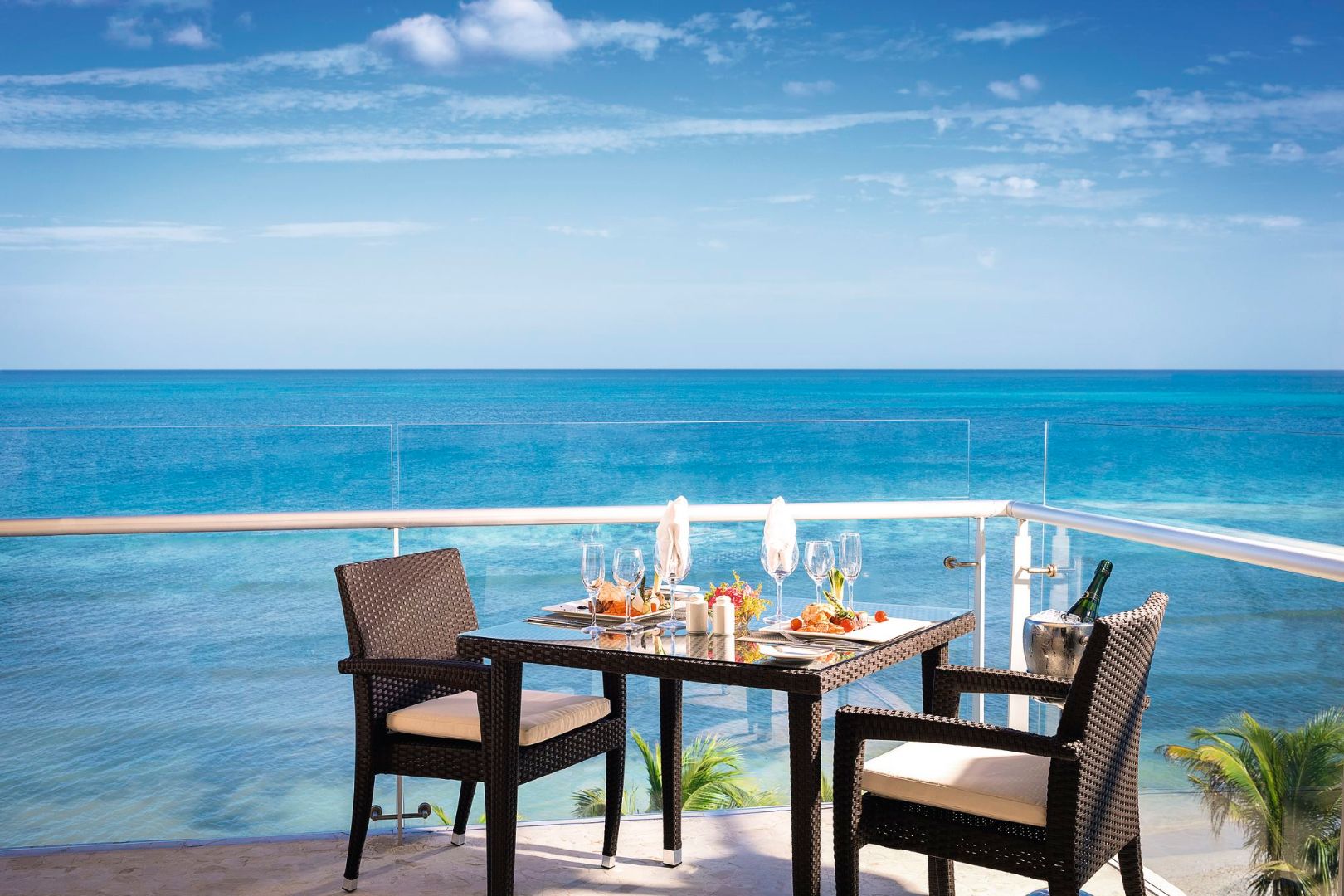
- Resort Destinations: In more secluded resort areas, such as a beach resort in the Maldives or a ski resort in the Alps, dining options outside the hotel might be limited or non-existent. In such scenarios, half board becomes more valuable for its convenience and ensures you have guaranteed meals, as venturing out for lunch might be impractical or expensive.
By understanding these aspects, you can make an informed decision about whether half board is the perfect culinary companion for your next adventure, allowing you to strike the ideal balance between planned convenience and spontaneous discovery.
LifeOutOfTheBox is a participant in the Amazon Services LLC Associates Program, an affiliate advertising program designed to provide a means for sites to earn advertising fees by advertising and linking to Amazon.com. Amazon, the Amazon logo, AmazonSupply, and the AmazonSupply logo are trademarks of Amazon.com, Inc. or its affiliates. As an Amazon Associate we earn affiliate commissions from qualifying purchases.