
Stanley Kubrick’s chilling masterpiece, The Shining, is a film that burrows deep into the psyche, its unsettling atmosphere amplified by its iconic, isolated setting. The Overlook Hotel, a character in itself, looms large in the minds of viewers, a labyrinth of hallways, grand ballrooms, and shadowed corners that seem to breathe with malevolence. This begs a question that has fascinated fans for decades: where was this terrifying edifice actually brought to life? The answer, however, is more complex than a simple single location.
While the film powerfully portrays the Overlook Hotel as a concrete, imposing structure, the reality is that The Shining was not filmed in a single, operational hotel that mirrored its on-screen presence. Instead, Stanley Kubrick employed a meticulous and ingenious approach, blending real-world locations with intricate set designs to create the unforgettable Overlook. This duality is key to understanding the film’s enduring power and the mystique surrounding its filming.
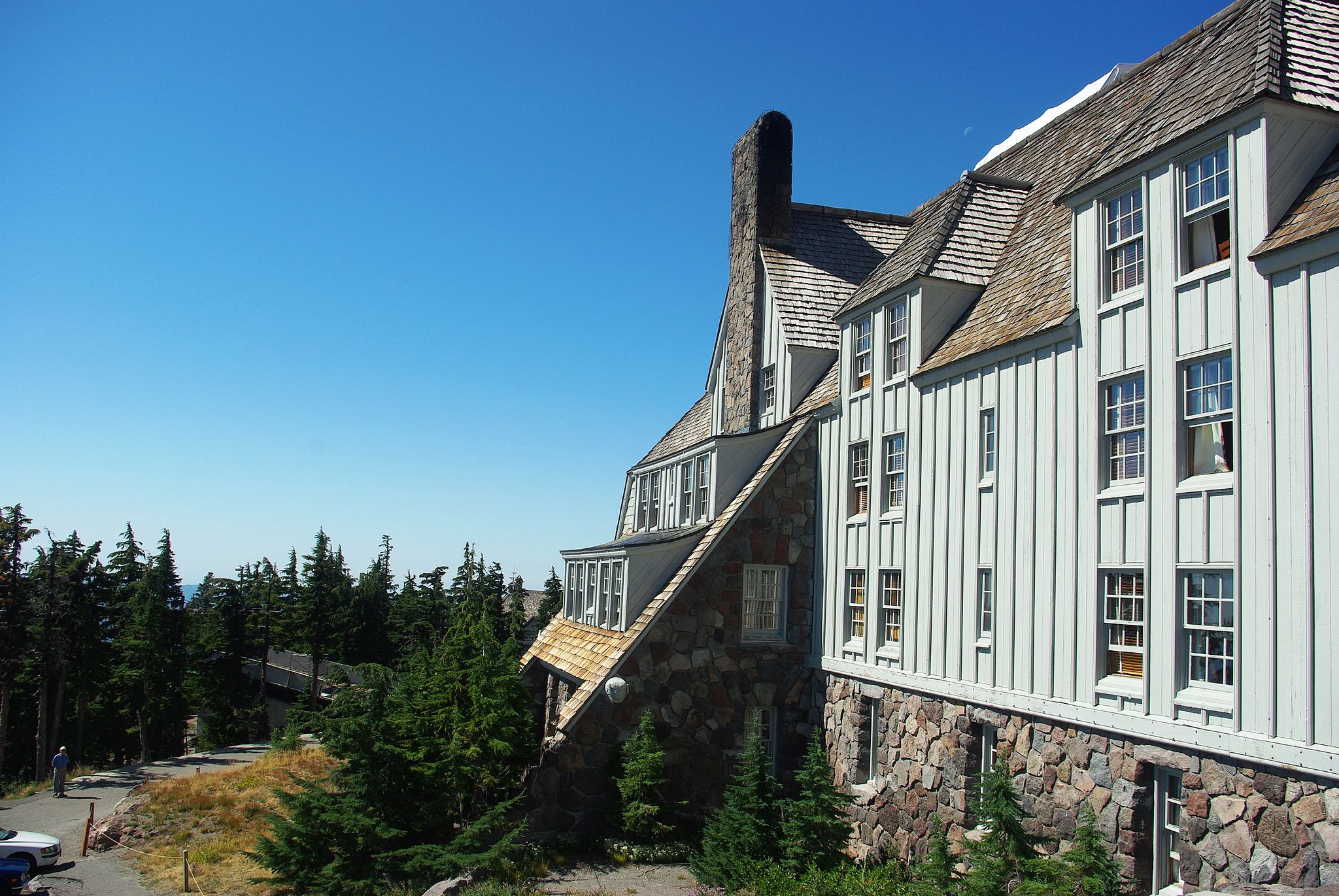
The Real-World Inspirations and the Exterior Shots
The primary inspiration for the Overlook Hotel’s exterior and its desolate, mountainous setting comes from the Timberline Lodge, an historic National Historic Landmark located on Mount Hood in Oregon. Perched high in the Cascade Mountains, the Timberline Lodge provided the initial visual blueprint for the Overlook’s imposing facade, its snow-laden roof, and its remote, almost hostile environment.
Timberline Lodge: A Glimpse of the Overlook
When audiences first see the Overlook Hotel in The Shining, the sweeping exterior shots are indeed of the Timberline Lodge. Built in the late 1930s as a Works Progress Administration (WPA) project, the lodge is a magnificent example of Rustic architecture, designed to blend seamlessly with its natural surroundings. Its sturdy timber beams, grand stone fireplace, and expansive windows evoke a sense of grandeur and isolation, perfectly capturing the essence of the fictional Overlook.
However, the Timberline Lodge itself was not used for the extensive interior filming. Kubrick found the lodge’s layout and operational nature impractical for his needs. He required precise control over the environment, something an operating hotel could not provide. Therefore, while the Timberline Lodge served as the visual template for the Overlook’s exterior, the interior spaces that viewers inhabit throughout the film were largely constructed elsewhere.
The iconic shot of the Volkswagen Beetle driving through a winding mountain road towards the Overlook? That was filmed on the scenic routes around Mount Hood, further cementing the Oregon location as the film’s geographical anchor. The snow-covered landscapes, the vastness of the wilderness – these were all captured in the breathtaking, and at times terrifying, natural beauty of the Pacific Northwest. This careful selection of the Timberline Lodge and its surroundings provided the essential atmospheric backdrop for the unfolding psychological drama.
The Overlook Hotel: A Constructed Reality
The vast majority of the interior scenes, the labyrinthine corridors, the cavernous ballroom, and the claustrophobic hotel rooms, were meticulously recreated on sound stages. This was a deliberate choice by Stanley Kubrick, who sought absolute control over every aspect of the filming environment.

Elstree Studios: The Heart of the Overlook
The interiors of the Overlook Hotel were primarily built and filmed at Elstree Studios in Hertfordshire, England. This was a significant undertaking, requiring the construction of vast, elaborate sets that mirrored the grandeur and unsettling architecture Kubrick envisioned.
The most iconic interior element, the hedge maze, was famously built not just on a sound stage but also in a field near Borehamwood, England. Kubrick had an enormous, life-sized maze constructed, allowing for the chilling chase sequences between Jack Torrance and his son, Danny. This practical, physical maze added a tangible layer of terror to these pivotal moments.
The Gold Room, the opulent ballroom where Jack Torrance encounters the ghostly bartenders and patrons, was a stunning, custom-built set at Elstree Studios. Its spaciousness and eerie elegance perfectly accommodated the spectral gatherings that plague Jack. Similarly, the Colorado Lounge, with its distinctive fireplace and hexagonal patterns, was a creation of the studio’s art department.
Kubrick’s decision to build the Overlook’s interiors on sound stages allowed him to meticulously craft the atmosphere. He had complete control over lighting, camera angles, and the placement of every prop. This level of control was crucial for his signature directorial style, which emphasized precision and psychological impact. The vastness and seemingly endless corridors of the constructed Overlook contributed significantly to the film’s unsettling feeling of isolation and entrapment, even though the actors were performing on a sound stage and not within the actual walls of an operating hotel.
Beyond the Overlook: The Enduring Legacy
While the Timberline Lodge and Elstree Studios were the primary physical locations for The Shining, the film’s impact transcends its production origins. The Overlook Hotel has become a legendary cinematic landmark, a symbol of isolation, madness, and the supernatural.

The “Haunted” Reputation and Tourism
The association with The Shining has undoubtedly brought a significant amount of attention to the Timberline Lodge. Visitors from around the world flock to Oregon hoping to catch a glimpse of the building that inspired the ominous Overlook. While the lodge itself is a beautiful and historic resort, and certainly offers a welcoming atmosphere, it’s the ghostly tales and the film’s dark narrative that draw many curious travelers. It’s important for visitors to understand that the terrifying events of the film did not take place within the actual Timberline Lodge.
The film’s enduring popularity has also sparked numerous debates and explorations into the psychology of fear and isolation. The Overlook Hotel, whether a real place or a meticulously crafted set, continues to captivate audiences, proving the power of cinema to create unforgettable worlds and enduring legends. The experience of staying at the Timberline Lodge offers a unique blend of historical tourism and a connection to a beloved horror film, providing a memorable travel experience for fans and architecture enthusiasts alike. The lodge’s own history as a feat of engineering and a testament to the WPA era adds another layer of fascination to any visit, making it more than just a filming location, but a destination in its own right.
In conclusion, The Shining wasn’t filmed in one singular hotel. The exterior was inspired by and features the Timberline Lodge in Oregon, while the interior chilling realities of the Overlook Hotel were brought to life through masterful set design at Elstree Studios in England. This dual approach, a blend of real-world inspiration and studio construction, allowed Stanley Kubrick to craft a cinematic experience that remains as potent and terrifying today as it was upon its release. The legend of the Overlook Hotel, therefore, is a testament to the collaborative efforts of filmmakers, designers, and the unique spirit of its chosen inspirations.
LifeOutOfTheBox is a participant in the Amazon Services LLC Associates Program, an affiliate advertising program designed to provide a means for sites to earn advertising fees by advertising and linking to Amazon.com. Amazon, the Amazon logo, AmazonSupply, and the AmazonSupply logo are trademarks of Amazon.com, Inc. or its affiliates. As an Amazon Associate we earn affiliate commissions from qualifying purchases.