
Nestled in the vast expanse of the Pacific Ocean, Hawaii stands as an isolated paradise, a beacon of aloha spirit, breathtaking landscapes, and vibrant culture. For millions of travelers from around the globe, this archipelago of eight main islands—Oahu, Maui, Hawaii (often called the Big Island), Kauai, Molokai, Lanai, Niihau, and Kahoolawe—represents the ultimate escape. While much of the travel planning revolves around choosing the perfect resort, booking exciting attractions, or mapping out must-try culinary experiences, one crucial detail often goes overlooked: the local timezone. Understanding Hawaii Standard Time (HST) is not just a logistical detail; it’s a fundamental aspect that shapes the entire travel experience, influencing everything from flight schedules and tour bookings to managing jet lag and maximizing your precious vacation moments.
Hawaii operates on a unique temporal rhythm, distinct from much of the rest of the USA and the world. This difference is more than just a number on a clock; it’s a gateway to understanding the island lifestyle and preparing for a truly seamless journey. For those planning a luxurious stay at the Four Seasons Resort Lanai, an adventurous trek up Diamond Head on Oahu, or a cultural immersion at a traditional Luau in Lahaina, being in sync with HST is paramount. This comprehensive guide will delve into the intricacies of Hawaii’s timezone, its historical context, practical implications for travelers, and how to embrace this unique temporal setting for an unforgettable Hawaiian adventure.
Understanding Hawaii Standard Time (HST)
Hawaii’s geographical isolation in the middle of the Pacific Ocean naturally places it in a timezone distinct from the continental United States. This distinction is codified as Hawaii Standard Time, a non-negotiable aspect of life across the islands.
The Specifics of HST
Hawaii Standard Time is officially designated as UTC-10, meaning it is ten hours behind Coordinated Universal Time (UTC). This designation sets Hawaii significantly apart from most global time zones.
One of the most defining characteristics of HST, and a critical point for travelers to remember, is that Hawaii does not observe Daylight Saving Time. While many parts of the world, including the mainland US, adjust their clocks forward an hour in the spring and back an hour in the fall, Hawaii’s clocks remain constant year-round. This has significant implications for time differences, which fluctuate depending on the season.
Let’s consider how HST compares to other major time zones, particularly those in North America, which is a primary source of Hawaii’s visitors:
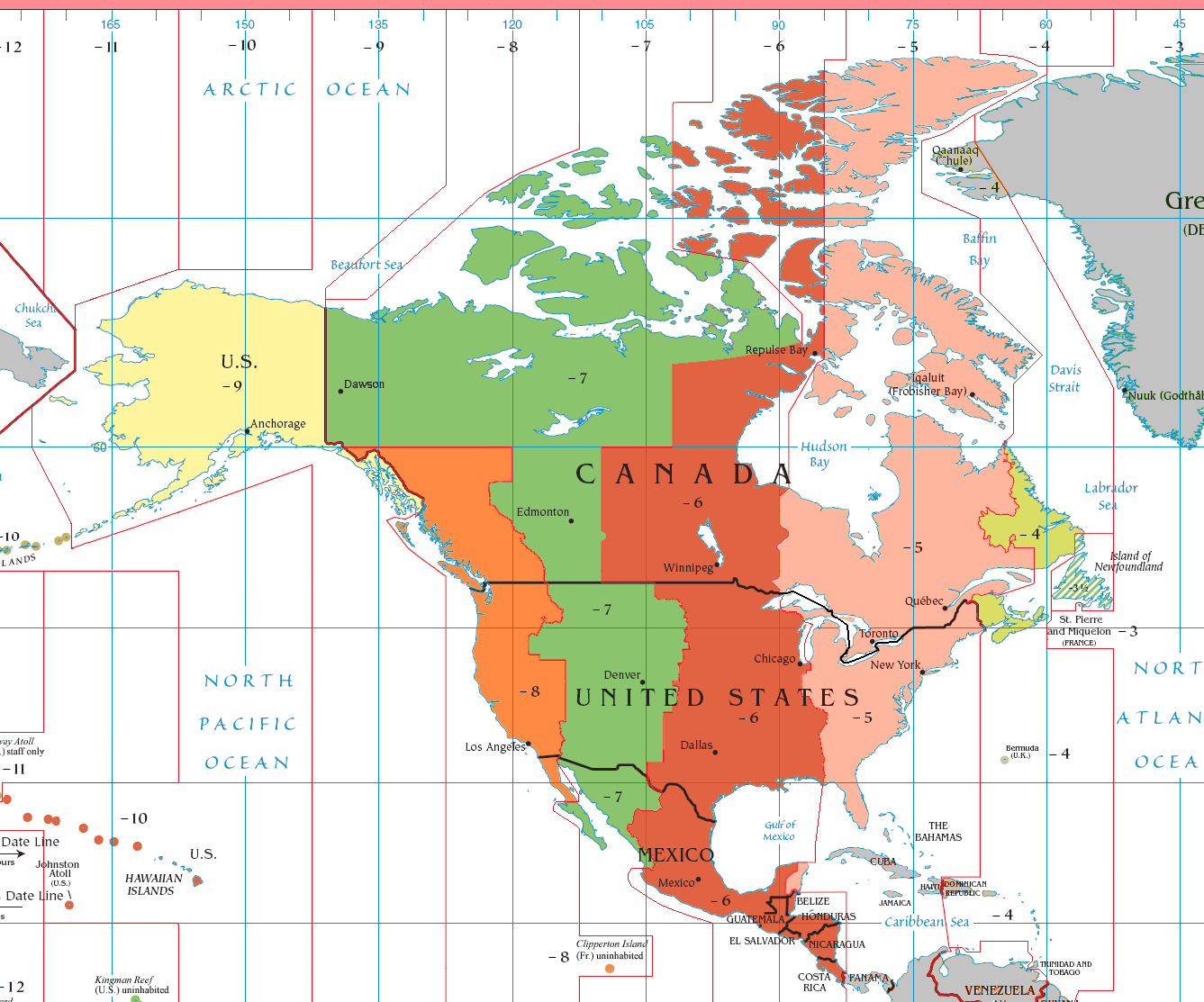
- Pacific Standard Time (PST) / Pacific Daylight Time (PDT): During standard time (winter), Hawaii is two hours behind PST. For example, if it’s 12:00 PM in Los Angeles, it’s 10:00 AM in Honolulu. However, during Daylight Saving Time (summer), when the Pacific zone shifts to PDT, Hawaii becomes three hours behind. So, 12:00 PM PDT in Los Angeles means 9:00 AM HST in Honolulu. This seasonal shift is crucial for communication and scheduling.
- Mountain Standard Time (MST) / Mountain Daylight Time (MDT): Hawaii is three hours behind MST and four hours behind MDT. A 12:00 PM MST in Denver would be 9:00 AM HST, and 12:00 PM MDT would be 8:00 AM HST.
- Central Standard Time (CST) / Central Daylight Time (CDT): Hawaii is four hours behind CST and five hours behind CDT. If it’s 12:00 PM CST in Chicago, it’s 8:00 AM HST. During CDT, it would be 7:00 AM HST.
- Eastern Standard Time (EST) / Eastern Daylight Time (EDT): Hawaii is five hours behind EST and six hours behind EDT. This means a 12:00 PM EST in New York translates to 7:00 AM HST, and during EDT, it would be a very early 6:00 AM HST.
For travelers from Asia or Australia, the time difference can be even more pronounced, crossing the International Date Line. For instance, Hawaii is typically 20 hours behind Sydney, Australia (AEST), meaning you arrive almost a day earlier than when you departed in terms of local time, despite the long flight duration. Similarly, it’s 19 hours behind Tokyo and 20 hours behind Singapore, making careful date and time conversion essential for international itineraries.
Geographical and Historical Context
Hawaii’s unique timezone is a direct consequence of its isolated position in the central Pacific. The Hawaiian Islands are geographically situated far west of the North American continent, placing them firmly within their own time meridian. This ensures that midday occurs when the sun is highest in the sky, aligning human activity with the natural solar rhythm, a practice dating back to the earliest Polynesians who navigated these waters.
The decision to adopt HST and forgo Daylight Saving Time was a pragmatic one. Given Hawaii’s proximity to the equator, the length of day and night does not fluctuate significantly throughout the year. There’s no pronounced seasonal variation in daylight hours that would warrant an adjustment, unlike higher latitudes in the mainland US or Europe. Additionally, maintaining a consistent time eliminates confusion for residents and businesses, providing a stable temporal framework for daily life and tourism operations.
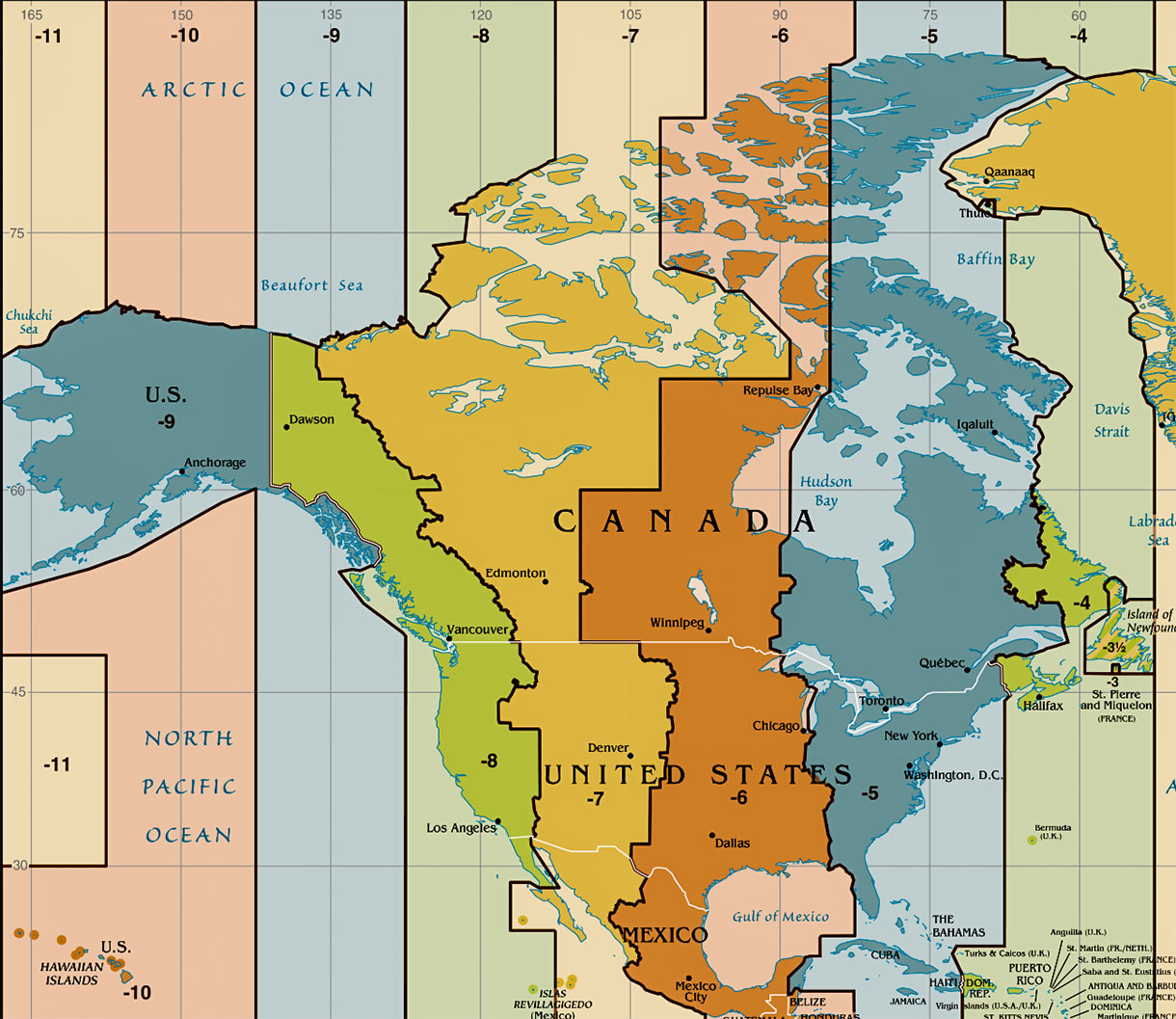
While the United States spans multiple time zones, including Alaskan Standard Time and Samoa Standard Time, Hawaii’s position makes HST distinct and serves as the westernmost time zone within the US and its territories that are commonly visited by tourists. This geographical isolation makes understanding and adapting to HST a fundamental part of the Hawaiian travel experience.
Navigating Time Differences: Implications for Travel
For most travelers, the significant time difference to Hawaii is the first real challenge and opportunity they encounter. How you manage this temporal shift can profoundly impact your trip, from how quickly you shake off travel fatigue to how efficiently you navigate your itinerary.
Conquering Jet Lag
Jet lag is perhaps the most immediate and impactful consequence of traveling across multiple time zones, especially when heading east to west, as most visitors to Hawaii do. The further you travel from your origin, the more pronounced the symptoms: fatigue, insomnia, irritability, and digestive issues. However, with careful planning, you can significantly mitigate its effects.
Tips for Minimizing Jet Lag:
- Gradual Adjustment: Before departure, try to gradually shift your sleep schedule closer to HST. Even an hour or two shift in bedtime and wake-up time a few days before your flight can make a difference.
- Hydration is Key: Drink plenty of water before, during, and after your flight. Dehydration exacerbates jet lag symptoms. Avoid excessive caffeine and alcohol, as they can disrupt sleep patterns and worsen dehydration.
- Embrace Sunlight: Upon arrival, expose yourself to natural daylight as much as possible, especially in the mornings. Sunlight helps reset your body’s internal clock (circadian rhythm). Take a walk on Waikiki Beach or enjoy breakfast outdoors.
- Stay Active: Gentle exercise, like a swim or a walk, can help alleviate stiffness and boost energy levels without overstimulating you. Many Hawaii hotels and resorts offer excellent fitness facilities or beachfront access for easy walks.
- Sleep Smart: Try to avoid long naps during the day. If you must nap, keep it short (20-30 minutes) to avoid falling into deep sleep, which can make it harder to sleep at night. Consider packing an eye mask and earplugs.

For travelers coming from the East Coast of the mainland US (e.g., New York, Florida) or Europe, the six-hour or more time difference means your body might think it’s dinner time when the Hawaiian sun is just rising. This can be challenging for the first day or two, but by aligning with the local rhythm as quickly as possible, you can accelerate your adjustment.
Planning Activities and Bookings
The time difference impacts more than just your internal clock; it dictates the practicalities of your itinerary. From booking a Maui sunrise tour at Haleakala to reserving a table at a popular Kaanapali restaurant, all activities operate on HST.
- Tour and Activity Schedules: Many popular activities, such as Pearl Harbor tours on Oahu, early morning snorkeling trips in Kona, or helicopter tours over Kauai’s Na Pali Coast, often begin in the early morning according to HST. If you’re still grappling with jet lag, an 8:00 AM tour might feel like 2:00 PM to your body, making it easier to wake up. Conversely, if you’ve adjusted quickly, you might find yourself waking up very early, which can be an advantage for getting a head start on popular attractions before the crowds arrive.
- Dining Reservations: Popular restaurants, especially in tourist hubs like Waikiki, Wailea, or Princeville, can book up quickly. Always make reservations according to local HST. An 8:00 PM dinner reservation might feel like a 2:00 AM meal to your body initially, so consider earlier dining times during your first few days.
- Flight Logistics: When booking flights, pay close attention to arrival and departure times in HST. A flight arriving at 3:00 PM HST might feel like a late evening arrival to your body, especially if you crossed many time zones. Ensure you factor in the time difference when scheduling airport transfers or hotel check-ins. On your departure, remember that flying eastward means “gaining” hours, potentially leading to a shorter perceived travel time or an earlier arrival home.
- Communication with Home: Staying in touch with family, friends, or colleagues back home requires careful consideration of time differences. A casual evening call for you in Hawaii might be the middle of the night for someone on the East Coast. Use time zone converter apps to avoid inconvenient interruptions. For business travelers, scheduling virtual meetings often requires significant flexibility and planning to accommodate HST.
Optimizing Your Hawaiian Experience
Rather than viewing the time difference as an obstacle, savvy travelers can leverage HST to their advantage.
- Early Bird Advantage: The natural tendency to wake up early when arriving from the east can be a blessing. Use these early hours to experience spectacular Hawaiian sunrises, enjoy tranquil beaches before they get busy, or embark on popular hikes like the one up Diamond Head to avoid the midday heat and crowds. Imagine being one of the first to witness the sunrise from the summit of Haleakala on Maui – an experience that often requires a very early start, which might feel more manageable due to your unadjusted internal clock.
- Extended Evenings: Hawaii’s natural beauty also lends itself to breathtaking sunsets. Adjusting to HST means you can enjoy longer evenings, perfect for sunset cruises off Maui, beachfront dining, or stargazing from places like Mauna Kea on the Big Island, without feeling rushed.
- Embrace “Island Time”: While HST is a precise measurement, Hawaii also has a cultural concept of “island time,” a more relaxed, unhurried approach to life. While punctuality is still expected for tours and reservations, embracing a slower pace can help you mentally adjust and truly relax into your vacation.
Time and the Hawaiian Lifestyle & Tourism
Hawaii’s timezone isn’t just a point on a map; it’s woven into the fabric of daily life and the rhythm of its vibrant tourism industry. Understanding this connection enriches your appreciation for the local culture and ensures a smoother interaction with services and experiences across the islands.
The Rhythm of the Islands
The pace of life in Hawaii often feels distinctively calm and unhurried compared to many bustling global cities. While this “island time” philosophy isn’t a direct consequence of HST, the consistent, year-round nature of the timezone contributes to a stable routine. Local businesses, government offices, schools, and transportation services all operate strictly on HST. This means that whether you’re catching a bus in Hilo, attending a farmer’s market in Lihue, or observing the daily life in Lahaina Historic Town, everything adheres to the local clock.
Culturally, events like traditional Luau performances, hula shows, or local festivals are scheduled according to HST. For instance, a sunset luau often begins when the sun is still high in the sky to allow for activities before the main feast and entertainment after dusk. Being aware of this ensures you don’t miss out on important cultural experiences by miscalculating the time.
Impact on Accommodations and Hospitality
From luxury resorts to cozy vacation rentals, every accommodation in Hawaii operates on HST. This impacts fundamental aspects of your stay:
- Check-in and Check-out: Standard check-in times are typically in the afternoon (e.g., 3:00 PM or 4:00 PM HST), and check-out times in the late morning (e.g., 11:00 AM HST). If you arrive early from an overnight flight, understanding these times is crucial for managing expectations regarding room availability. Many hotels and resorts like the Hyatt Regency Waikiki Beach Resort and Spa or The Ritz-Carlton Residences, Waikiki Beach offer amenities for early arrivals, such as luggage storage, hospitality rooms, or access to pools and common areas, allowing guests to relax until their room is ready.
- Resort Activities: All scheduled activities, from morning yoga sessions to evening entertainment, are listed in HST. This includes spa appointments, dining reservations within the resort, and guided tours organized by the concierge. Major hotel brands like Marriott and Hilton, with numerous properties across the islands, meticulously plan their guest services around the local time, ensuring a consistent and high-quality experience. Even family-friendly destinations such as Aulani, A Disney Resort & Spa structure their extensive activity calendars based on HST for all their guests, ensuring that visitors can engage with characters, participate in poolside games, or enjoy evening shows seamlessly.
- Guest Services: Your hotel’s concierge team is an invaluable resource for navigating local times and making bookings. They are adept at converting times for international calls, confirming local operating hours for attractions, and assisting with any time-sensitive planning.
Famous Landmarks and Attractions in HST
Hawaii’s iconic landmarks and popular attractions are integral to its tourism appeal, and all operate on HST. Planning your visits requires adherence to their local schedules:
- Pearl Harbor National Memorial: On Oahu, tours and access to the USS Arizona Memorial are strictly time-ticketed and operate on HST. Early morning visits are often recommended to avoid crowds, making the early wake-up from jet lag beneficial here.
- Hawaii Volcanoes National Park: On the Big Island, the park’s visitor centers, scenic drives, and hiking trails around Kilauea are open during specific HST hours. Sunset and night viewing of the lava glow (when active) are popular, aligning with local evening times.
- Road to Hana: Driving Maui’s famous scenic route requires an early start in HST to allow ample time to explore its waterfalls, black sand beaches, and lush rainforests before dusk.
- Diamond Head State Monument: The popular hike offers panoramic views of Waikiki and the coastline. Gates open early in the morning, and tickets are often timed, all based on HST. Arriving early means cooler temperatures and fewer people on the trail.
- The Royal Hawaiian, a Luxury Collection Resort: Iconic hotels along Waikiki Beach, like “The Pink Palace of the Pacific,” have their dining and entertainment schedules, from morning buffets to evening cocktails, strictly on HST.
Whether you’re exploring the historic streets of Lahaina, marveling at the cliffs of Kauai’s Na Pali Coast, or enjoying the vibrant nightlife of Honolulu, understanding and respecting HST ensures you maximize every moment of your Hawaiian journey.
Practical Tips for a Timeless Hawaiian Journey
While the time difference might seem daunting, approaching it with a few practical strategies can transform a potential challenge into an advantage, allowing you to fully immerse yourself in the magic of Hawaii.
Before You Go
- Research Specific Time Differences: Use online tools or apps to calculate the exact time difference between your departure city and Honolulu (or the island you’re visiting) for both standard and Daylight Saving Time periods. Remember that Hawaii doesn’t change its clocks, so the difference will vary by an hour seasonally with places that do observe DST, like California or New York.
- Pre-Set Your Watch: A day or two before your flight, set your watch and phone to HST. This mental preparation helps you start adjusting before you even land. Visualize what time it will be in Hawaii when you arrive.
- Inform Your Contacts: Let family, friends, and colleagues know about the time difference to avoid miscommunications. Provide them with your expected Hawaiian schedule for calls or messages. This is especially important for business travelers needing to coordinate with offices in different time zones, such as Texas or the Canadian Rockies.
- Plan Your First Day: Schedule your arrival day with a light itinerary. Focus on relaxation, a gentle walk, and an early, delicious dinner to help your body adapt. Avoid strenuous activities or late-night events on your first evening.
During Your Stay
- Embrace “Island Time”: While being punctual for tours and reservations is essential, adopt a more relaxed mindset for other aspects of your day. Don’t let a few minutes here or there cause stress.
- Utilize Hotel Services: Your hotel’s concierge, front desk, and room service are there to assist you. They can confirm activity times, make reservations, and even provide wake-up calls tailored to HST, ensuring you don’t miss that crucial early morning Haleakala sunrise tour.
- Keep Time Converters Handy: Many smartphone apps offer easy time zone conversion. Have one ready for quick reference, especially if you’re frequently communicating with people outside Hawaii or need to confirm international flight times.
- Prioritize Sleep and Wellness: Listen to your body. If you’re tired, rest. If you’re feeling sluggish, a refreshing dip in the ocean or a walk along Kaanapali Beach can do wonders. Prioritize healthy meals and hydration to support your adjustment.
Departure Considerations
- Factor in Time Gain: When flying eastward from Hawaii, you’ll “gain” hours. This often means arriving home later the same day you departed, or even earlier the next day, despite the long flight duration. Plan for this when scheduling onward travel or notifying people of your arrival. A flight departing from Daniel K. Inouye International Airport (HNL) at 8:00 PM HST might arrive on the East Coast the next morning, having crossed six time zones.
- Prepare for Re-adjustment: Just as you adjusted to HST, your body will need to re-adjust to your home timezone. Continue practicing good sleep hygiene, staying hydrated, and seeking natural light to ease the transition back to your regular rhythm.
In conclusion, knowing “What Timezone Is Hawaii?” is more than just a trivial fact; it’s a cornerstone of effective travel planning for this incredible destination. Hawaii Standard Time, being UTC-10 and without Daylight Saving, defines the temporal landscape of the islands. By understanding its specifics, preparing for jet lag, and integrating this knowledge into your activity planning, you empower yourself to fully embrace the magic of Hawaii. From witnessing the majestic sunrises from Haleakala to exploring the historical depths of Pearl Harbor, every moment in this Pacific paradise is governed by HST. Embrace it, prepare for it, and let it guide you through a truly timeless and unforgettable Hawaiian journey.
LifeOutOfTheBox is a participant in the Amazon Services LLC Associates Program, an affiliate advertising program designed to provide a means for sites to earn advertising fees by advertising and linking to Amazon.com. Amazon, the Amazon logo, AmazonSupply, and the AmazonSupply logo are trademarks of Amazon.com, Inc. or its affiliates. As an Amazon Associate we earn affiliate commissions from qualifying purchases.