
Embarking on a new adventure, whether for leisure or business, often culminates in the exciting moment of arrival at your chosen accommodation. That initial step through the lobby doors, the friendly greeting at the front desk, and the anticipation of settling into your temporary home are all part of the quintessential travel experience. However, a question that frequently arises for both seasoned globetrotters and first-time travelers alike is: “When exactly is check-in at hotels?” Understanding the standard protocols, common flexibilities, and potential pitfalls associated with hotel check-in times can significantly enhance your trip, ensuring a smooth transition from travel to relaxation or productivity. This comprehensive guide will delve into everything you need to know about hotel check-in, from typical hours and what to expect if you arrive early or late, to leveraging loyalty programs and making the most of your travel itinerary.
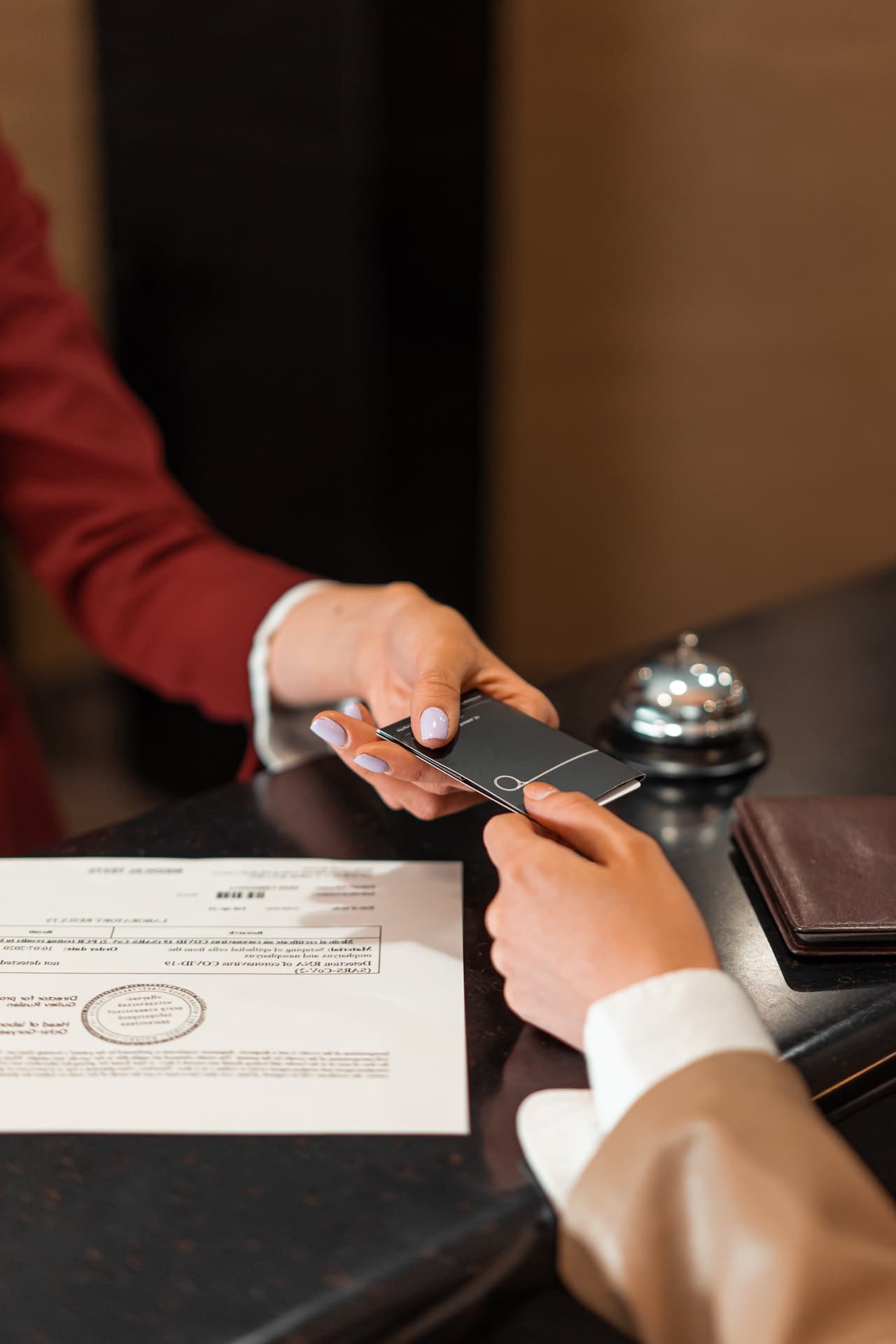
The concept of a defined check-in time isn’t arbitrary; it’s a carefully orchestrated aspect of hotel operations designed to ensure every guest receives a clean, prepared room. From the bustling metropolis of New York City to the tranquil beaches of the Maldives, hotels worldwide adhere to schedules that allow their dedicated housekeeping teams ample time to transform a recently vacated room into a welcoming sanctuary for the next occupant. Navigating these timings effectively is key to a stress-free start to your stay, whether you’re checking into a luxurious Four Seasons property, a charming boutique hotel in Paris, or a convenient budget motel along a highway in the United States.
The Standard Hotel Check-in Timeline: What to Expect
The vast majority of hotels, resorts, and even many vacation rentals operate within a fairly standardized check-in window. This uniformity helps manage guest flow and operational efficiency across the hospitality industry.
Typical Check-in Hours and Their Rationale
The most common check-in time you’ll encounter at hotels across North America, Europe, and many parts of Asia is 3:00 PM or 4:00 PM local time. This timing isn’t random; it’s strategically chosen to accommodate a full cycle of guest departures and room preparation. Most hotels typically set their check-out time around 11:00 AM or 12:00 PM. This four-to-five-hour window between check-out and check-in is crucial for the housekeeping staff. During this period, rooms are thoroughly cleaned, sanitized, restocked with amenities, and inspected to meet the hotel’s standards before the next guest arrives. This includes everything from fresh linens and towels to replenishing toiletries and ensuring all appliances are in working order. Without this buffer, the quality of your stay, and indeed the entire guest experience, would be significantly compromised.
Larger properties, such as a sprawling resort in Cancun or a major downtown hotel like the Grand Hyatt in Tokyo, often lean towards the 4:00 PM check-in mark due to the sheer volume of rooms needing attention and the extensive amenities that require daily upkeep. Conversely, smaller guesthouses, bed and breakfasts, or some independent apartments might offer slightly earlier check-in times if their operational model allows for quicker turnarounds or if they have fewer rooms to manage.
Regional Variations and Accommodation Types
While 3 PM or 4 PM is a general rule, there can be notable variations depending on the region and the specific type of accommodation. In some parts of Southeast Asia or Oceania, for instance, 2:00 PM check-ins are not uncommon, particularly in destinations catering to early morning flight arrivals. Similarly, unique accommodations like remote eco-lodges or specialized villas might have their own specific schedules dictated by their isolated locations or bespoke guest services.
The type of accommodation also plays a significant role. A stay at an all-inclusive resort in the Caribbean might have a strict 3:00 PM check-in to manage the flow of guests utilizing dining and recreational facilities immediately upon arrival. On the other hand, self-catering holiday homes or properties managed via platforms like Airbnb often use keyless entry systems or lockboxes, allowing for more flexible, self-service check-ins at any time after the official start. However, even with these systems, the room itself won’t be ready before the specified check-in time. Always double-check the specifics for your particular booking, especially when traveling to diverse destinations like India, Brazil, or throughout Africa, where local customs and operational norms can vary widely.
Navigating Early Arrivals: Strategies for a Smoother Start
Sometimes, travel plans simply don’t align perfectly with standard hotel check-in times. Early morning flights, overnight bus journeys, or simply the desire to maximize your first day in a new destination can lead to arriving at your hotel hours before your room is officially ready. While immediate access to your room is never guaranteed, there are several strategies and options to make an early arrival less stressful and more productive.
Communicating in Advance and Checking Options
The golden rule for early arrivals is communication. As soon as you anticipate an early arrival, contact your hotel directly. This can be done via phone call, email, or through their online chat service. Inform them of your estimated arrival time and inquire about their early check-in policy. Many hotels, especially those with robust customer service, appreciate the heads-up as it allows them to plan accordingly. They might be able to prioritize cleaning your room, assign you a room that was vacated earlier, or offer alternative solutions.
Early check-in is almost always subject to availability. If the hotel had a high occupancy the night before, and many guests checked out late, the chances of getting your room early diminish. However, if they have available, cleaned rooms, many establishments will happily accommodate you without an extra charge. Some hotels, particularly higher-end properties or those with specific service tiers, might offer guaranteed early check-in for an additional fee. This can be a worthwhile investment if you absolutely need immediate access to your room for a crucial meeting or to refresh after a long-haul flight from, say, Sydney to London.
Making the Most of Pre-Check-in Time
Even if your room isn’t ready, a reputable hotel will almost always offer to store your luggage. This complimentary service is a lifesaver, allowing you to shed heavy bags and explore the local area unencumbered. Once your bags are safely stowed with the concierge or at the front desk, you can begin your adventure.
- Explore Local Attractions: Use the free time to visit a nearby landmark. If you’re in Washington D.C., perhaps a quick stroll past the Lincoln Memorial or a visit to a museum like the Smithsonian National Air and Space Museum. In Rome, the Colosseum might be within walking distance.
- Grab a Meal: Find a local cafe or restaurant for breakfast or lunch. This is an excellent way to immerse yourself in the local culture and sample some authentic cuisine. From a traditional English breakfast in Manchester to street food in Hanoi, culinary exploration can be a great way to start your trip.
- Utilize Hotel Amenities: Many hotels will allow early arrivals to use their public facilities even before check-in. This could include the gym, swimming pool, business center, or lobby lounge. If you’re at a resort in Dubai, you might be able to start enjoying the pool area or grab a drink at the bar.
- Relax and Rejuvenate: Sometimes, all you need is a quiet spot to decompress. Find a comfortable chair in the lobby, read a book, catch up on emails, or simply people-watch.
Leveraging Loyalty Programs and Status
If you are a member of a hotel loyalty program like Marriott Bonvoy, Hilton Honors, or World of Hyatt, your elite status can often grant you valuable perks, including early check-in (subject to availability). Higher tiers of membership frequently come with benefits like “priority check-in” or “early check-in privilege,” which can significantly increase your chances of getting into your room sooner without an additional charge. Always mention your loyalty status at booking and again upon arrival to ensure these benefits are recognized. Direct bookings through the hotel’s official website are also generally more likely to receive preferential treatment for such requests compared to bookings made via third-party online travel agencies (OTAs) like Booking.com or Expedia.
Understanding Late Arrivals and No-Shows
Just as early arrivals require careful planning, so too do late arrivals. While hotels are generally more lenient with late check-ins compared to early ones, understanding their policies is crucial to avoid complications or even the loss of your reservation.
Essential Communication for Late Arrivals
If you anticipate arriving significantly later than the standard check-in time, or particularly after midnight, it’s always best to inform the hotel. This is especially true for smaller establishments, boutique hotels, or guesthouses that might not have 24-hour front desk staff. A quick call or email confirming your late arrival time can save you from a locked door and ensures that staff are aware and prepared for your arrival. For larger hotels with 24/7 reception, simply showing up late usually isn’t an issue, but it’s still a good practice to inform them if your arrival will be significantly delayed, perhaps due to flight delays from Dublin to Lisbon, or unexpected travel hiccups on a road trip through Canada.

Many modern accommodations, especially vacation rentals and some tech-forward hotels, offer self-check-in options. This might involve a key code sent to your phone, a smart lock, or a digital key accessed via an app. If you’re relying on such a system, ensure you have all the necessary instructions and codes before you arrive, particularly if you’re traveling internationally and might not have immediate access to mobile data or Wi-Fi.
The Policy on No-Shows
A “no-show” occurs when a guest with a confirmed reservation fails to arrive at the hotel and does not notify the property of a cancellation or late arrival. The repercussions for a no-show can vary significantly, but they are almost always negative for the traveler.
- Cancellation of Entire Reservation: For multi-night stays, if you’re a no-show on the first night, the hotel may have the right to cancel the entire remaining reservation without a refund. This is a common policy to prevent guests from holding rooms they no longer intend to use, particularly during high-demand periods like Oktoberfest in Munich or Carnival in Rio de Janeiro.
- Charge for First Night: At minimum, most hotels will charge you for the first night of your stay. This is standard compensation for the lost revenue from a room that could have been sold to another guest.
- Loss of Deposit: If you paid a non-refundable deposit, that will typically be forfeited.
To avoid being categorized as a no-show, always communicate any changes to your travel plans, no matter how minor. Even if you arrive at 2:00 AM instead of 3:00 PM on the day of check-in, as long as you arrive within the booked period, you’re not a no-show, especially if you’ve informed the hotel.
Factors Influencing Check-in Times and Flexibility
While standard times exist, the real-world flexibility of check-in can be influenced by several dynamic factors. Understanding these can help you better manage expectations and plan your trip.
Peak Season vs. Off-Peak Travel
The time of year and demand for accommodation significantly impact check-in flexibility. During peak season—think summer holidays in Spain, ski season in the Swiss Alps, or major conventions in Las Vegas—hotels operate at or near full capacity. This leaves little to no room for early check-ins or other special requests, as every room is likely occupied and needs to be turned over efficiently. Staff are often stretched thin, and their priority is adhering to the established schedule.
Conversely, during off-peak season, when occupancy rates are lower, hotels are often more flexible. With more vacant rooms, they have a greater ability to accommodate early check-in requests, sometimes even offering complimentary upgrades to incentivize stays. If your travel dates are flexible, choosing off-peak times can significantly increase your chances of a smoother and more accommodating check-in experience.
Special Events and Local Occasions
Major events, festivals, or local holidays can create localized peak seasons, regardless of the broader travel calendar. For example, during the Edinburgh Fringe Festival in Scotland or the Cherry Blossom Festival in Kyoto, Japan, hotels will be exceptionally busy, and flexibility will be minimal. Always research if any major events coincide with your travel dates, as this will influence everything from room availability and pricing to check-in stringency. Planning for potential delays and reduced flexibility during these times is wise.
Direct Booking Versus Third-Party Platforms
How you book your room can also impact the level of flexibility a hotel can offer. When you book directly through a hotel’s official website or reservation line, you often establish a more direct relationship with the property. This can sometimes lead to more personalized service and a greater willingness to accommodate special requests, including early check-in, as the hotel retains a larger portion of the revenue from your booking.
Bookings made through third-party online travel agencies (OTAs) like Booking.com or Expedia are perfectly valid, but they sometimes come with limitations. Hotels may have less leeway to bend rules for OTA bookings because of the contractual agreements in place, or simply because they prioritize direct guests for special treatment. While it’s not a hard and fast rule, direct bookings generally offer a slight advantage in negotiating flexibility.
Tips for a Seamless Check-in Experience
Beyond understanding the timings and policies, adopting a few best practices can make your check-in process as smooth and efficient as possible, allowing you to quickly move on to enjoying your trip.
Confirm Details Before Arrival
A few days before your scheduled arrival, take a moment to confirm your reservation details. Check your booking confirmation email for the exact check-in time, the hotel’s contact information, and any specific instructions they might have provided. If you have any special requests—such as a specific room type, an extra bed, or a late check-out for your departure—reconfirm these with the hotel in advance. This proactive step can prevent misunderstandings and ensure the hotel is prepared for your needs.
Preparing Documentation and Payment
When you arrive at the front desk, have your identification ready. Typically, this means a valid government-issued photo ID, such as a passport (especially for international travel, like arriving in Germany from Australia) or a driver’s license (for domestic travel). You’ll also need the credit card used for the reservation, or another valid credit card for incidentals. Hotels often pre-authorize a security deposit on your card to cover potential damages, mini-bar charges, or other services. Ensure your card has sufficient credit for this. Having these items easily accessible will significantly speed up the check-in process.
Utilizing Mobile Check-in and Digital Keys
Many modern hotel chains are embracing technology to streamline the check-in experience. Through dedicated mobile apps, guests can often complete the check-in process online before even arriving at the property. Some apps also offer digital keys, allowing you to bypass the front desk entirely and unlock your room door directly with your smartphone. This convenience is particularly valuable if you’re arriving very late or prefer minimal contact. Popular brands like Hilton, Marriott, and Hyatt are at the forefront of this innovation, making travel easier for their loyalty members.

Being Polite and Patient
Finally, remember that the front desk staff are there to help you. Travel can sometimes be stressful, but maintaining a polite and patient demeanor can go a long way. If your room isn’t ready, or if there’s a slight delay, a friendly attitude is much more likely to yield a positive outcome than frustration. Hotel staff often have limited control over room availability but are usually eager to assist guests who approach them with respect and understanding. A simple “thank you” can make a world of difference and contribute to a more pleasant experience for everyone.
In conclusion, understanding “When is check-in at hotels?” is more than just knowing a specific time; it’s about appreciating the operational intricacies of the hospitality industry and learning how to navigate various scenarios effectively. By communicating proactively, leveraging available resources, and being prepared, you can transform a potentially stressful part of your journey into a smooth and seamless start to an unforgettable travel experience. Whether you’re exploring the ancient wonders of Egypt, enjoying a family trip to Disneyland Paris, or on a business stay in Singapore, a well-managed check-in sets the perfect tone for your entire stay.
LifeOutOfTheBox is a participant in the Amazon Services LLC Associates Program, an affiliate advertising program designed to provide a means for sites to earn advertising fees by advertising and linking to Amazon.com. Amazon, the Amazon logo, AmazonSupply, and the AmazonSupply logo are trademarks of Amazon.com, Inc. or its affiliates. As an Amazon Associate we earn affiliate commissions from qualifying purchases.